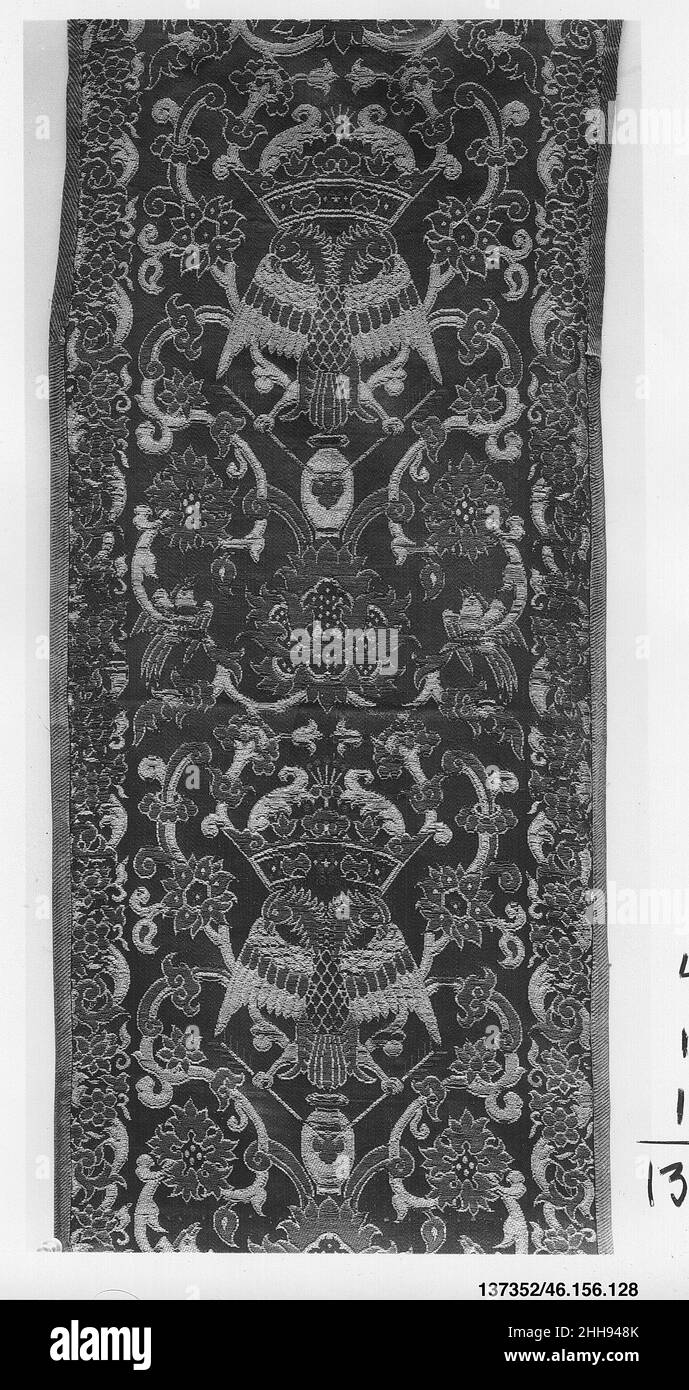
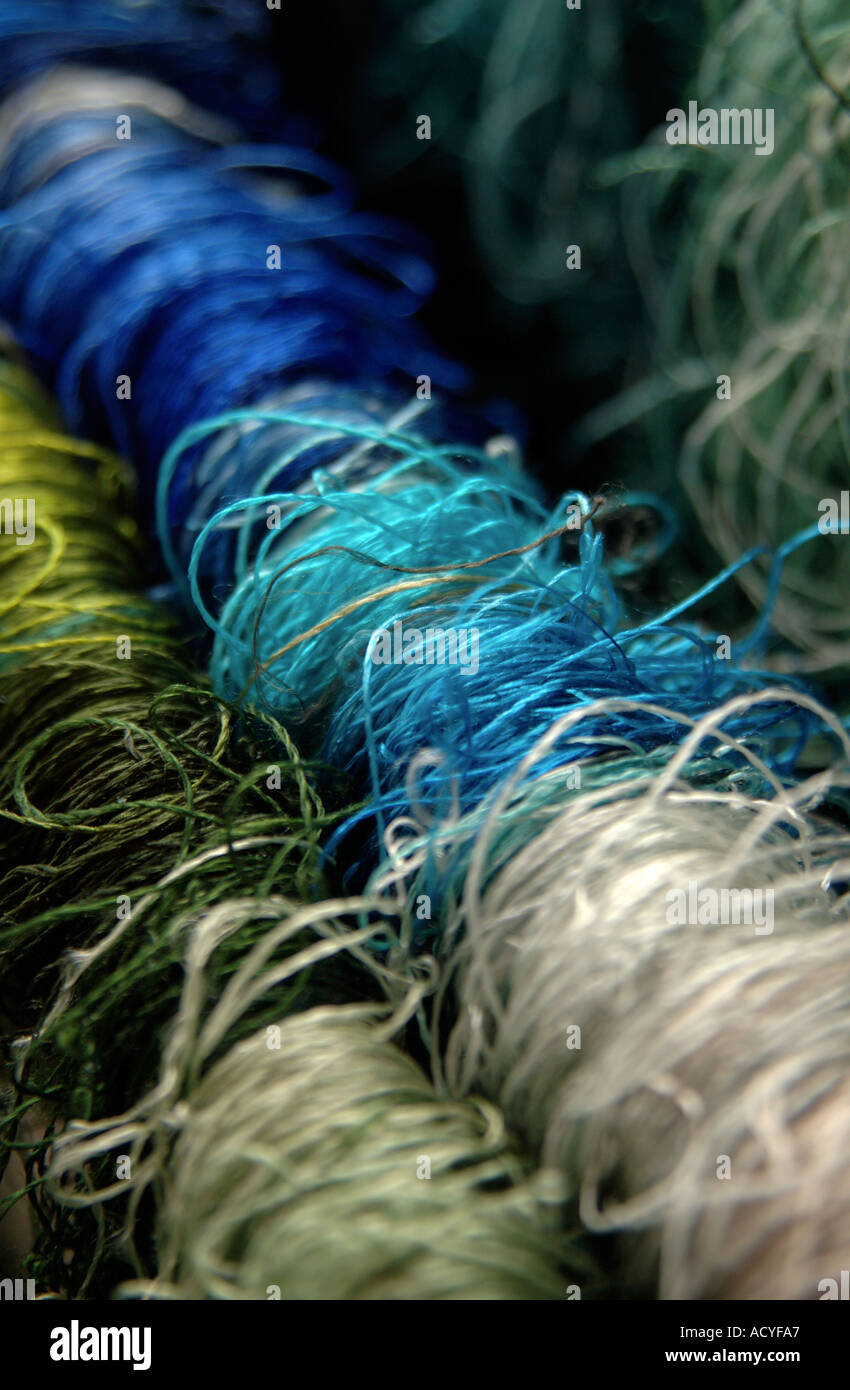
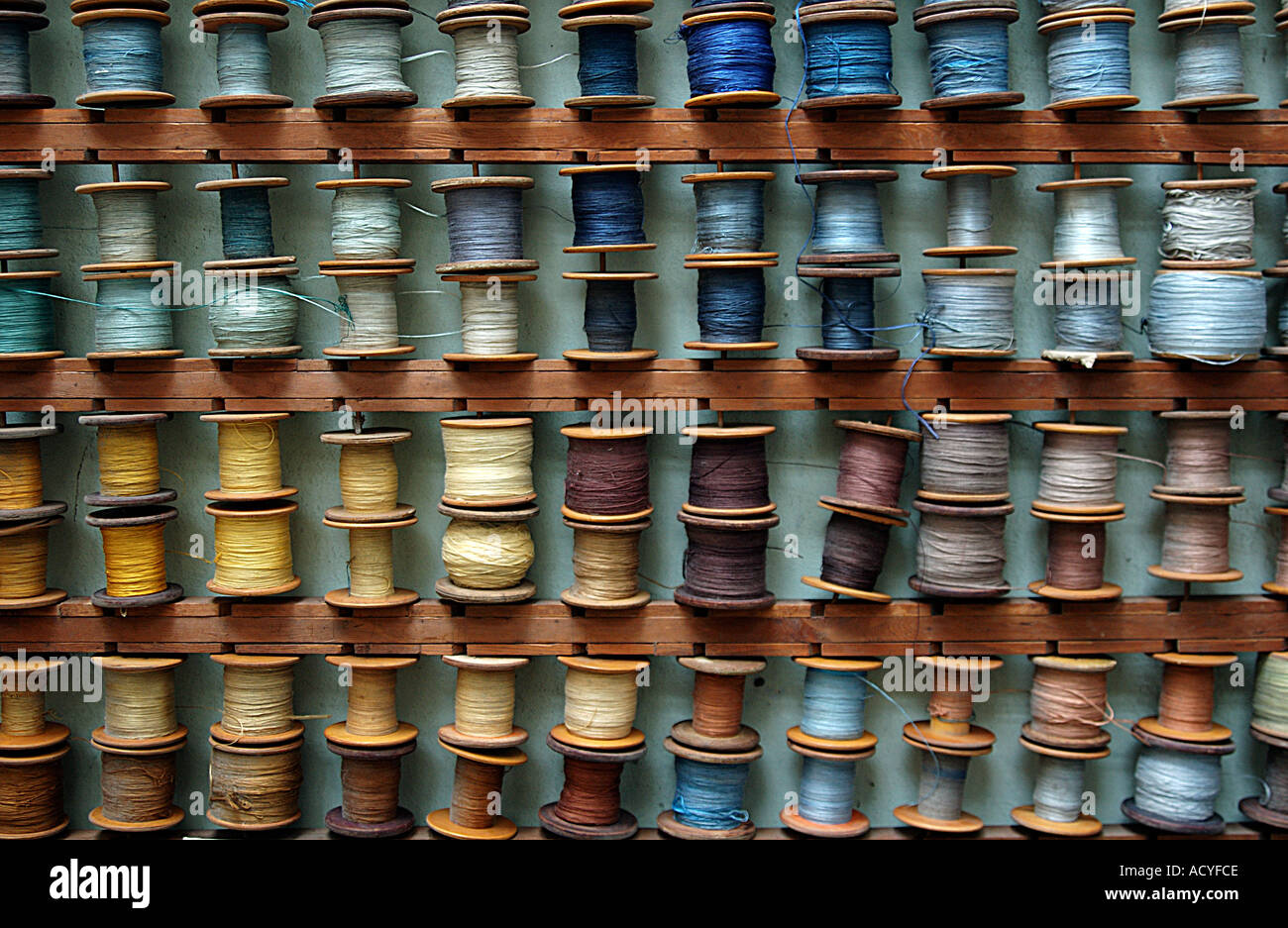
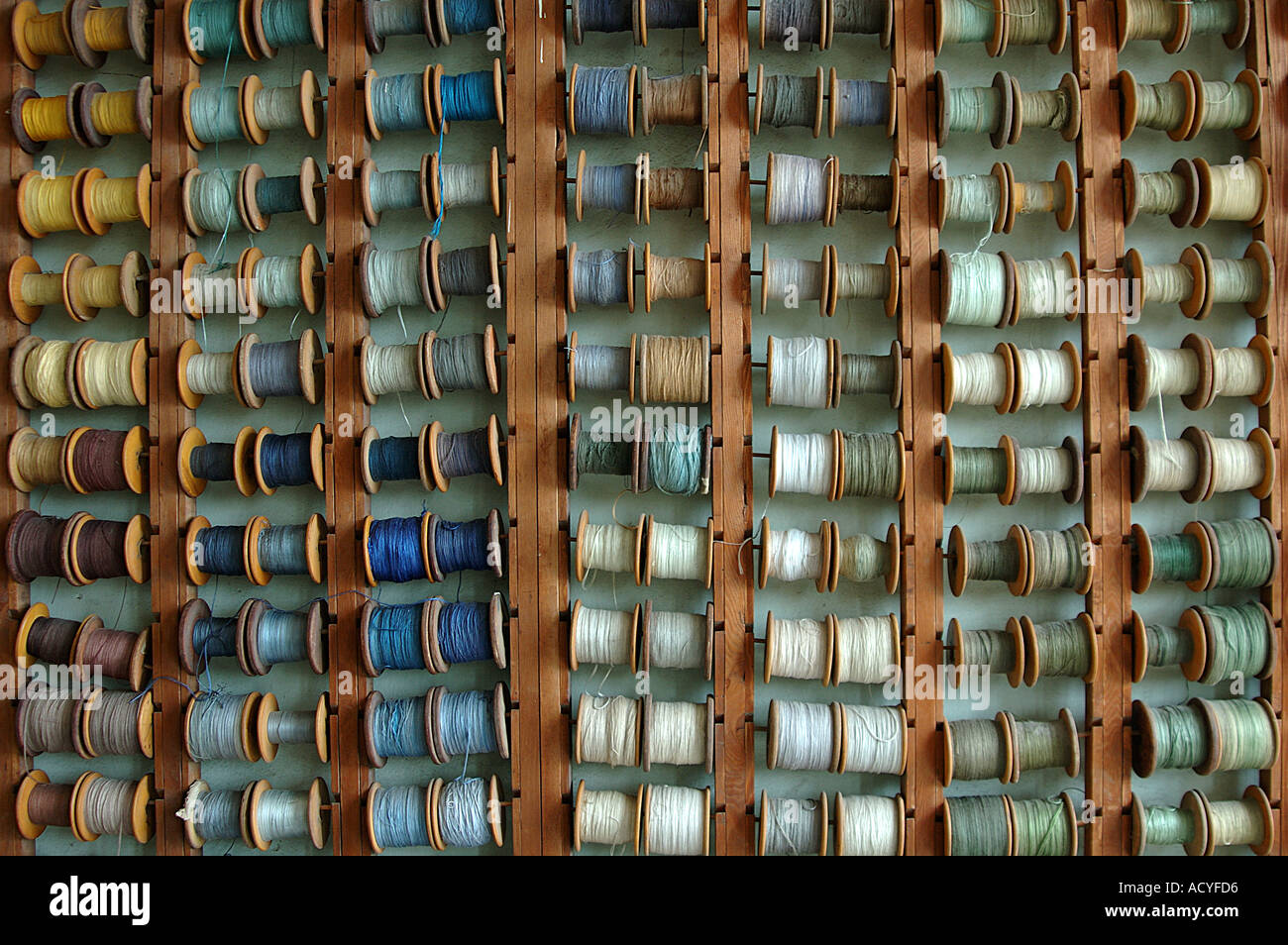
Dyed silk thread china Stock Photos and Images
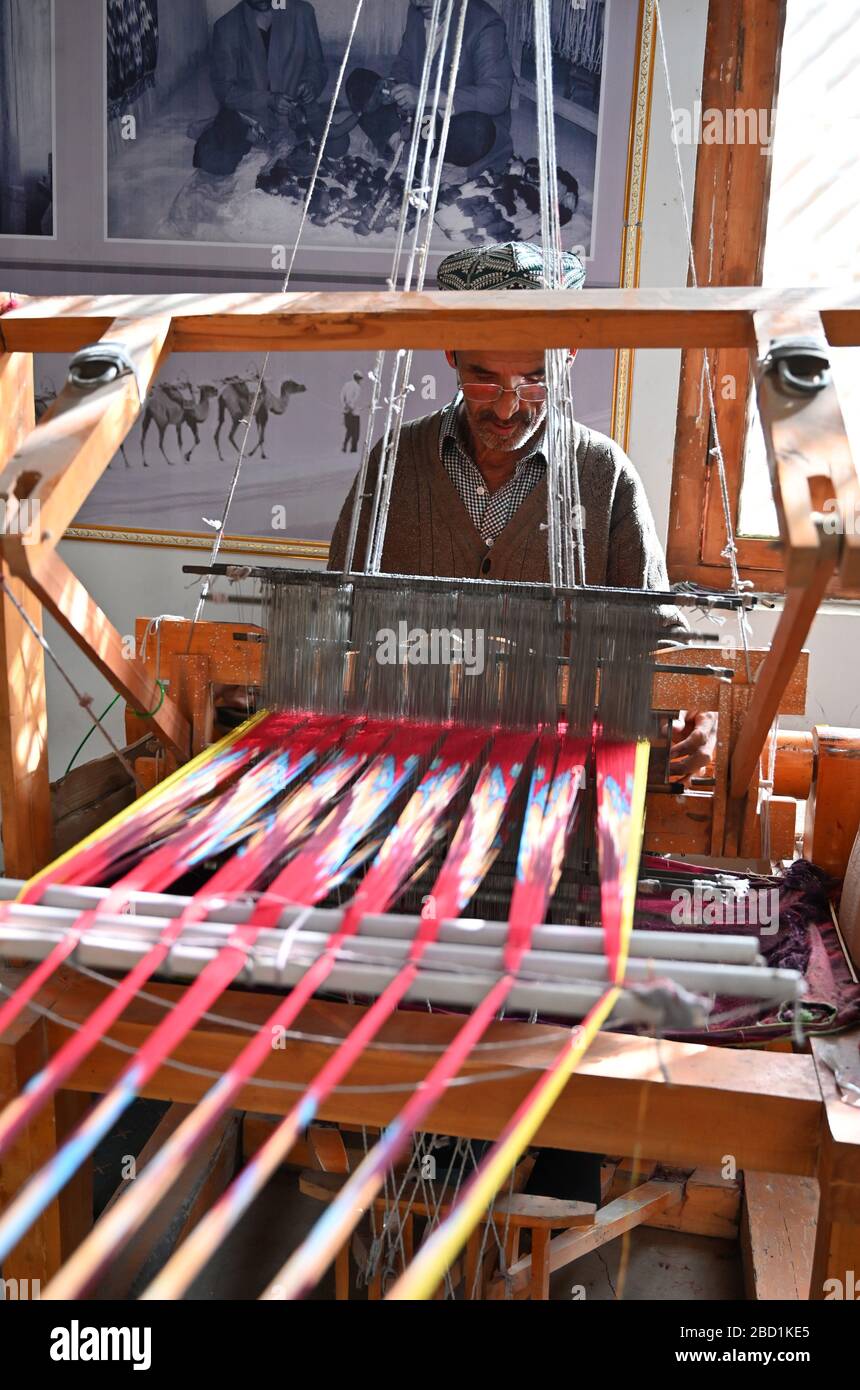
RM2BD1KE5鈥�Uyghur man at loom weaving tie dyed silk thread into traditional cloth, Jiya, Xinjiang, China, Asia
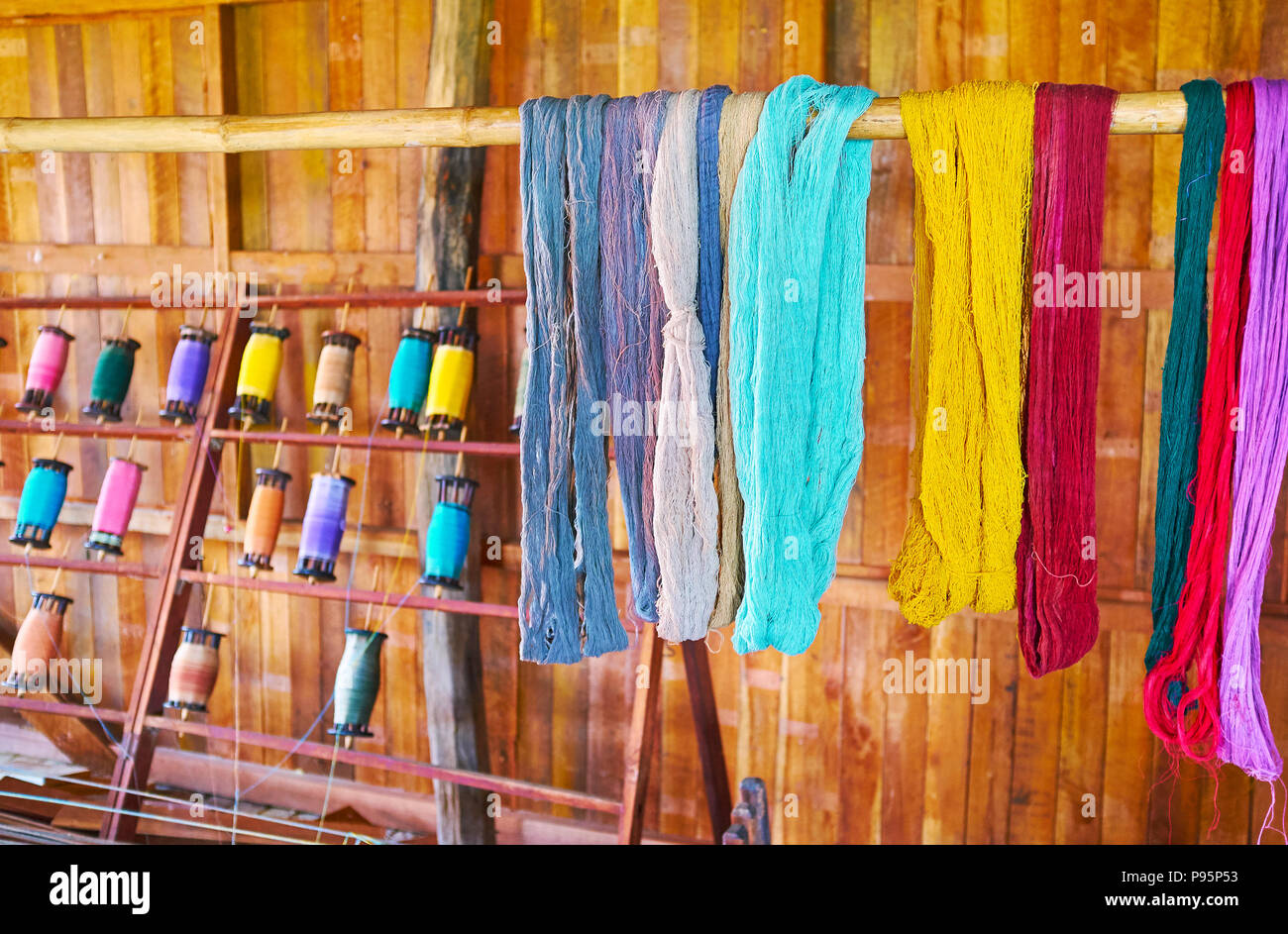
RFP95P53鈥�The hand-dyed cotton and lotus yarn dries on the wooden pole in texile workshop of Inpawkhon village, Inle Lake, Myanmar.
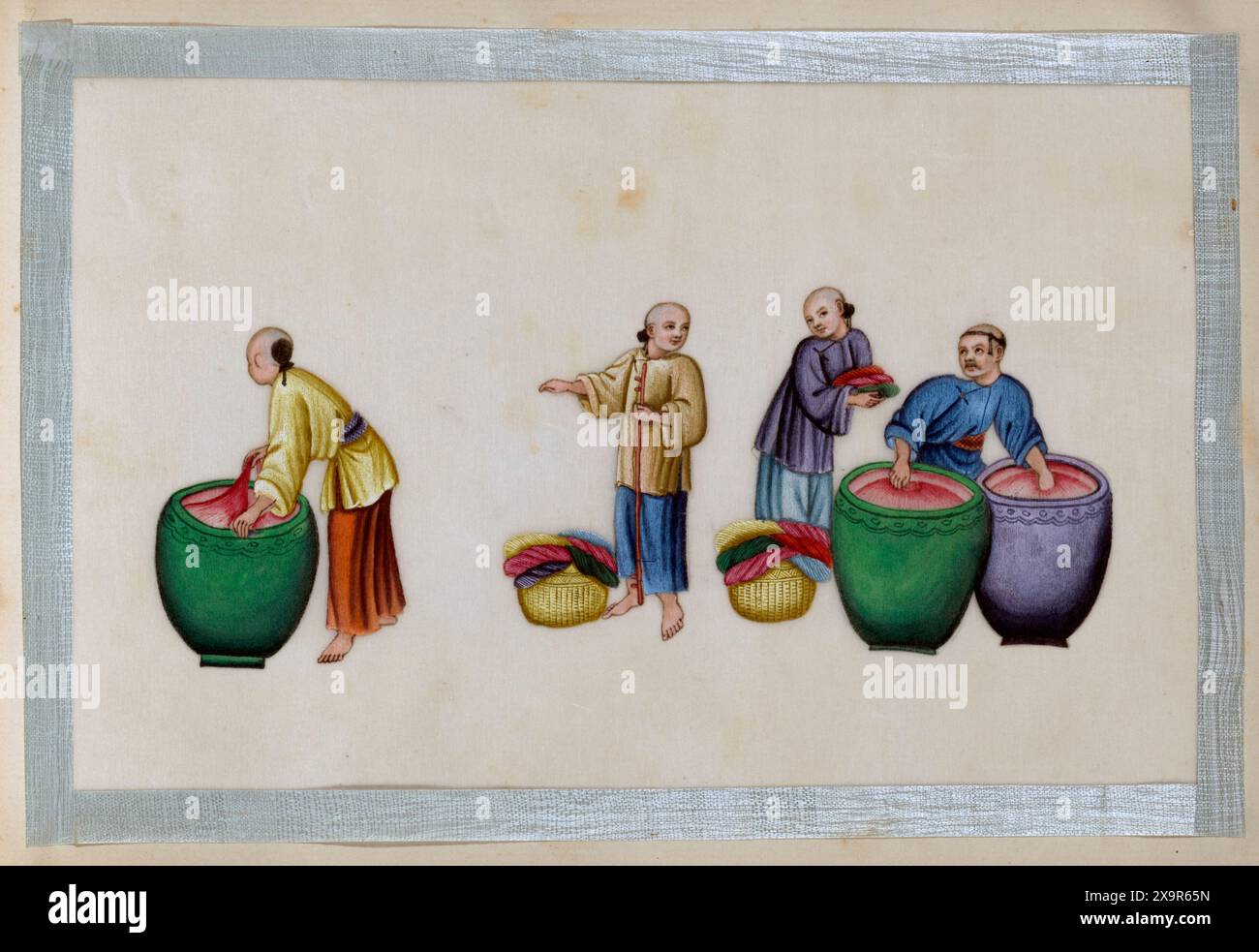
RM2X9R65N鈥�Original painting on pith paper of Chinese silk production, part of the collection Zhongguo gu dai si chou zhi zuo tu ji 1850-1890. Original watercolour on pith paper backed on plain mianlin paper, pasted down with blue silk ribbon.
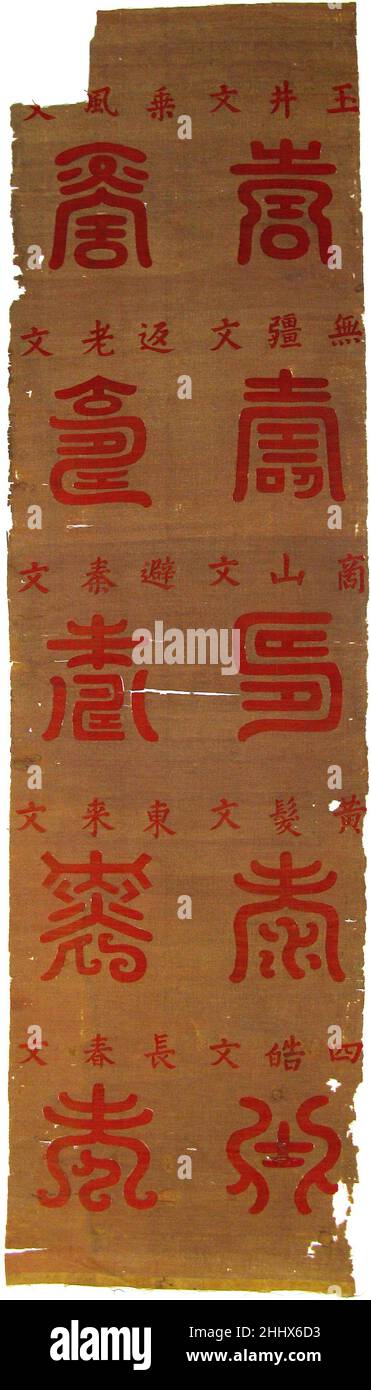
RM2HHX6D3鈥�Piece 16th鈥�19th century China. Piece. China. 16th鈥�19th century. Silk, metallic thread. Ming (1368鈥�1644)鈥換ing (1644鈥�1911) dynasty. Textiles-Tapestries
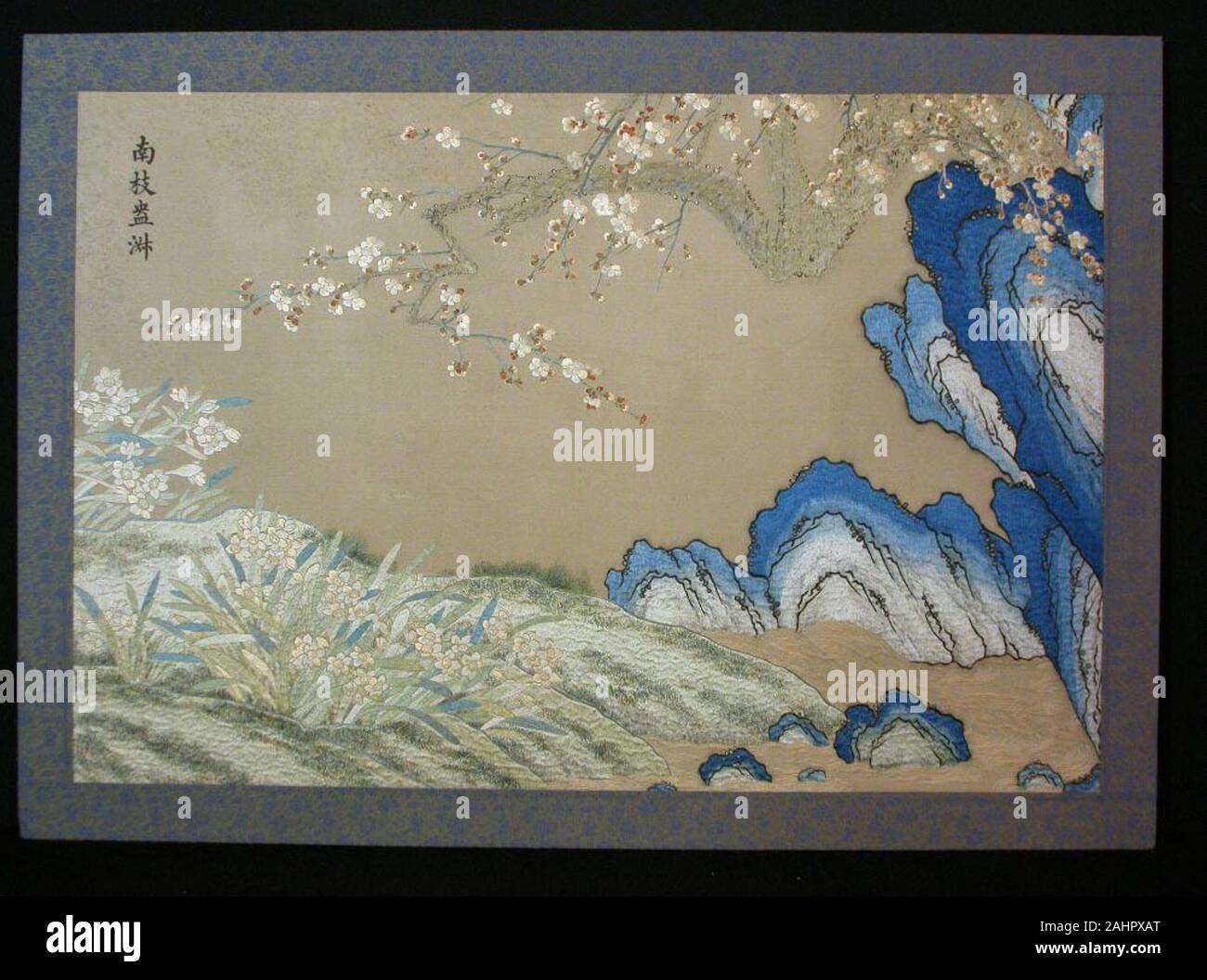
RM2AHPXAT鈥�Picture. 1701鈥�1800. China. Silk, combined twill weave; embroidered with silk in knot, single satin, satin and stem stitches; painted; edges with silk and cotton, satin damask weave
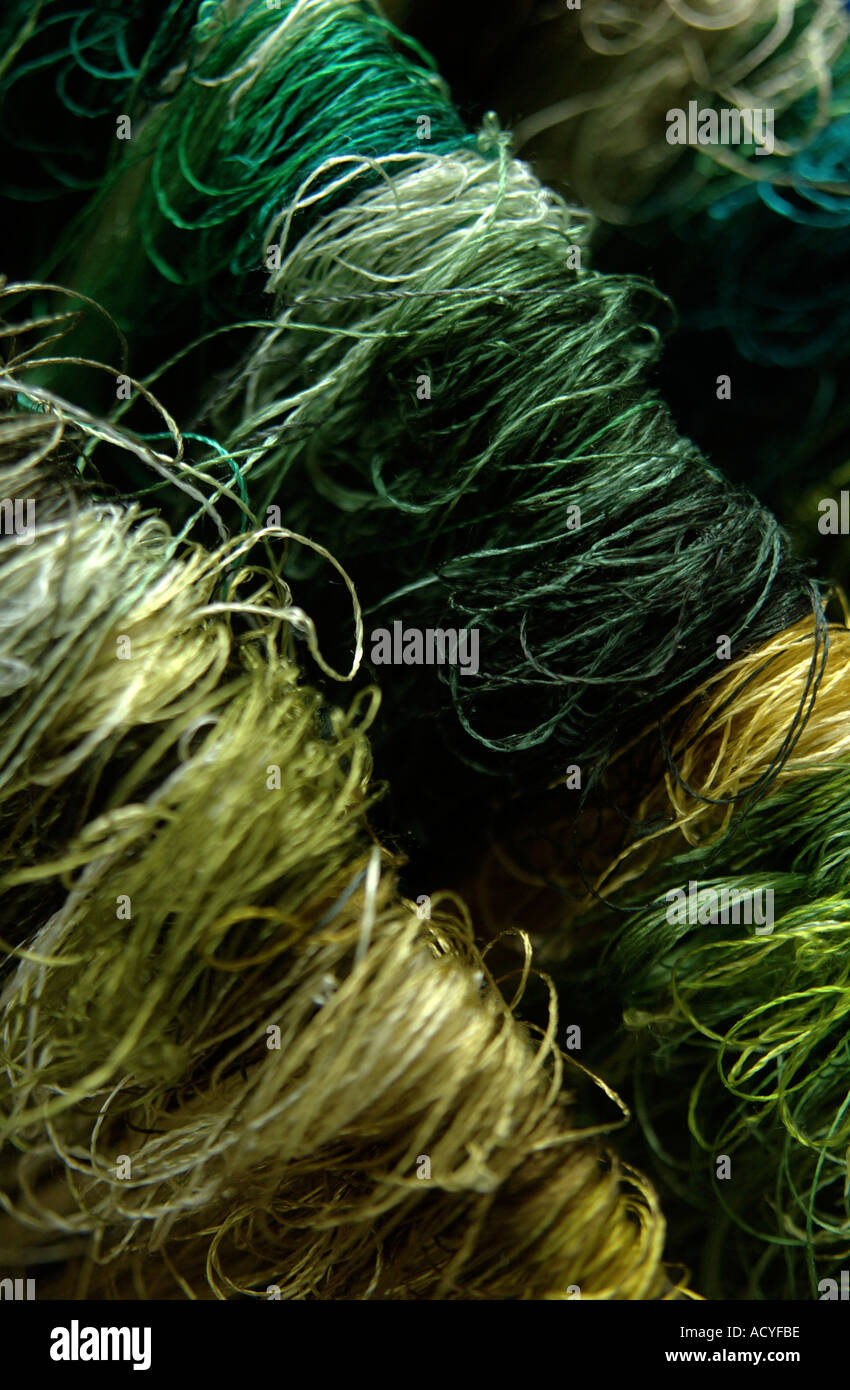
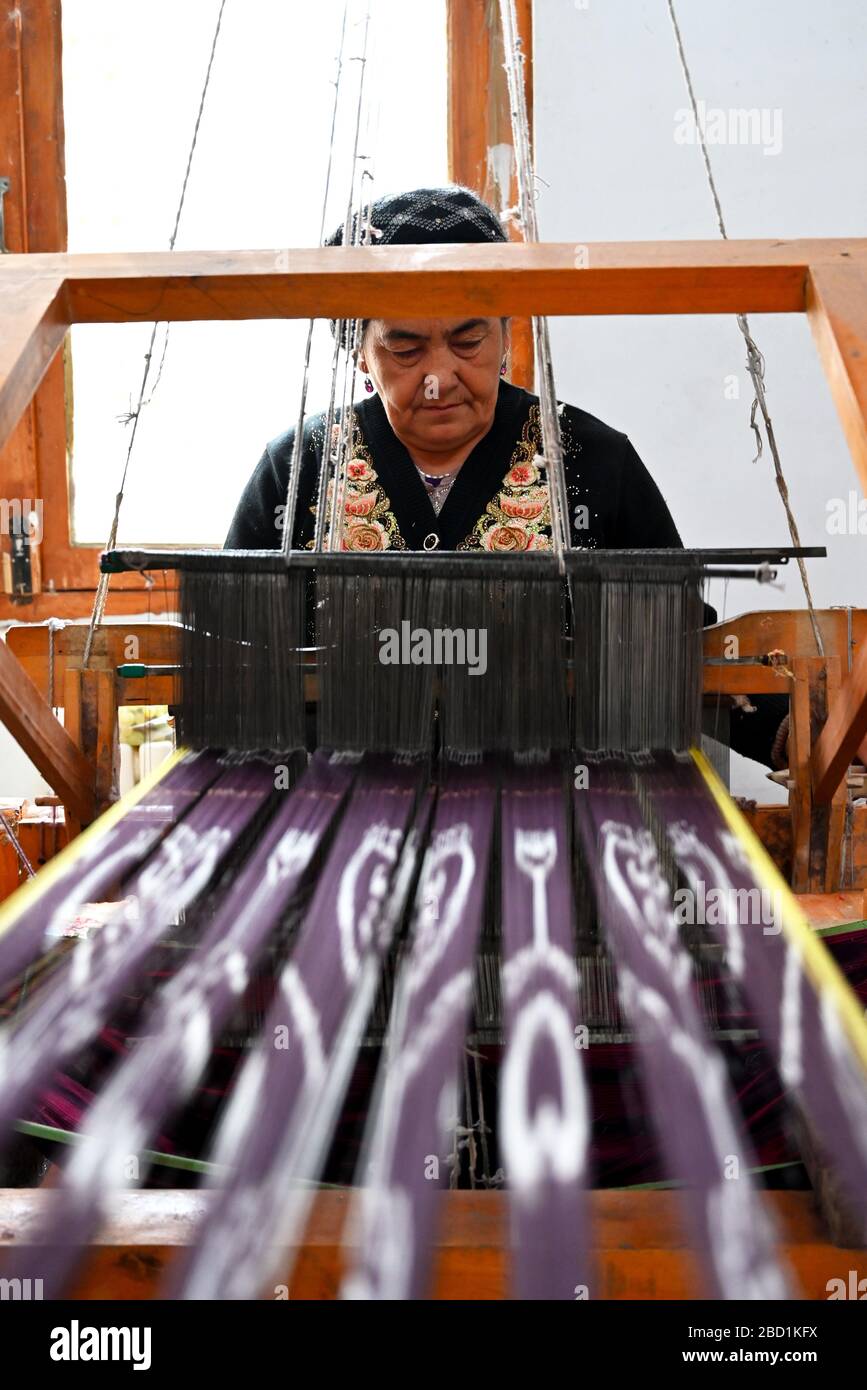
RM2BD1KFX鈥�Uyghur woman at loom weaving tie dyed silk thread into traditional cloth, Jiya, Xinjiang, China, Asia
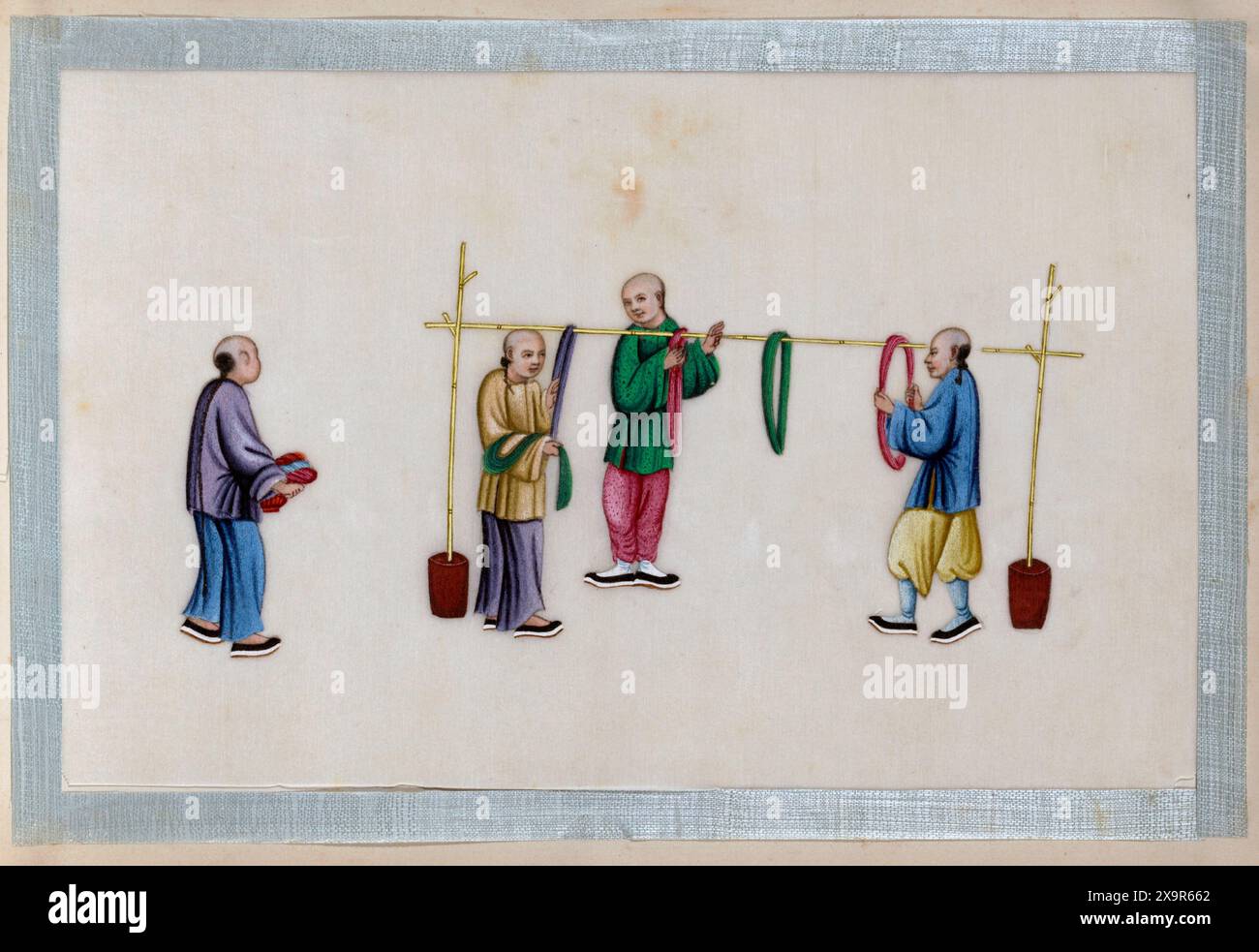
RM2X9R662鈥�Original painting on pith paper of Chinese silk production, part of the collection Zhongguo gu dai si chou zhi zuo tu ji 1850-1890. Original watercolour on pith paper backed on plain mianlin paper, pasted down with blue silk ribbon.
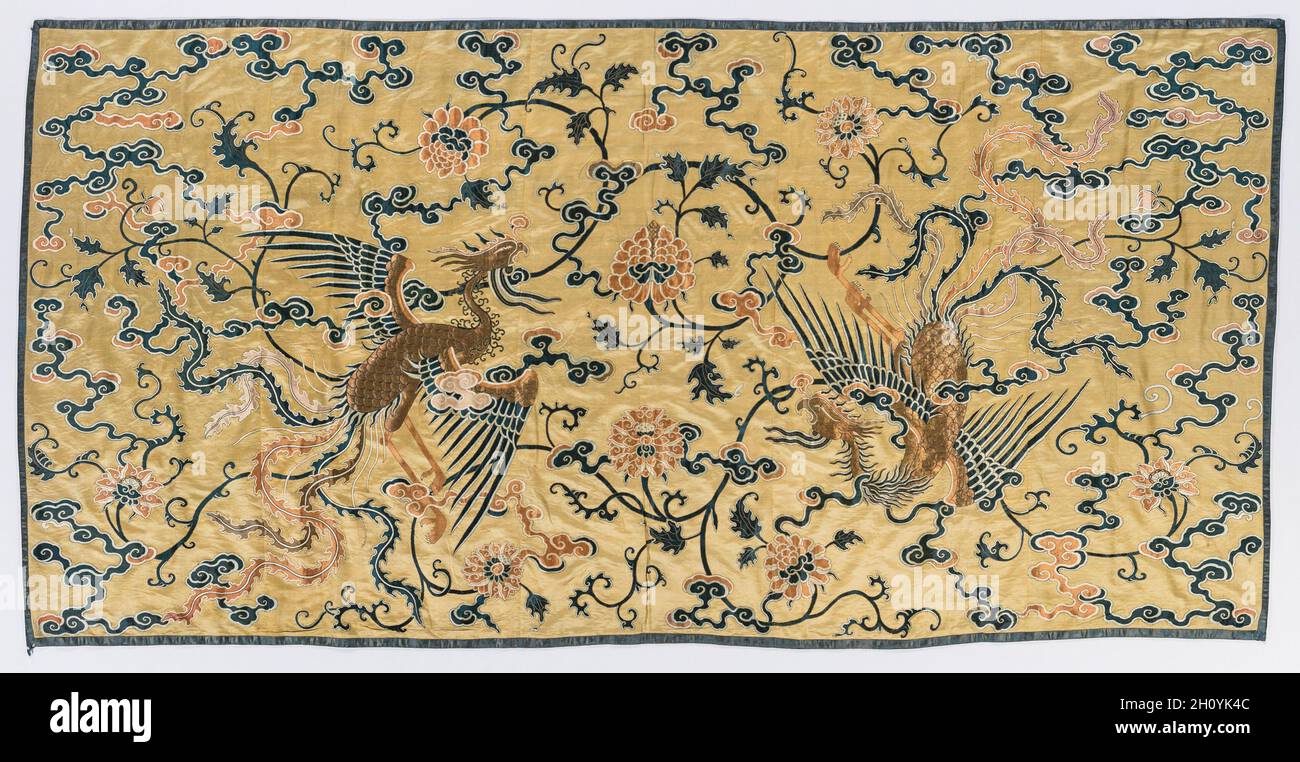
RM2H0YK4C鈥�Wall Hanging, late 1700s鈥揺arly 1800s. China, Qing dynasty (1644-1911). Silk; satin weave ground with supplementary silk weft wool; overall: 188 x 378.4 cm (74 x 149 in.).
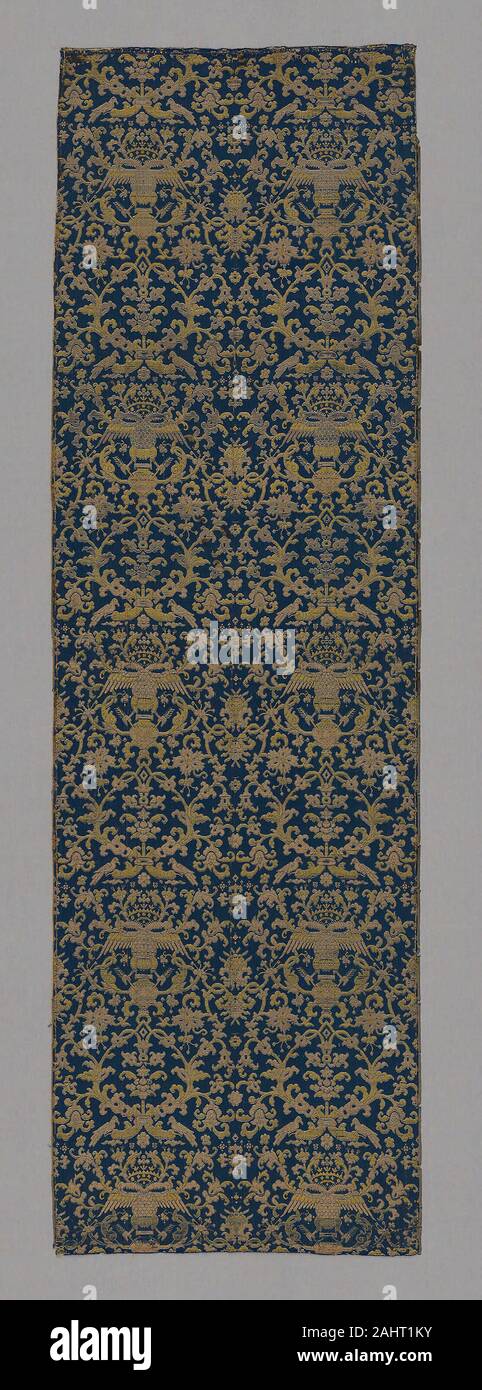
RM2AHT1KY鈥�Panel (Furnishing Fabric). 1620鈥�1700. China. Silk, warp-float faced 7 1 satin weave self-patterned by ground wefts bound in weft-float faced 1 3 'Z' twill interlacings
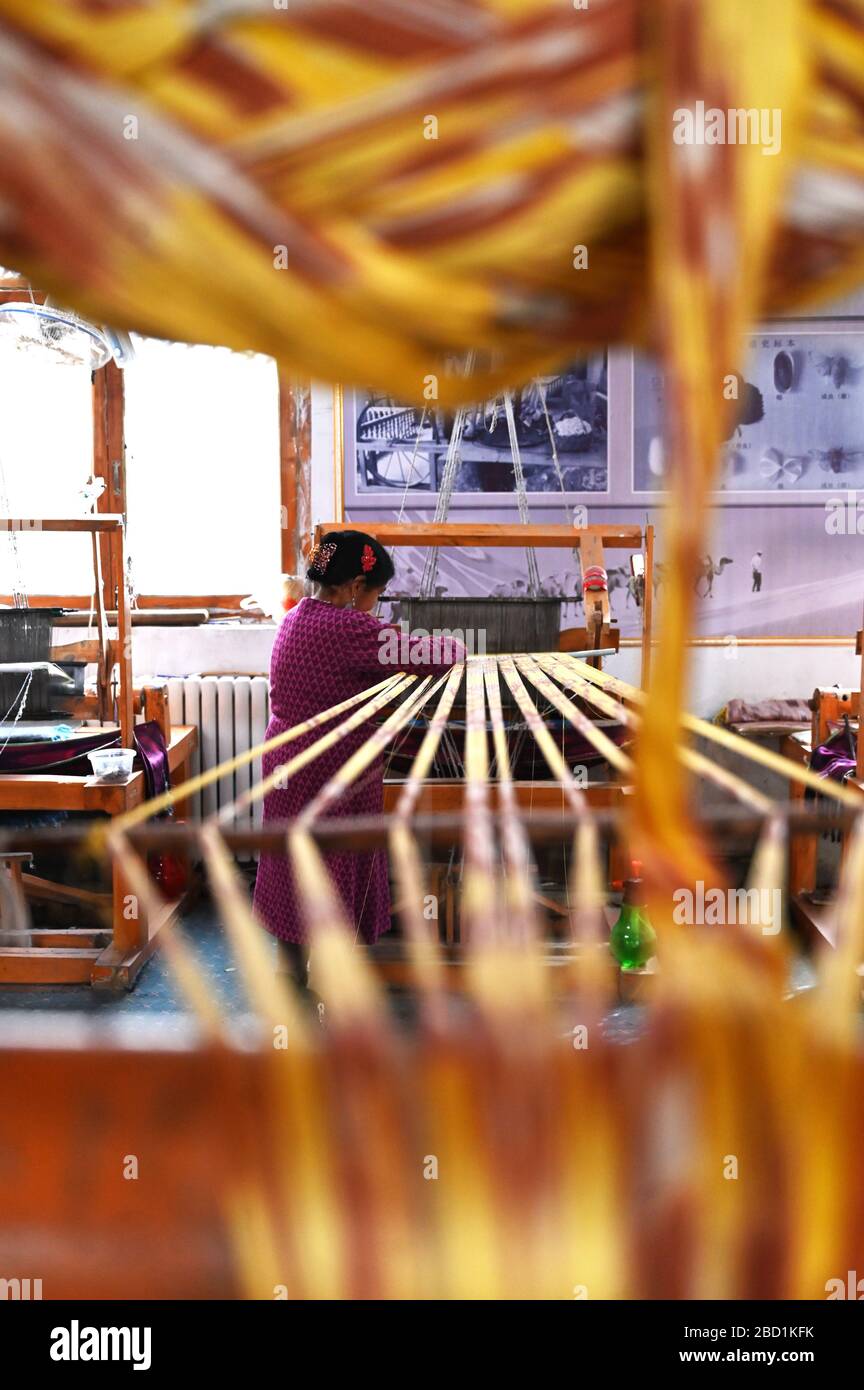
RM2BD1KFK鈥�Uyghur woman preparing loom with tie dyed silk thread ready for weaving, Jiya, Xinjiang, China, Asia
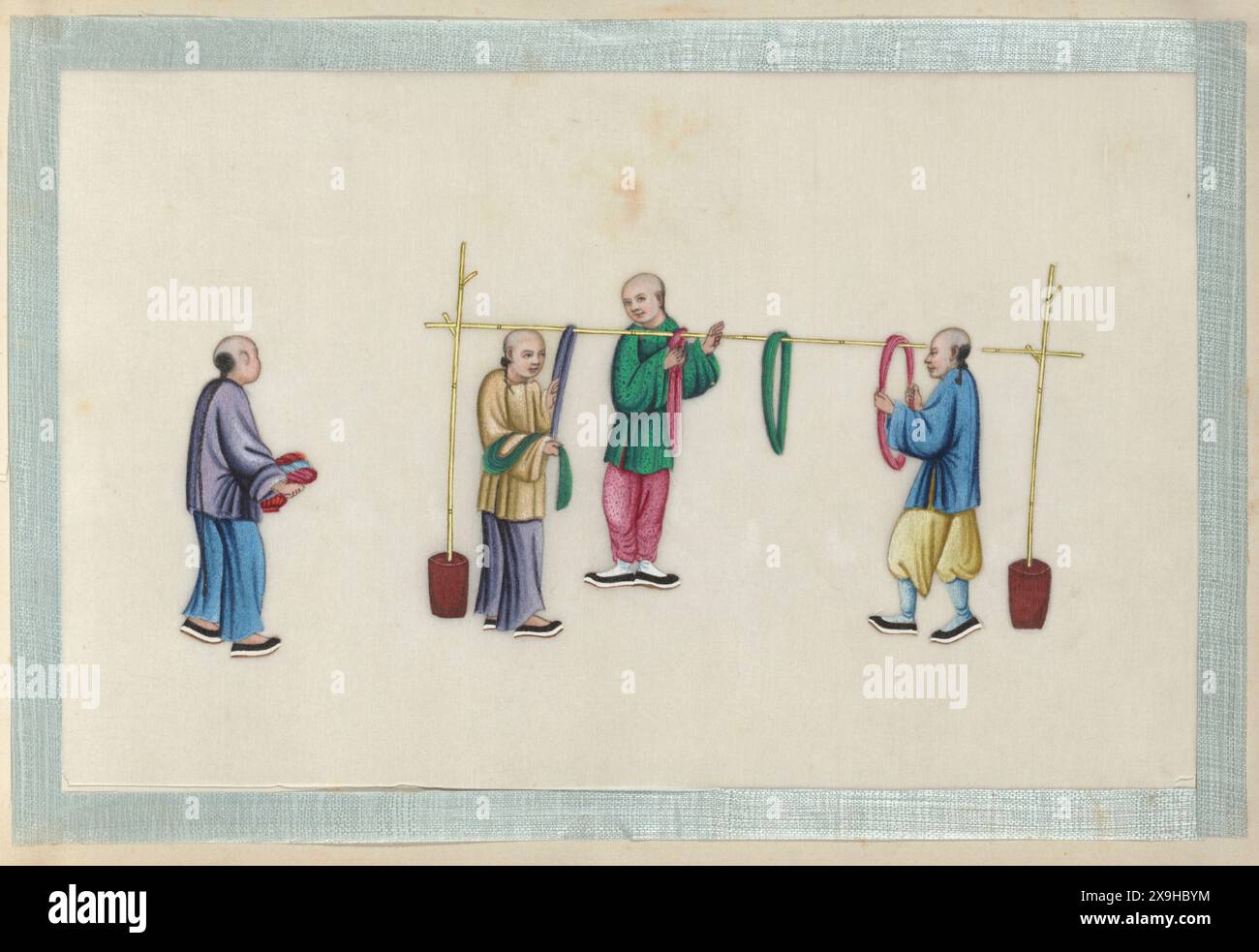
RF2X9HBYM鈥�Original painting on pith paper of Chinese silk production, part of the collection Zhongguo gu dai si chou zhi zuo tu ji 1850-1890. Original watercolour on pith paper backed on plain mianlin paper, pasted down with blue silk ribbon.
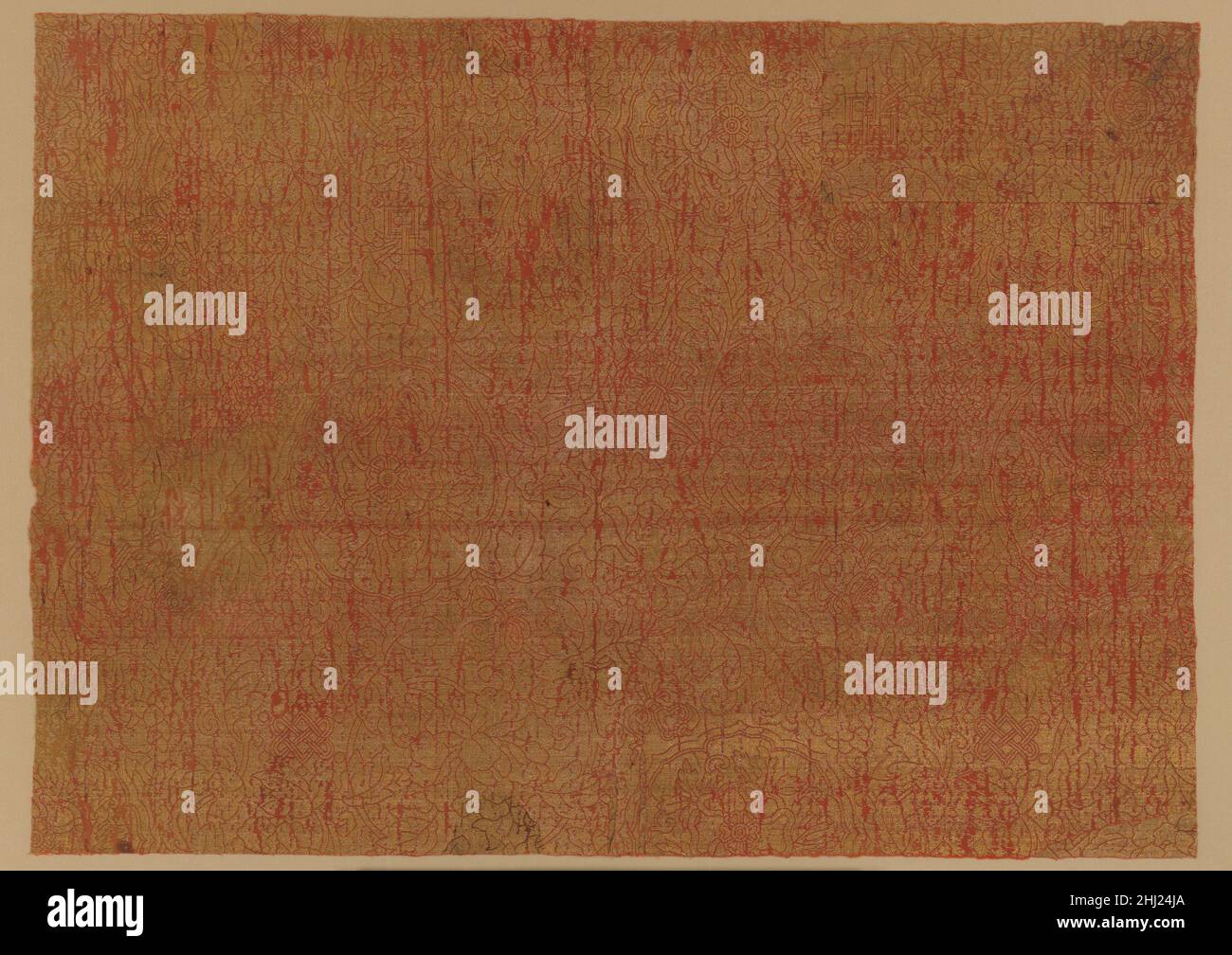
RM2HJ24JA鈥�"Cloth of Gold" with Medallions 14th century China This exuberant textile illustrates one of the most luxurious materials used at the Mongol court: nasij, or 鈥渃loth of gold.鈥� Except for very fine outlines of patterns in bright red silk, the entire surface of this special textile was woven with gold threads. An innovation from Central Asia, this technique attests to the mass movement of weavers from the eastern Iranian world to China during the Mongol period.. "Cloth of Gold" with Medallions 64101
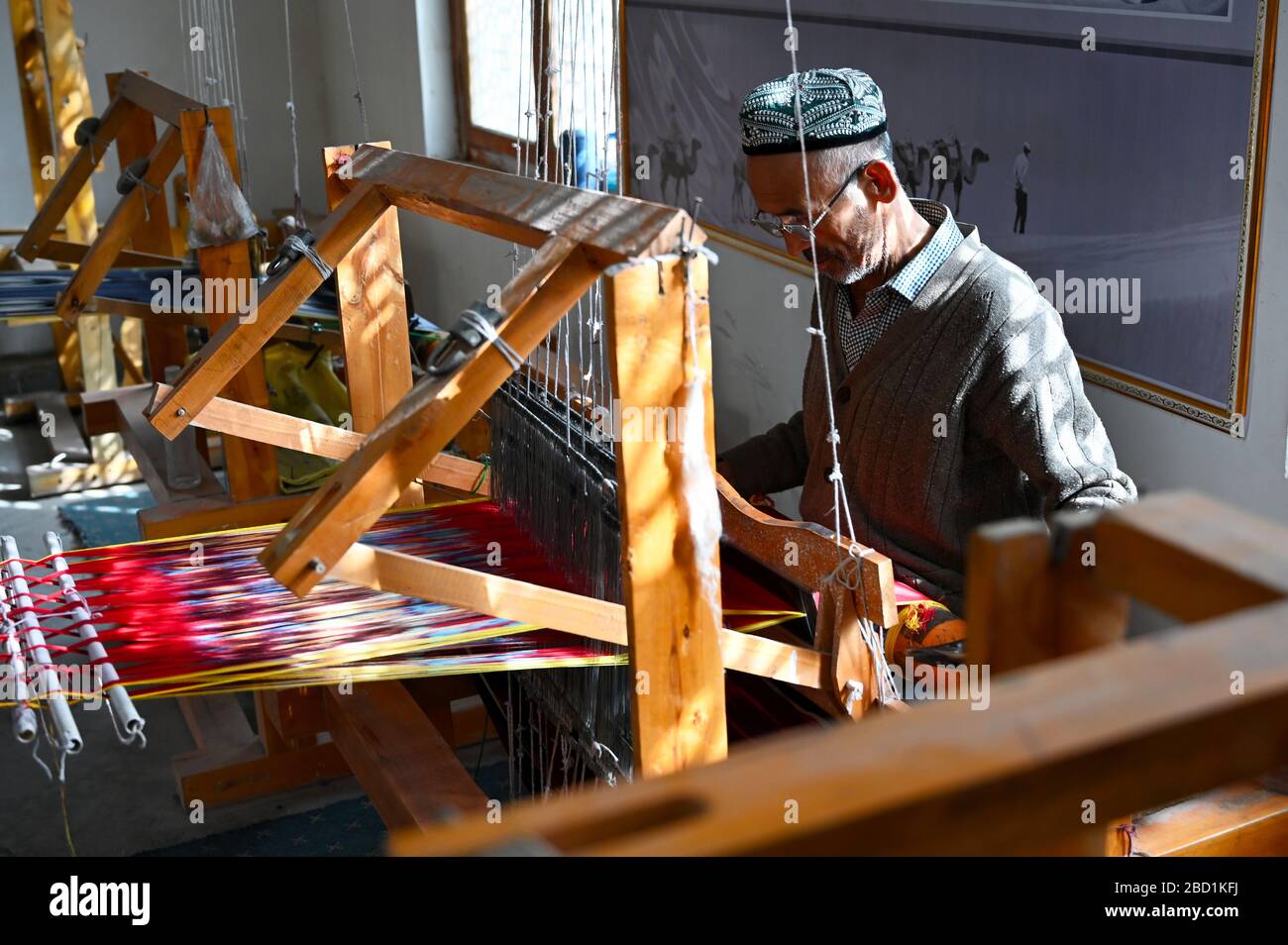
RM2BD1KFJ鈥�Uyghur man at loom weaving tie dyed silk thread into traditional cloth, Jiya, Xinjiang, China, Asia
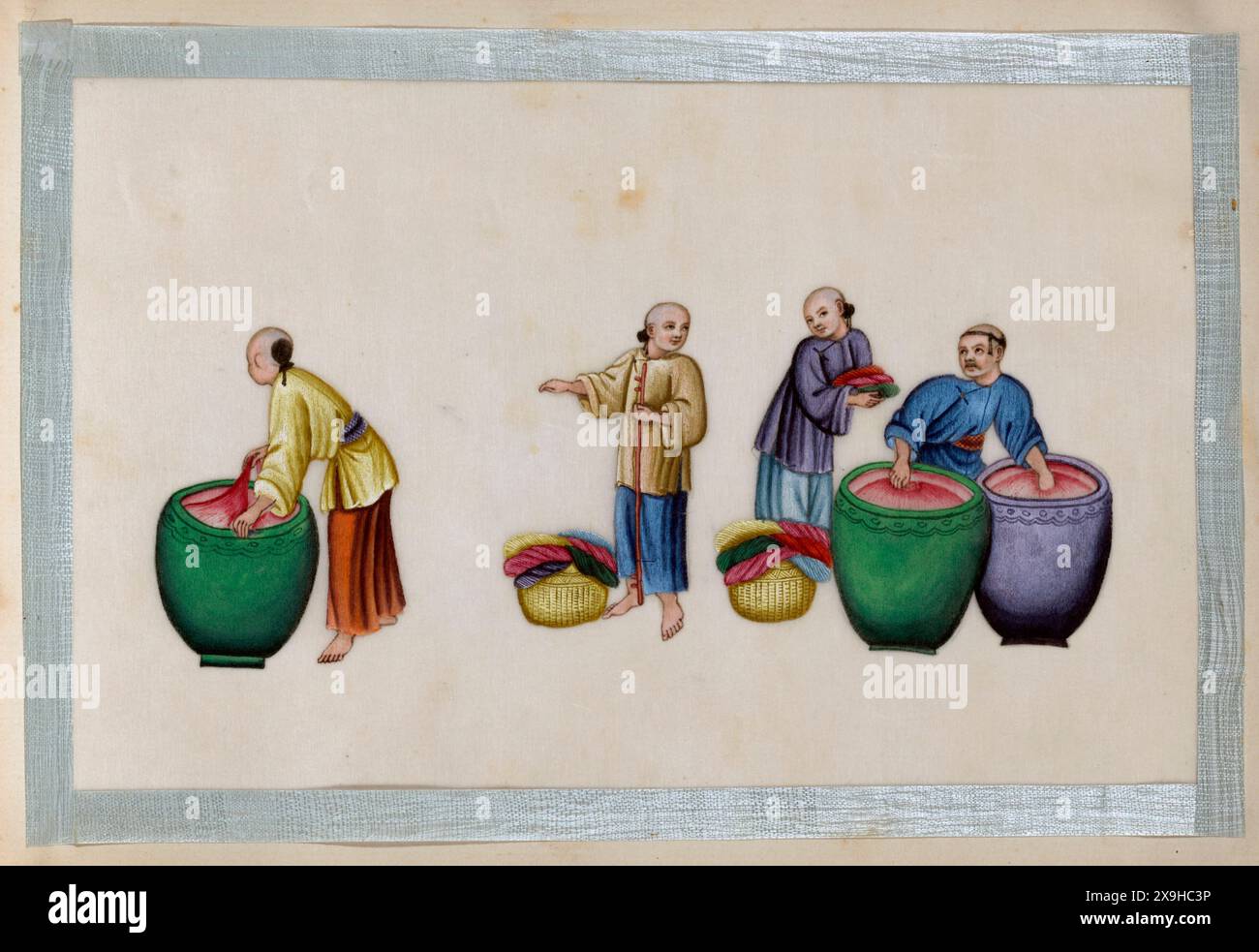
RF2X9HC3P鈥�Original painting on pith paper of Chinese silk production, part of the collection Zhongguo gu dai si chou zhi zuo tu ji 1850-1890. Original watercolour on pith paper backed on plain mianlin paper, pasted down with blue silk ribbon.
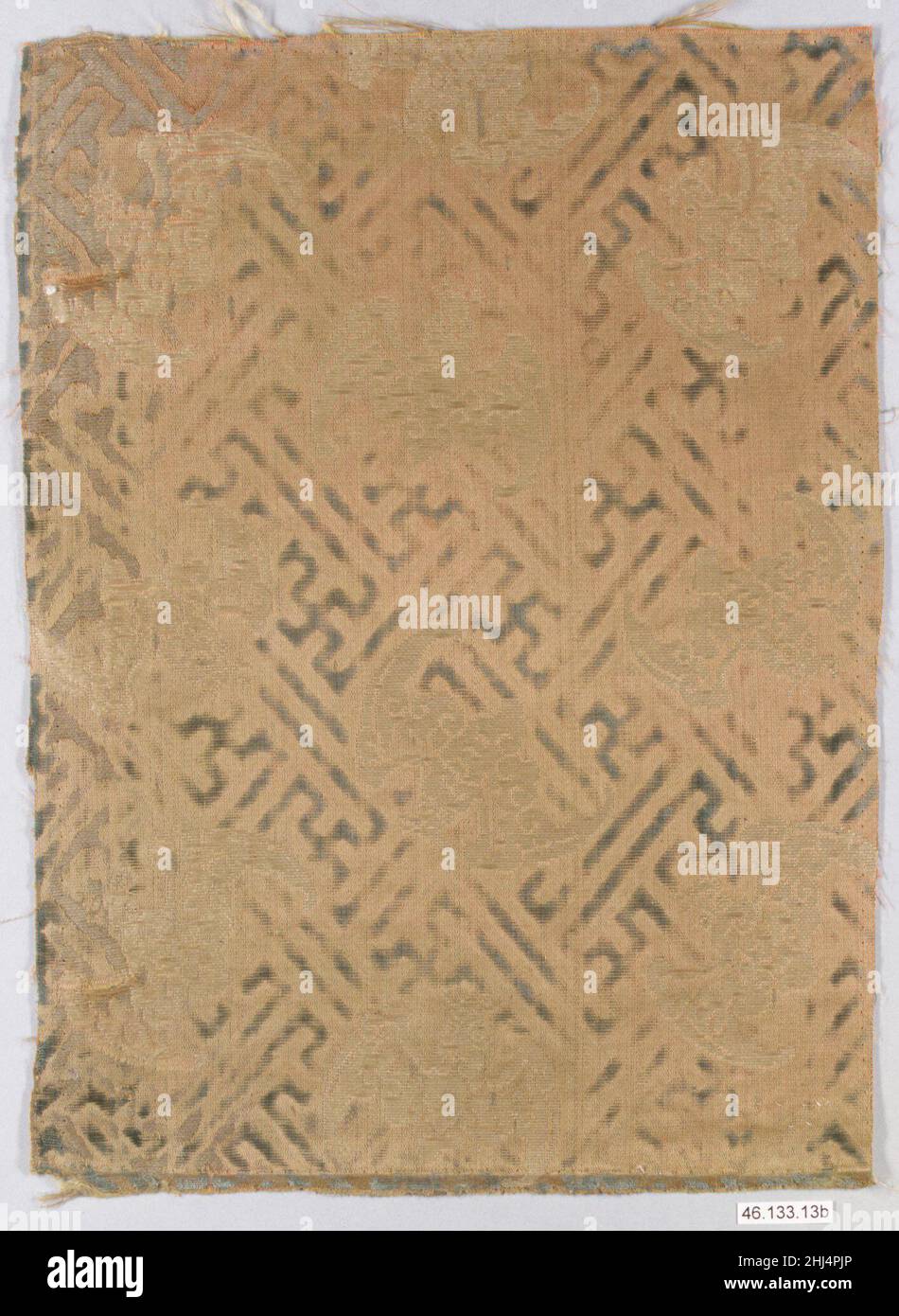
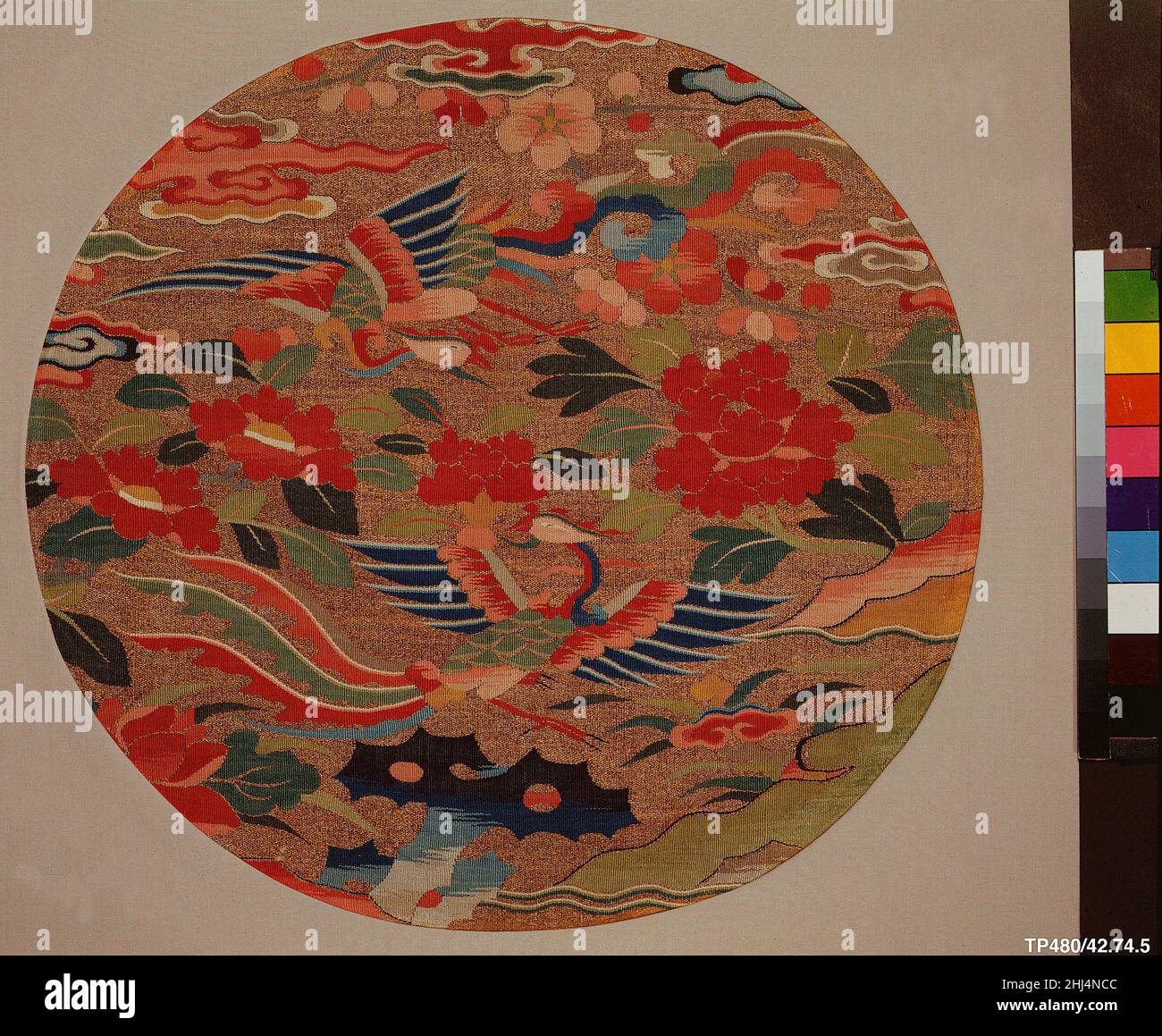
RM2HJ4NCC鈥�Circular textile with two phoenixes 16th鈥�17th century China This textile features a pair of phoenixes on a golden background among flowers of various seasons; clockwise from the lower left, they are lotus, camellia, prunus, tree peony, and auspicious fungus. The composition is anchored at the bottom by a garden rock.. Circular textile with two phoenixes 69209
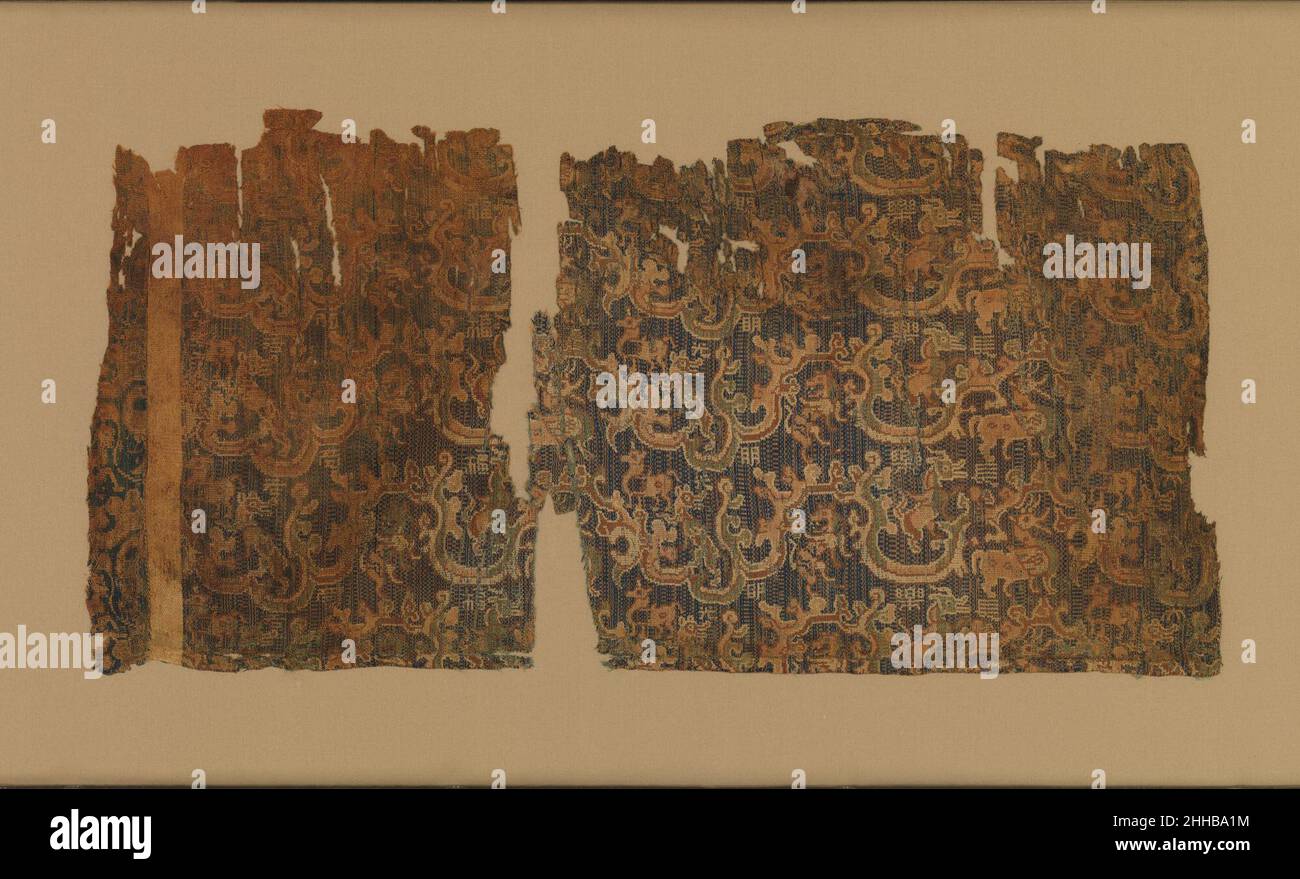
RM2HHBA1M鈥�Textile with animals and woven inscription 1st鈥�3rd century China On this colorful textile, several lively creatures climbing cloudlike mountains are interspersed with Chinese characters that form an incomplete auspicious inscription. The pattern of animals and clouds was popular on Chinese silks from the Han to the Jin dynasty (ca. 1st鈥�3rd century). Textiles with such patterns have been found at archaeological sites all over China, including in the far west, and were often referred to in contemporary documents by complete or partial inscriptions. The inscription on this work includes the chara