Quick filters:
Micrograph Stock Photos and Images
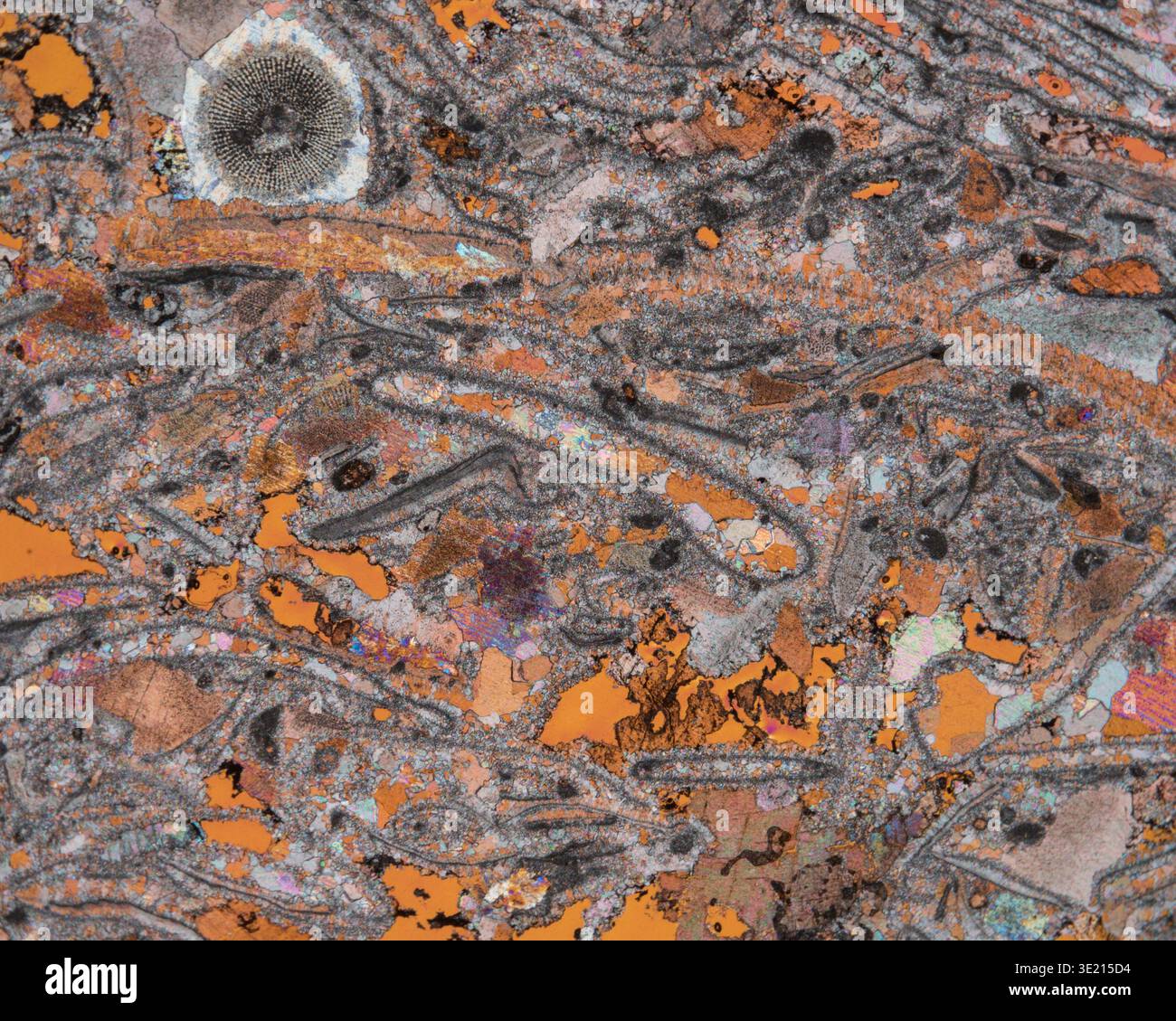
RM3E215D4鈥�Polarised light micrograph of crinoidal limestone from the Upper Muschelkalk formation, Hornle, Mottlingen, Germany. This rock was formed about 235 million years ago. It is named for the crinoid fossil remains found in it. Other fossils found in this rock include molluscs, mussels, brachiopods and snails. Magnification: x30 when printed at 15 centimetres wide.
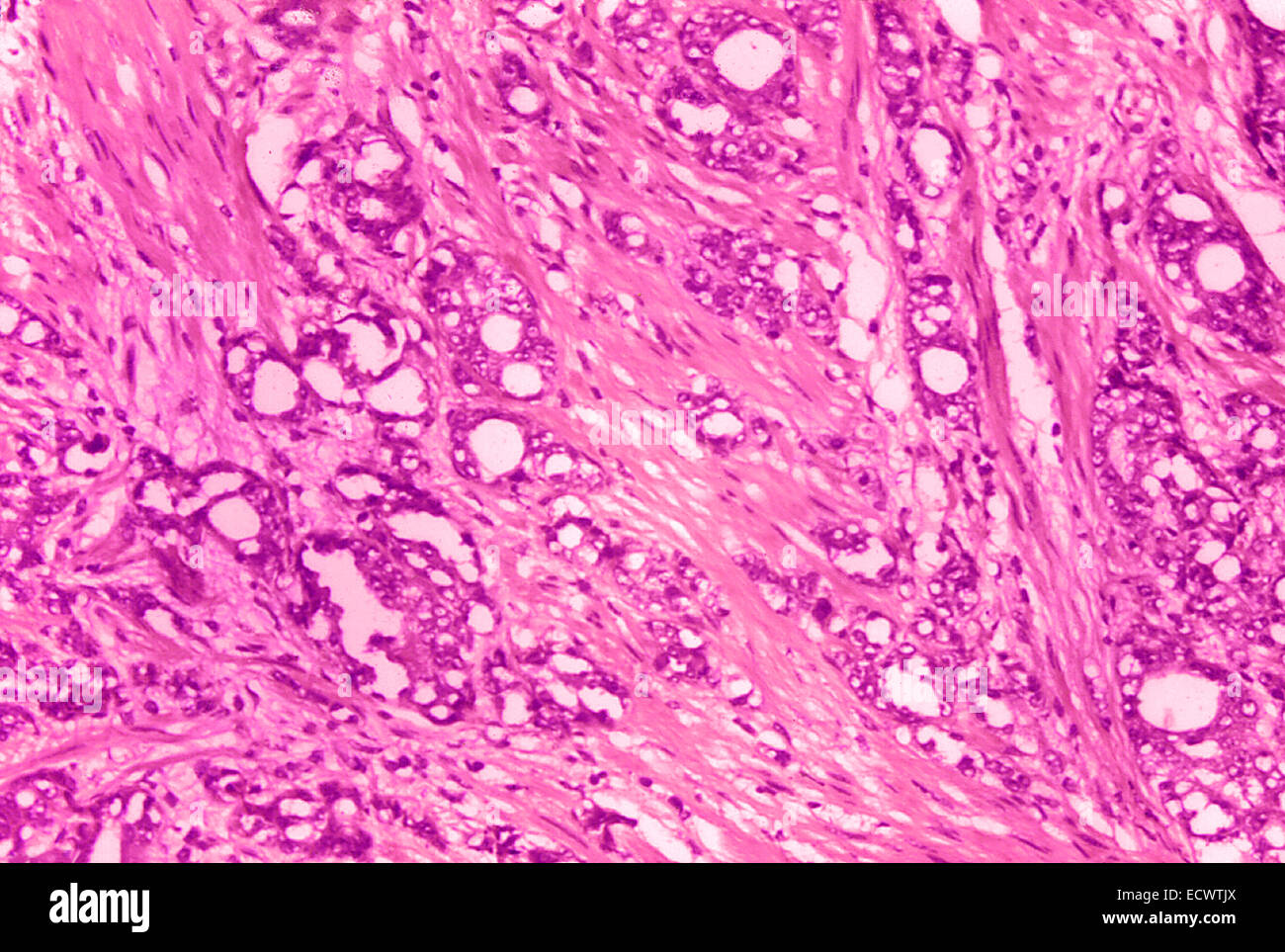
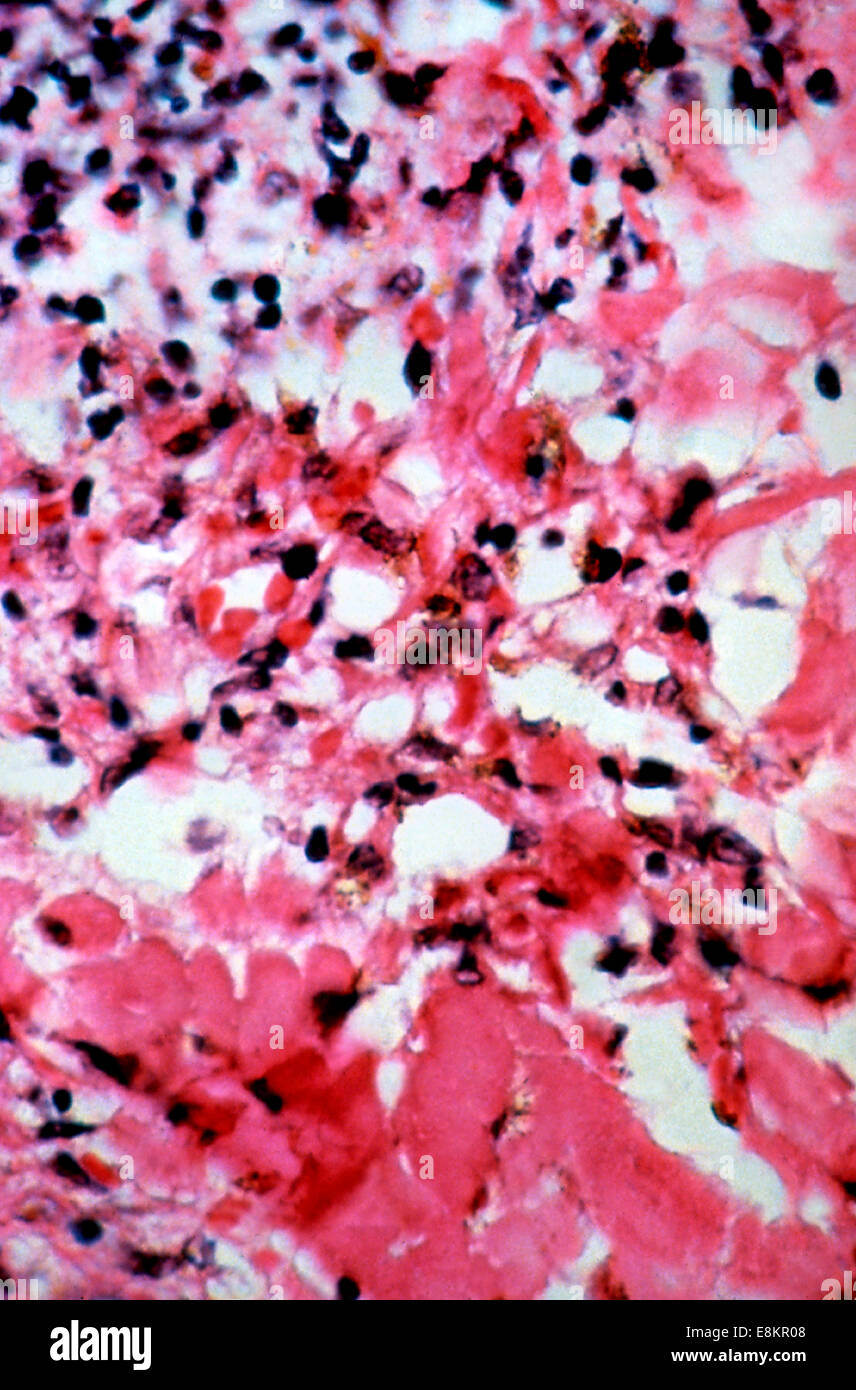
RME8KR08鈥�This micrograph depicts histopathologic changes found in case of Kaposi聮s sarcoma lesions This skin biopsy of what turned out

RFH3PAEG鈥�Computer chip. Light micrograph taken with episcopic lighting and Normarski Interference Contrast (DIC) of a detail of a microchip on a silicon wafer. Horizontal object size of this section: 0.6 mm.
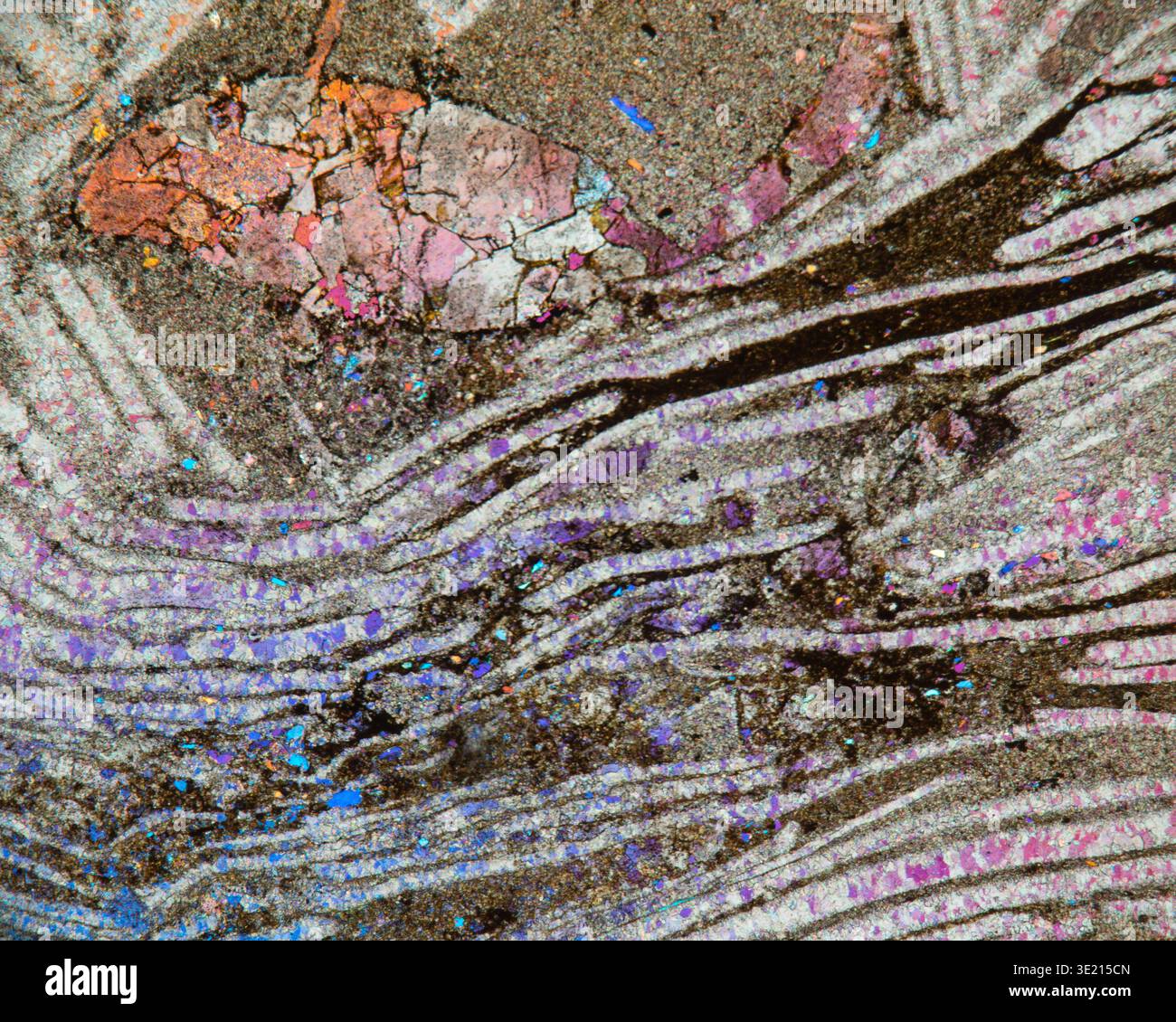
RM3E215CN鈥�Polarised light micrograph of Middle Triassic Muschelkalk limestone from a landfill near Ostelsheim, Black Forest, Germany. Layers of mussel shells can be seen. These rocks were formed around 235 million years ago from the deposits of a shallow sea. The limestone contains fossil remnants of molluscs, mussels, brachiopods and snails. Magnification: x30 when printed at 12 centimetres wide.
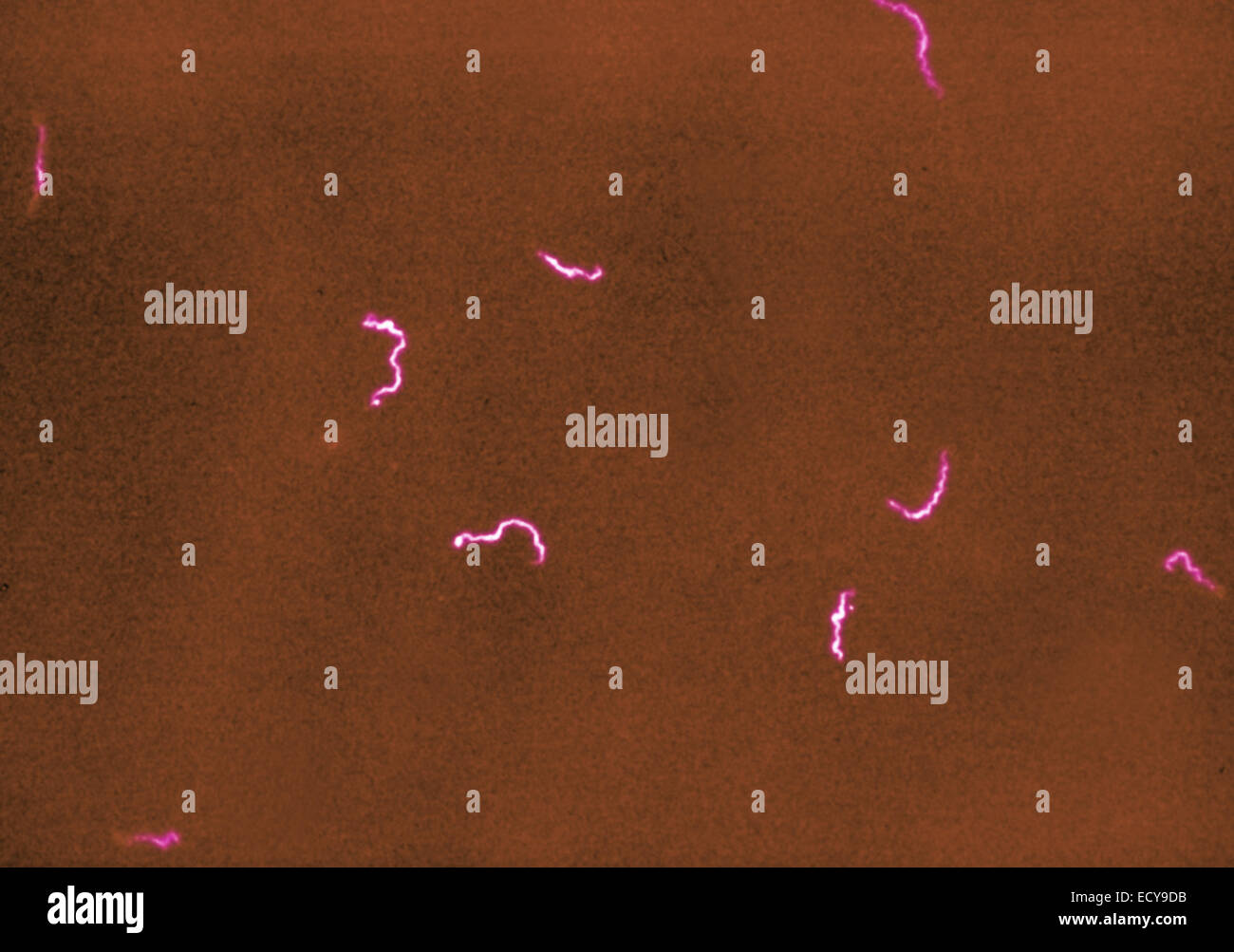
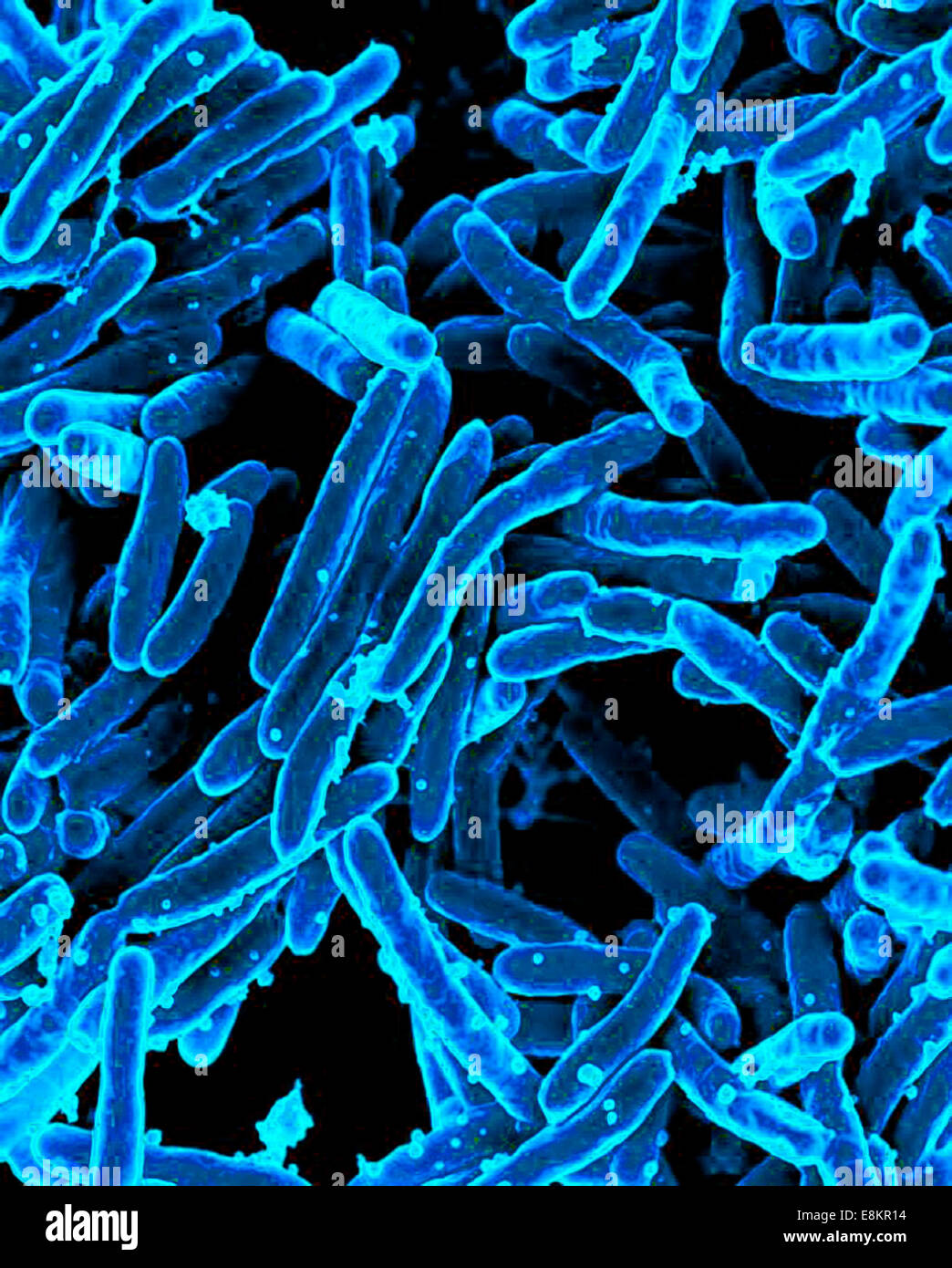
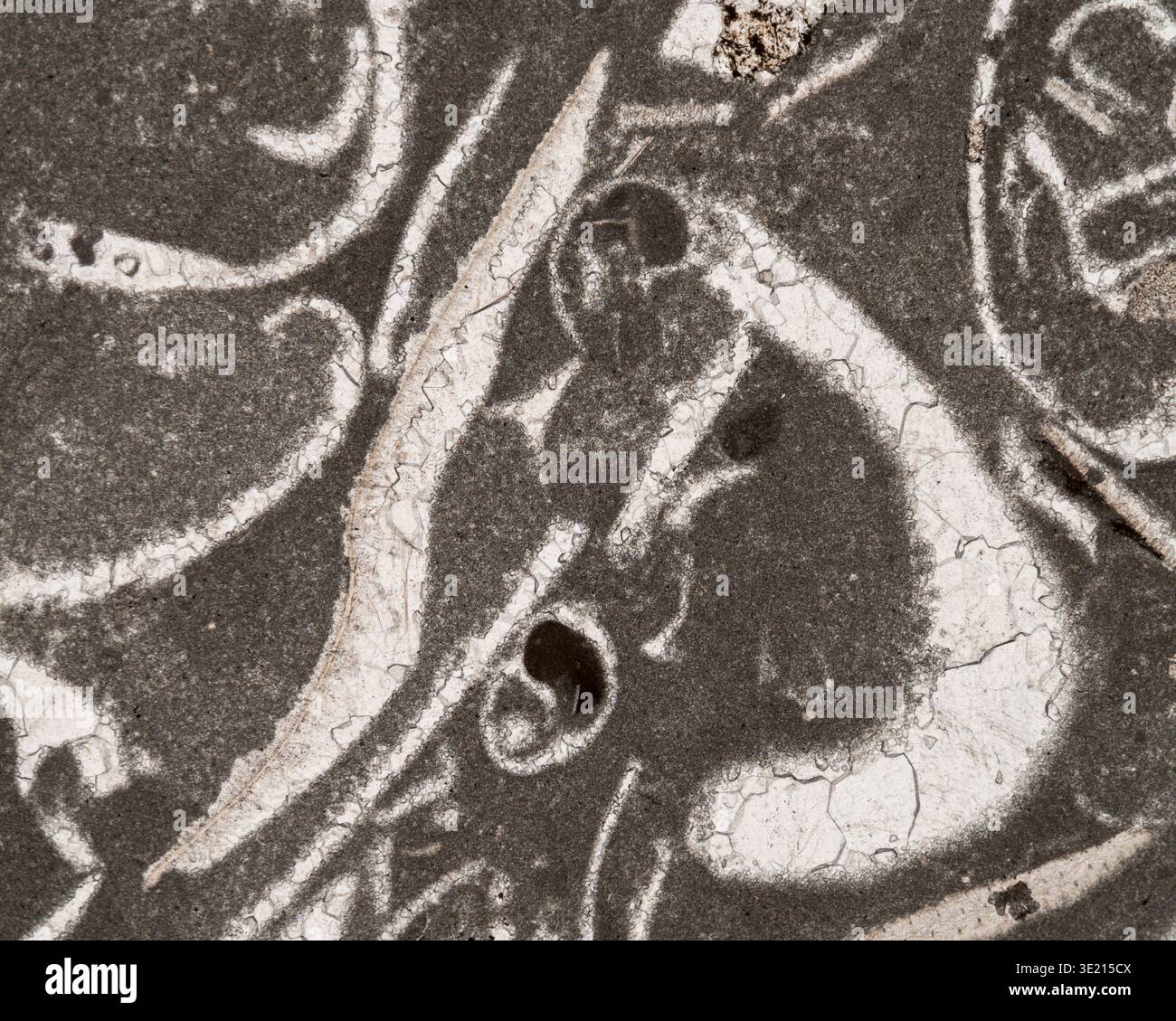
RM3E215CX鈥�Light micrograph of crinoidal limestone from the Upper Muschelkalk formation, Hornle, Mottlingen, Germany. This rock was formed about 235 million years ago. It is named for the crinoid fossil remains found in it. Other fossils found in this rock include molluscs, mussels, brachiopods and snails. Magnification: x60 when printed at 15 centimetres wide.
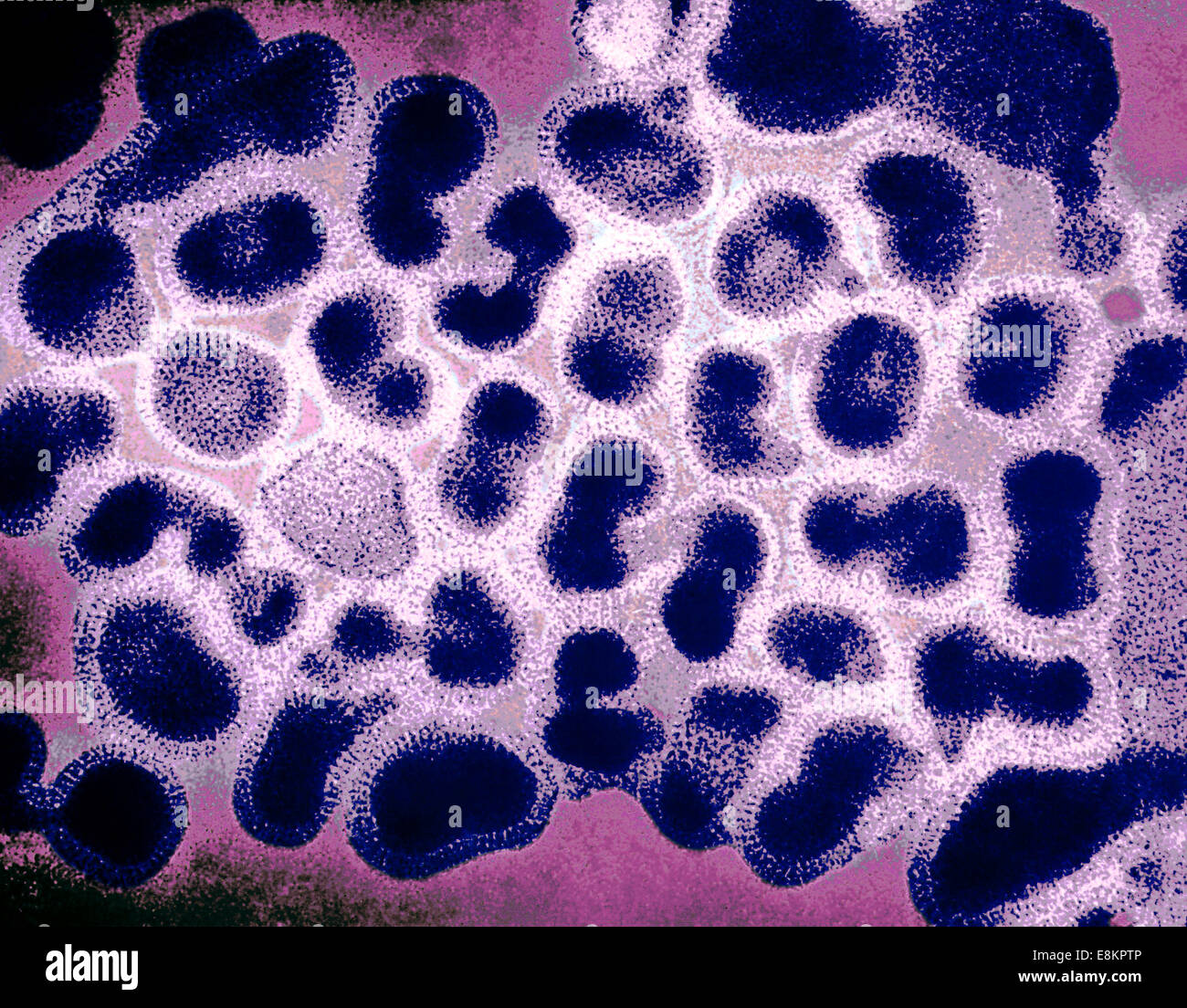
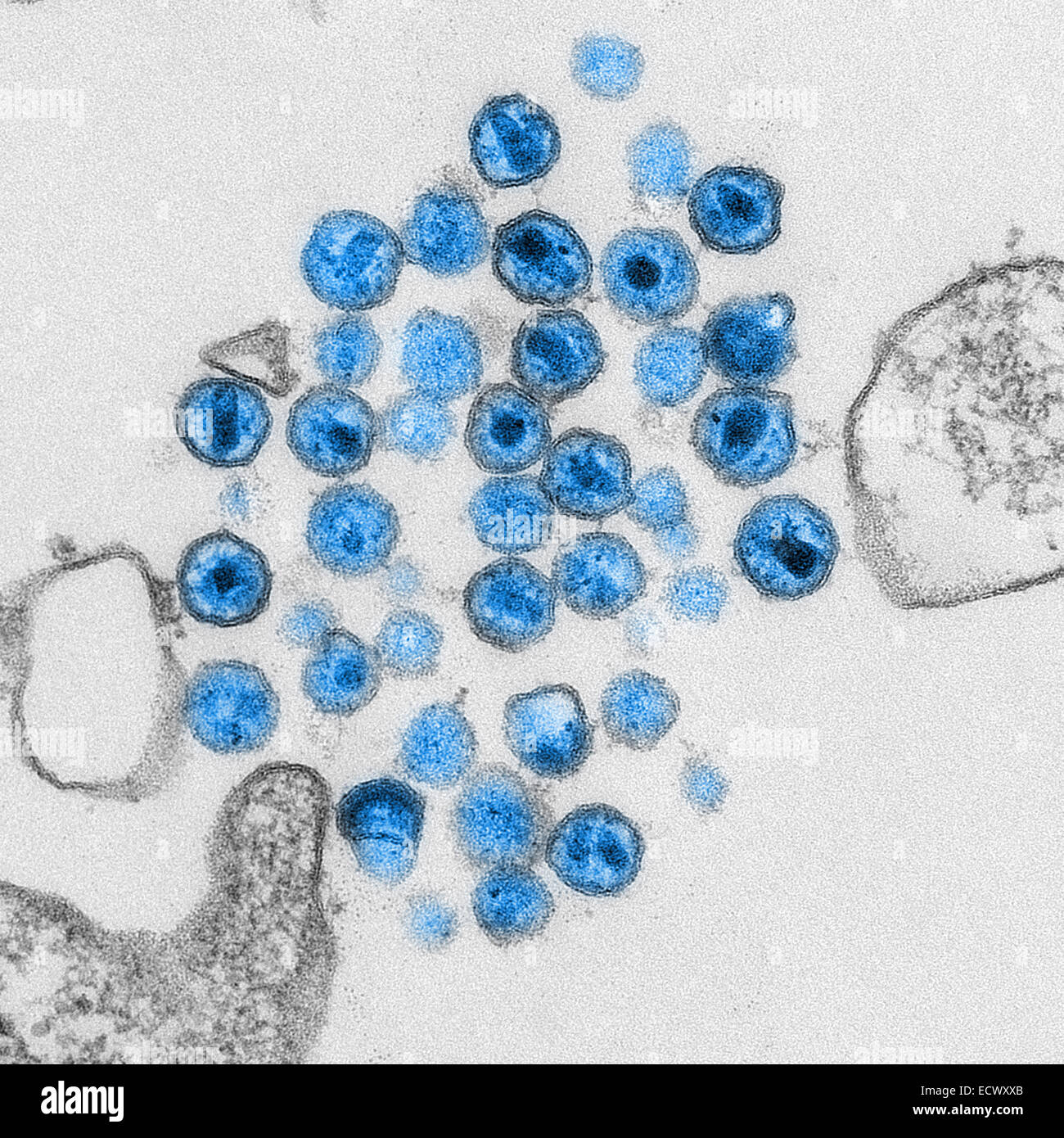
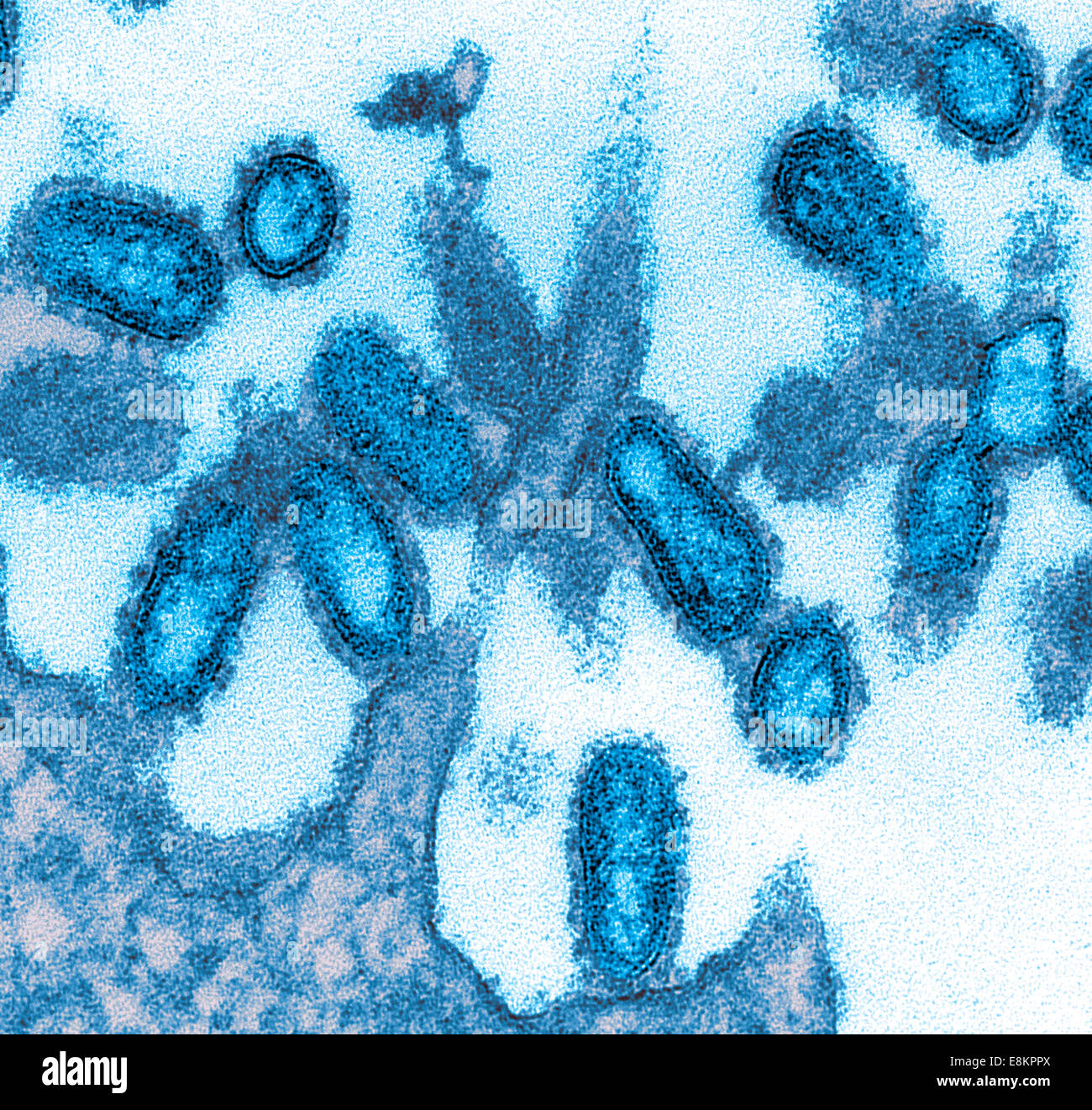
RME8KPTP鈥�This colorized transmission electron micrograph (TEM) depicts numbers of influenza virions while in their late passage growth
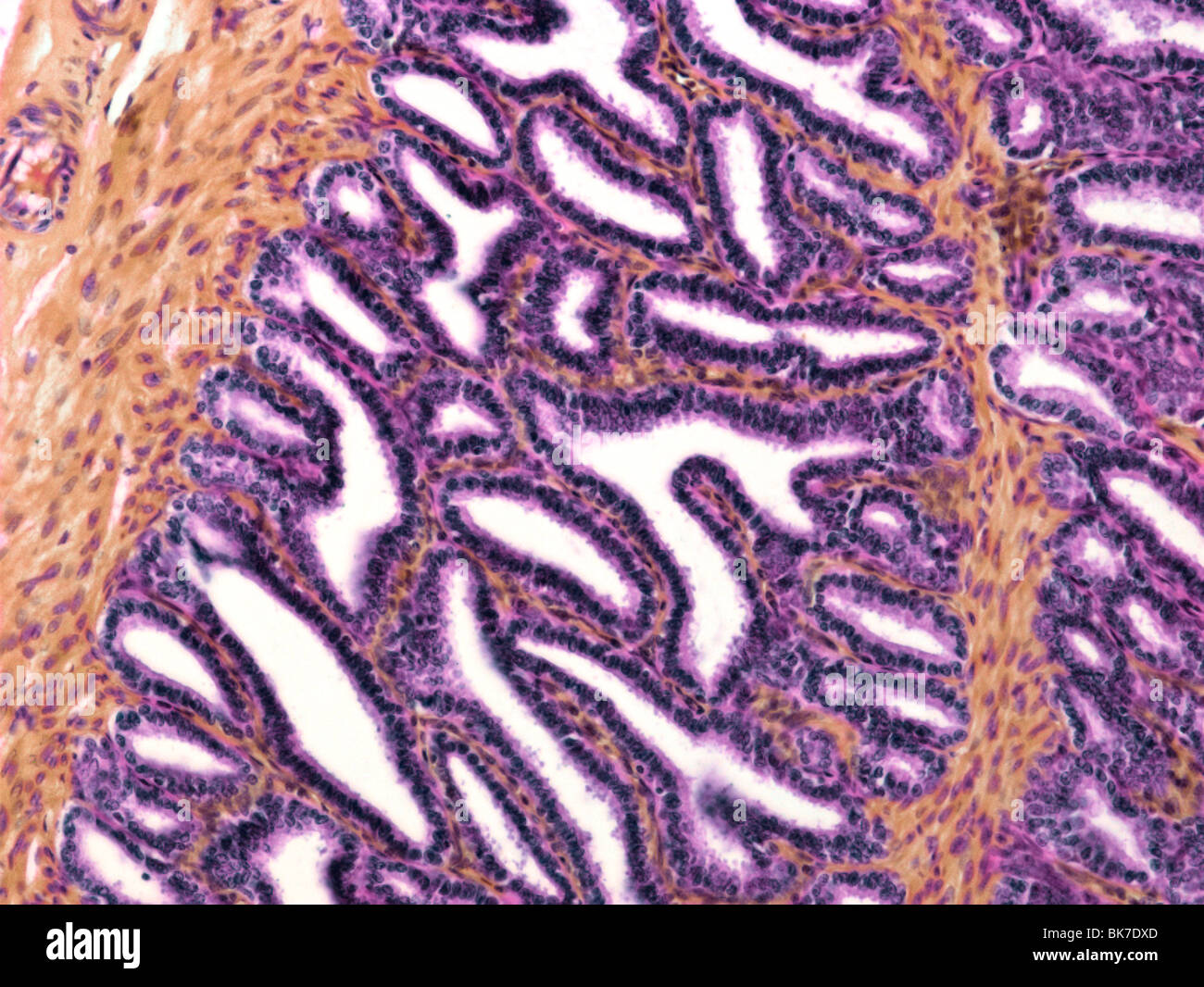
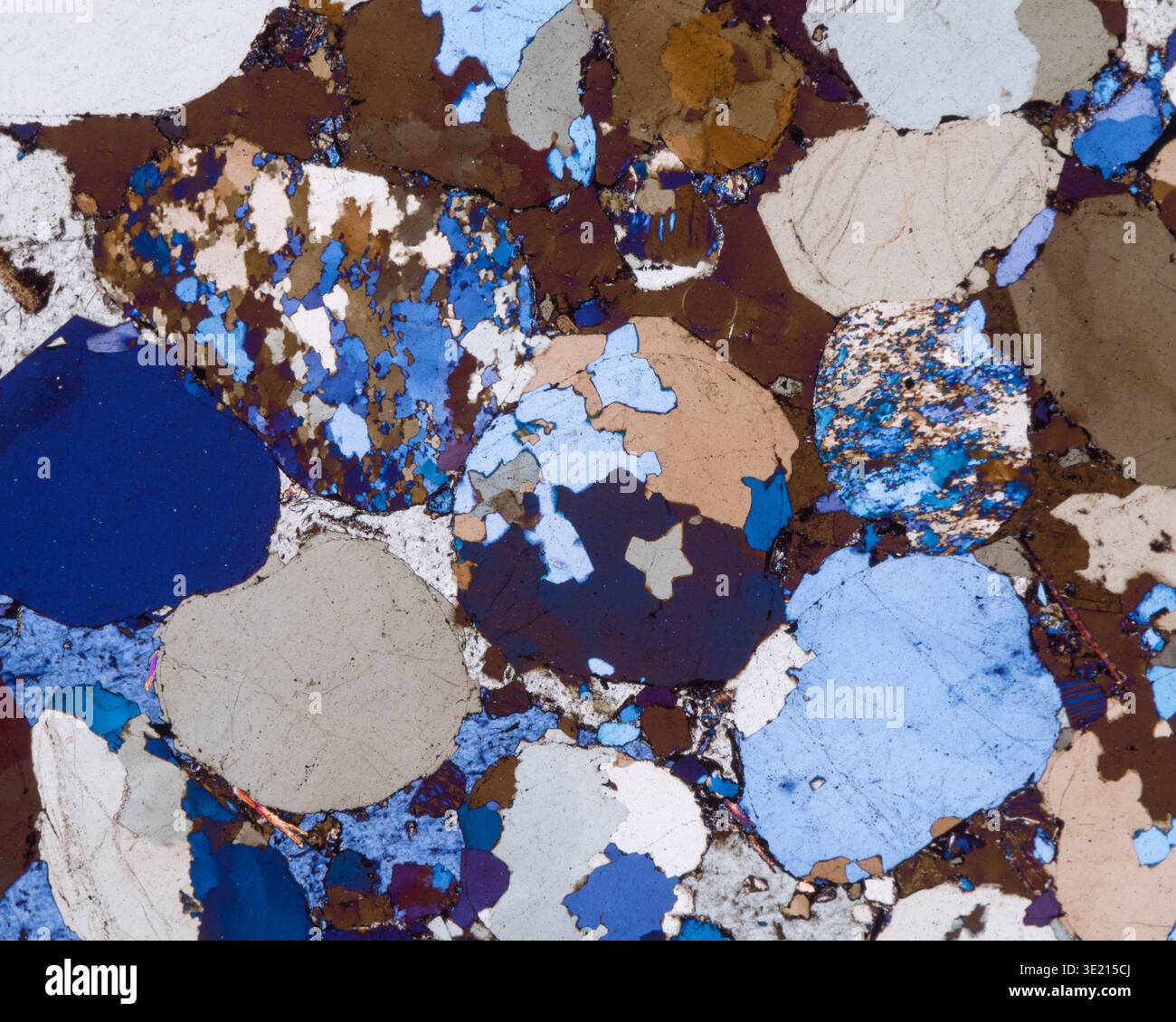
RM3E215CJ鈥�Polarised light micrograph of Middle Bunter sandstone from a boulder field in Welzberg by Calw, Black Forest, Germany. Bunter sandstone mainly consists of sandstone layers of the Lower Triassic series. It is one of three characteristic Triassic units, together with the Muschelkalk and Keuper that form the Germanic Trias Supergroup. Bunter sandstone is similar in age, facies and lithology to the Bunter of the British Isles. It normally lies above Permian Zechstein and below Muschelkalk. It formed between 251 and 243 million years ago. Magnification: x60 when printed at 15 centimetres wide.


RFH3PAEF鈥�Computer chip. Light micrograph taken with episcopic lighting and Normarski Interference Contrast (DIC) of a detail of a microchip on a silicon wafer. Horizontal object size of this section: 0.6 mm.
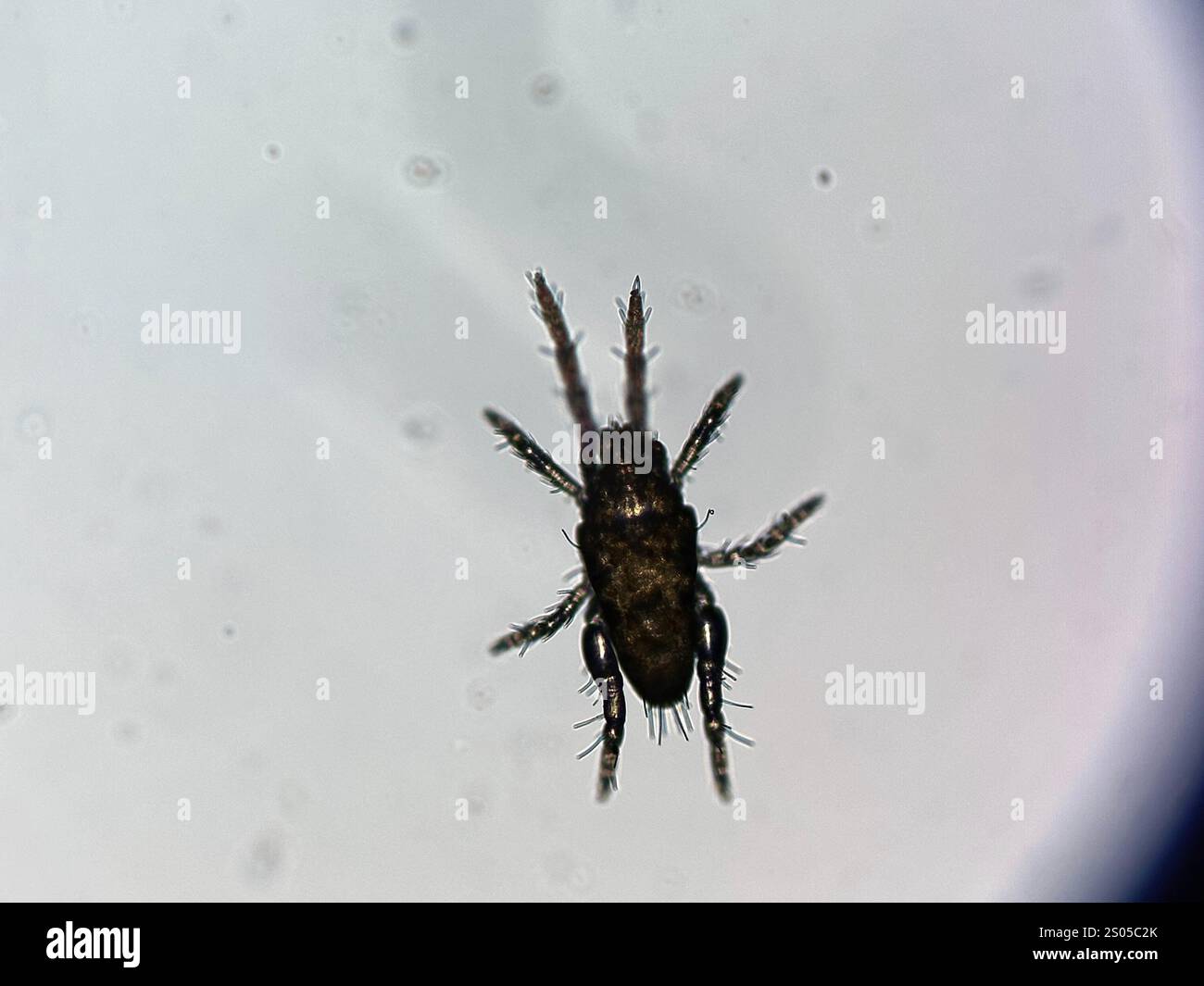
RM2S05C2K鈥�Light micrograph of a chicken mite (Demanyssus gallinae). The chicken mite is an ectoparasite with eight legs with claws at the tips for clinging to the host, and setae all over the body. This mite feeds at night on the blood of chickens. They can cause anaemia and transmit diseases, which lowers the egg production.
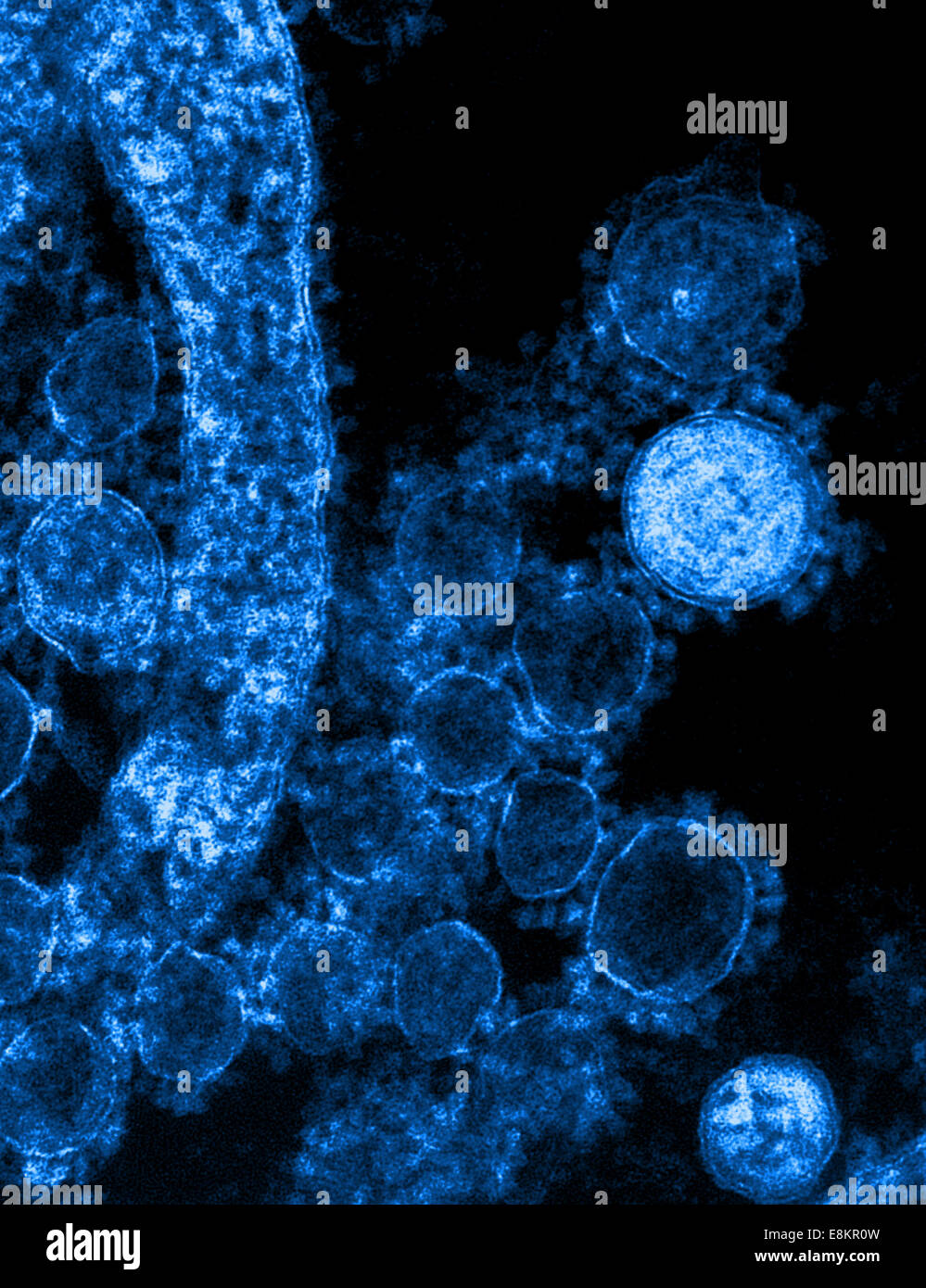
RME8KR0W鈥�Colorized transmission electron micrograph showing particles of Middle East respiratory syndrome coronavirus that emerged in

RFH3PAEE鈥�Computer chip. Light micrograph taken with episcopic lighting and Normarski Interference Contrast (DIC) of a detail of a microchip on a silicon wafer. Horizontal object size of this section: 0.6 mm.

RM3E215CD鈥�Light micrograph of Middle Bunter sandstone from a boulder field in Welzberg by Calw, Black Forest, Germany. Bunter sandstone mainly consists of sandstone layers of the Lower Triassic series. It is one of three characteristic Triassic units, together with the Muschelkalk and Keuper that form the Germanic Trias Supergroup. Bunter sandstone is similar in age, facies and lithology to the Bunter of the British Isles. It normally lies above Permian Zechstein and below Muschelkalk. It formed between 251 and 243 million years ago. Magnification: x60 when printed at 15 centimetres wide.

RFH3PAED鈥�Computer chip. Light micrograph taken with episcopic lighting and Normarski Interference Contrast (DIC) of a detail of a microchip on a silicon wafer. Horizontal object size of this section: 0.6 mm.
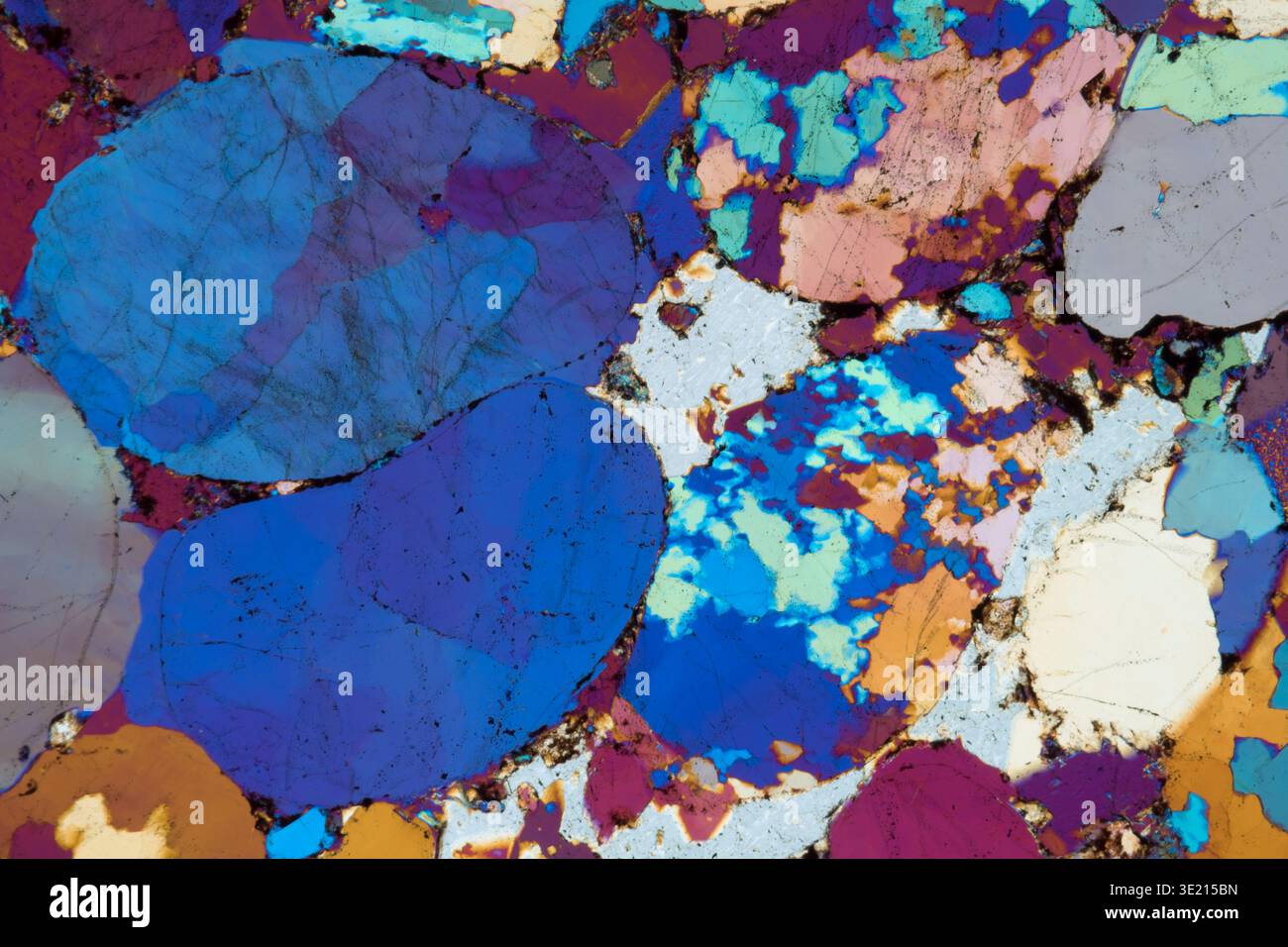
RM3E215BN鈥�Polarised light micrograph of Middle Bunter sandstone from a boulder field in Welzberg by Calw, Black Forest, Germany. Bunter sandstone mainly consists of sandstone layers of the Lower Triassic series. It is one of three characteristic Triassic units, together with the Muschelkalk and Keuper that form the Germanic Trias Supergroup. Bunter sandstone is similar in age, facies and lithology to the Bunter of the British Isles. It normally lies above Permian Zechstein and below Muschelkalk. It formed between 251 and 243 million years ago. Magnification: x60 when printed at 15 centimetres wide.
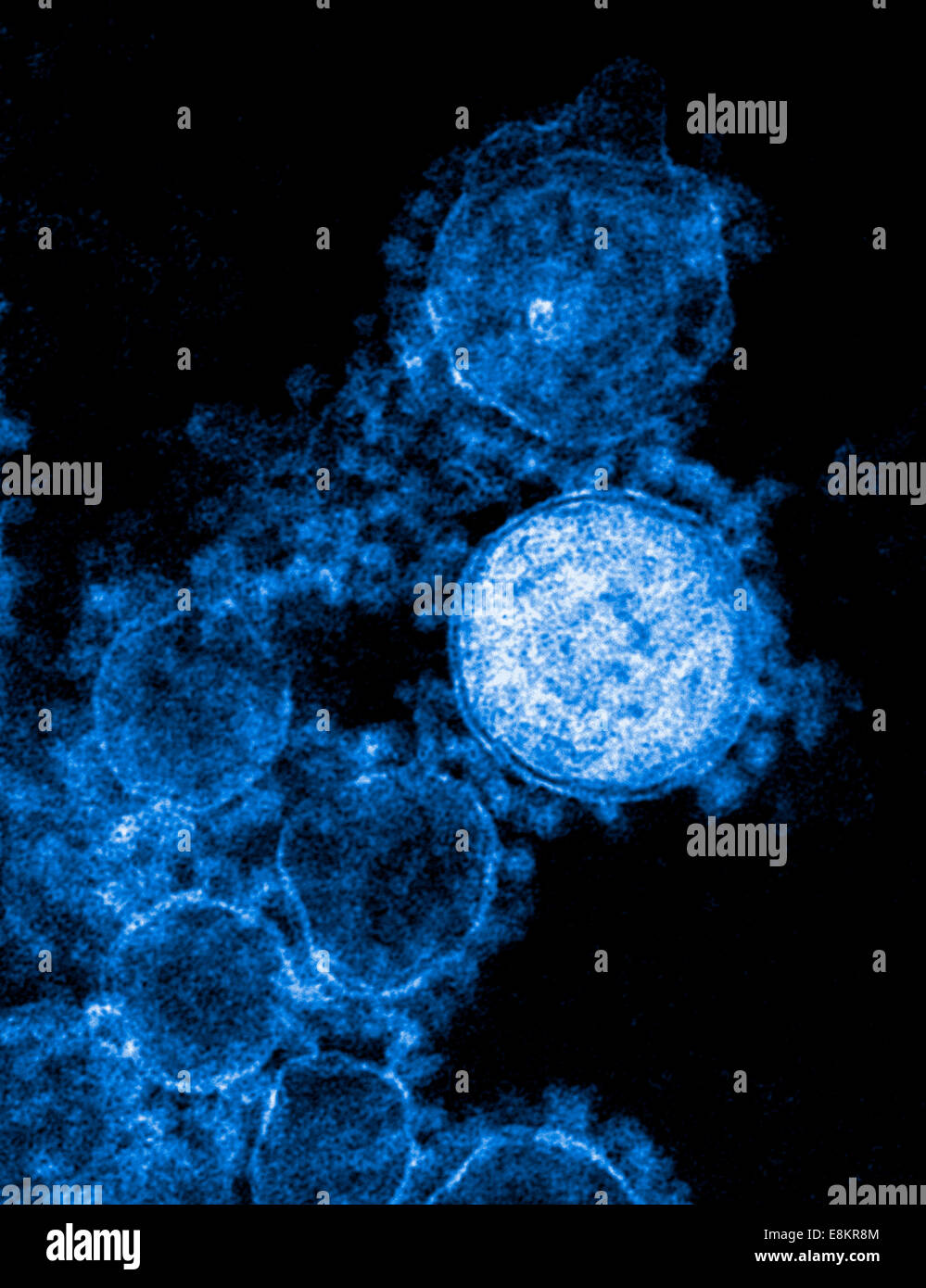
RME8KR8M鈥�Colorized transmission electron micrograph showing particles of Middle East respiratory syndrome coronavirus that emerged in
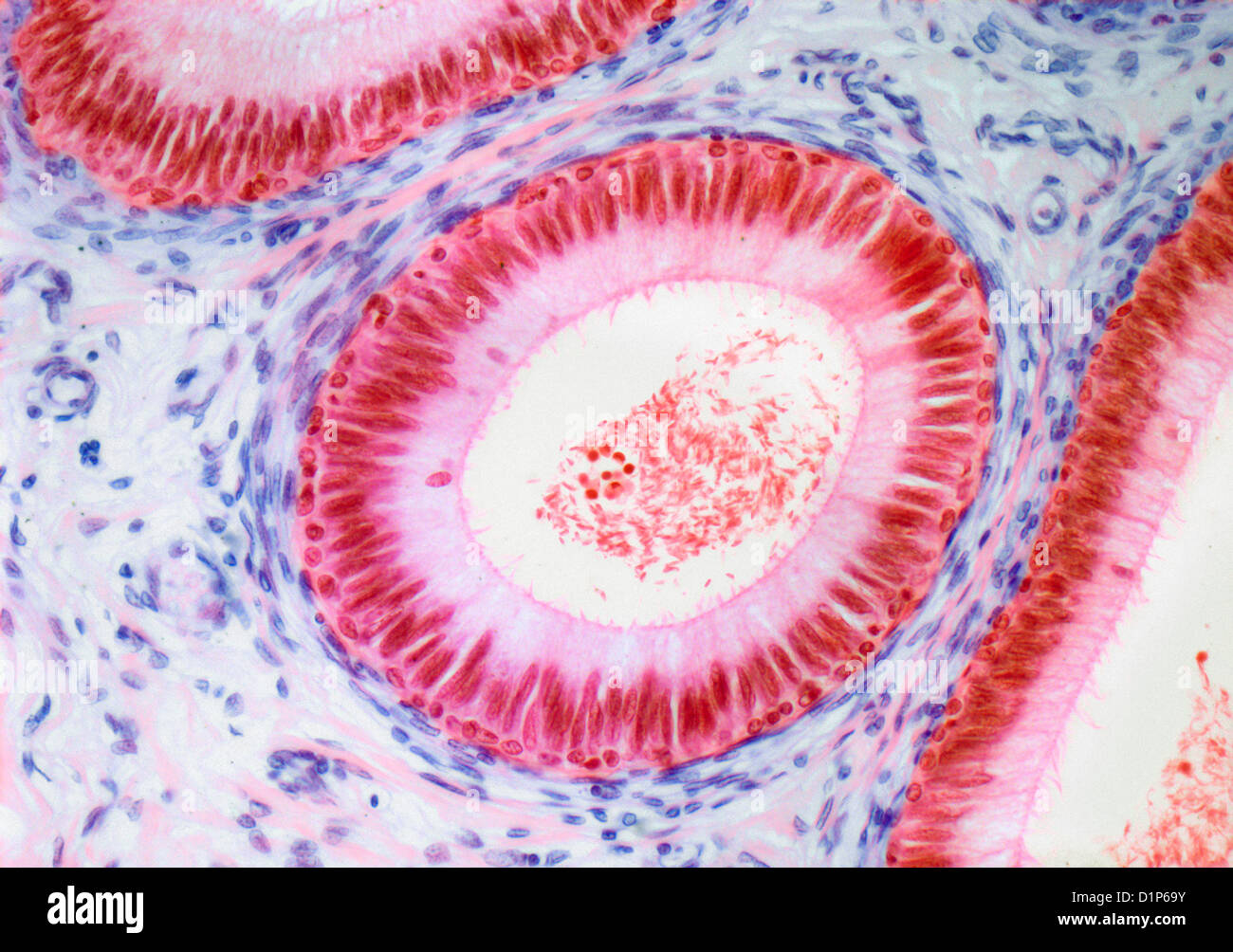
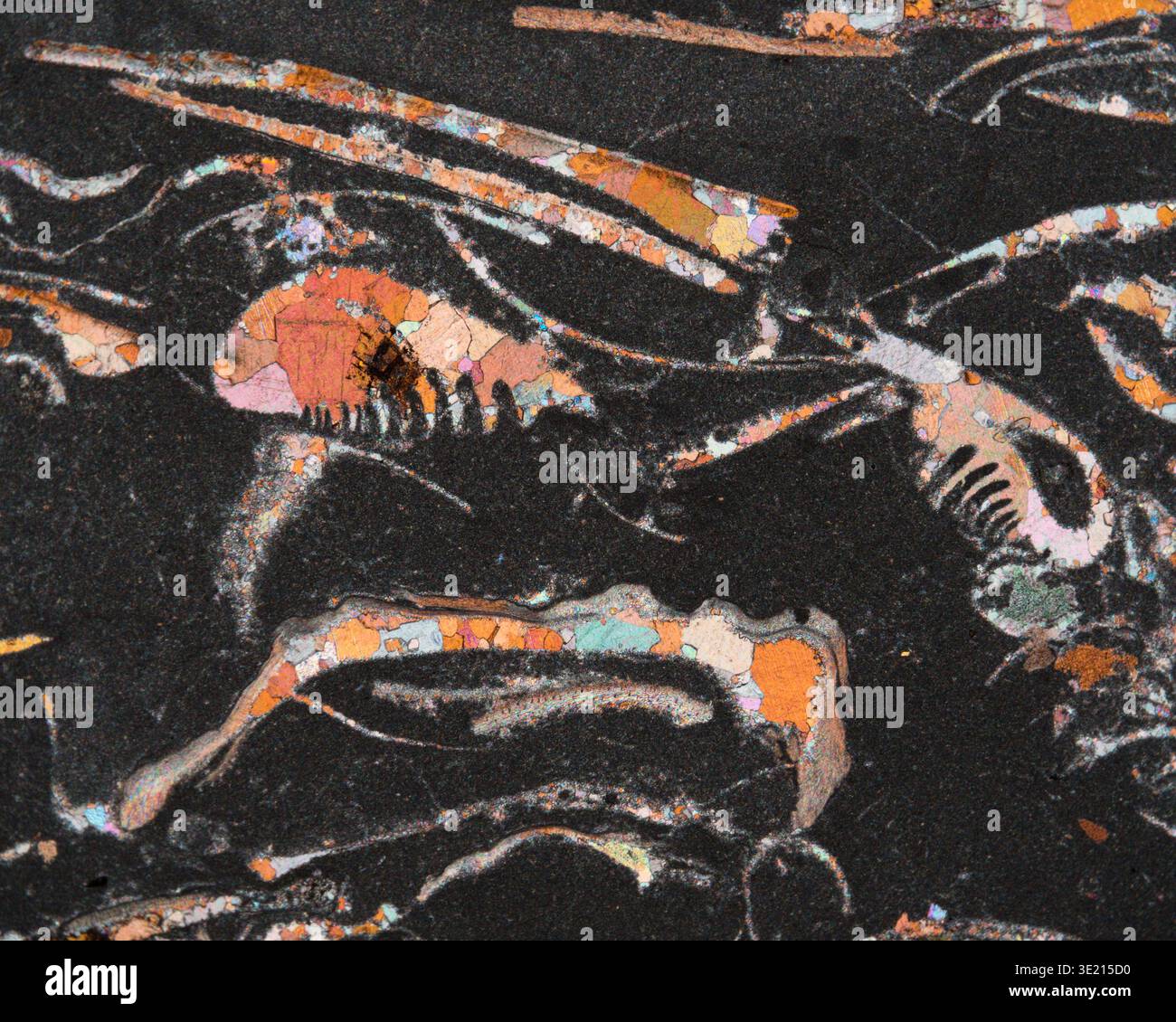
RM3E215D0鈥�Polarised light micrograph of crinoidal limestone from the Upper Muschelkalk formation, Hornle, Mottlingen, Germany. This rock was formed about 235 million years ago. It is named for the crinoid fossil remains found in it. Other fossils found in this rock include molluscs, mussels, brachiopods and snails. Magnification: x30 when printed at 15 centimetres wide.

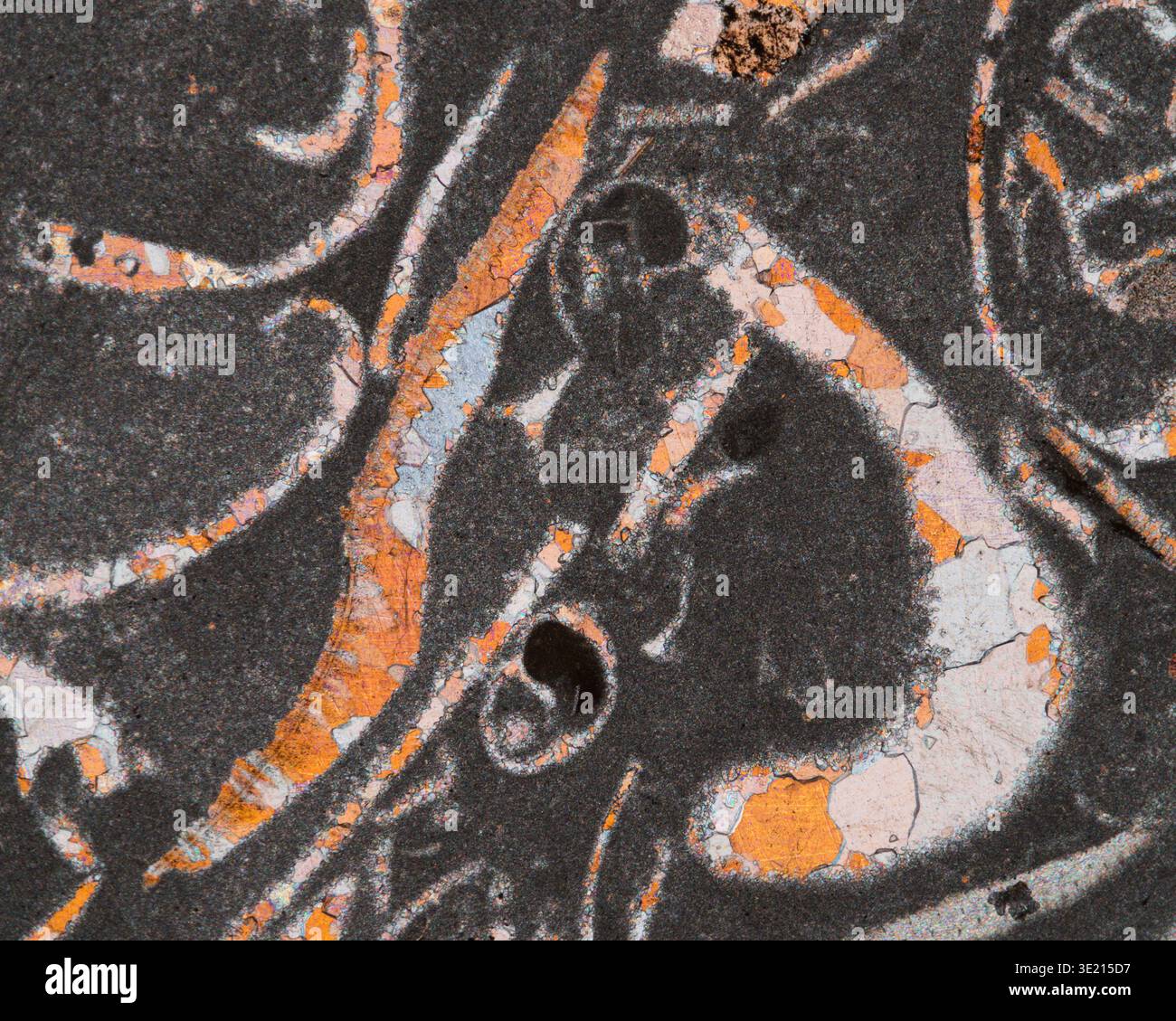
RM3E215D7鈥�Polarised light micrograph of crinoidal limestone from the Upper Muschelkalk formation, Hornle, Mottlingen, Germany. This rock was formed about 235 million years ago. It is named for the crinoid fossil remains found in it. Other fossils found in this rock include molluscs, mussels, brachiopods and snails. Magnification: x60 when printed at 15 centimetres wide.
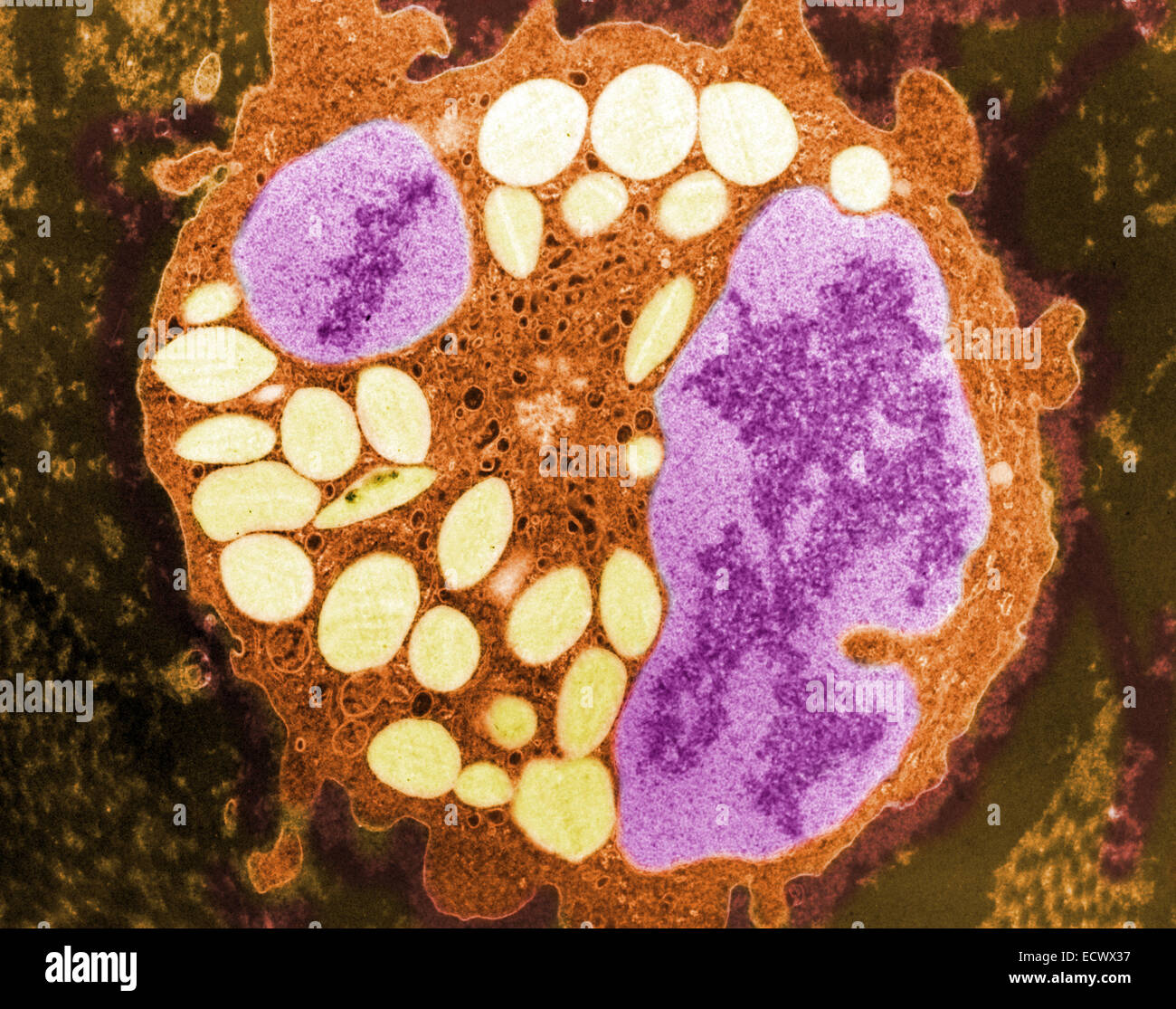
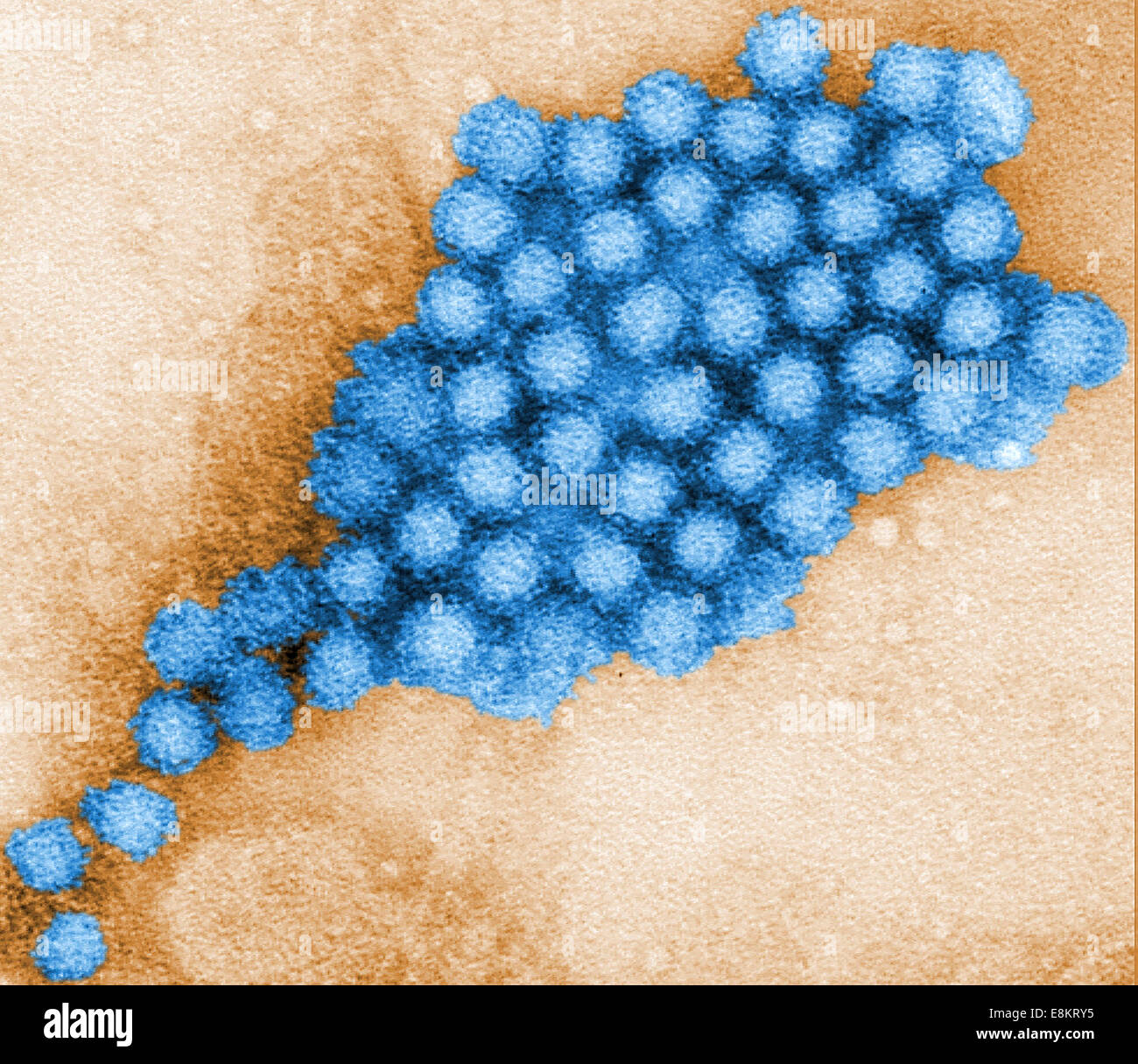
RME8KRY5鈥�This transmission electron micrograph (TEM) revealed some of ultrastructural morphology displayed by norovirus virions, or
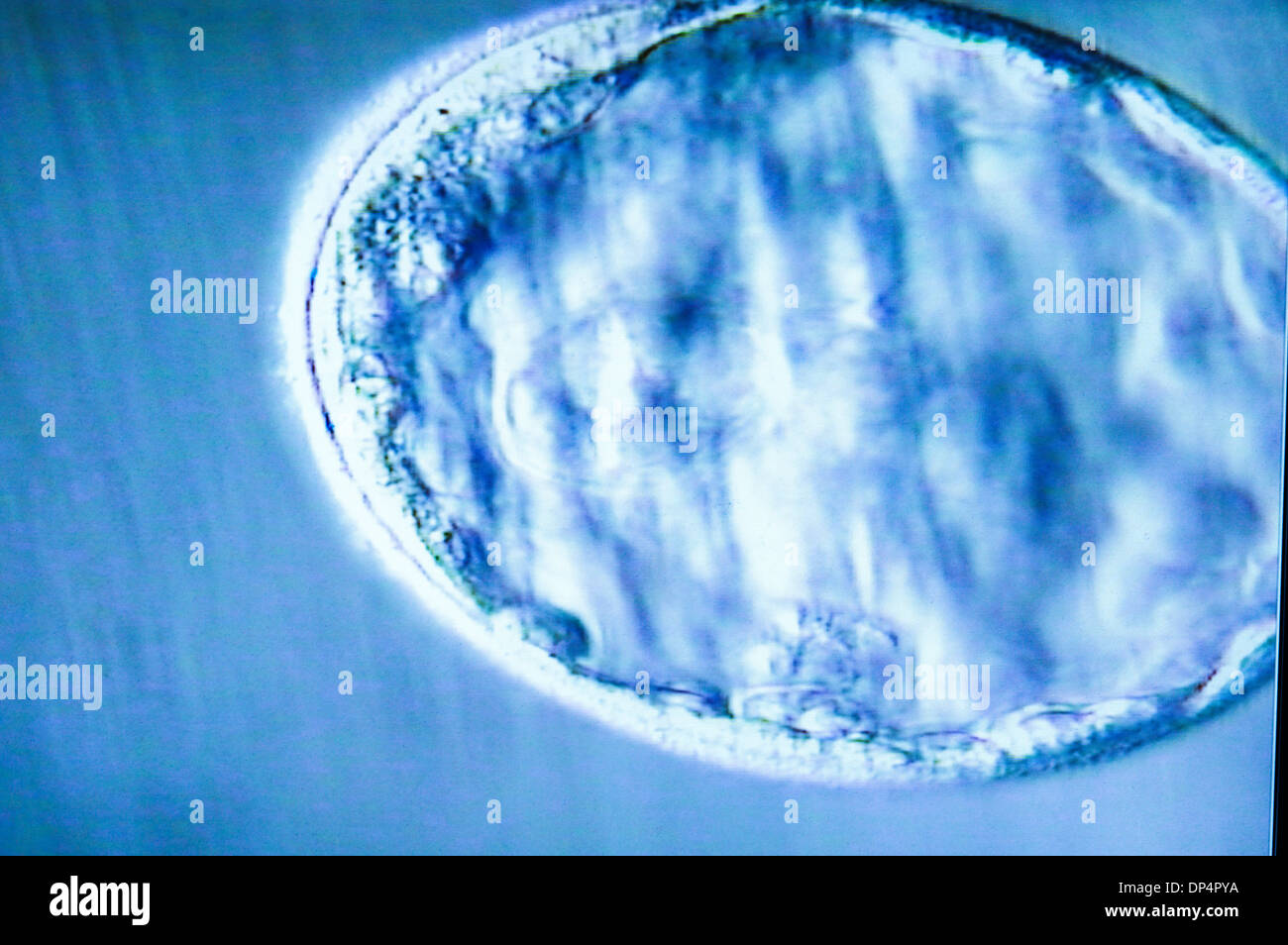
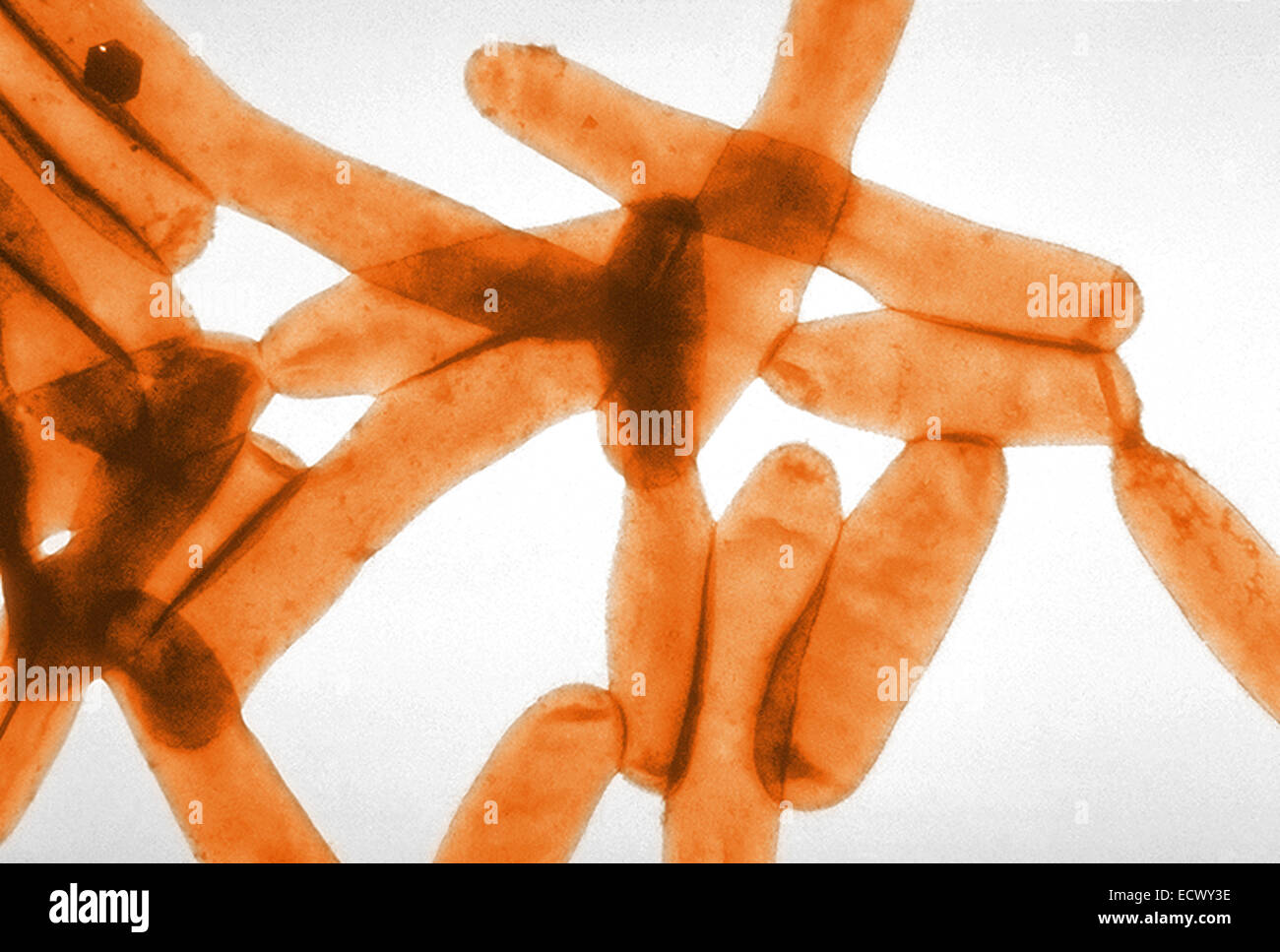
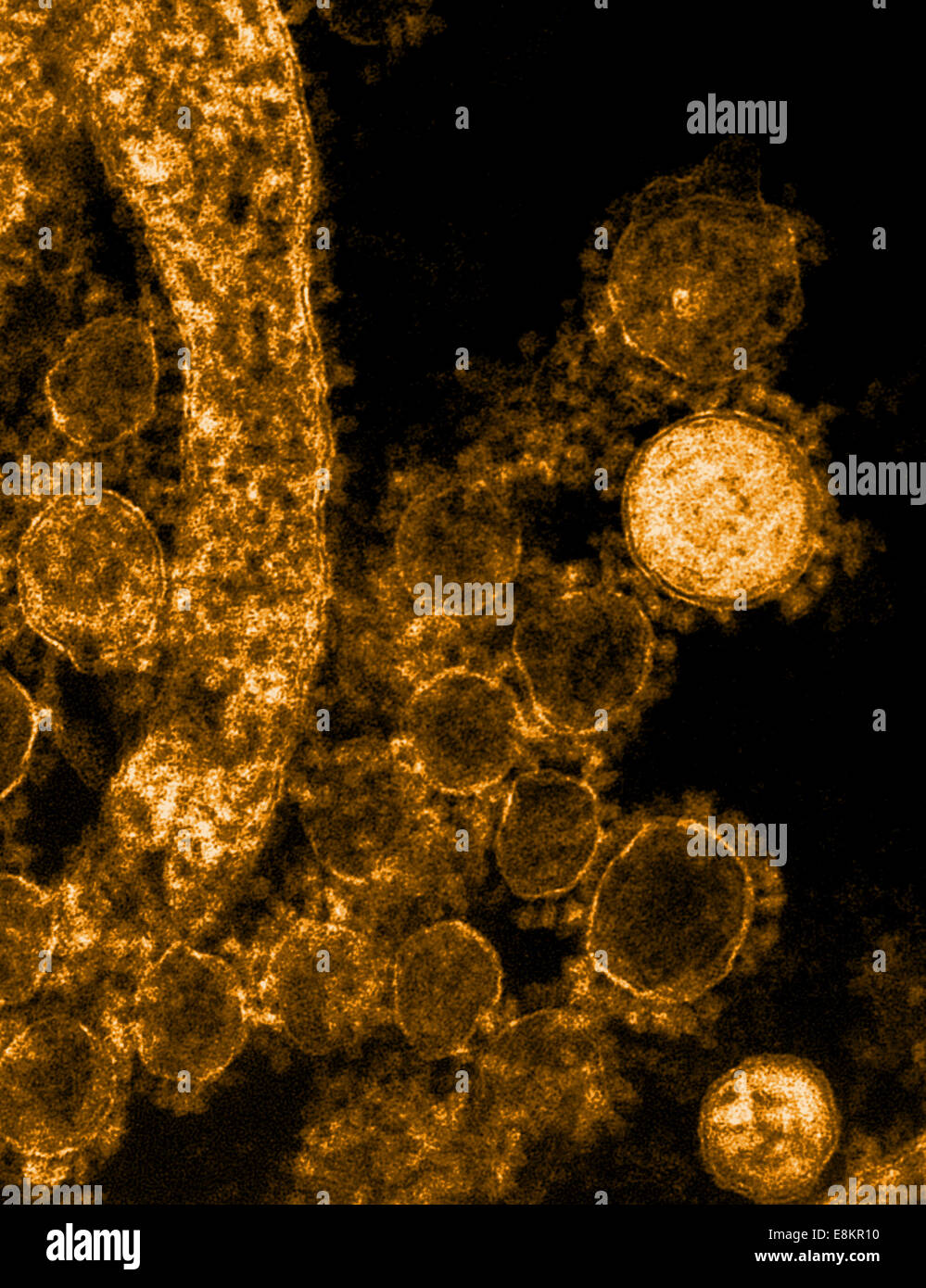
RME8KR10鈥�Colorized transmission electron micrograph showing particles of Middle East respiratory syndrome coronavirus that emerged in
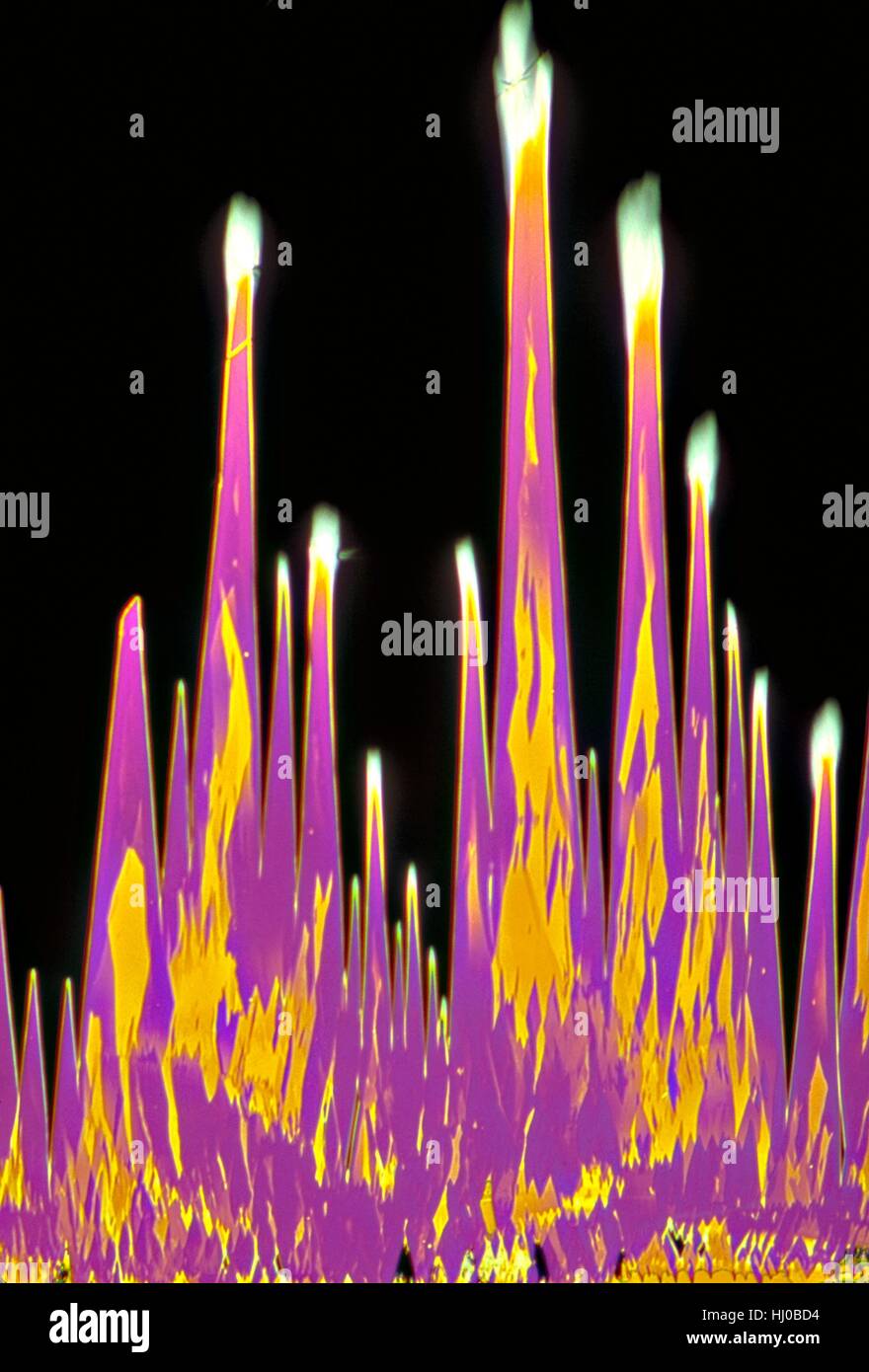
RFHJ0BD4鈥�Light micrograph (LM) of Nicotine crystals.Nicotine is an organic compound,an alkaloid found naturally throughout tobacco plant,with high concentration in leaves.It constitutes 0.3 to 5% of plant by dry weight.It is potent nerve poison is included in many insecticides.In lower concentrations,the
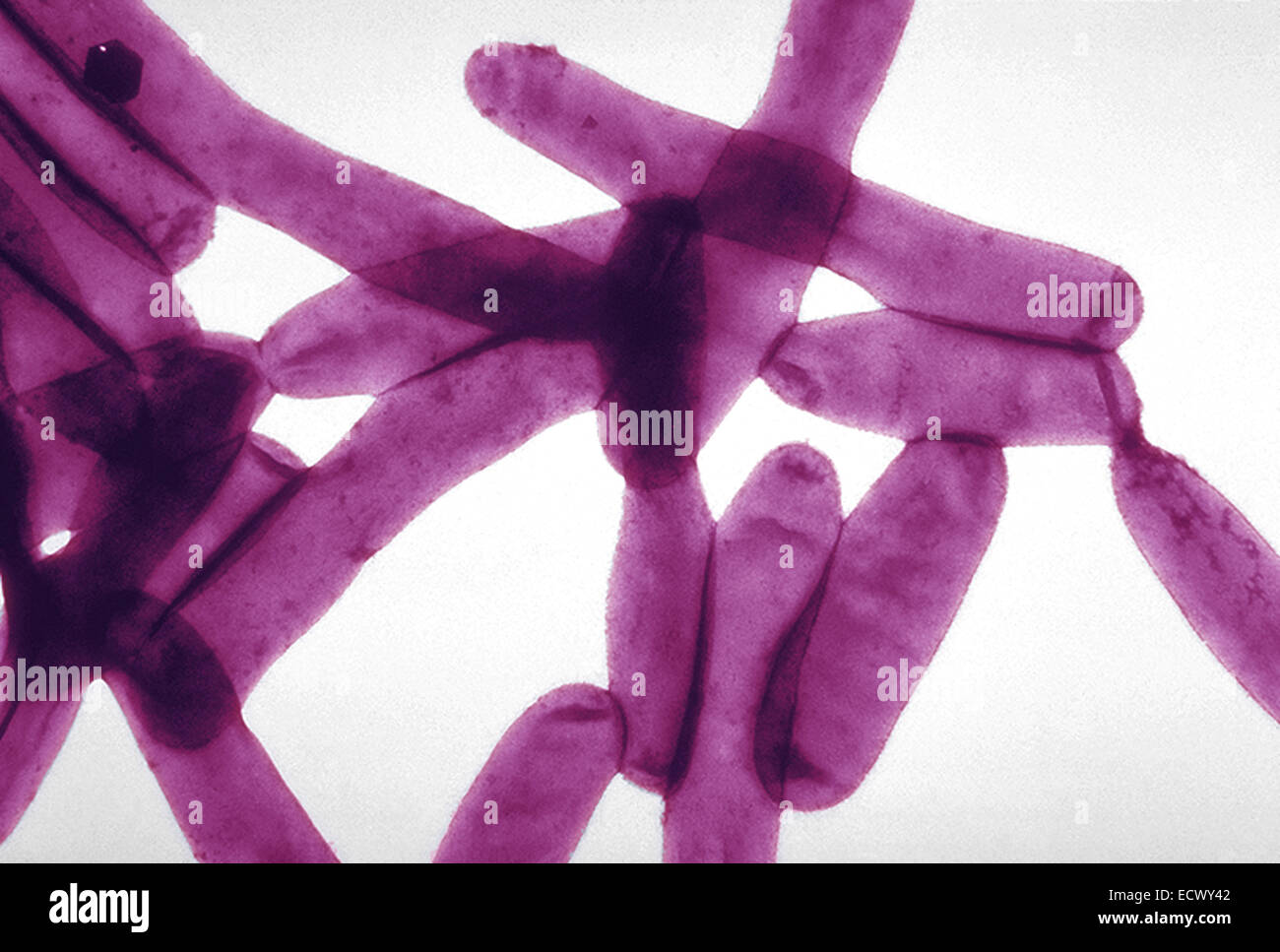
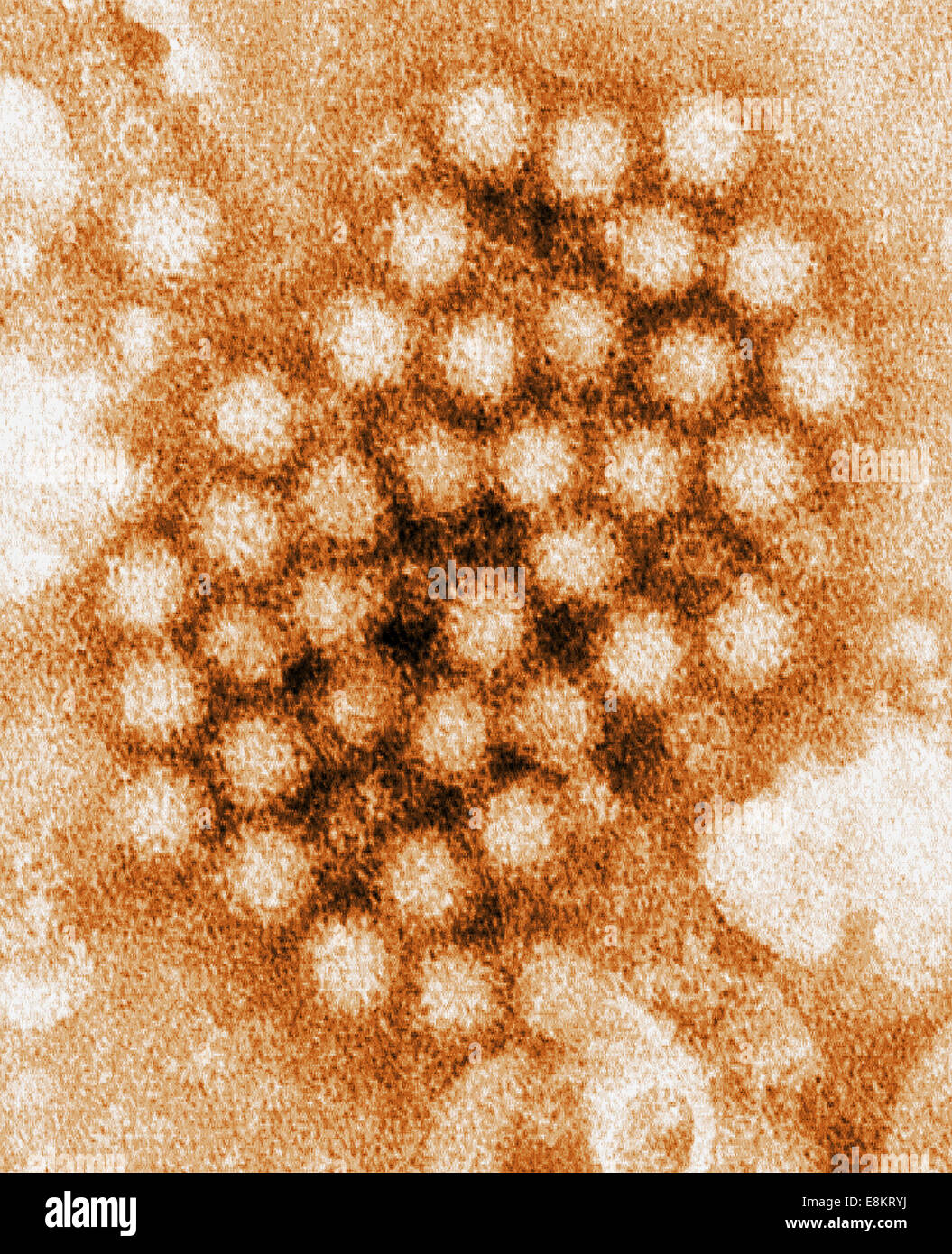
RME8KRYJ鈥�This colorized transmission electron micrograph (TEM) revealed some of ultrastructural morphology displayed by norovirus
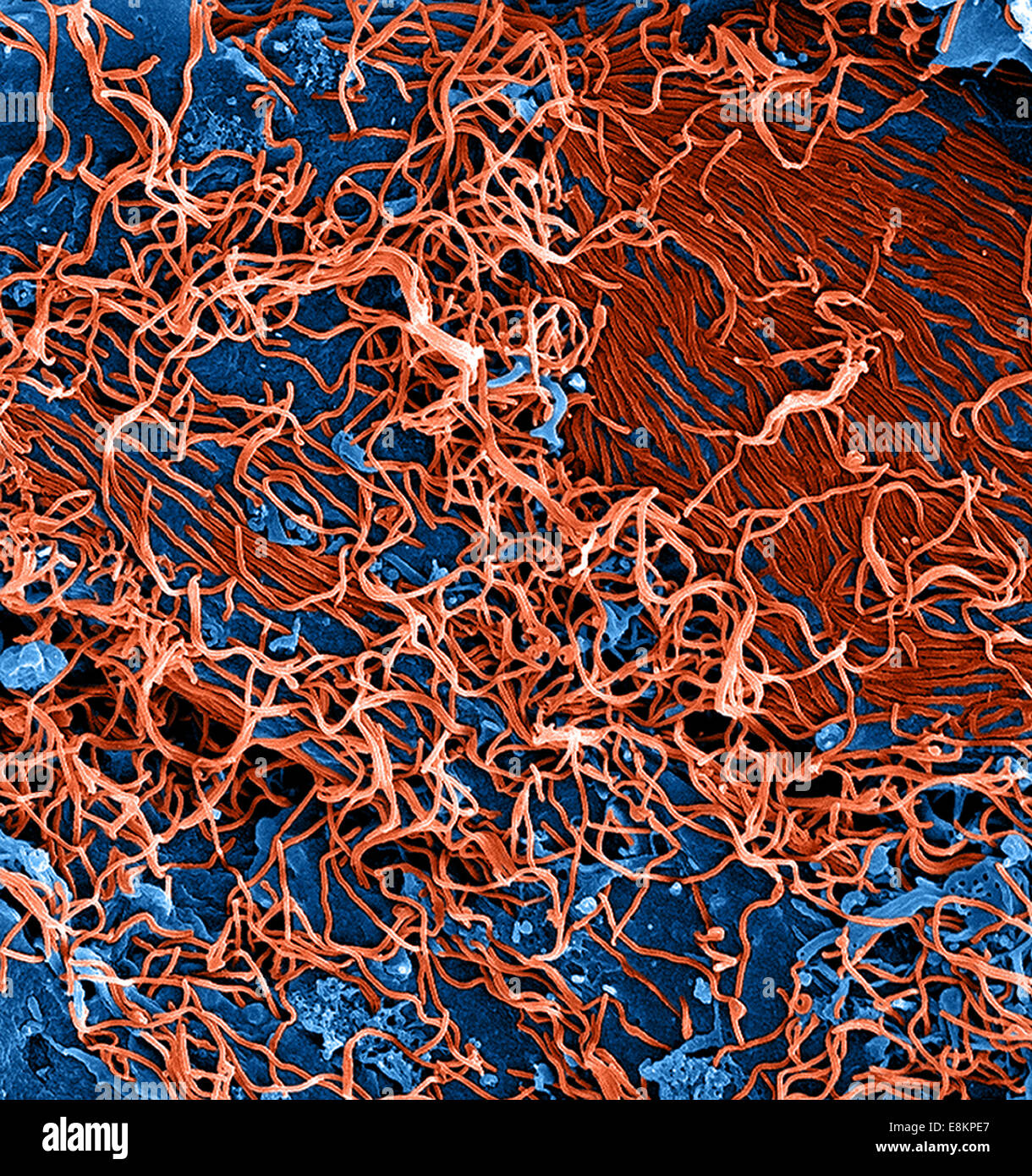
RME8KPE7鈥�Colorized scanning electron micrograph of filamentous Ebola virus particles (red) attached and budding from chronically
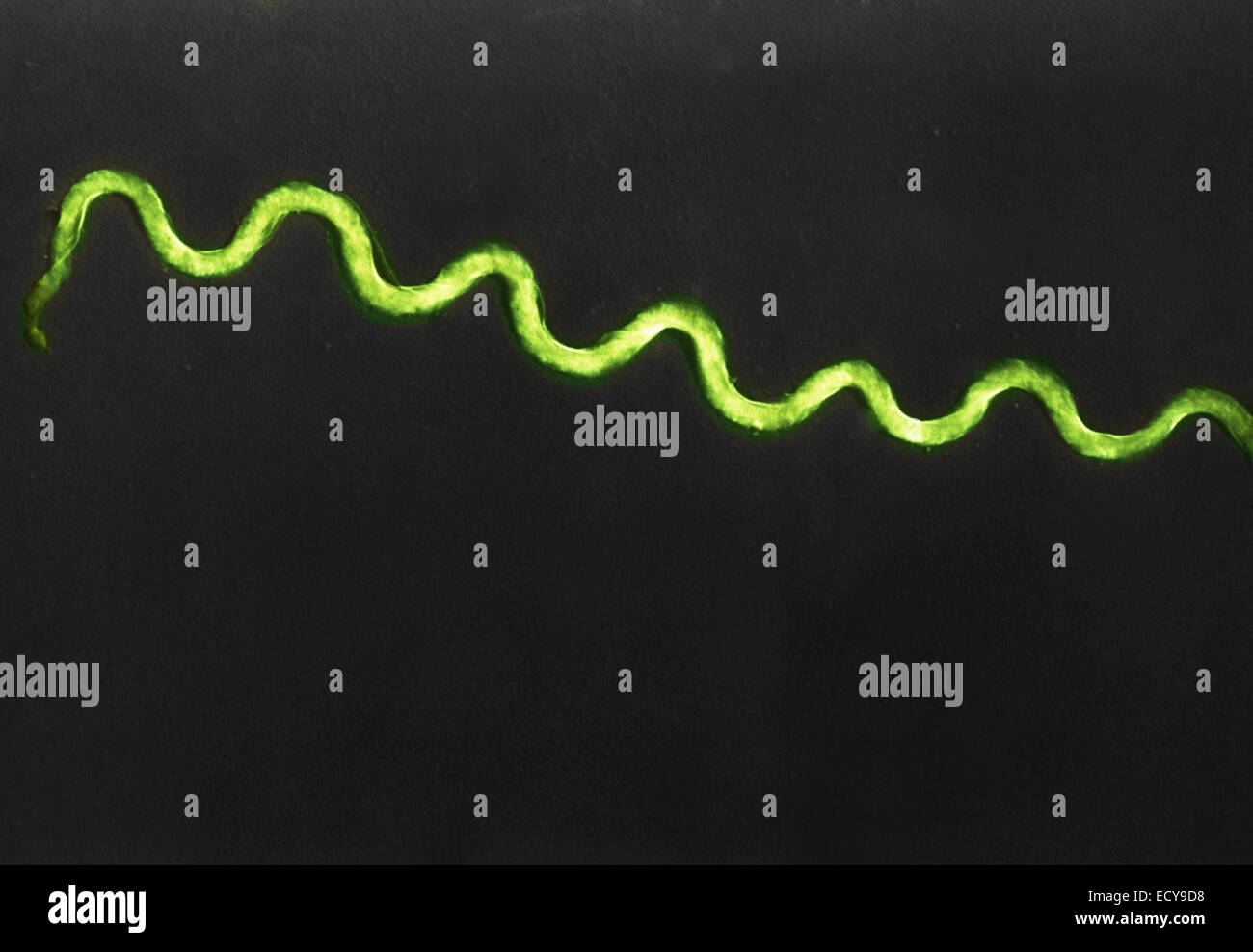
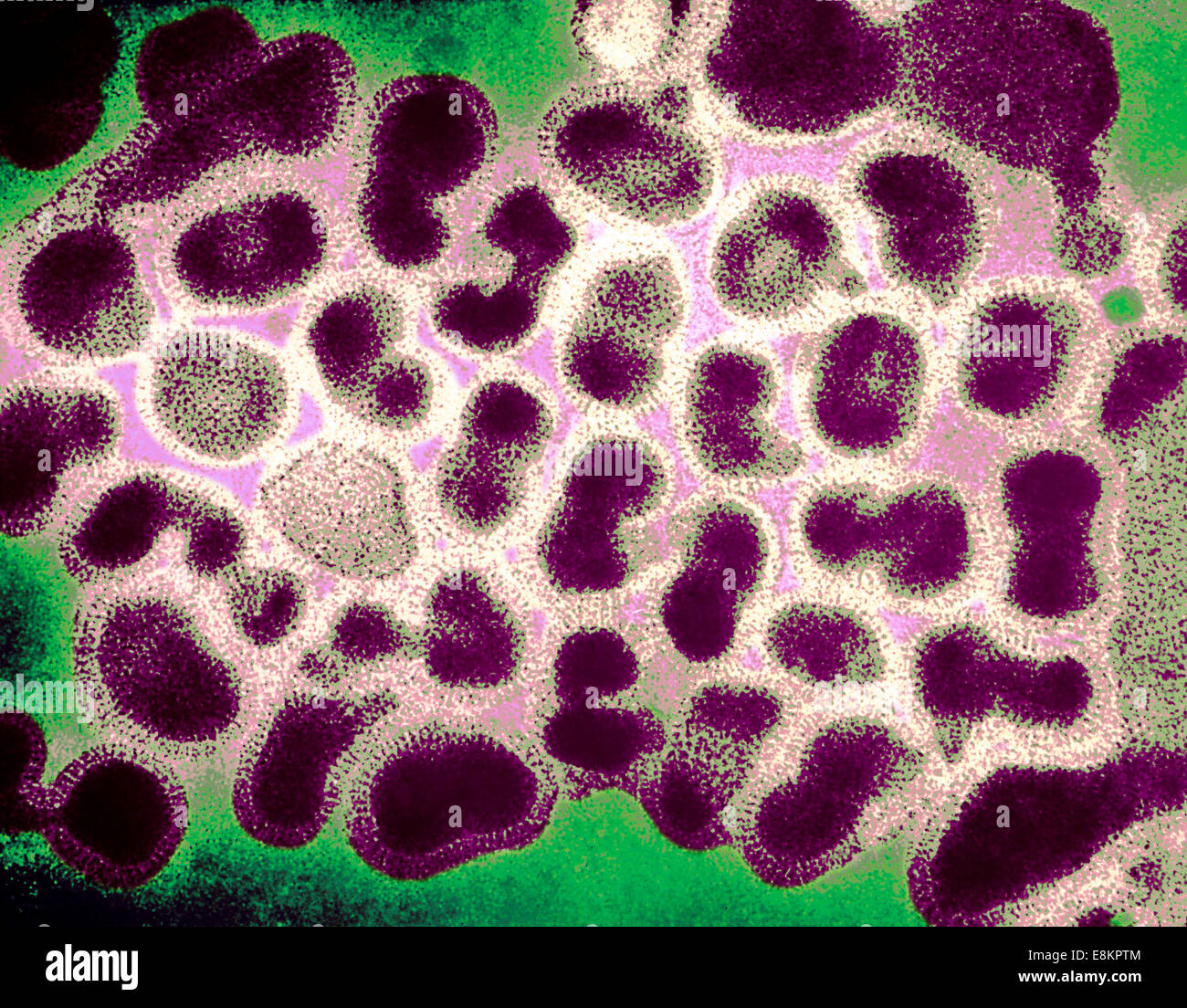
RME8KPTM鈥�This colorized transmission electron micrograph (TEM) depicts numbers of influenza virions while in their late passage growth
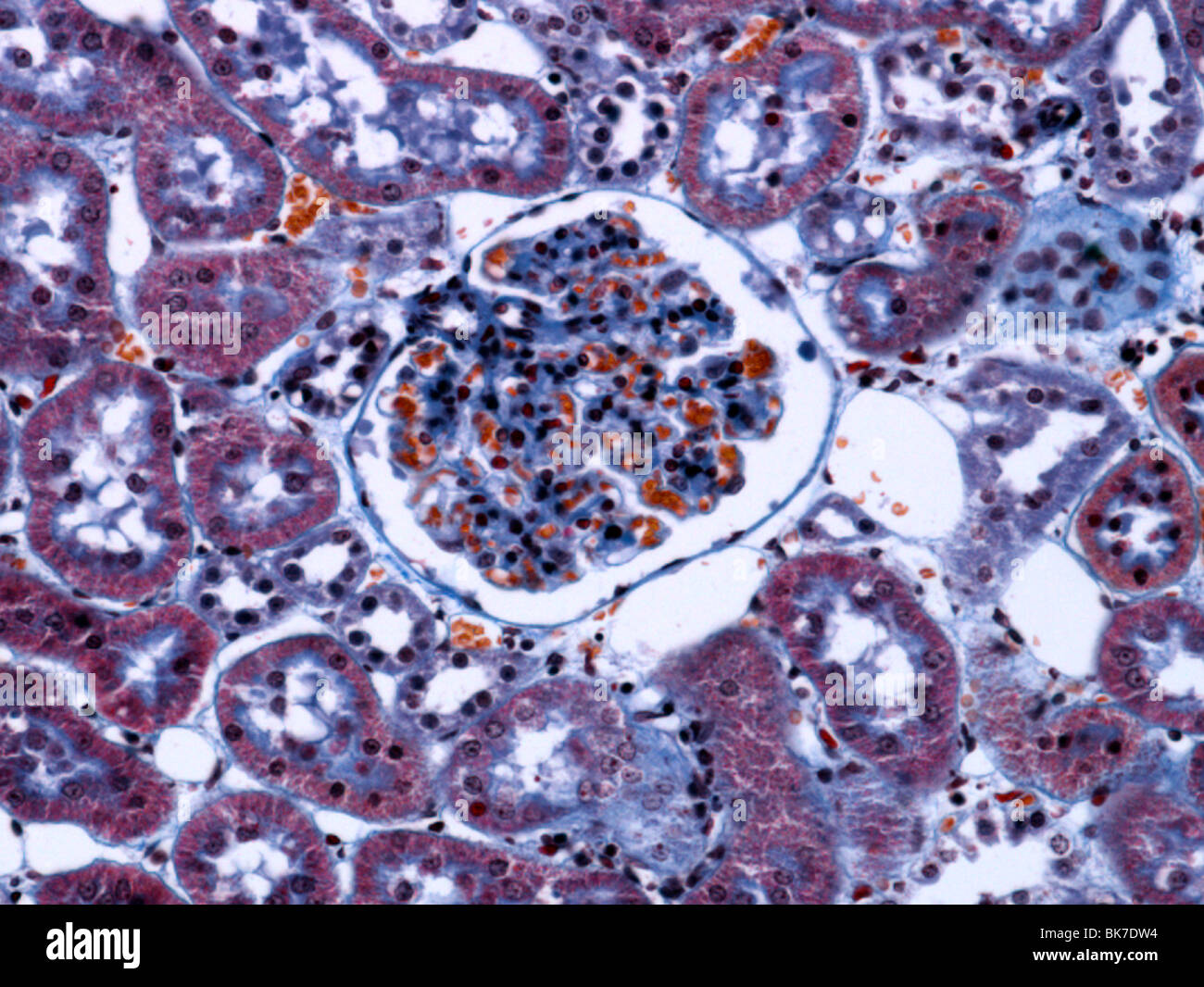
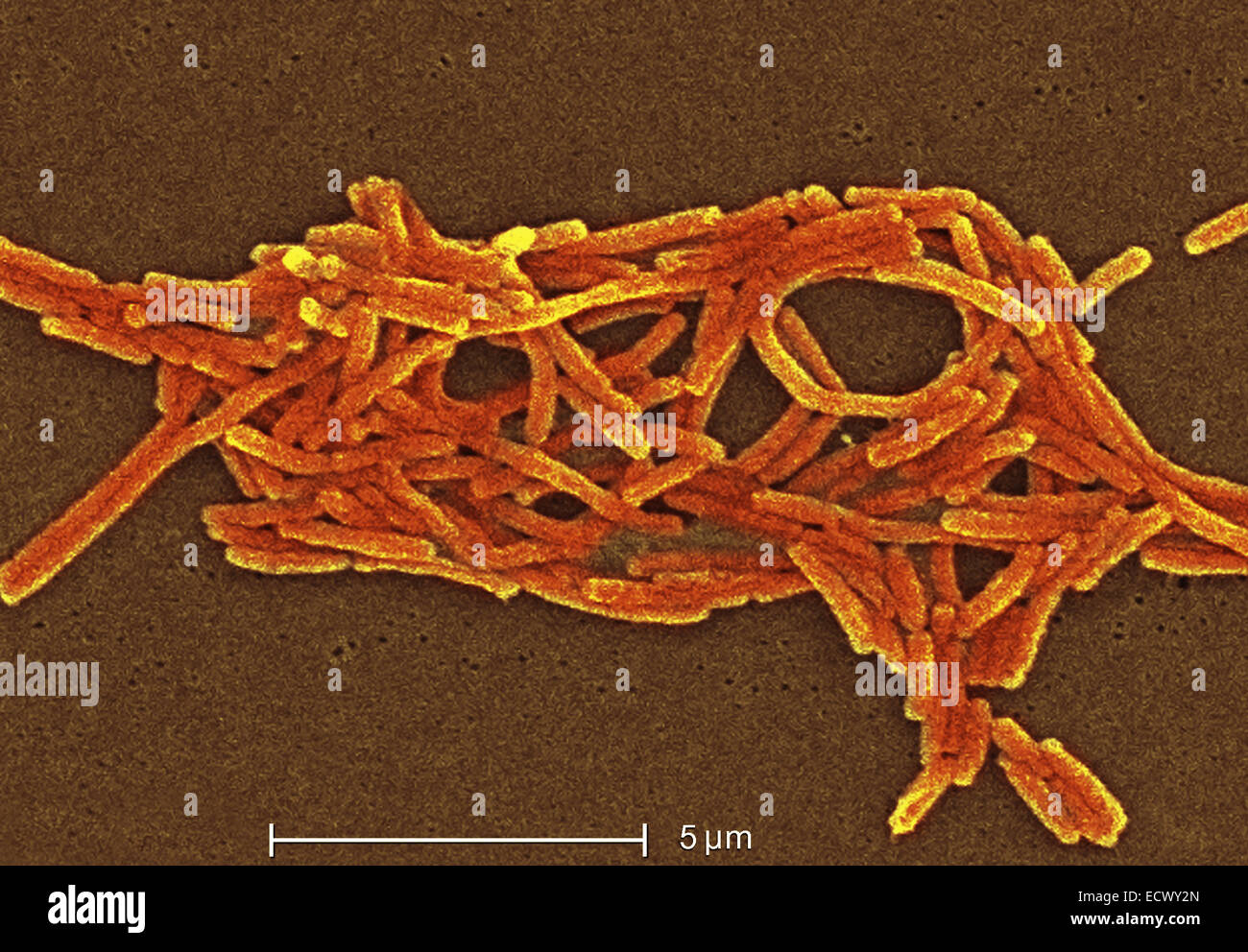
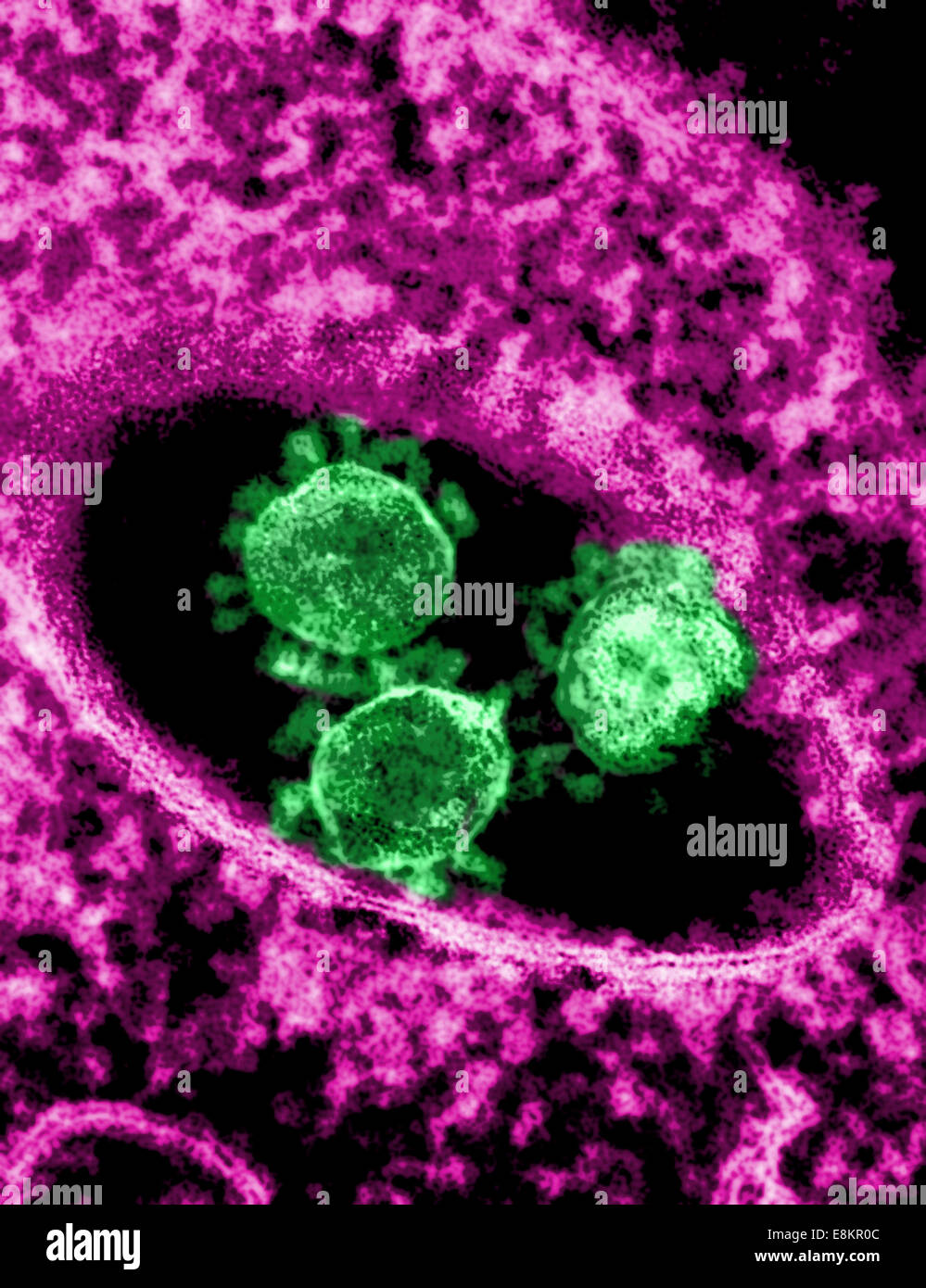
RME8KR0C鈥�Colorized transmission electron micrograph showing particles of Middle East Respiratory Syndrome Coronavirus that emerged in

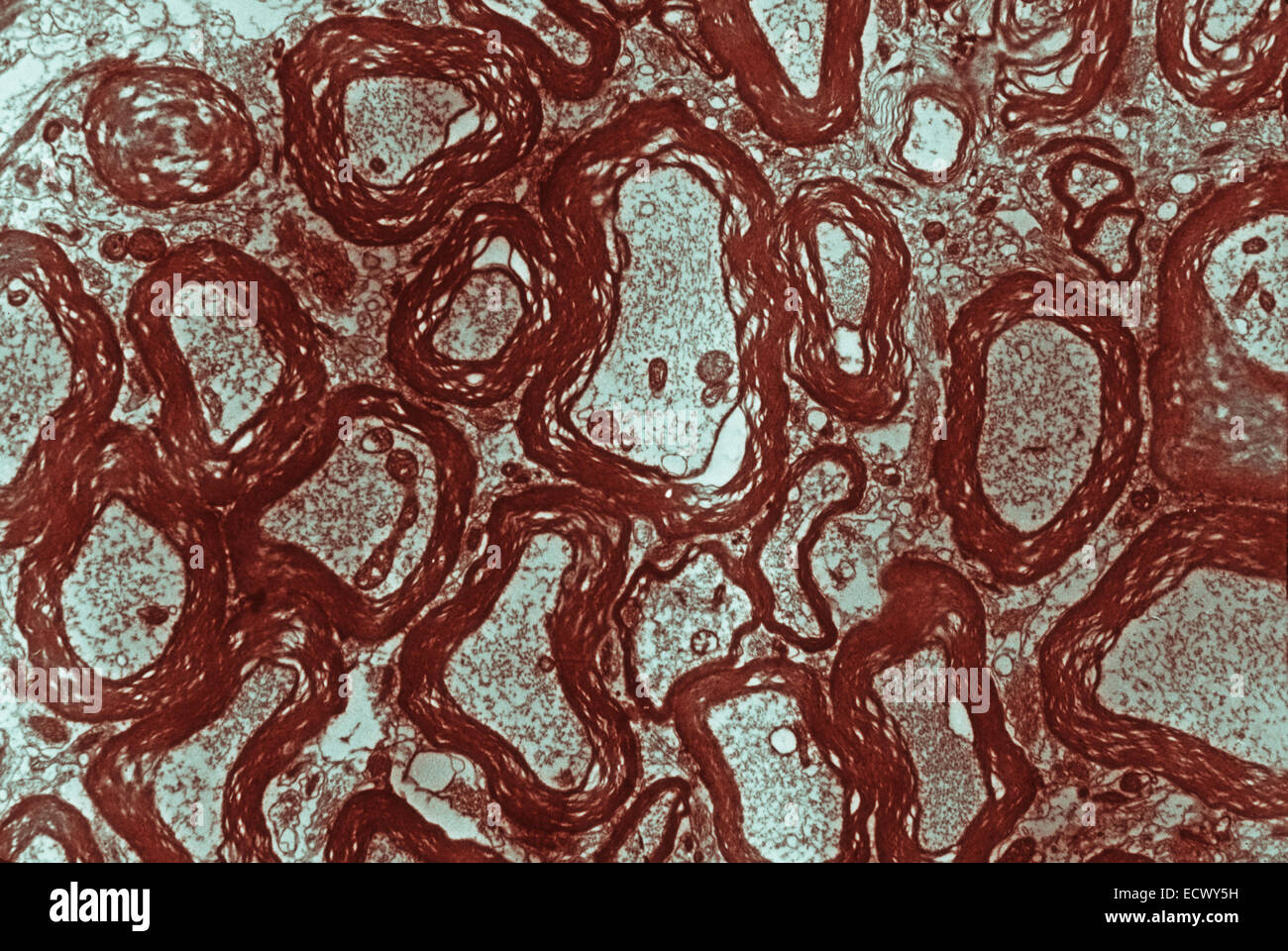
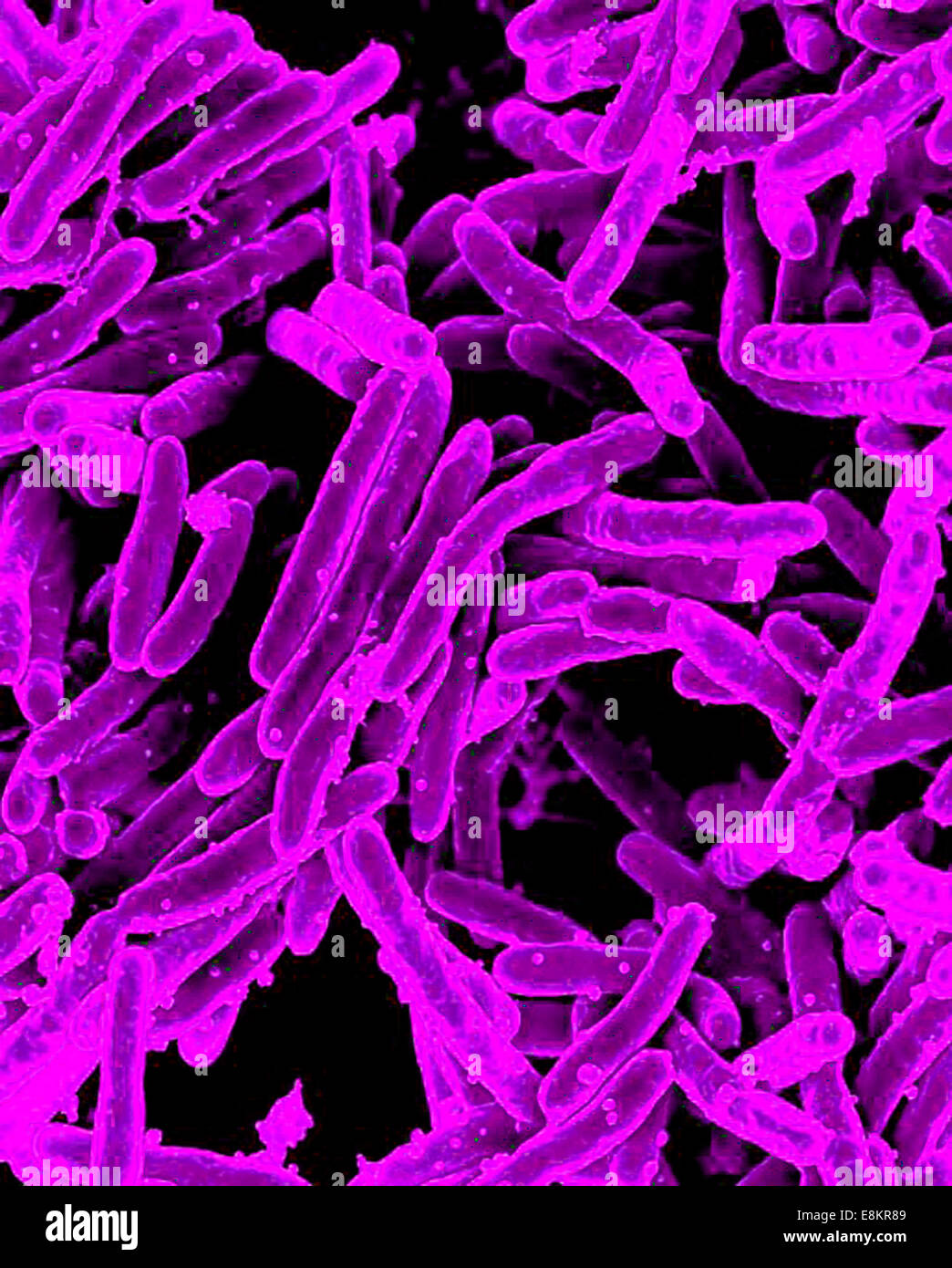
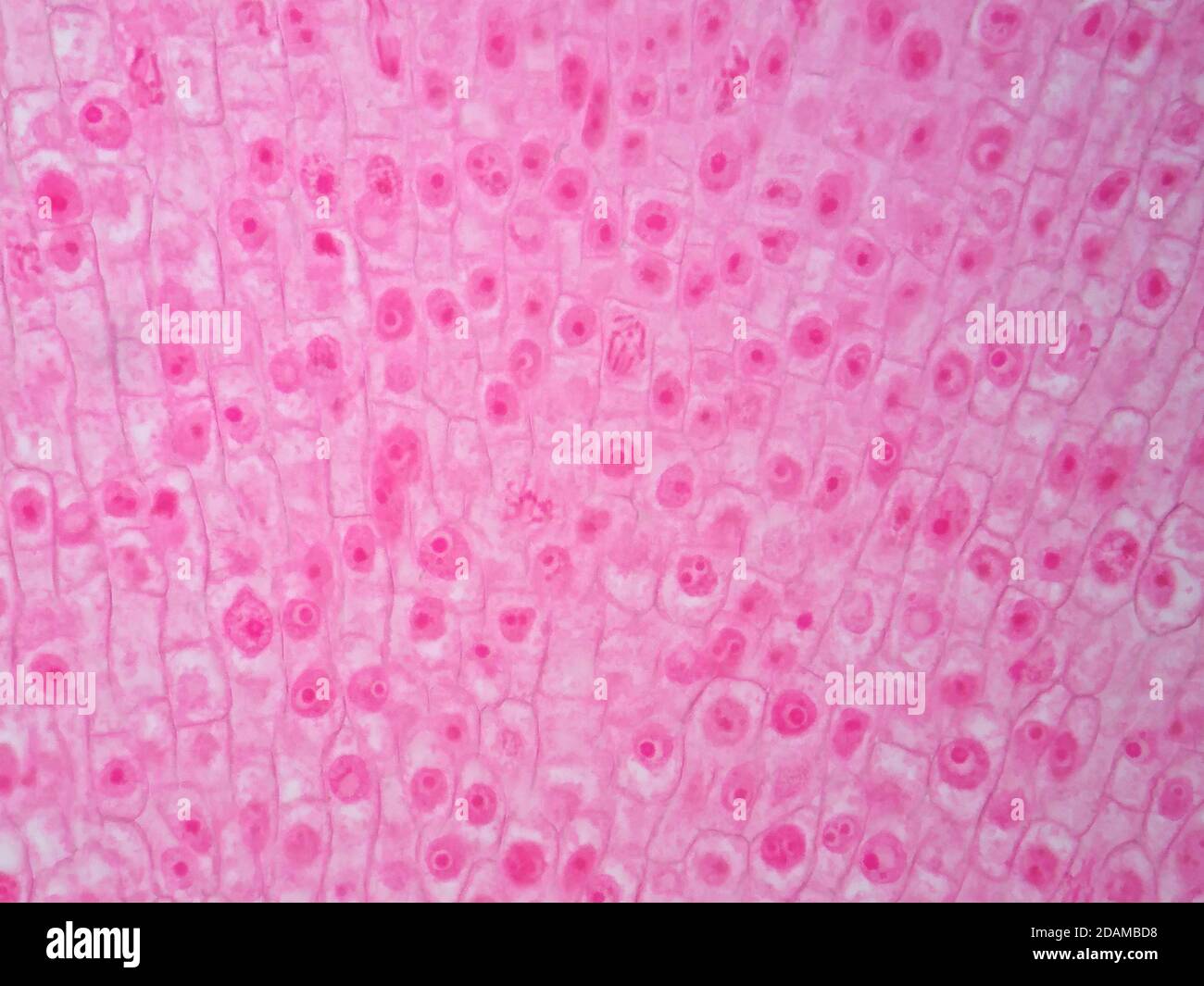
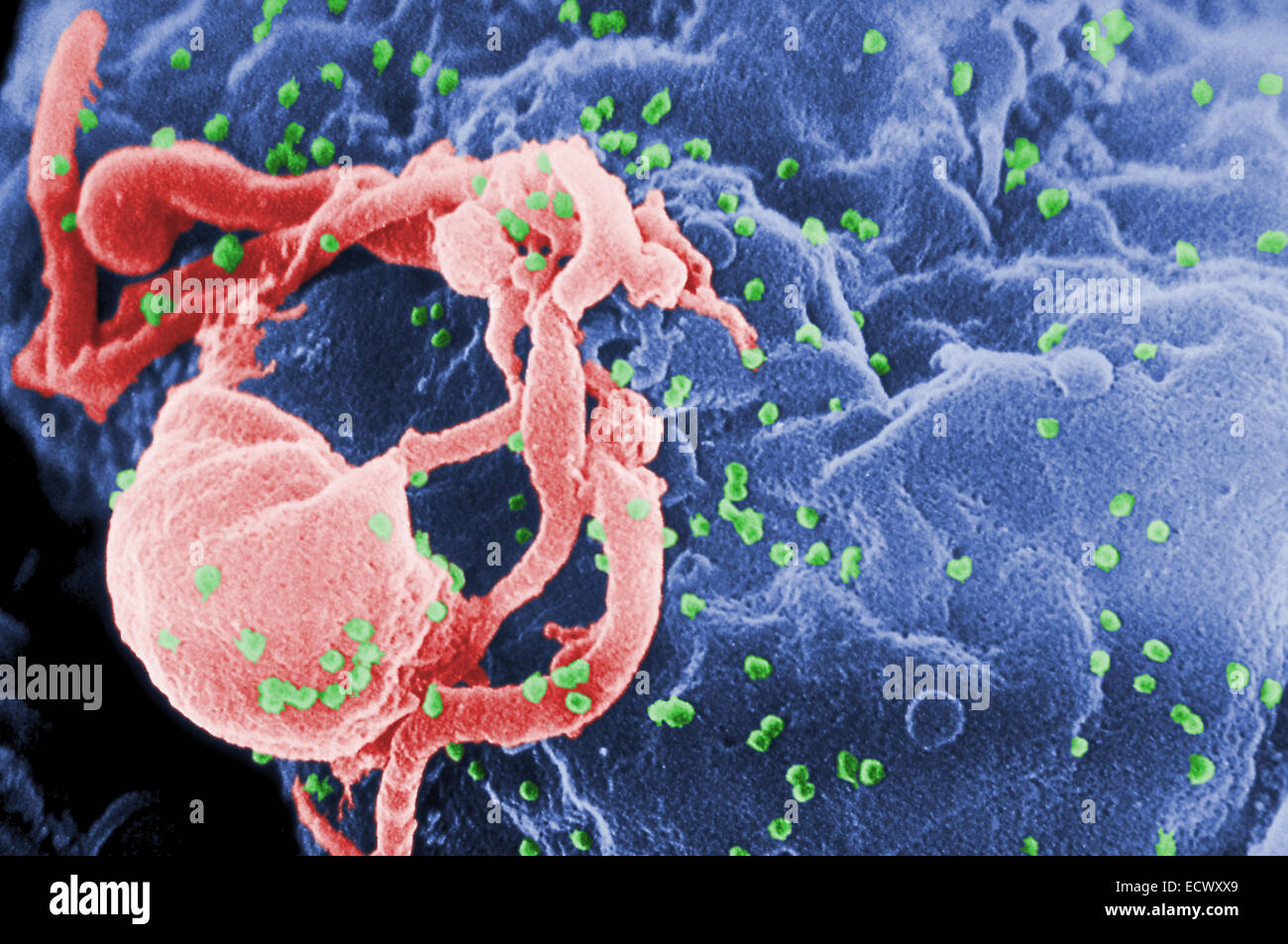
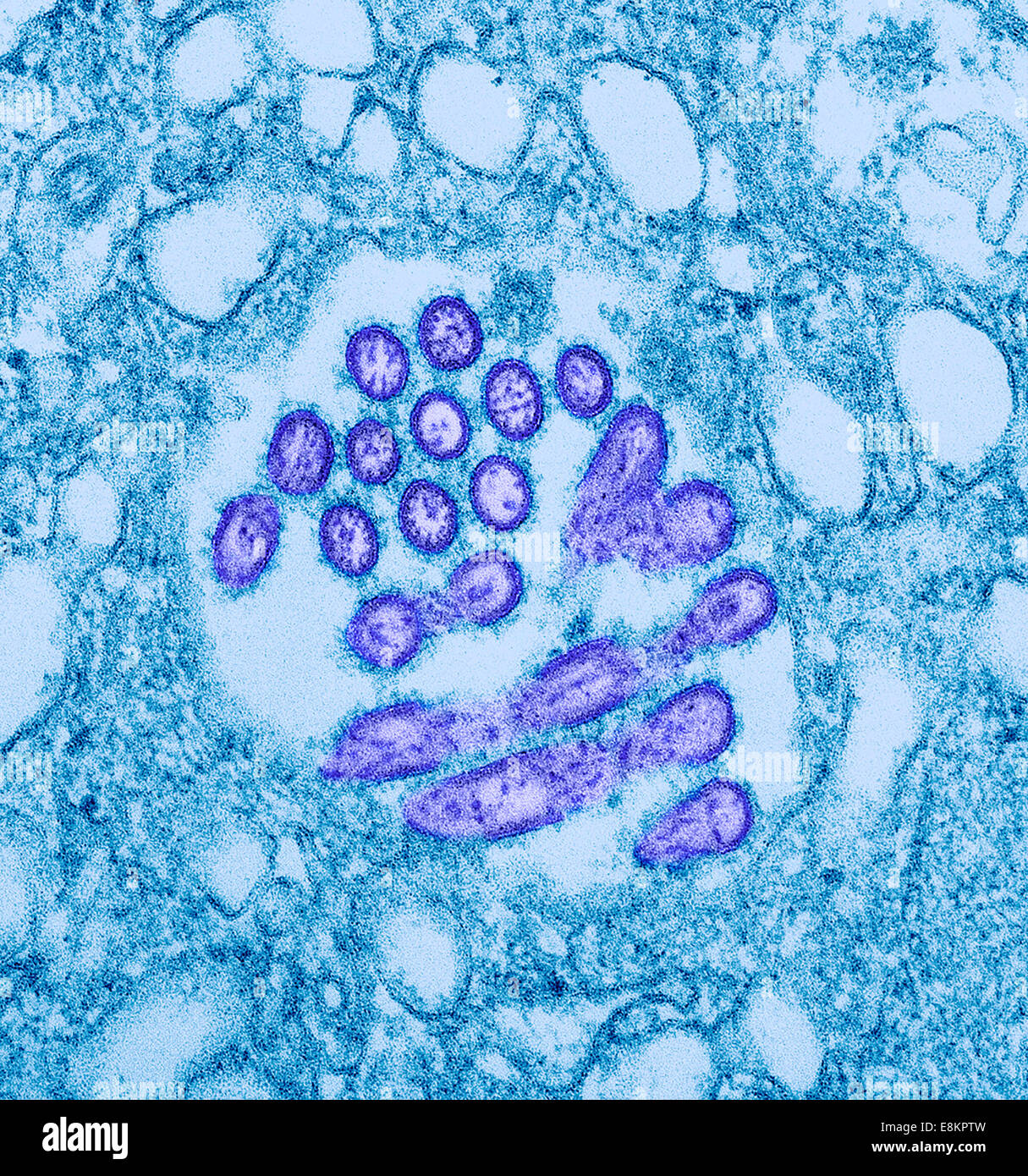
RME8KPTW鈥�This colorized transmission electron micrograph (TEM) revealed presence of number of Novel H1N1 virus virions in this tissue
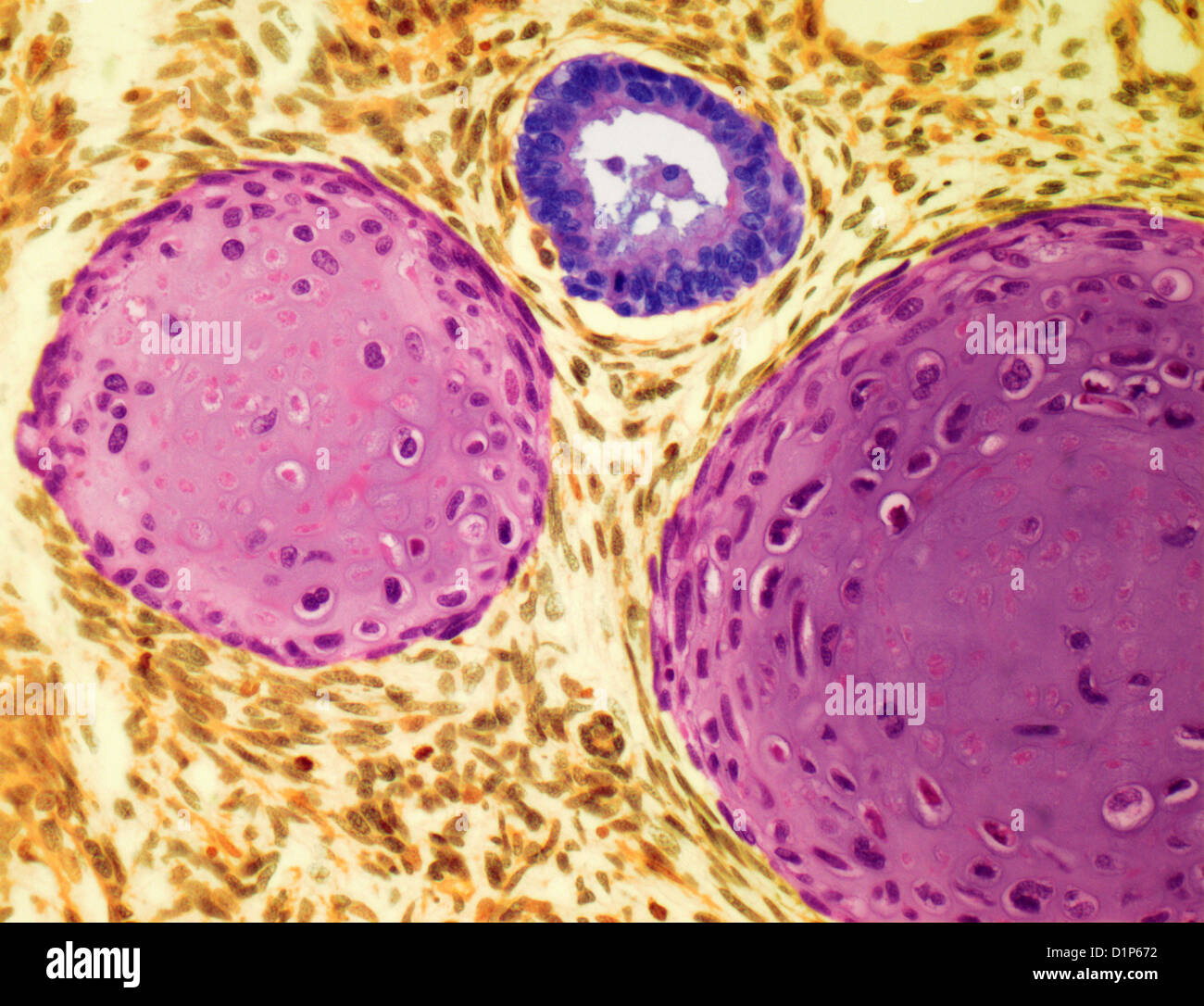
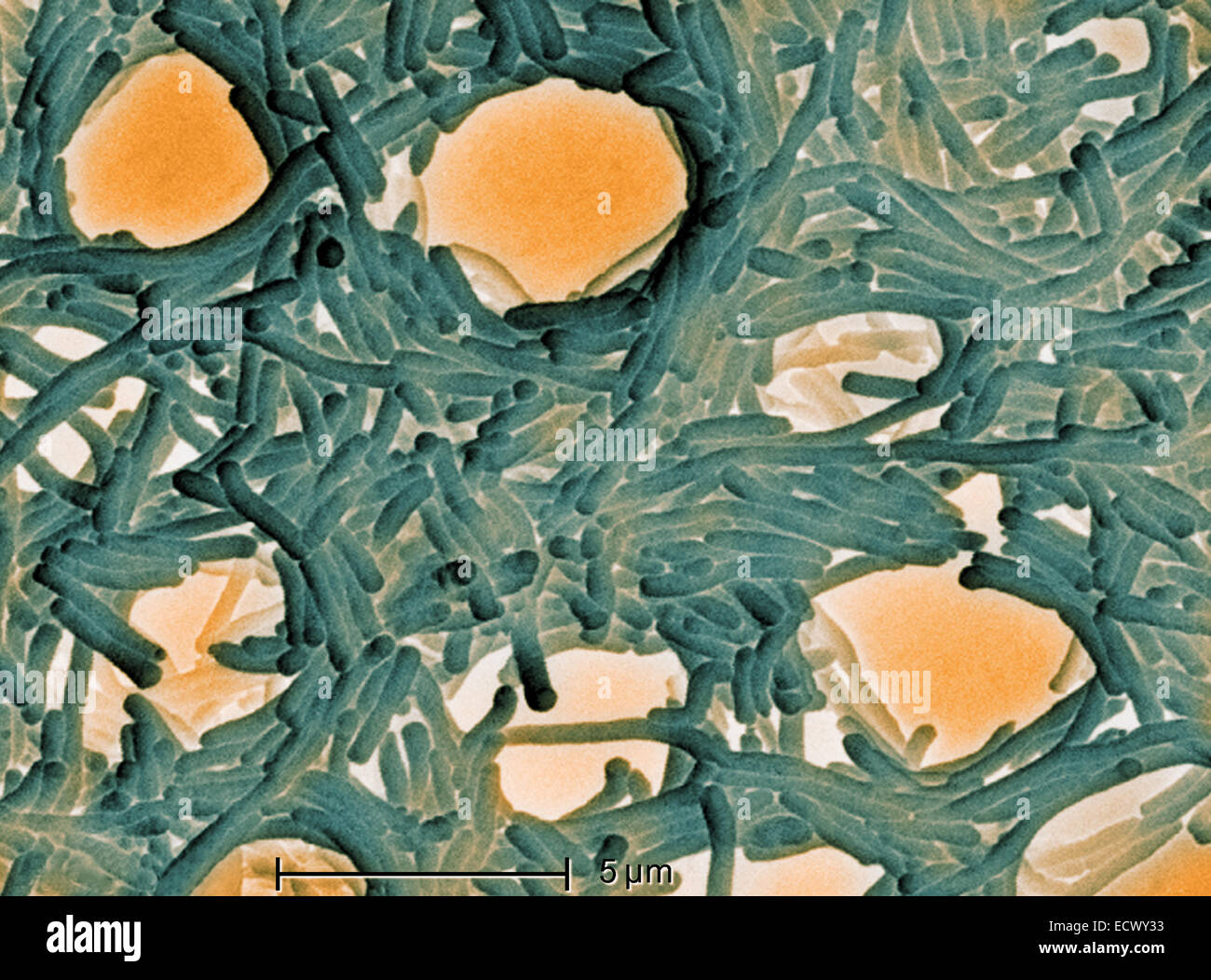
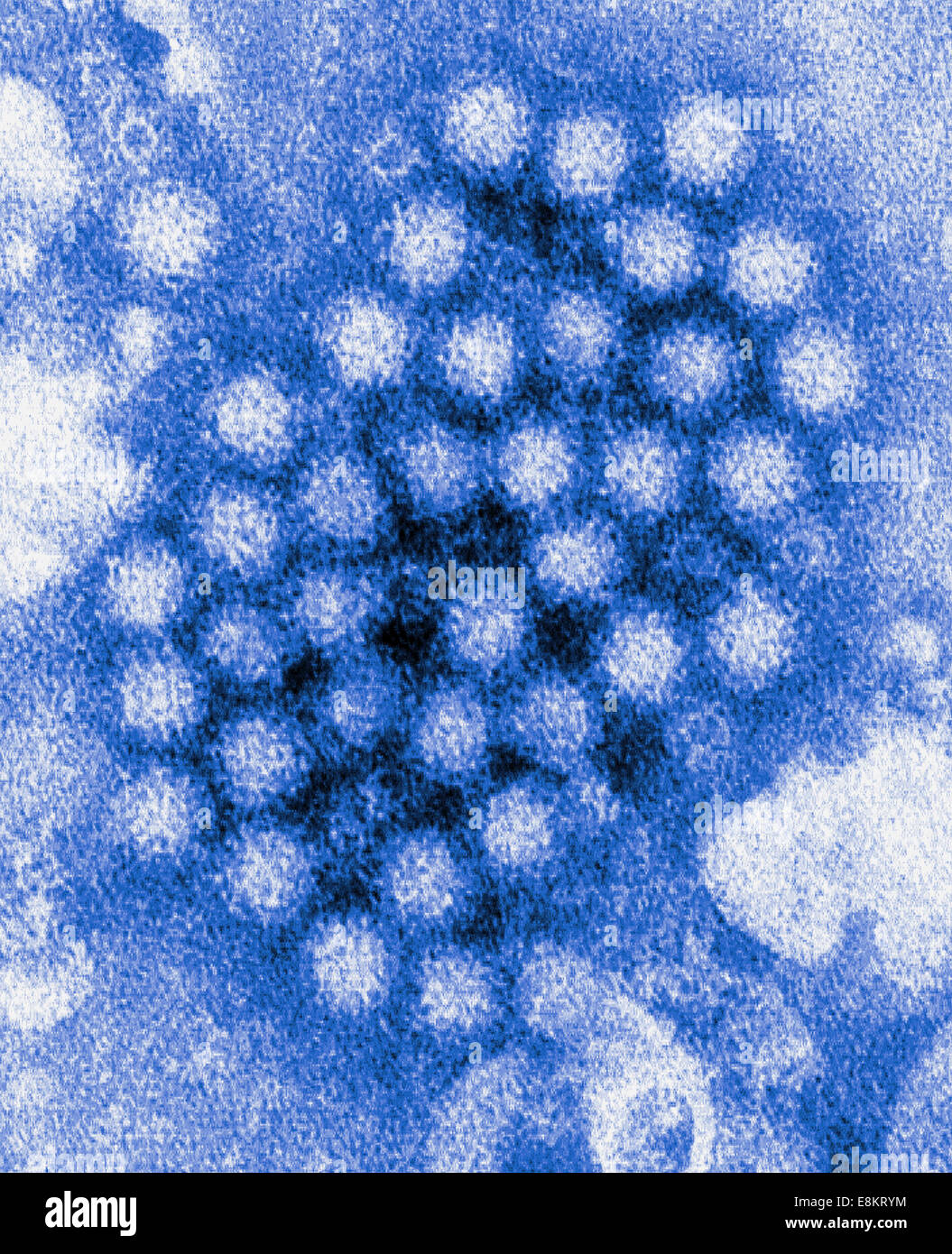
RME8KRYM鈥�This colorized transmission electron micrograph (TEM) revealed some of ultrastructural morphology displayed by norovirus

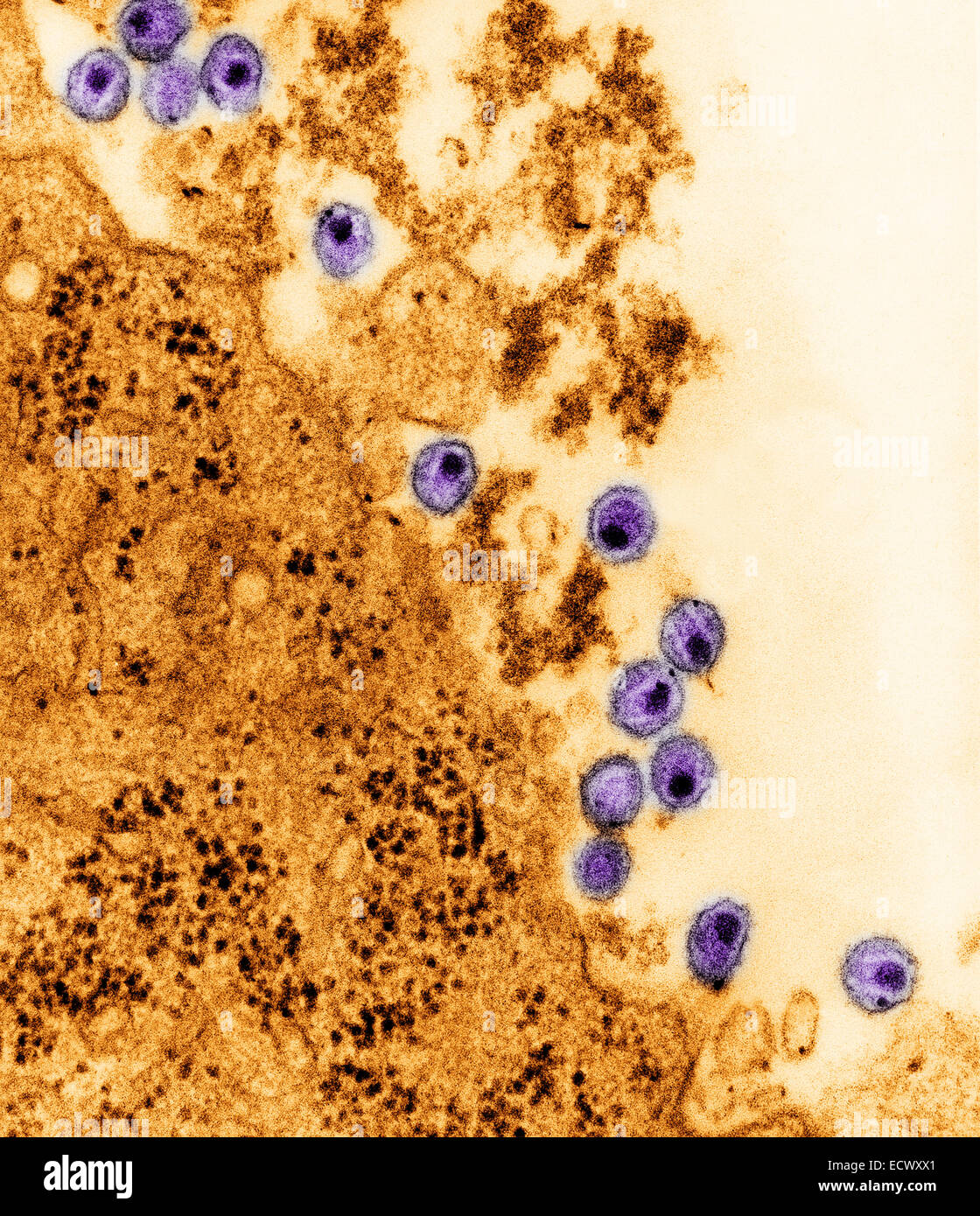
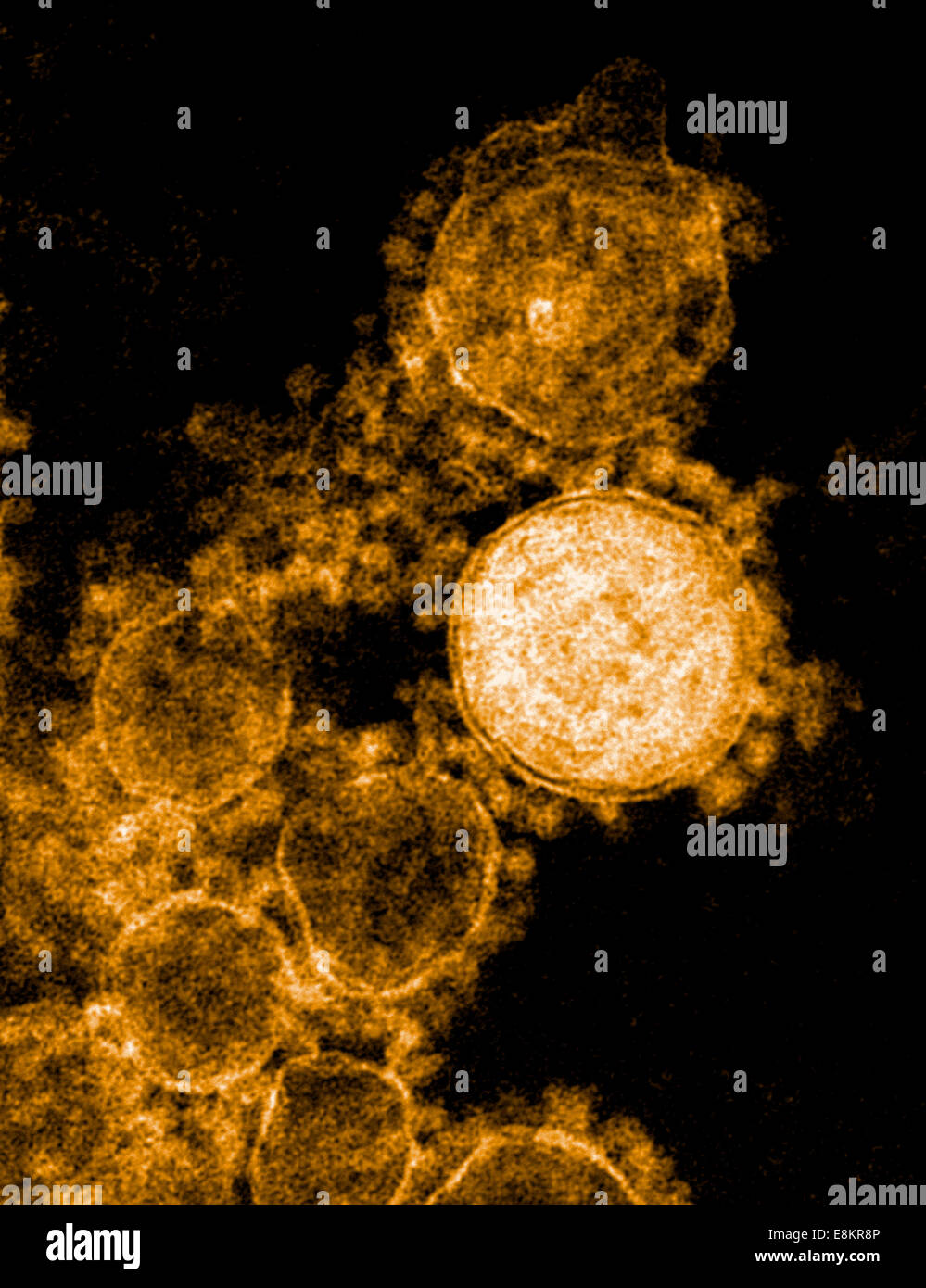
RME8KR8P鈥�Colorized transmission electron micrograph showing particles of Middle East respiratory syndrome coronavirus that emerged in
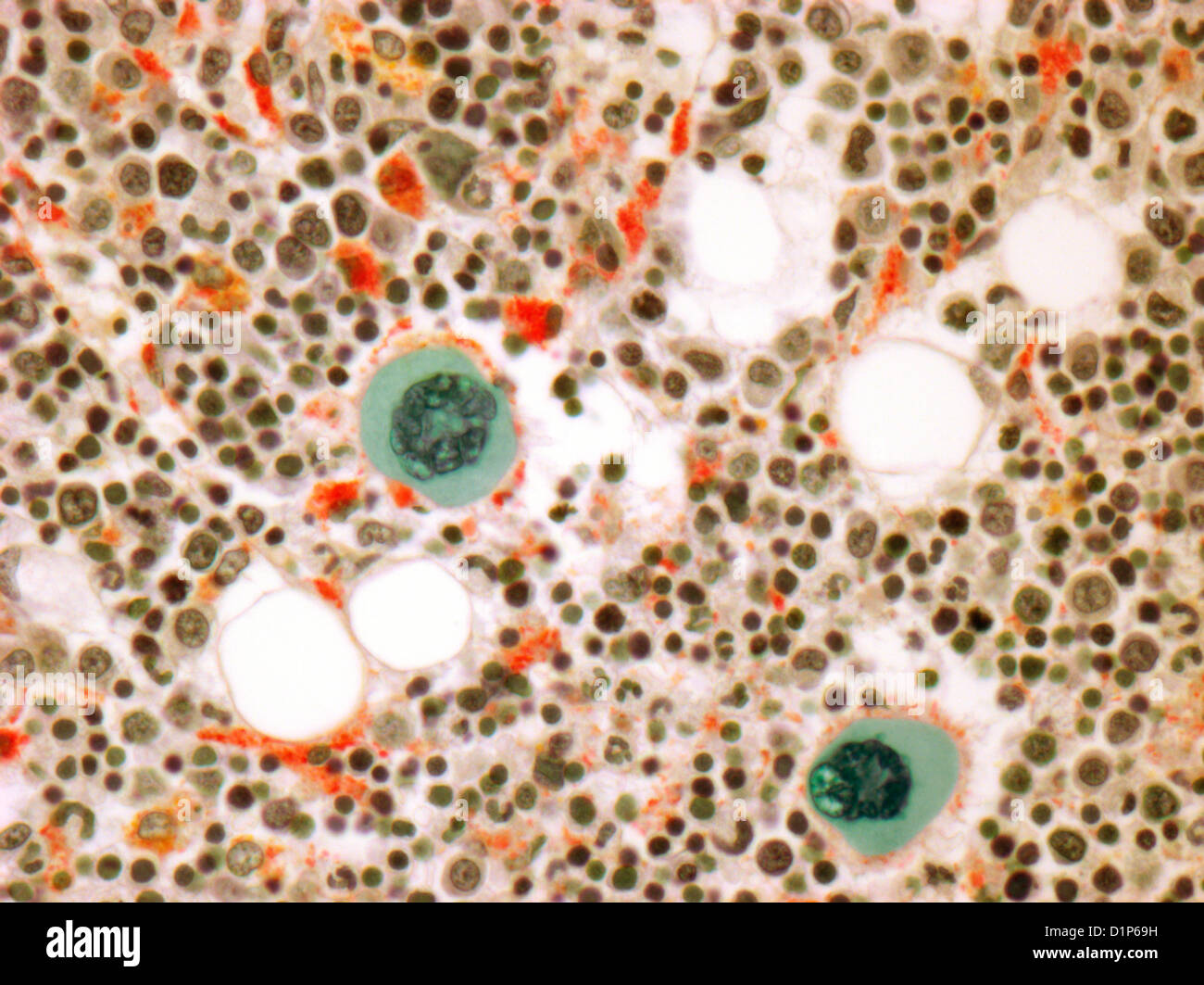
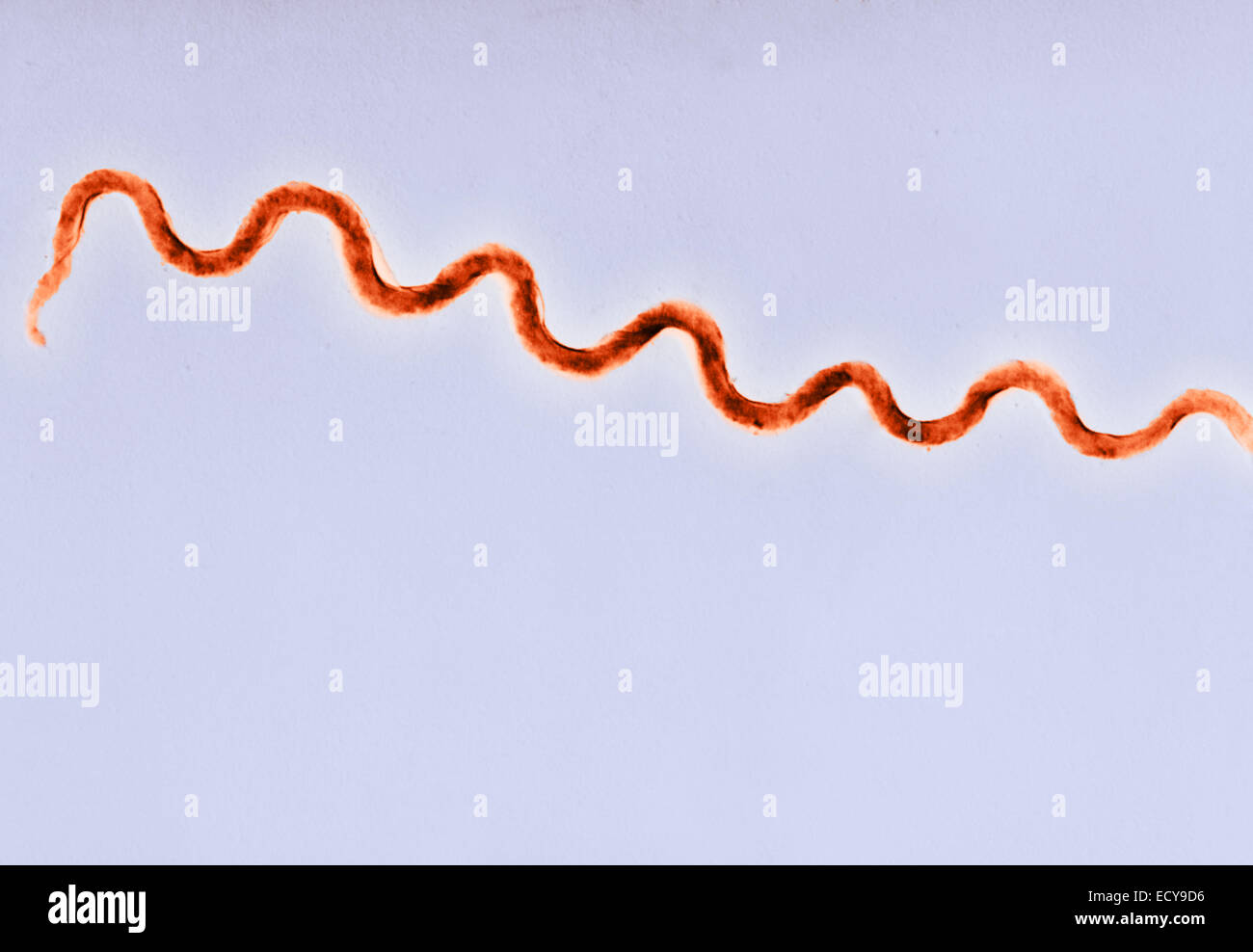
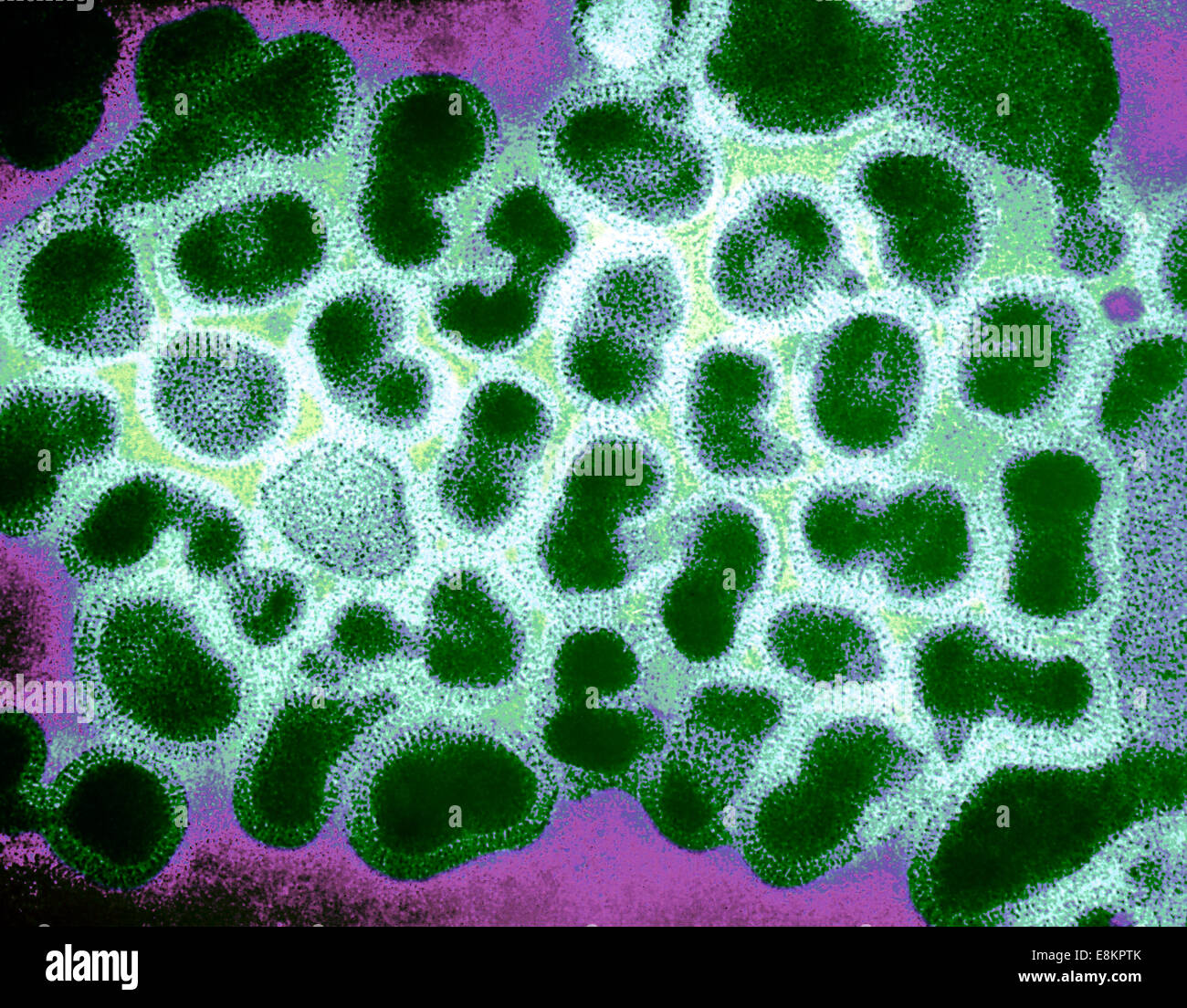
RME8KPTK鈥�This colorized transmission electron micrograph (TEM) depicts numbers of influenza virions while in their late passage growth
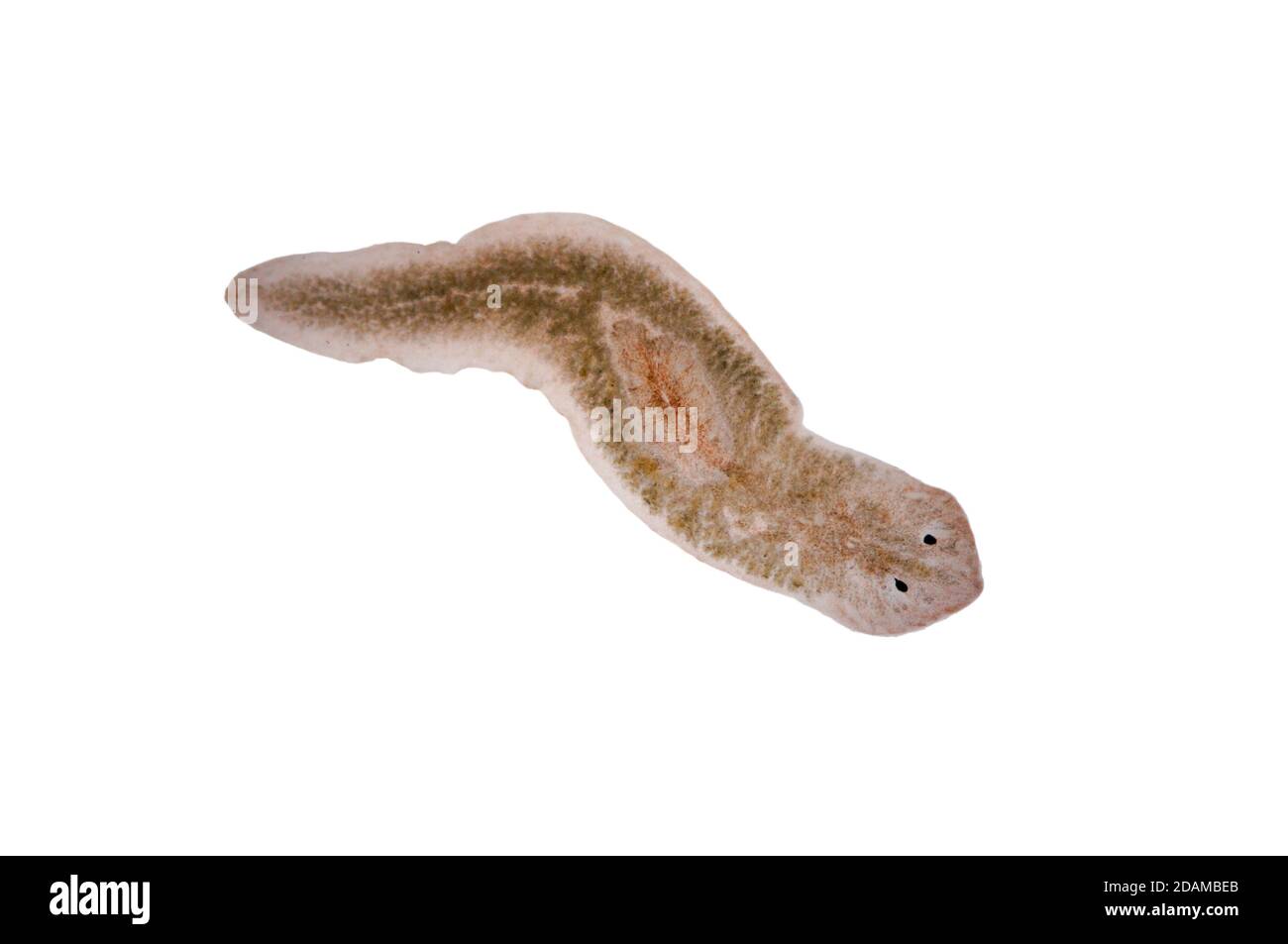
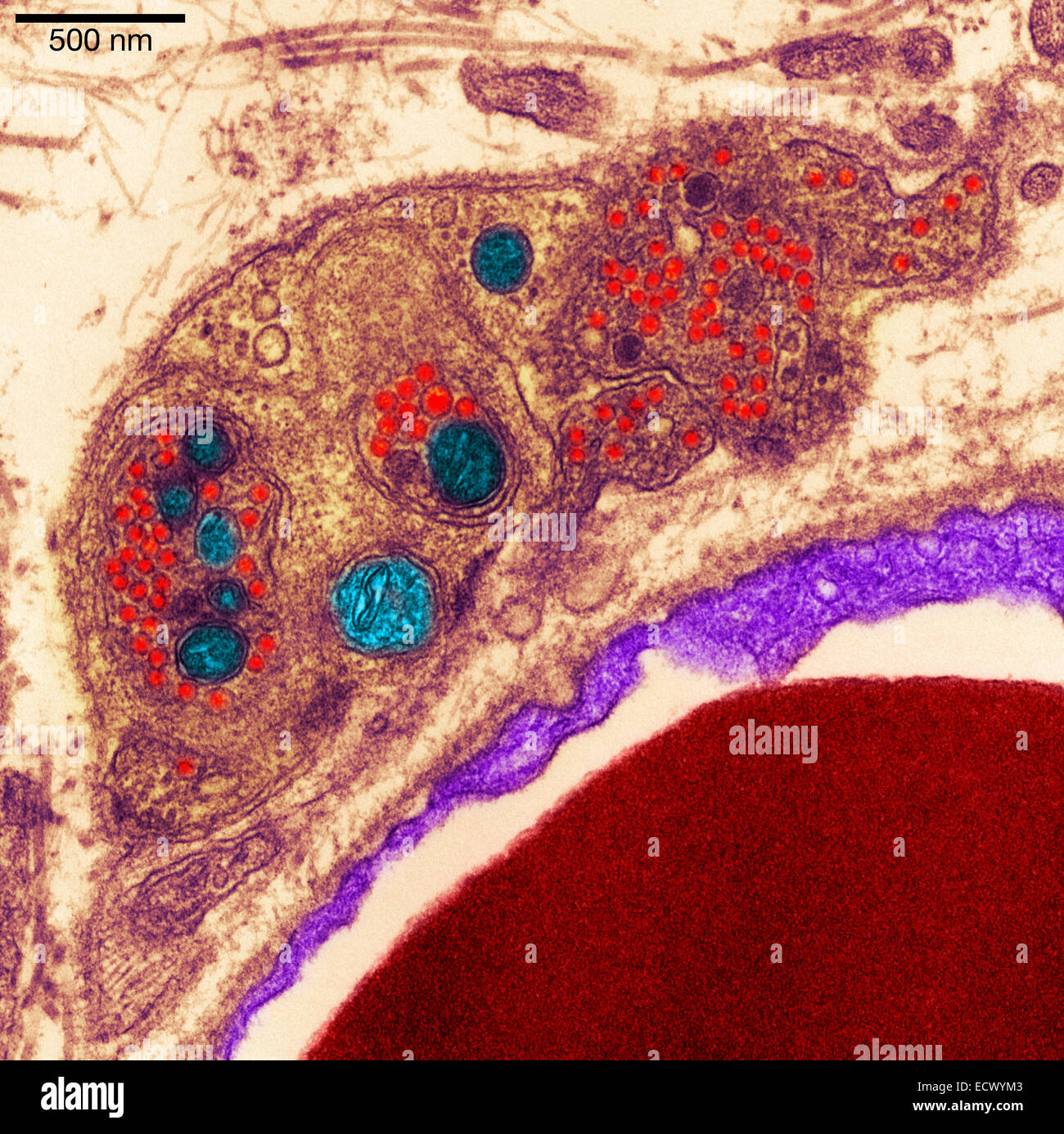

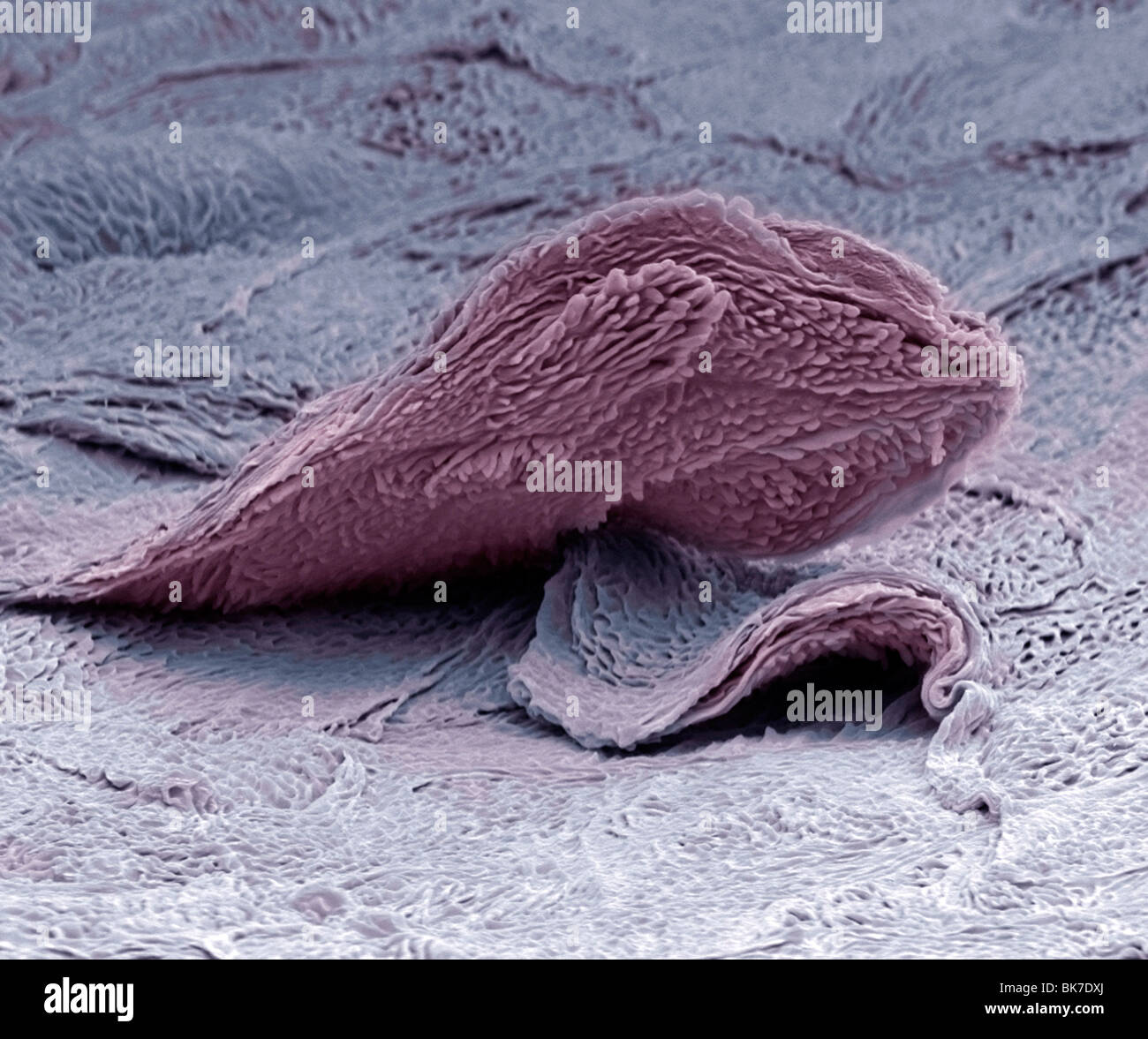
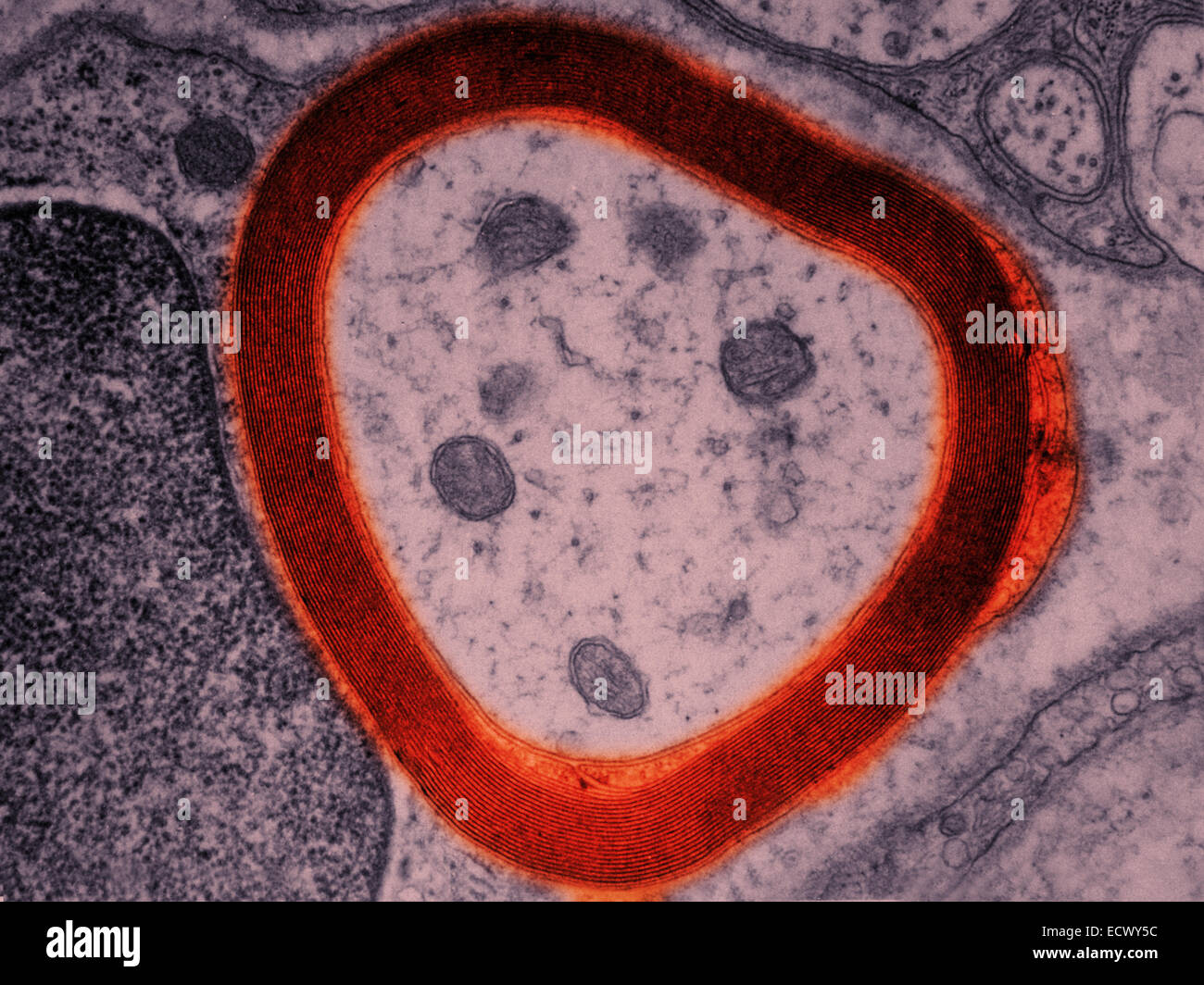
RME8KPPX鈥�This colorized transmission electron micrograph (TEM) of an ultra-thin specimen revealed some of ultrastructural morphologic
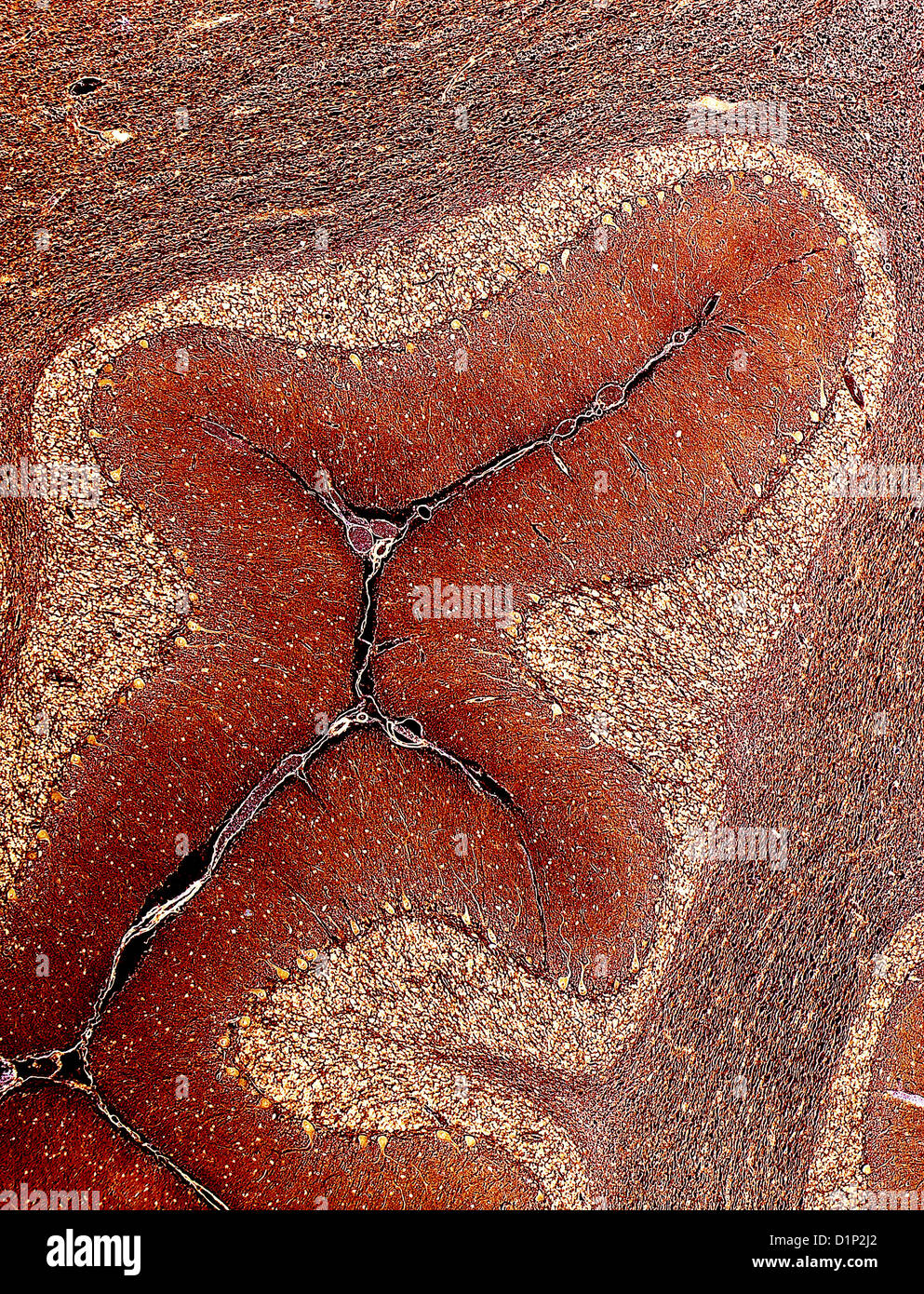
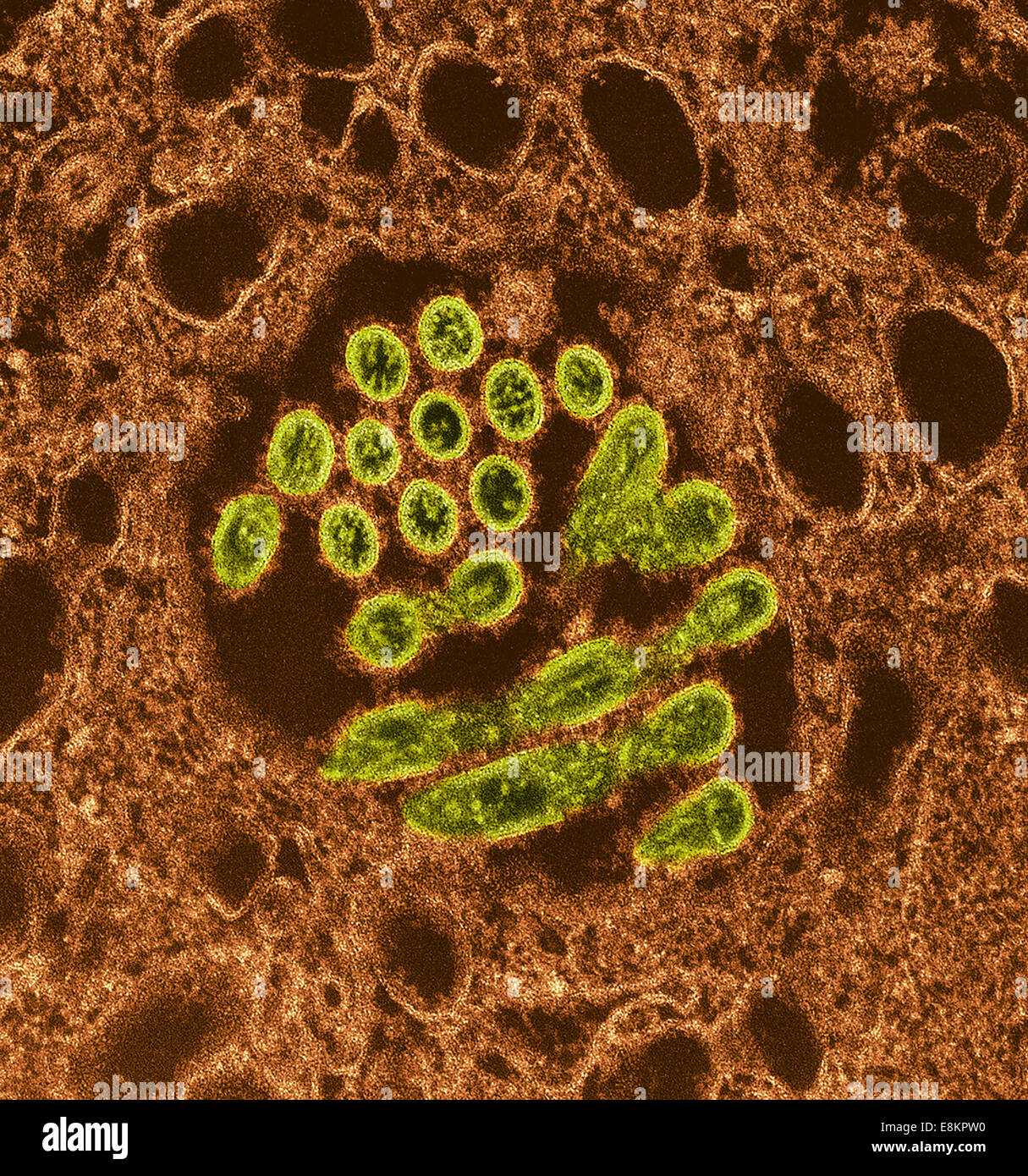
RME8KPW0鈥�This colorized transmission electron micrograph (TEM) revealed presence of number of Novel H1N1 virus virions in this tissue
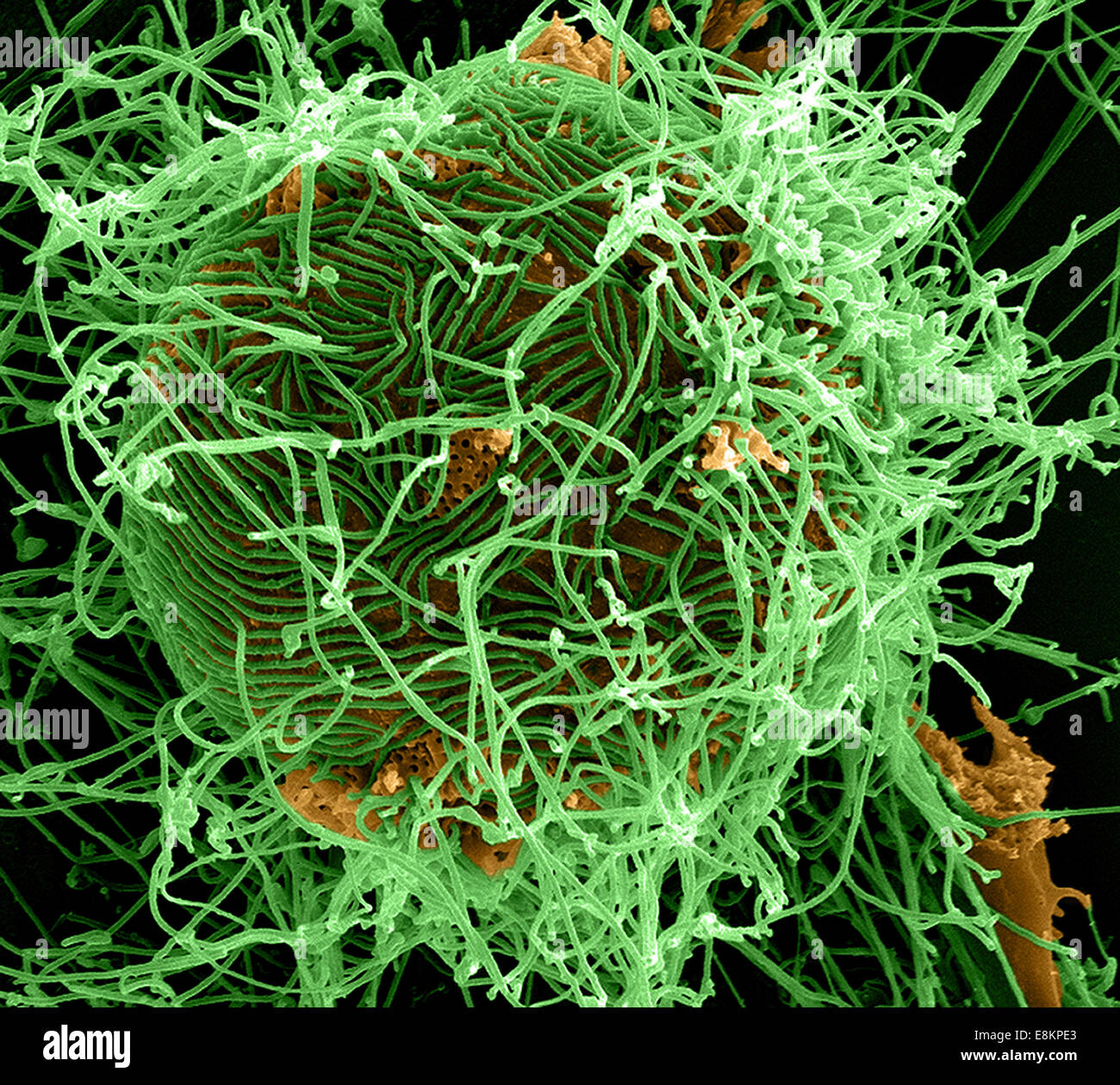
RME8KPE3鈥�Colorized scanning electron micrograph of filamentous Ebola virus particles (green) attached and budding from chronically
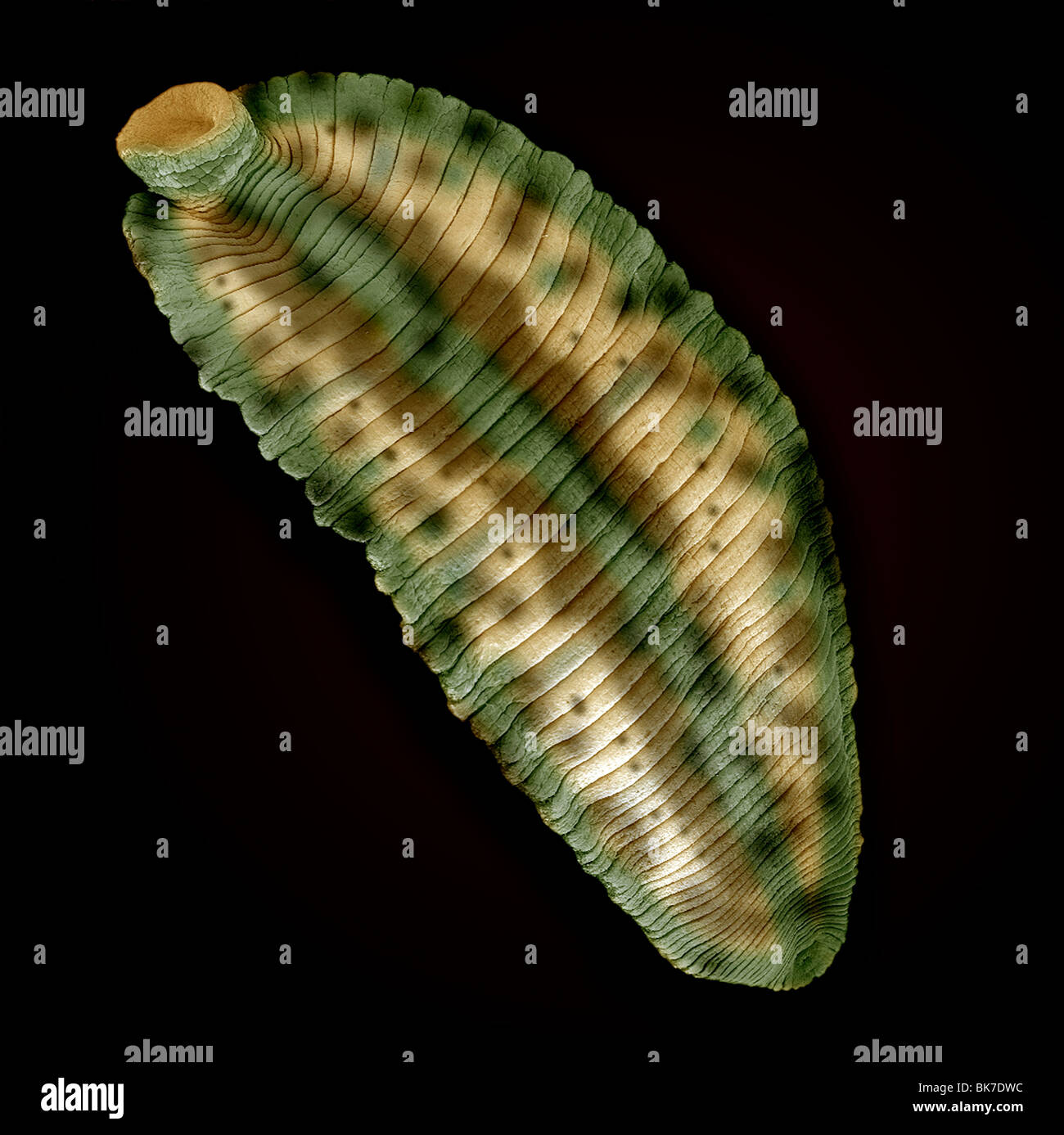
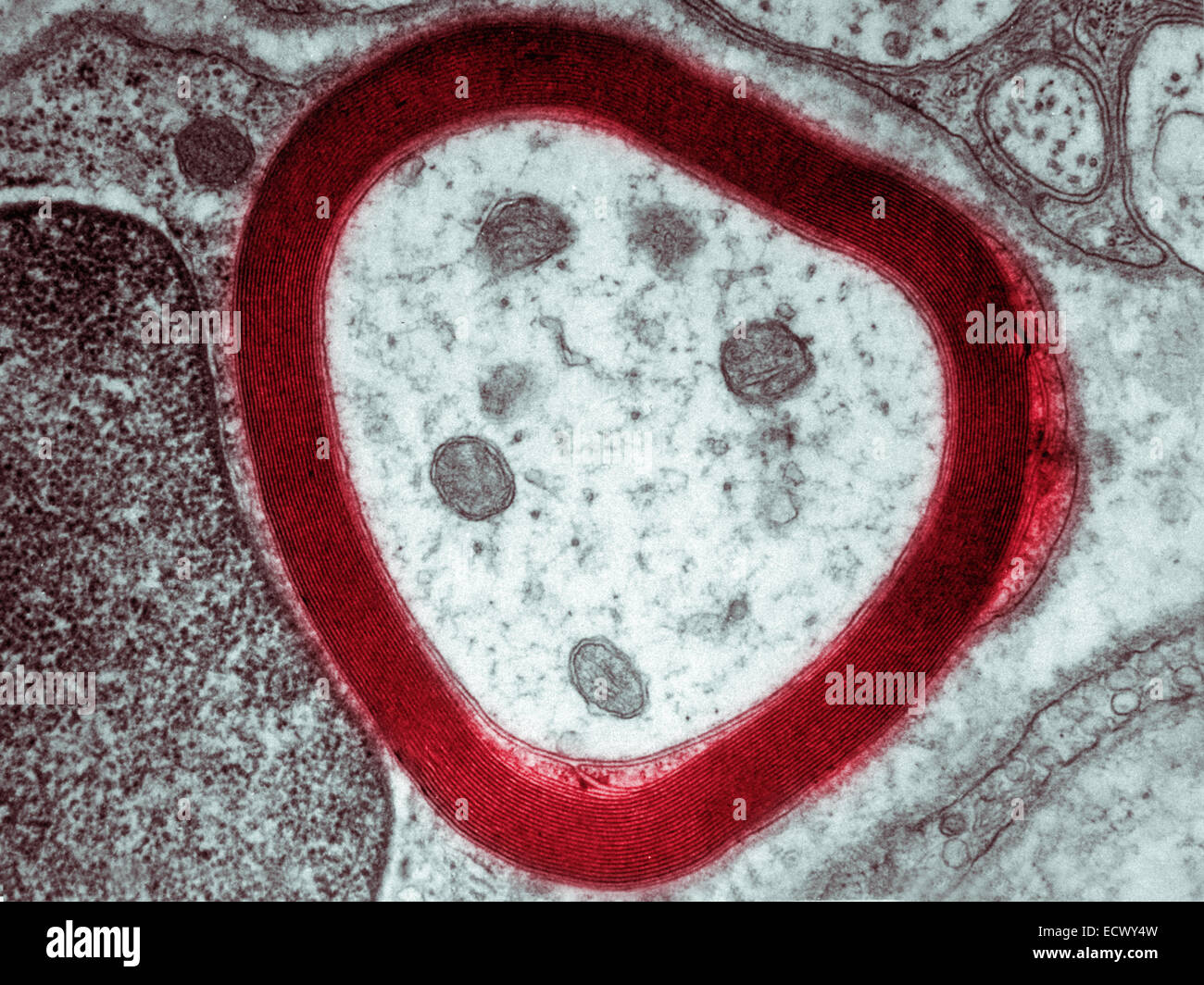
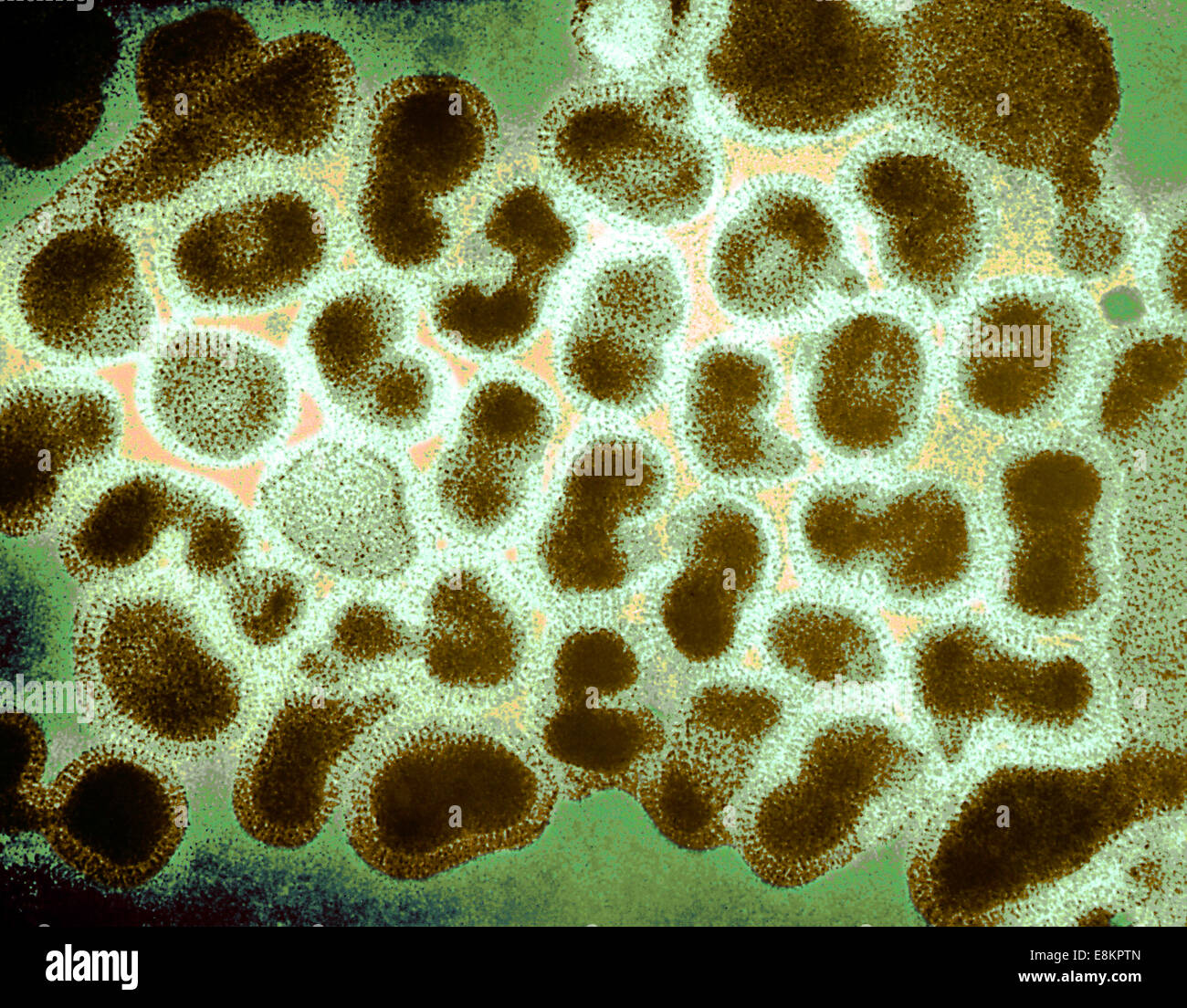
RME8KPTN鈥�This colorized transmission electron micrograph (TEM) depicts numbers of influenza virions while in their late passage growth
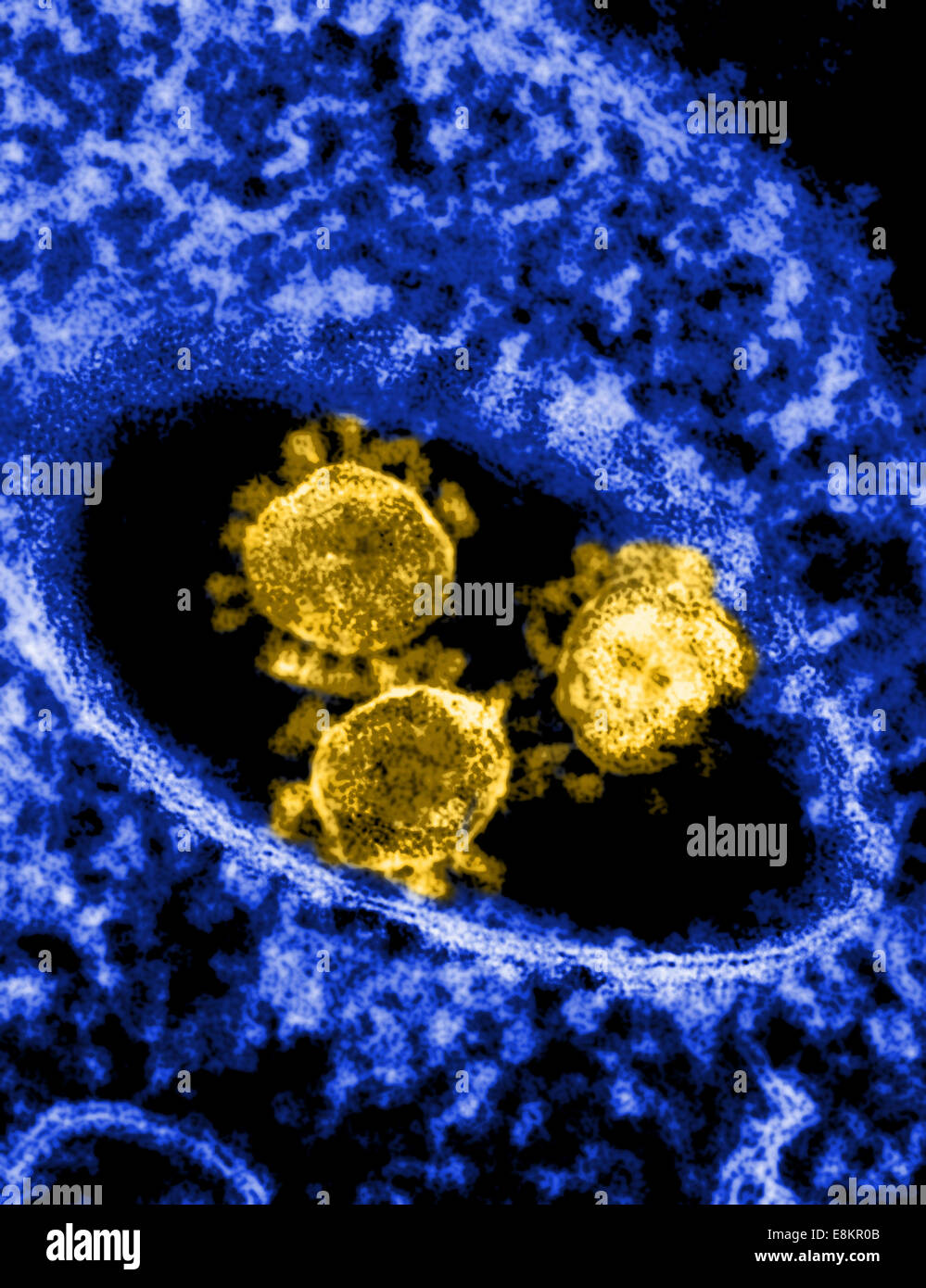
RME8KR0B鈥�Colorized transmission electron micrograph showing particles of Middle East Respiratory Syndrome Coronavirus that emerged in
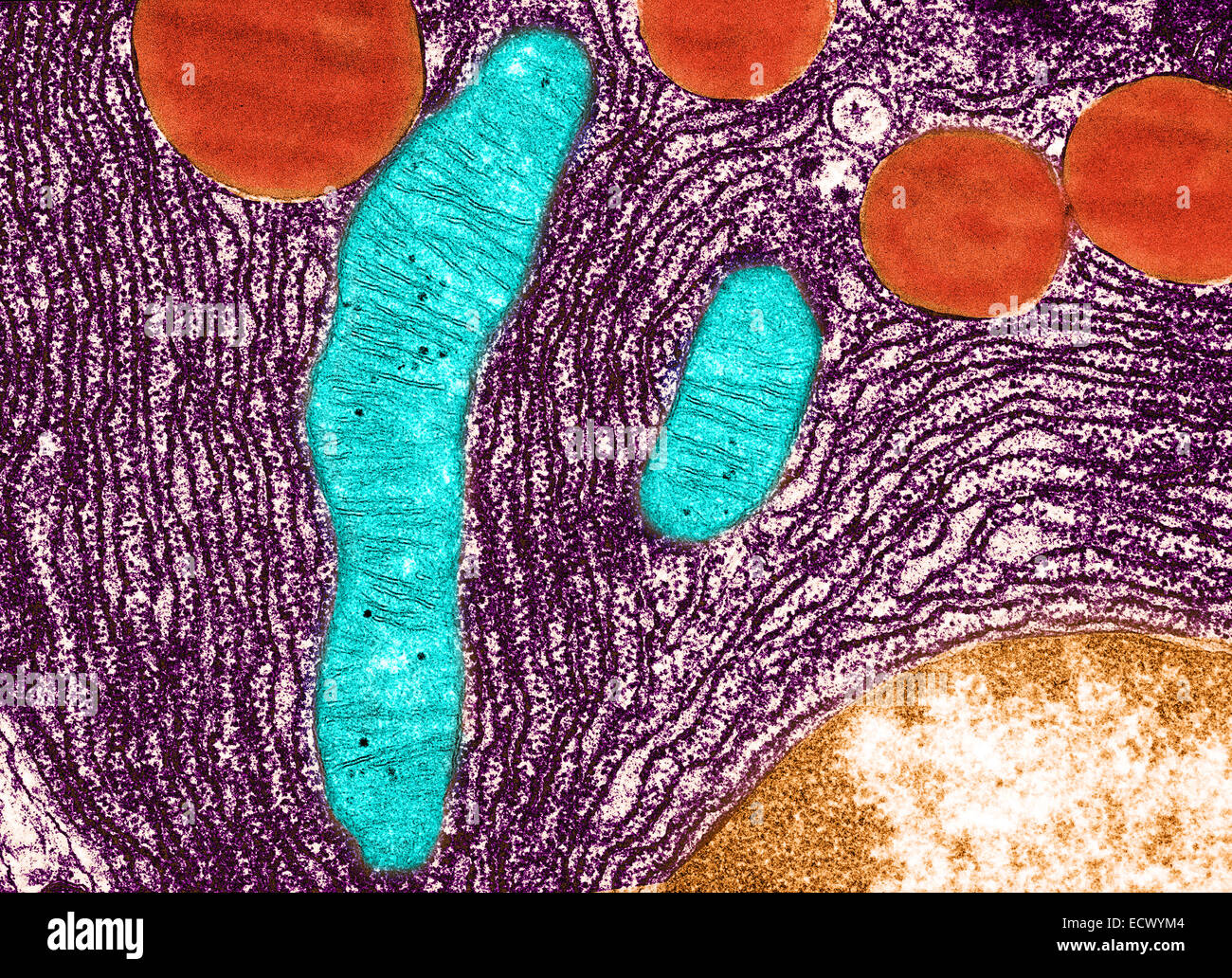
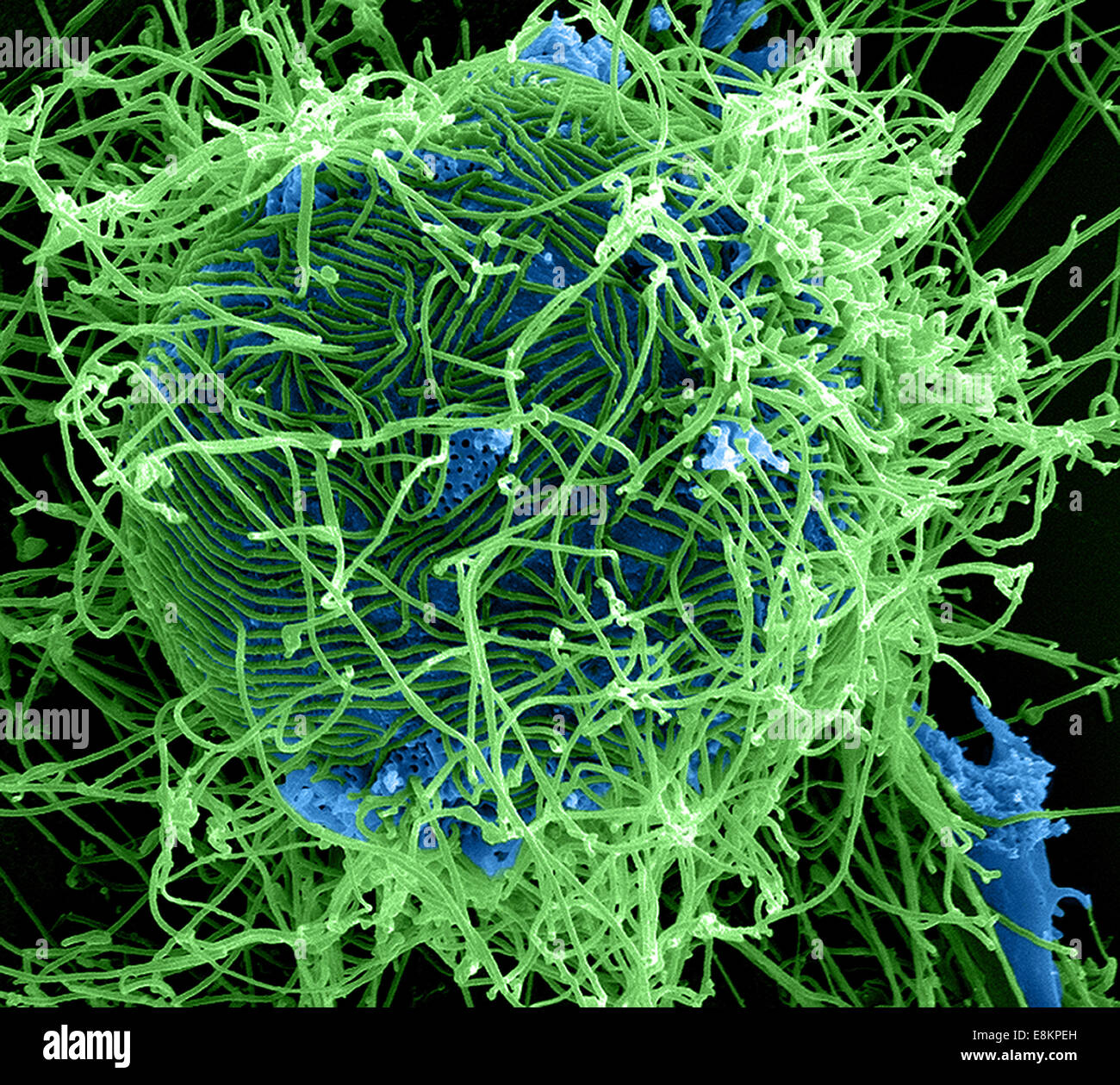
RME8KPEH鈥�Colorized scanning electron micrograph of filamentous Ebola virus particles (green) attached to and budding froma chronically
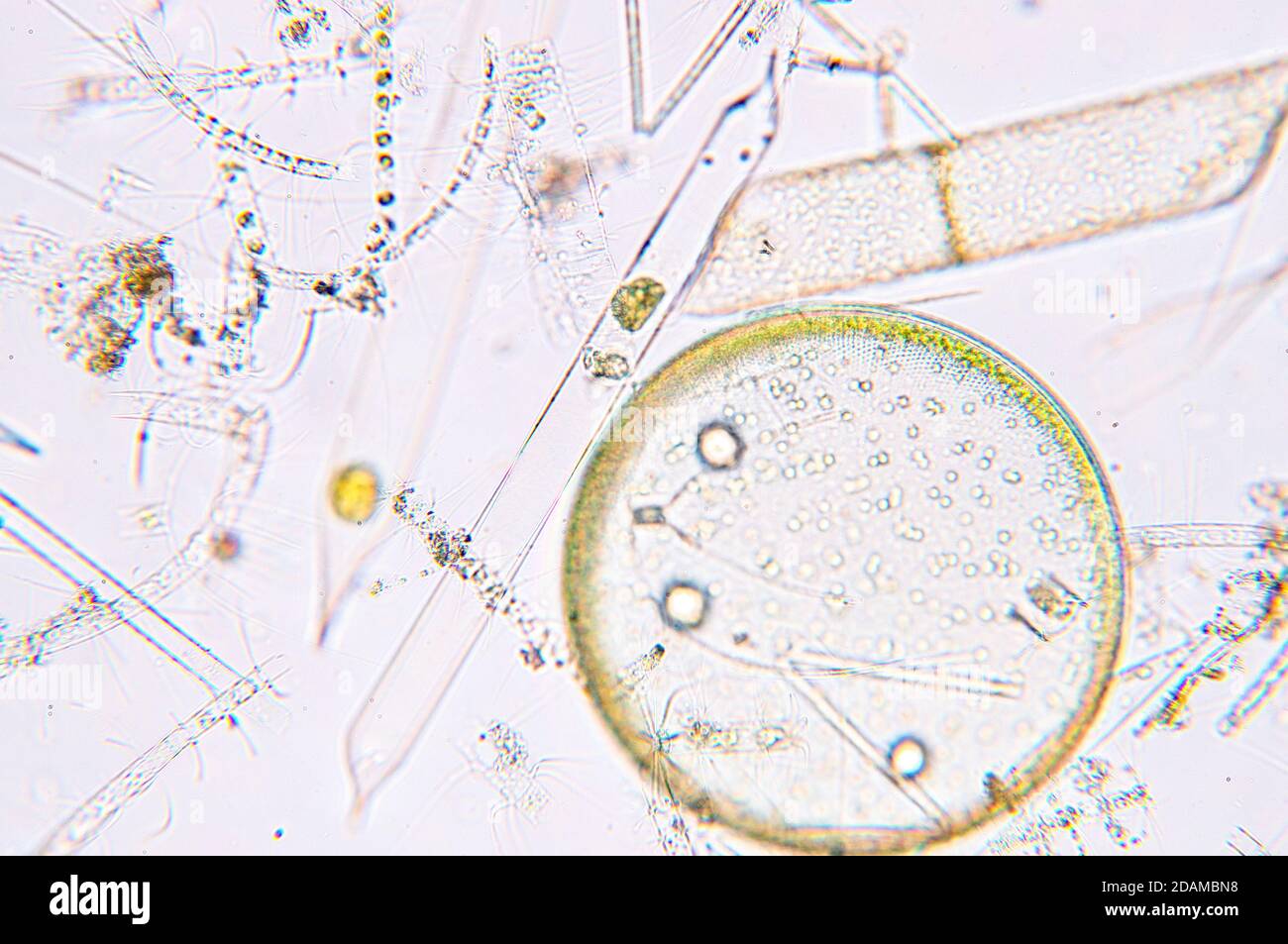
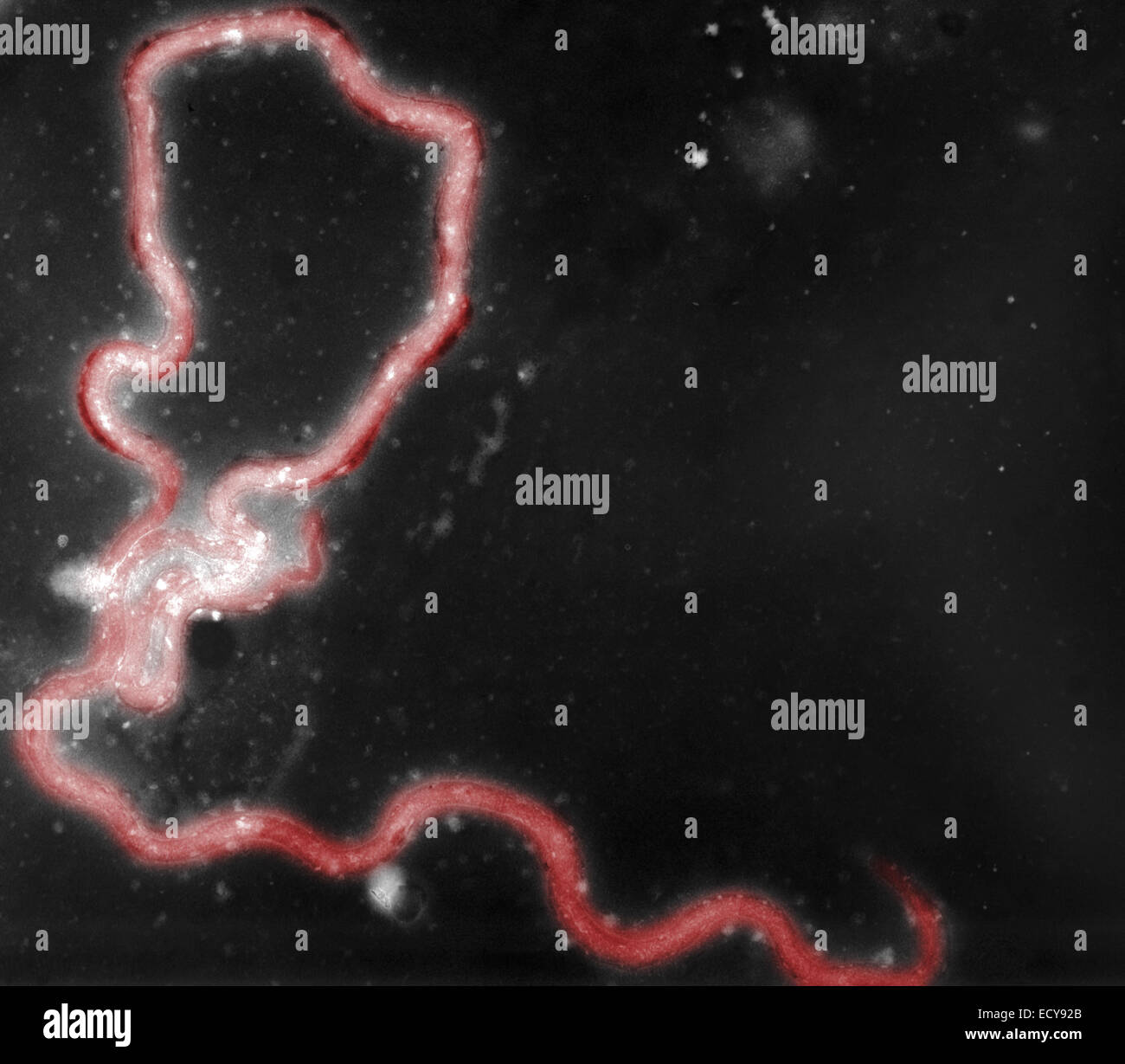
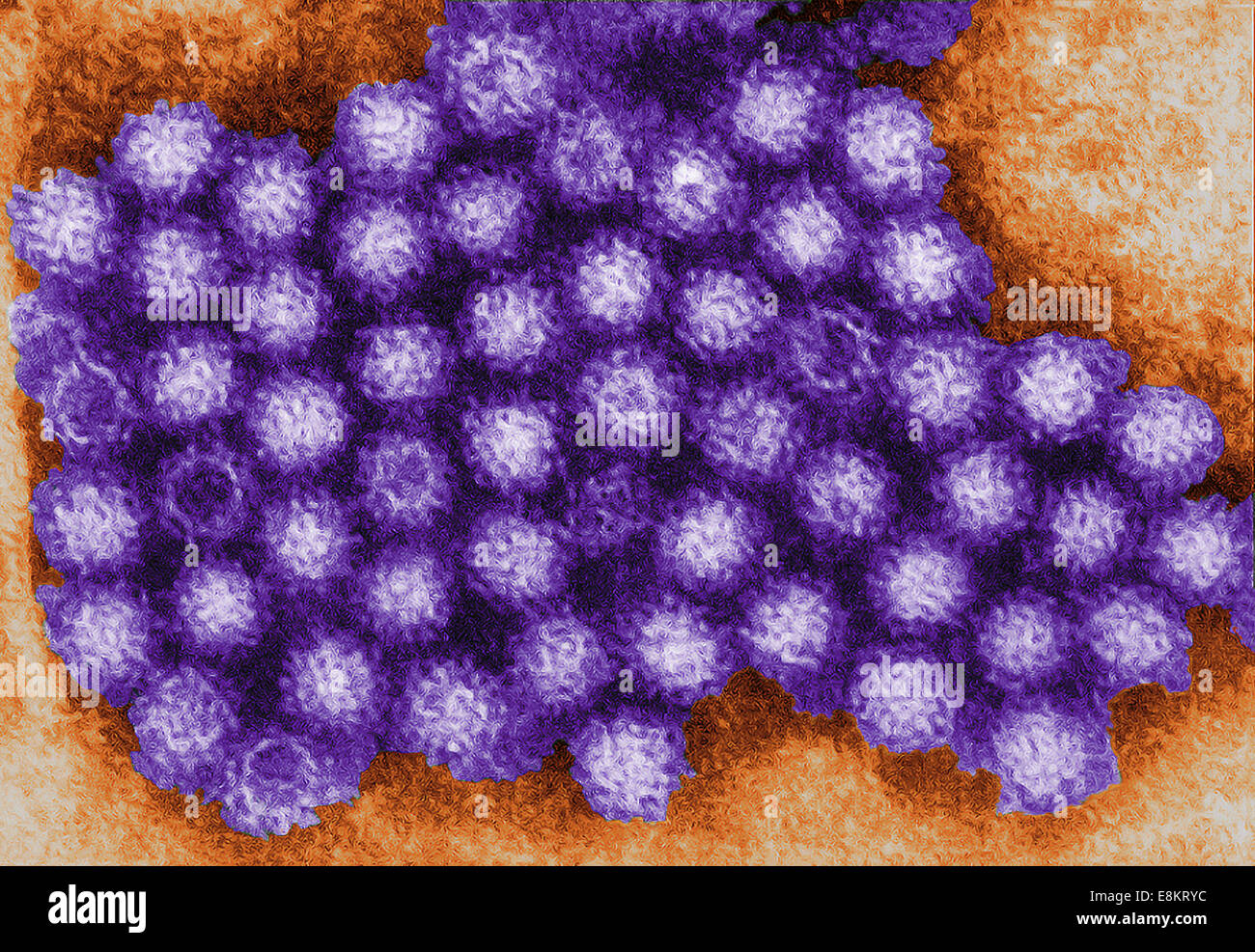
RME8KRYC鈥�This transmission electron micrograph (TEM) revealed some of ultrastructural morphology displayed by norovirus virions, or
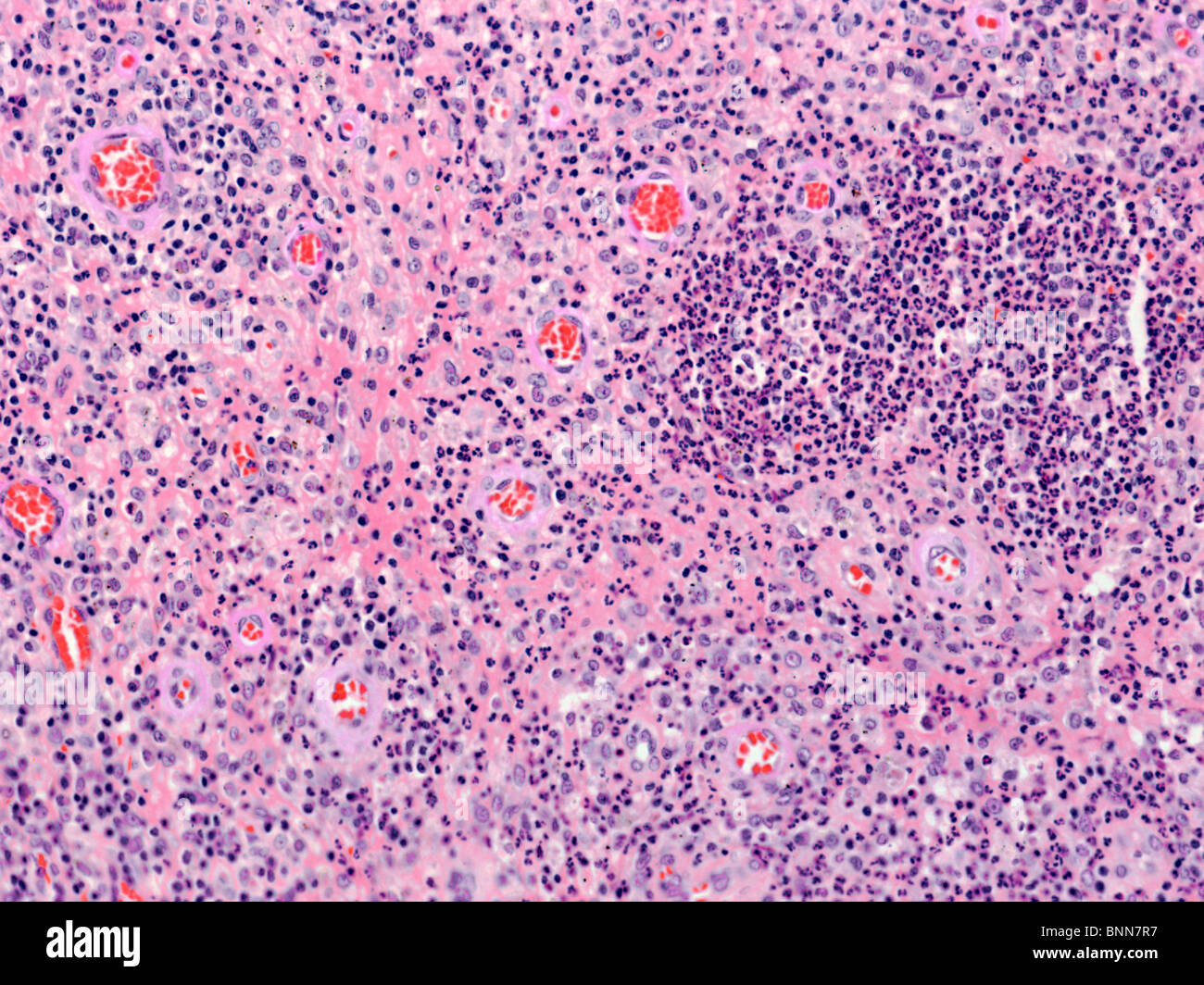
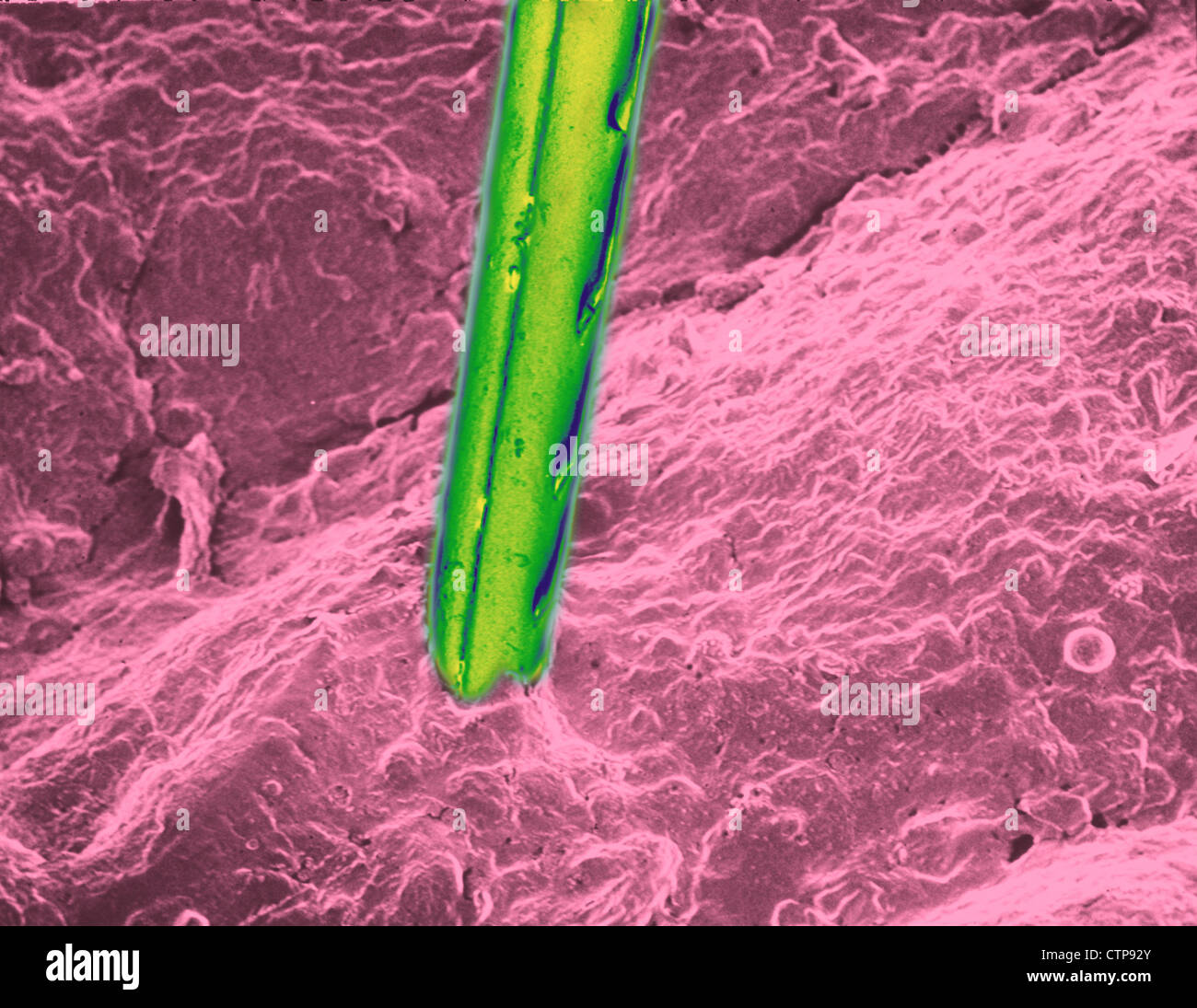
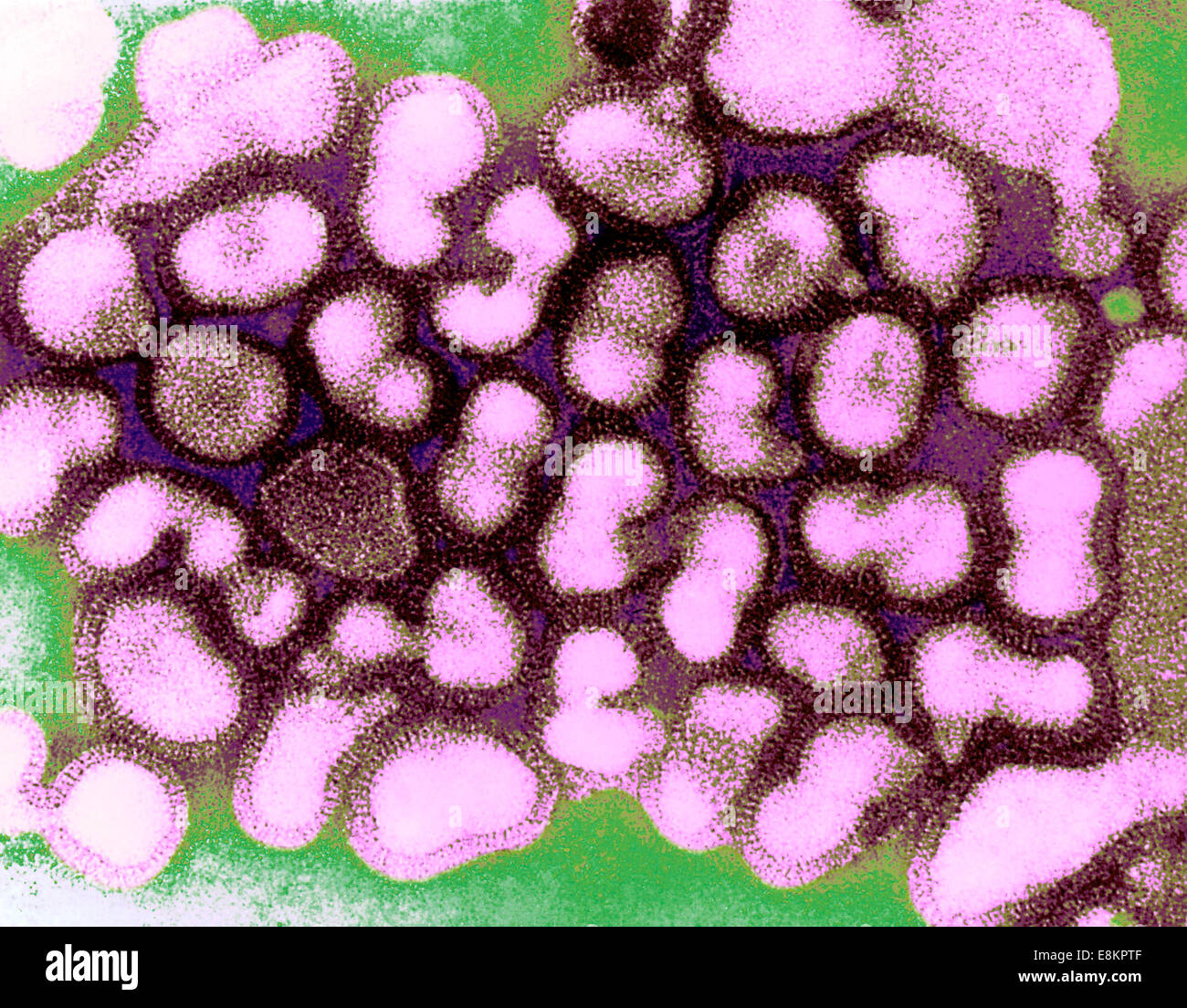
RME8KPTF鈥�This colorized transmission electron micrograph (TEM) depicts numbers of influenza virions while in their late passage growth
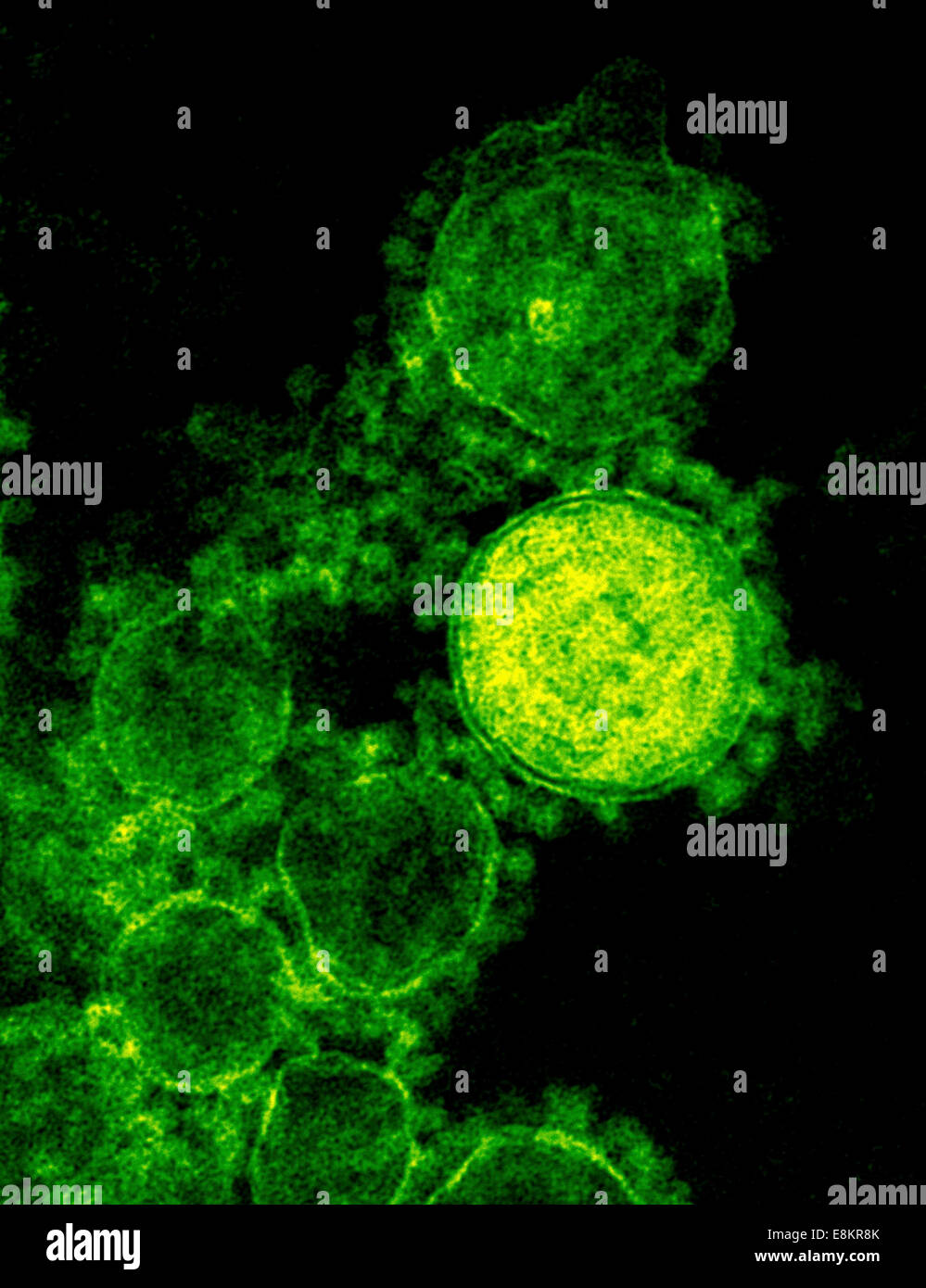
RME8KR8K鈥�Colorized transmission electron micrograph showing particles of Middle East respiratory syndrome coronavirus that emerged in
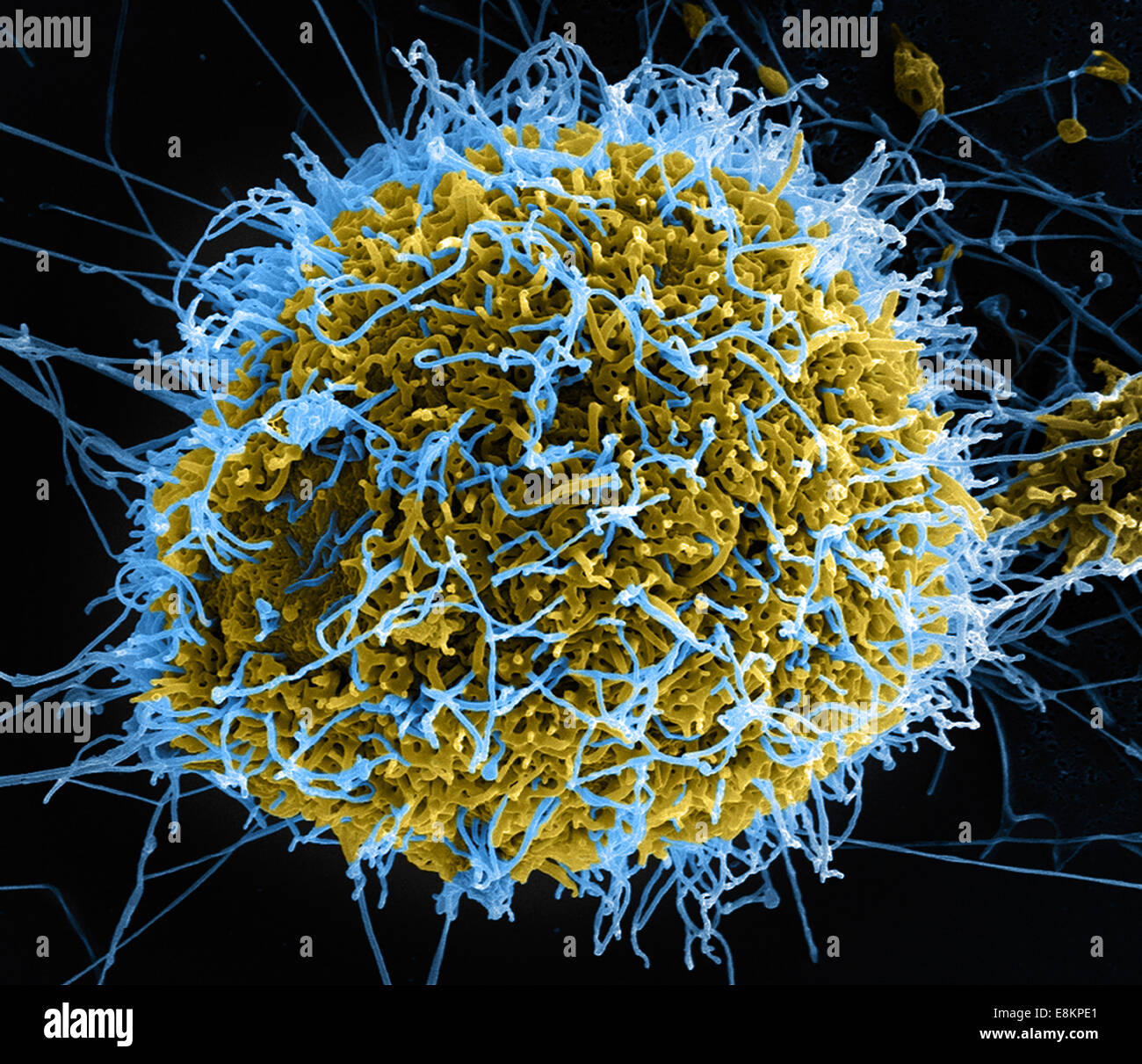
RME8KPE1鈥�Colorized scanning electron micrograph of filamentous Ebola virus particles (blue) budding from chronically infected VERO E6