Quick filters:
Micrograph Stock Photos and Images
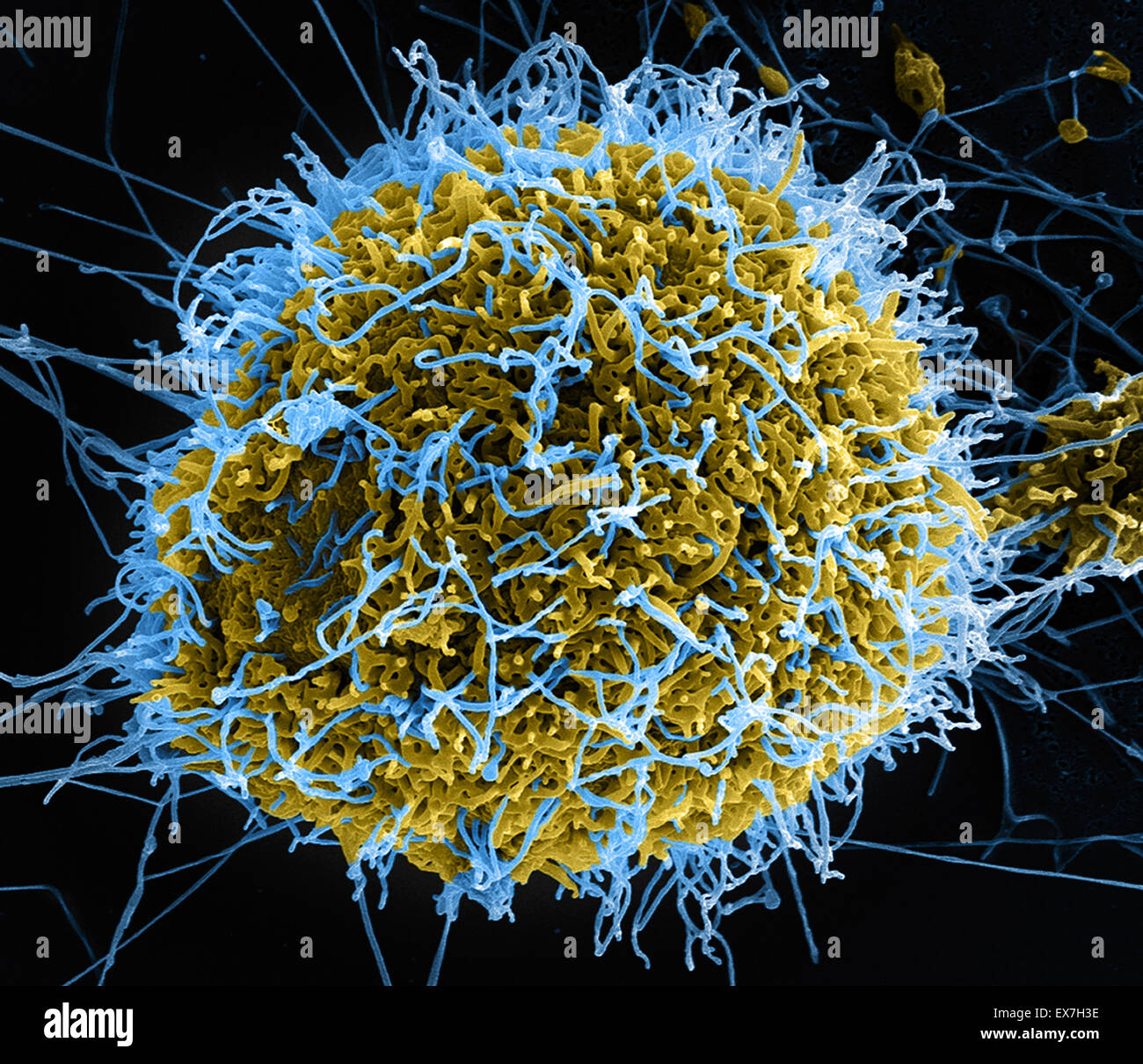
RMEX7H3E鈥�Filamentous Ebola virus particles (colored blue) budding from a chronically-infected VERO E6 cell
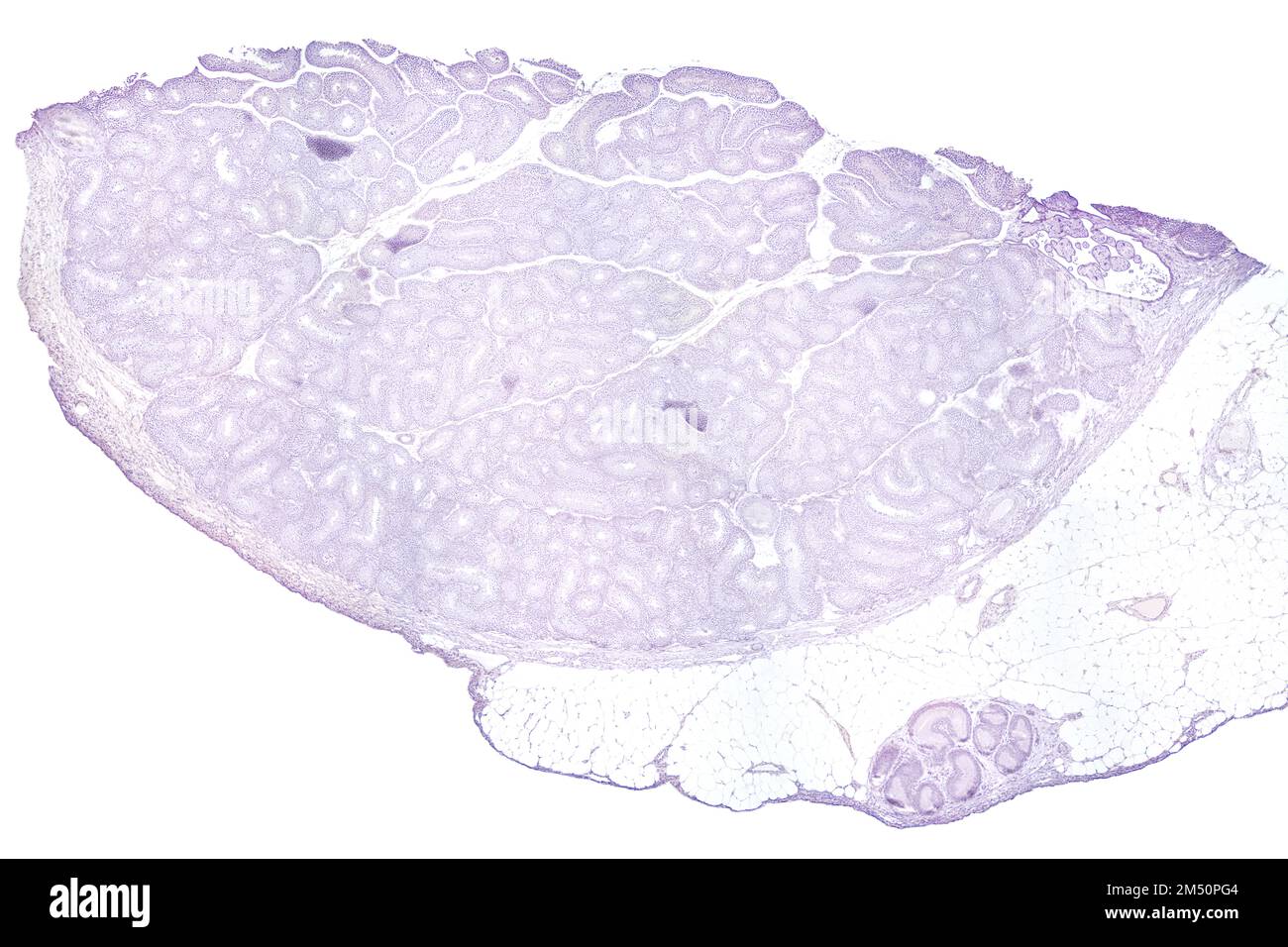
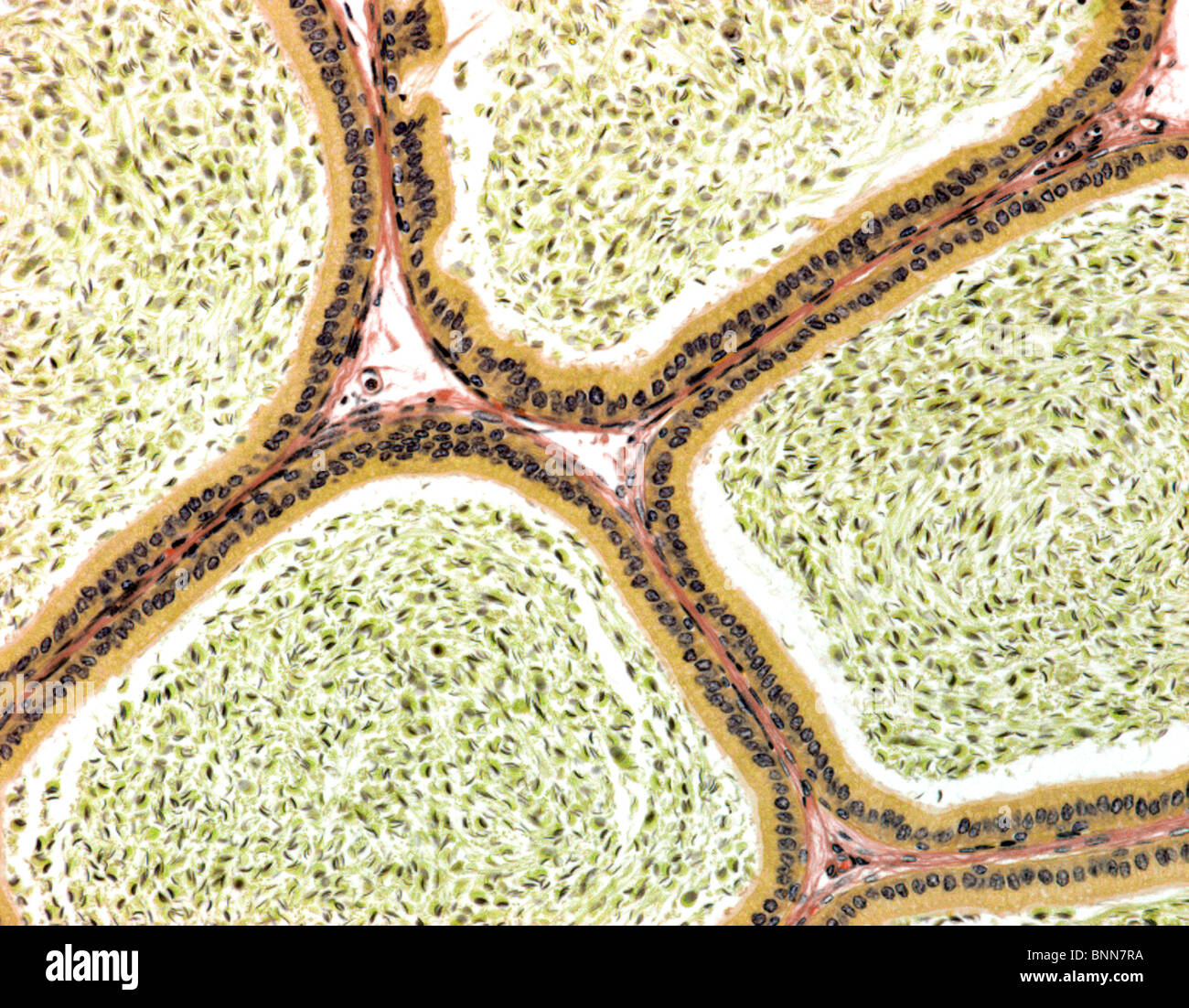
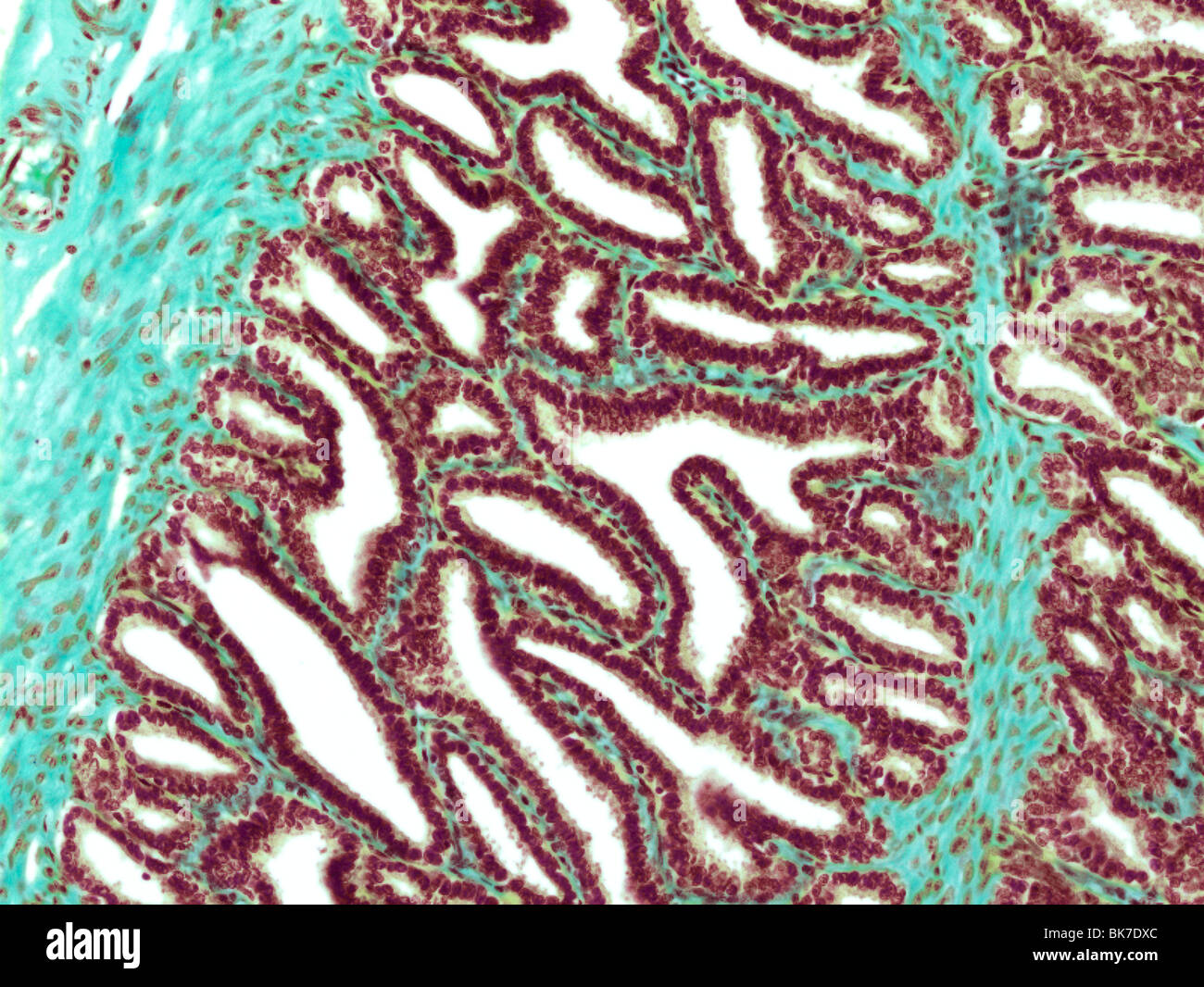
RF2M50PG4鈥�Testis, transverse section, 20X light micrograph. Testicle, the male reproductive gland, under the light microscope, T.S.
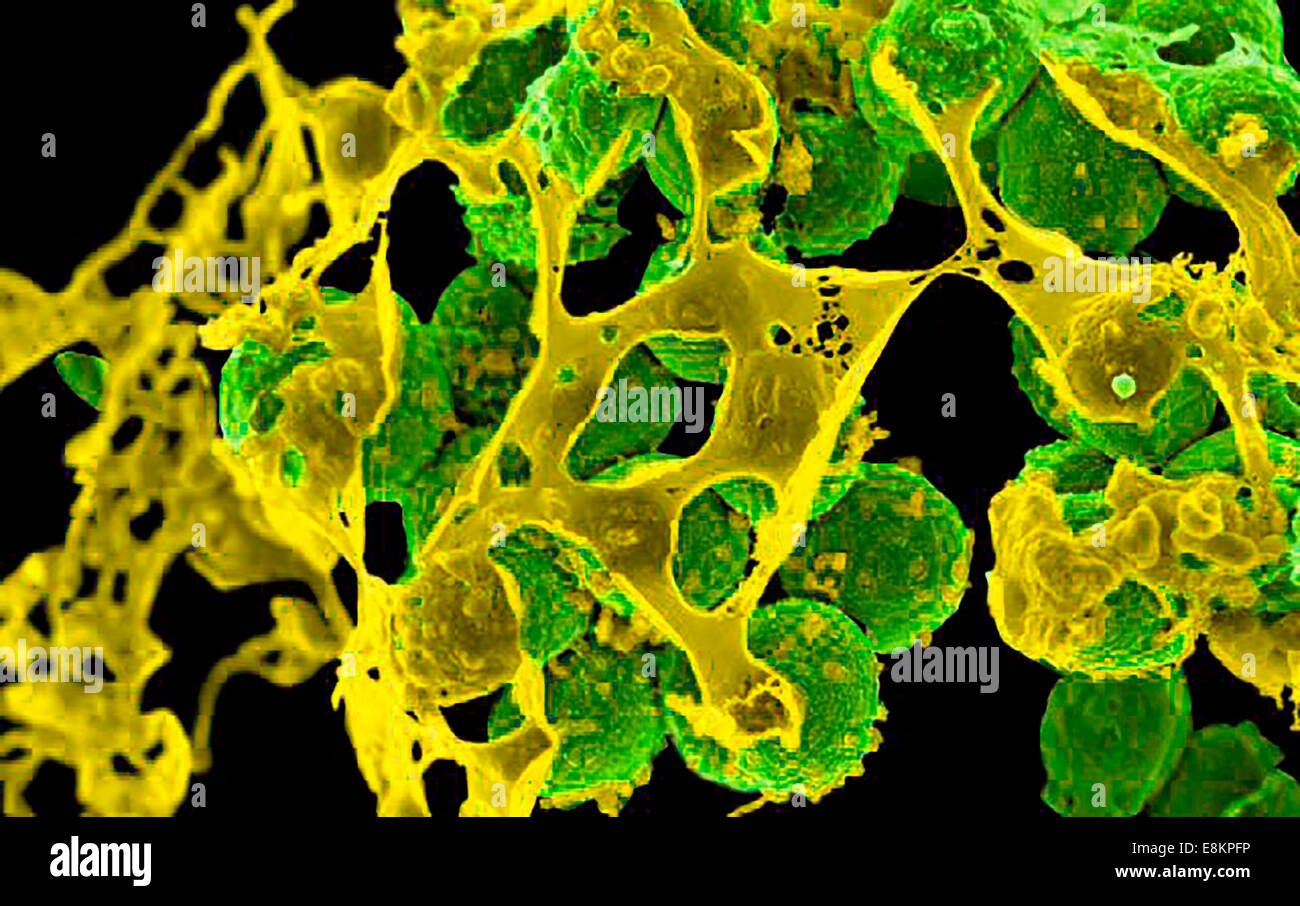
RME8KPFP鈥�Scanning electron micrograph of methicillin-resistant Staphylococcus aureus (MRSA, green) surrounded by cellular debris MRSA
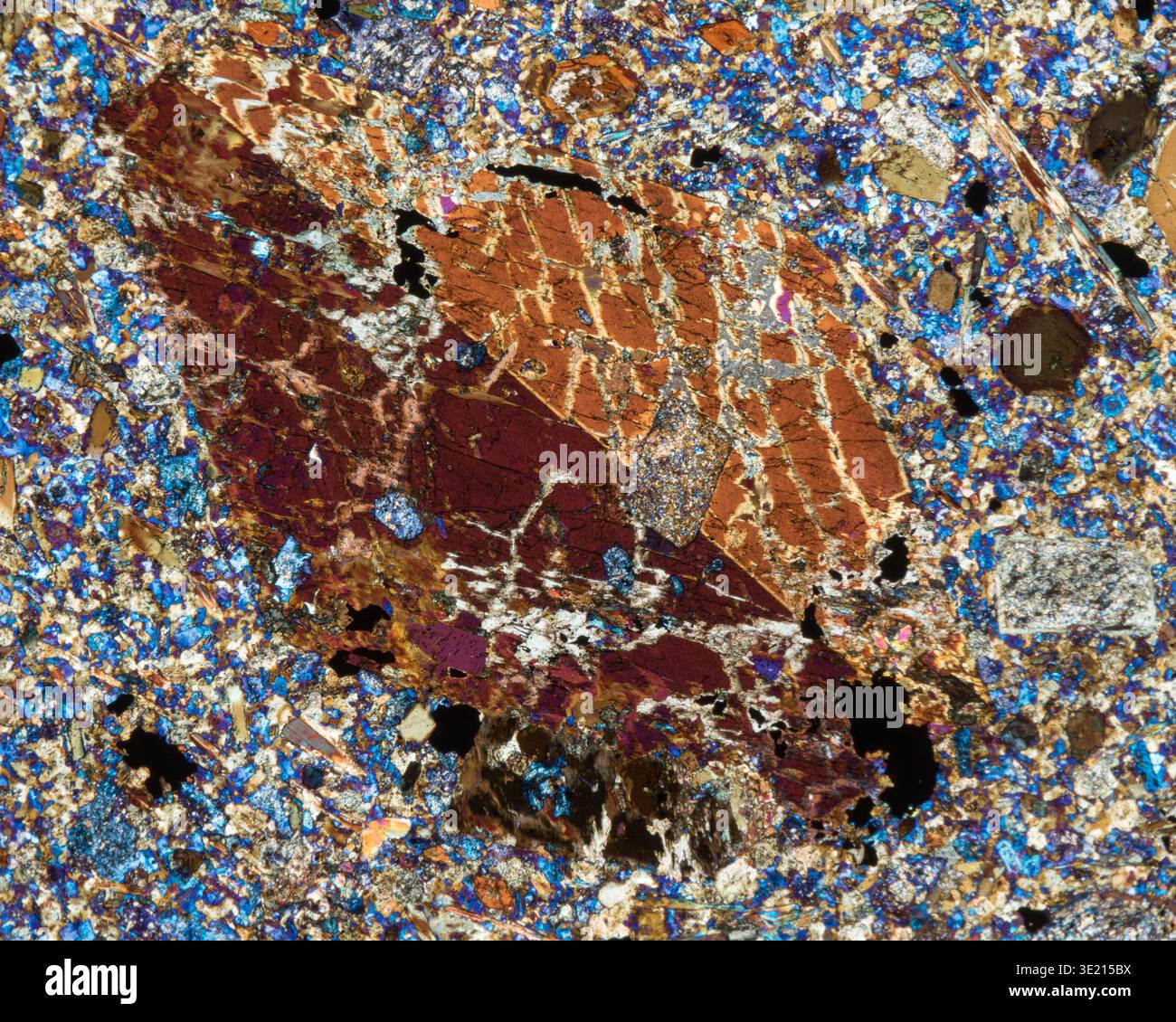
RM3E215BX鈥�Polarised light micrograph of a sample of basalt from the Ulten Valley, South Tyrol, Italy. Basalt is formed when the earth's mantle melts. The thin, low-silica magma cools relatively quickly when released to the Earth's surface or ocean. The magma usually contains inclusions (xenocryst) of minerals or entire rocks (xenolite) with a higher melting point, which were carried along during the ascent. Basalt consists mainly of a mixture of iron and magnesium silicates with pyroxene and calcium-rich feldspar (plagioclase) and also olivine. Magnification: x60 when printed at 15 centimetres wide.
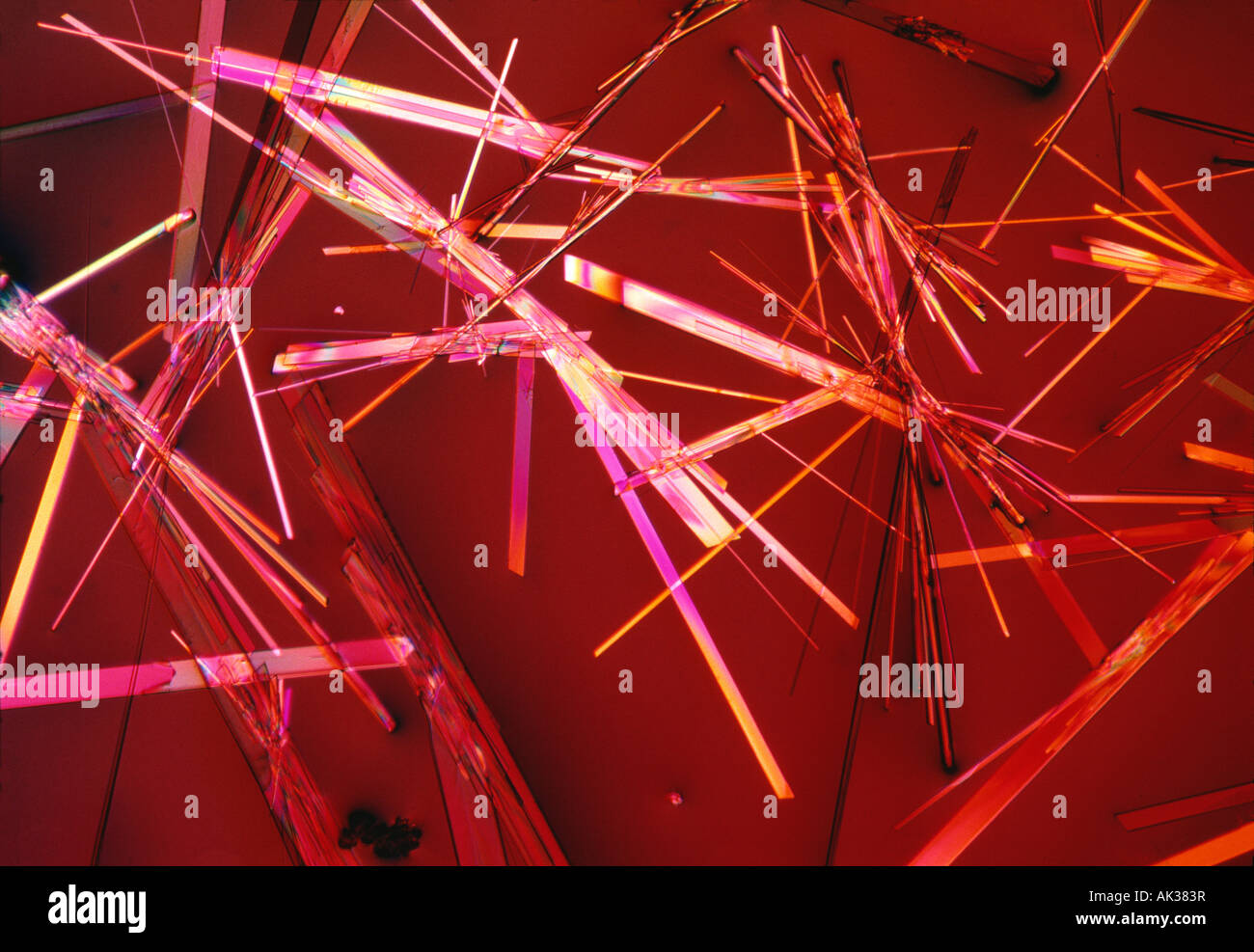
RMAK383R鈥�Still life. Microscopic image of chemical crystals in polarised light. Salt (Sodium Carbonate).
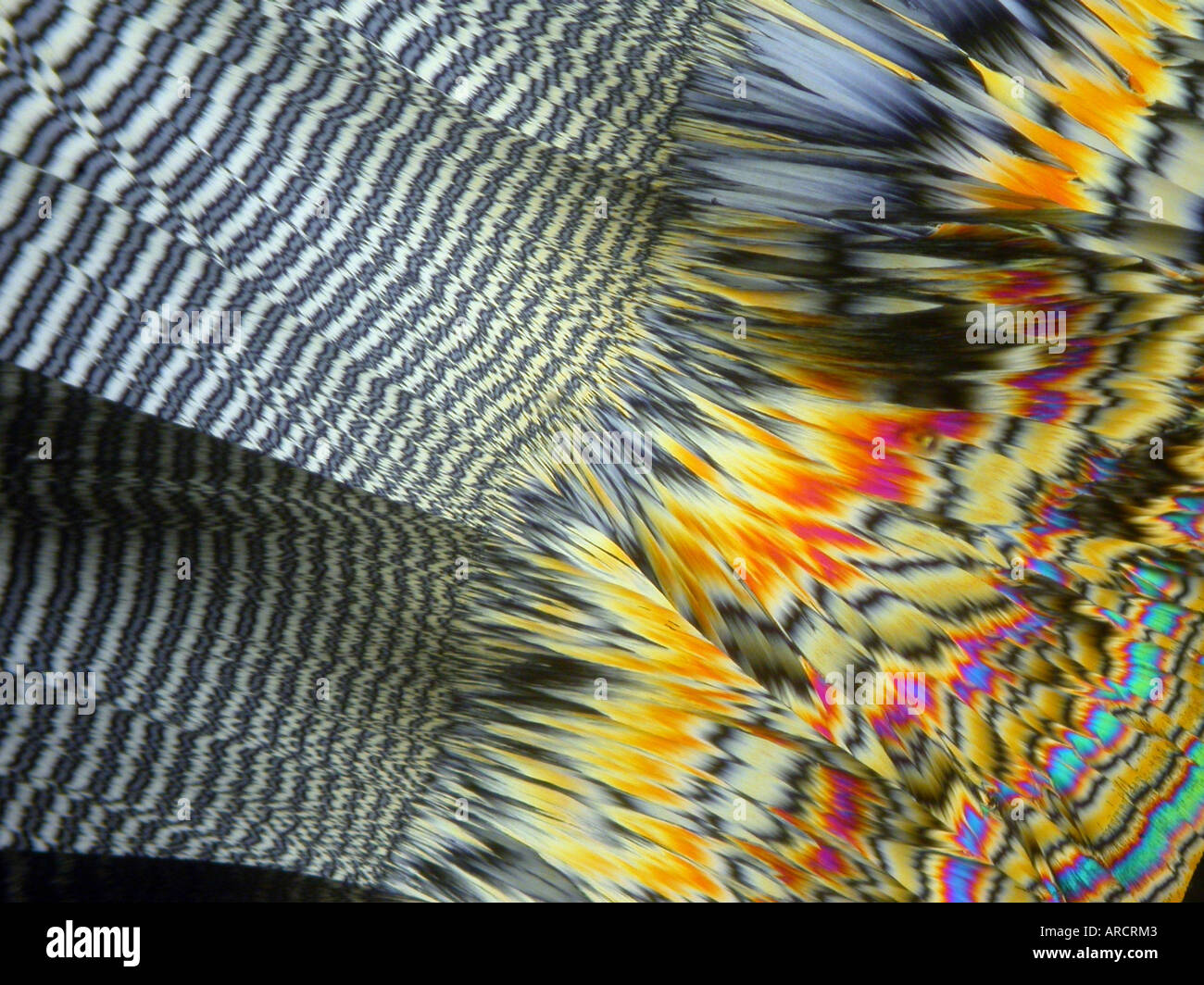
RMARCRM3鈥�Cholesterol is a steroid, a lipid, and an alcohol, found in the cell membranes of all body tissues.
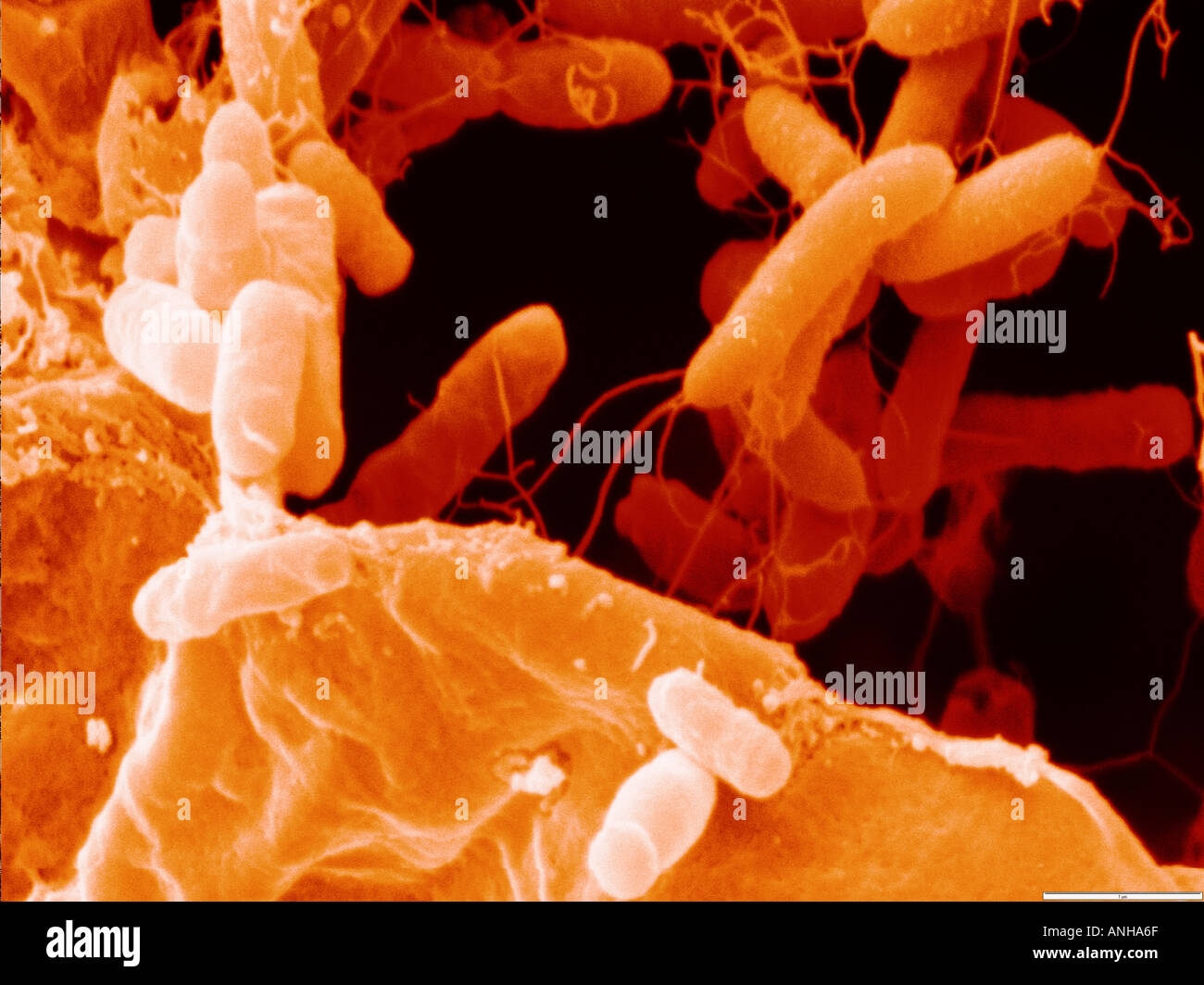
RMANHA6F鈥�Color enhanced scanning electron micrograph of Agrobacterium tumefaciens which causes crown gall disease in a wide range of plan
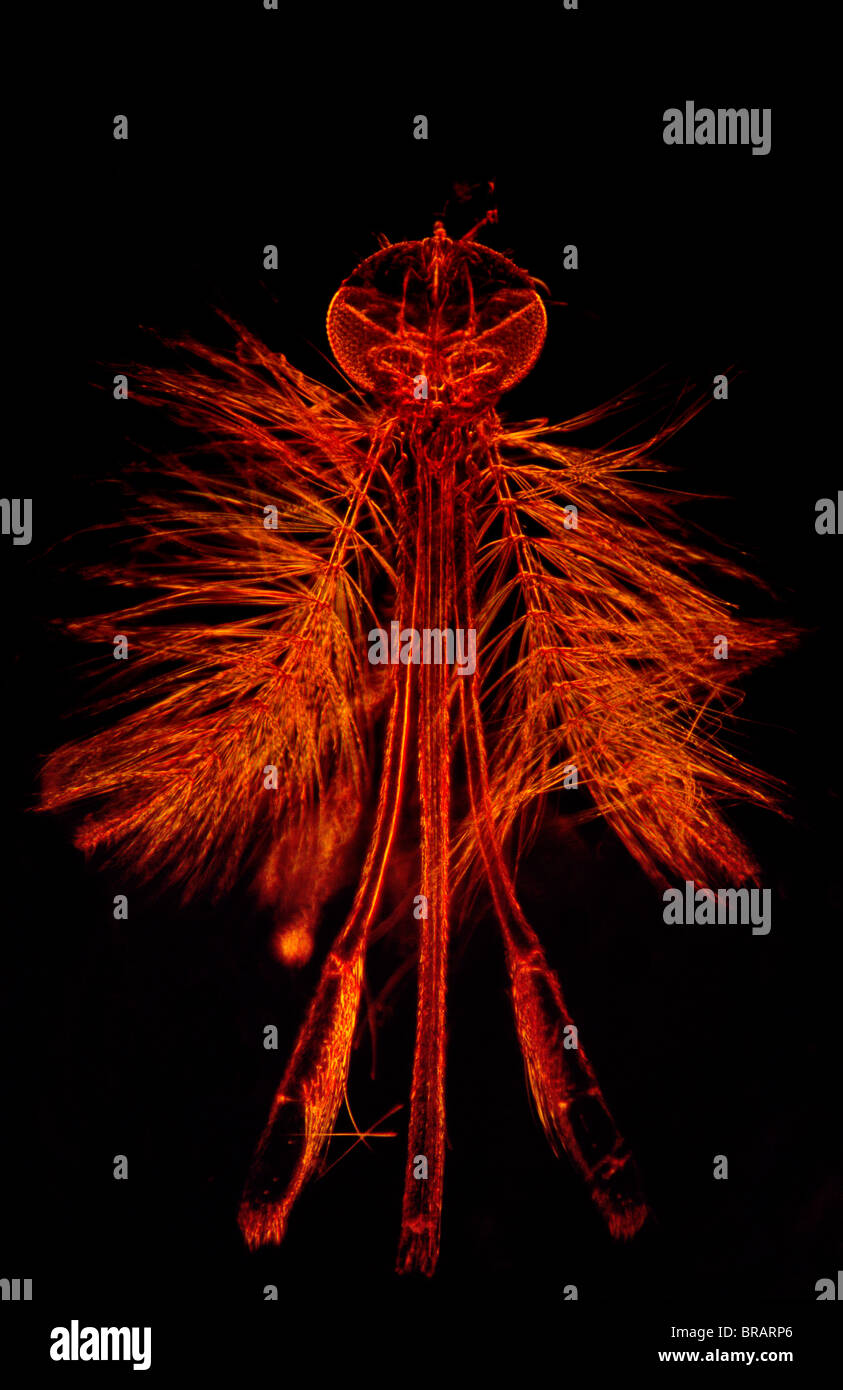
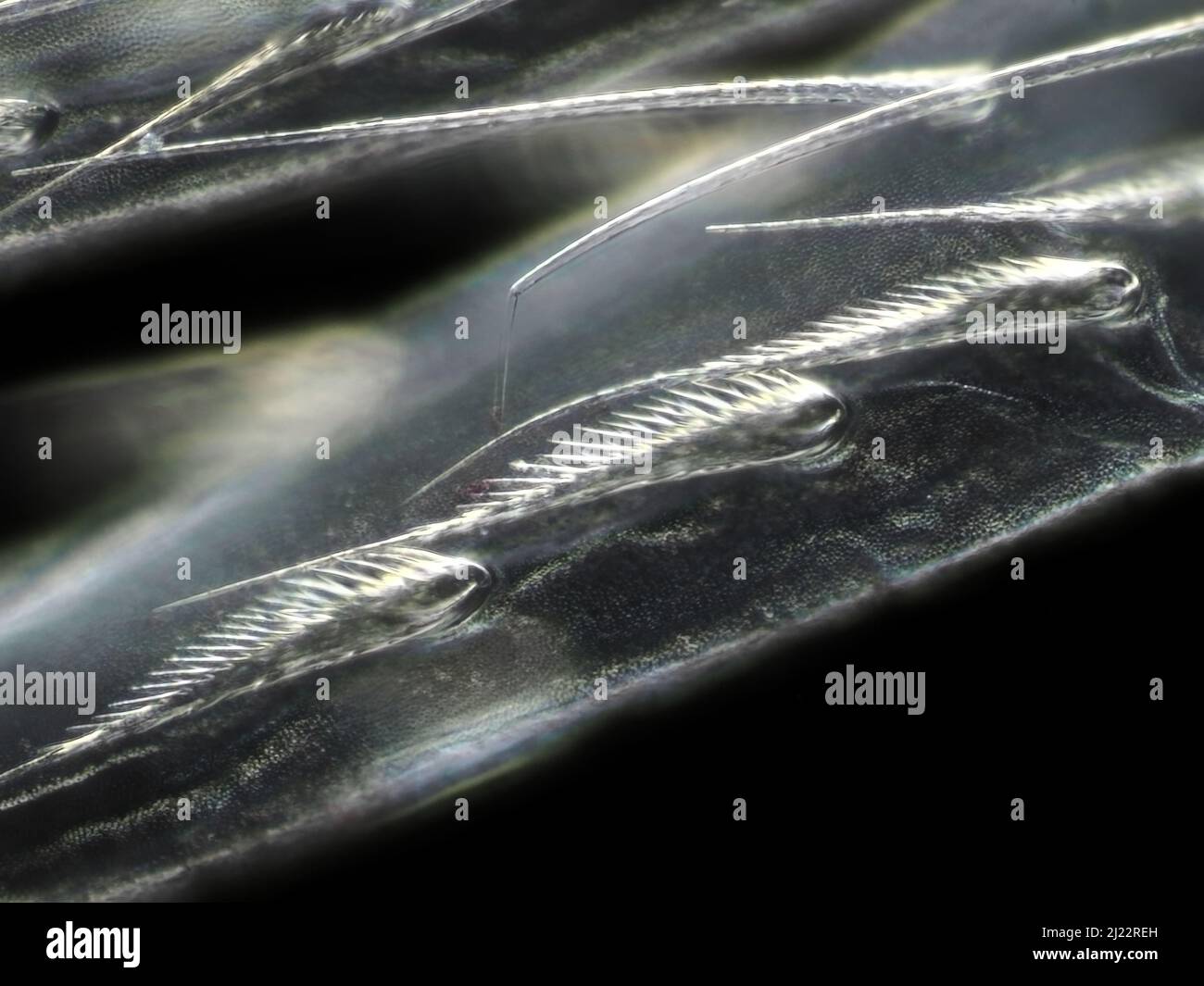
RMBRARP6鈥�Dark Field Light Micrograph of a male Mosquito (Anopheles sp.), magnification x 65 (if print A4 size: 29.7 cm wide)
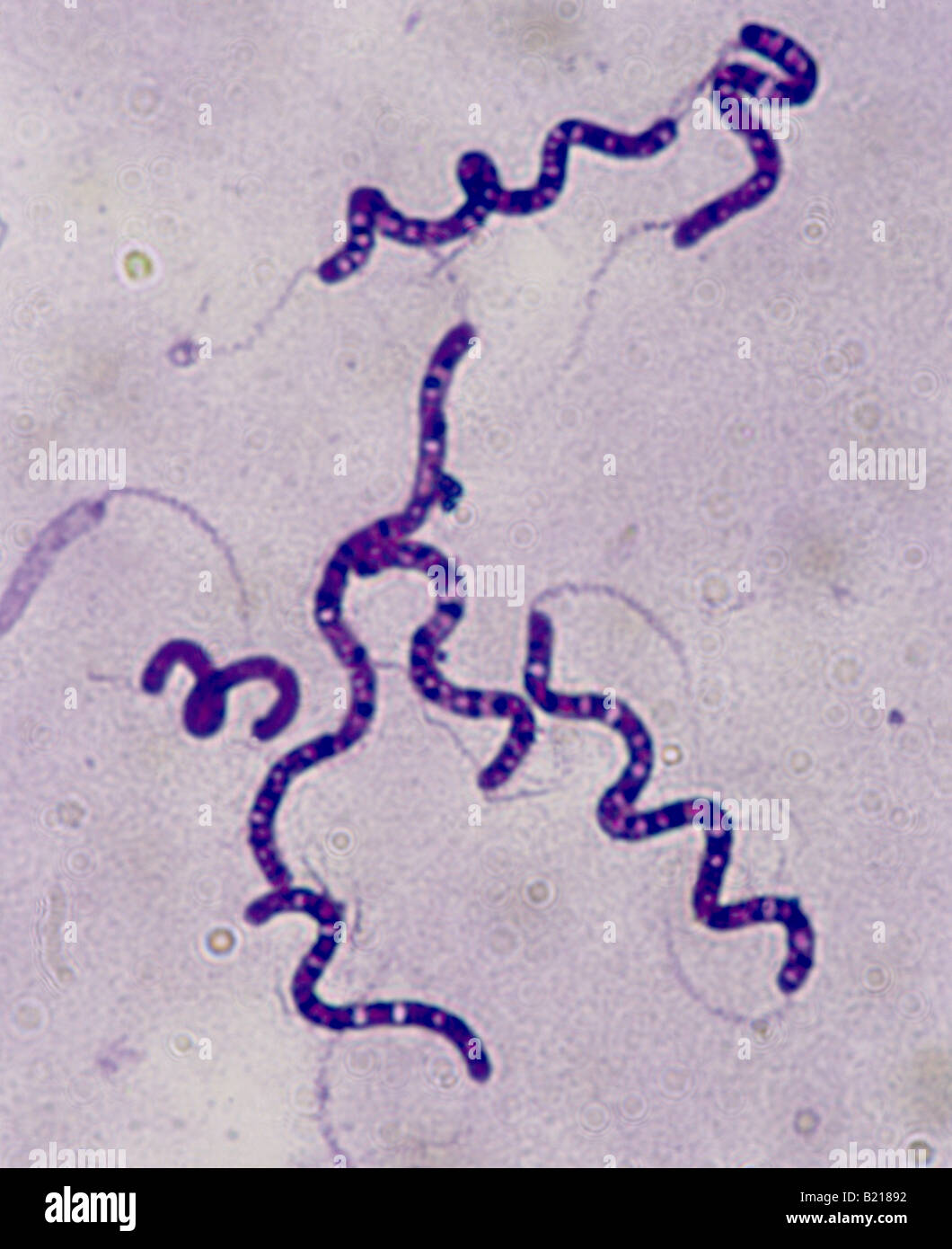
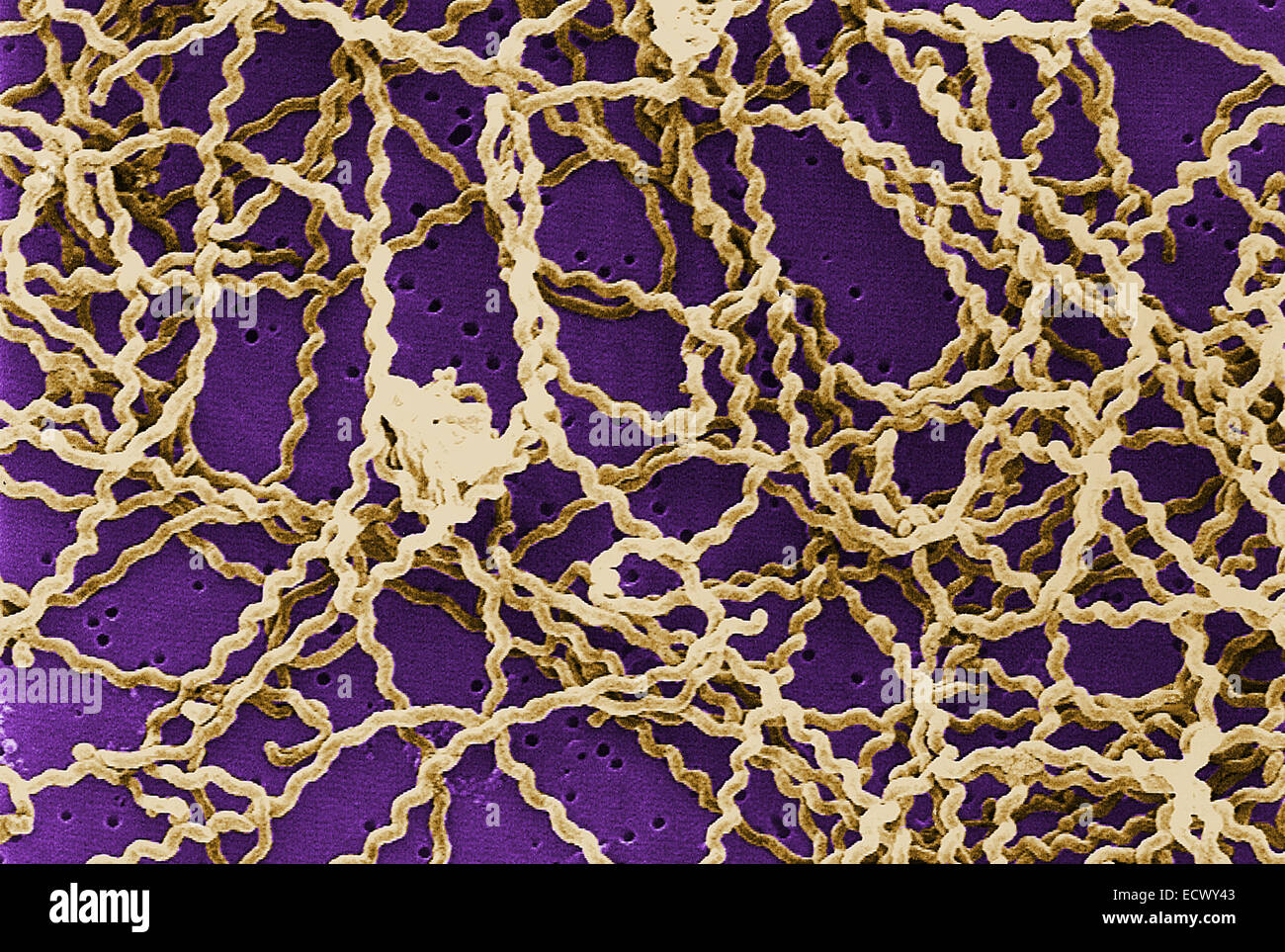
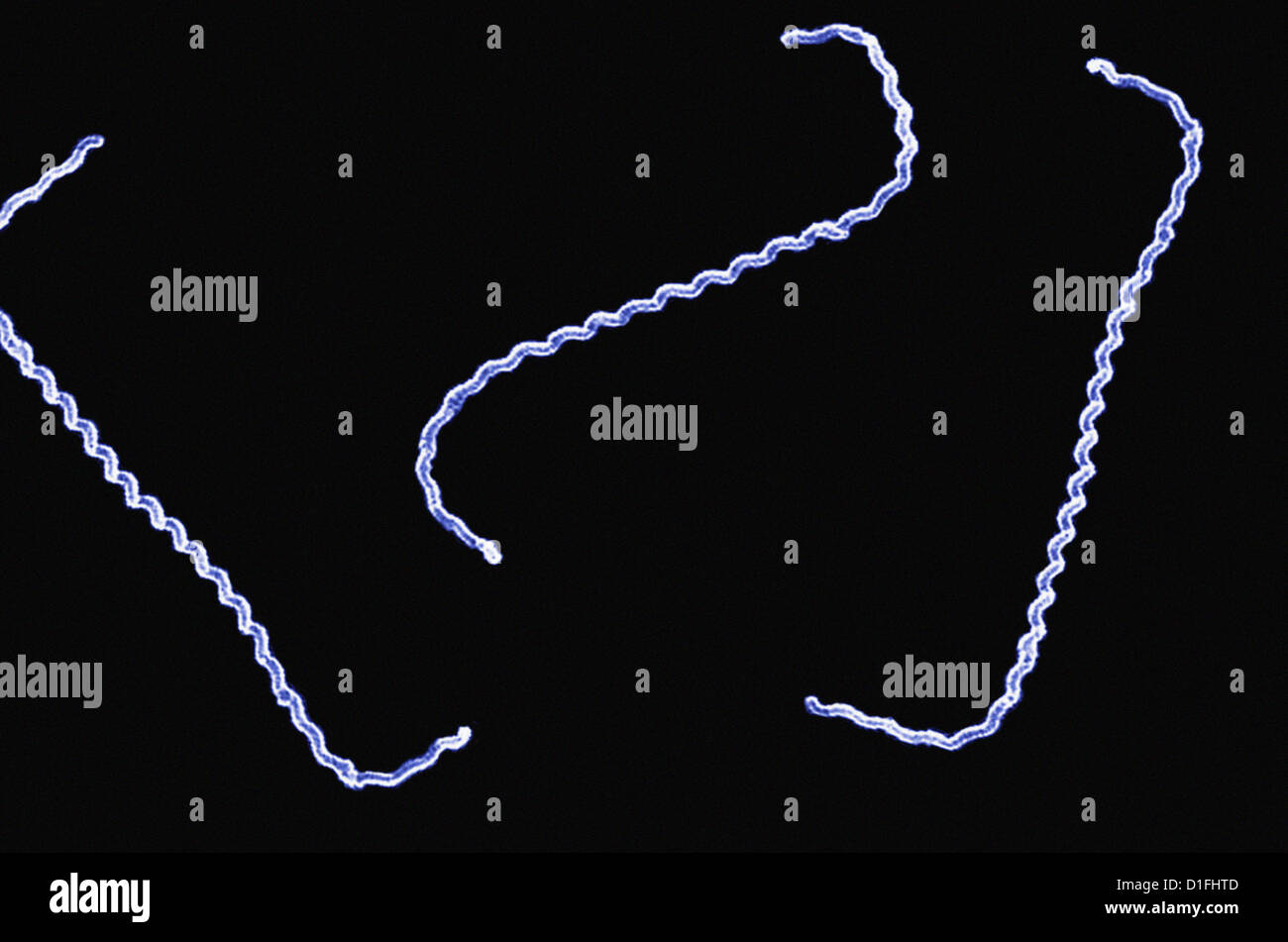
RMB21892鈥�BACTERIA SPIRILLUM SPIRILLUM VOLUTANS LARGEST KNOWN SPIRILLUM SHOWS THE FLAGELLA 1000X OIL STUDIO
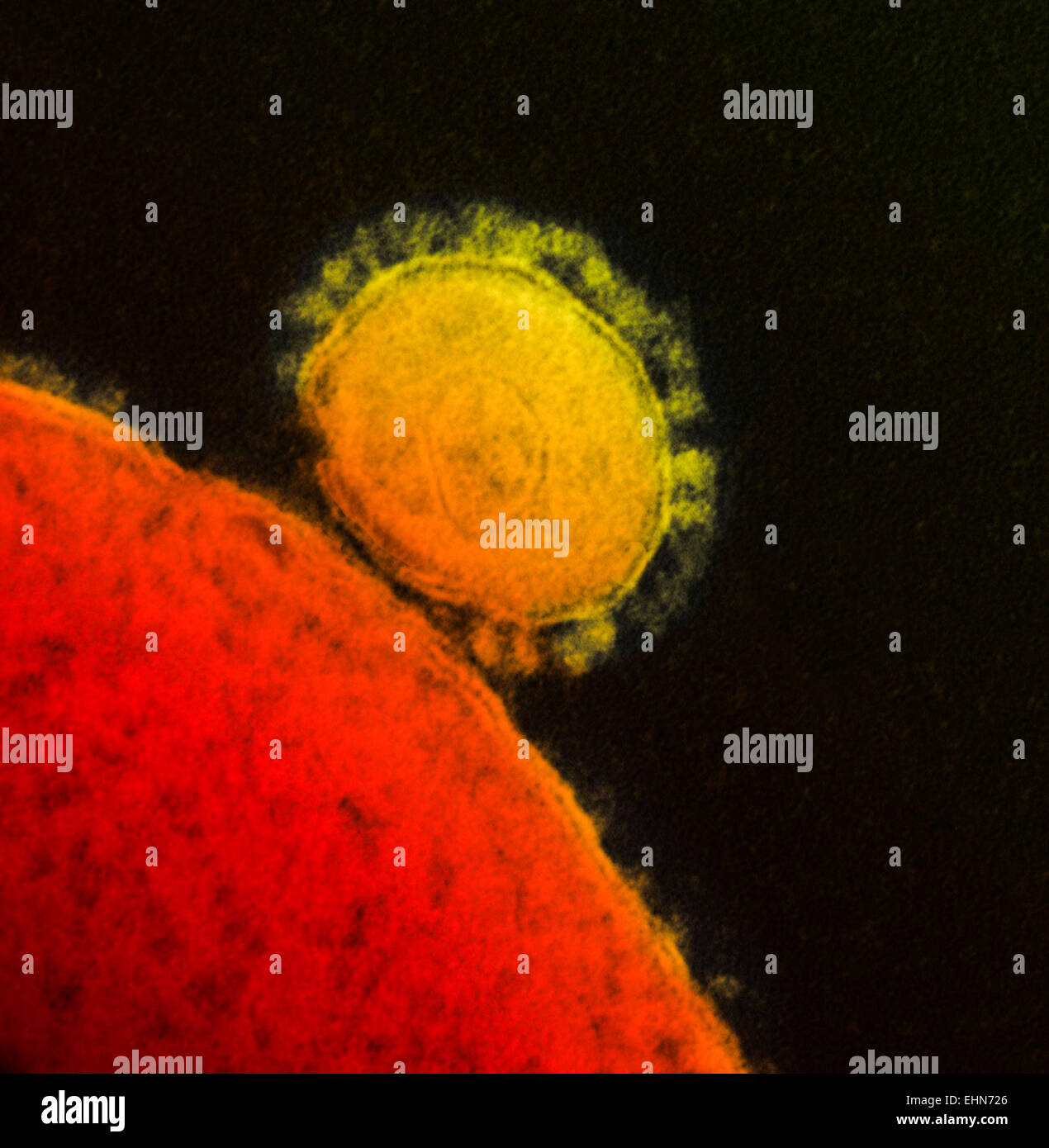
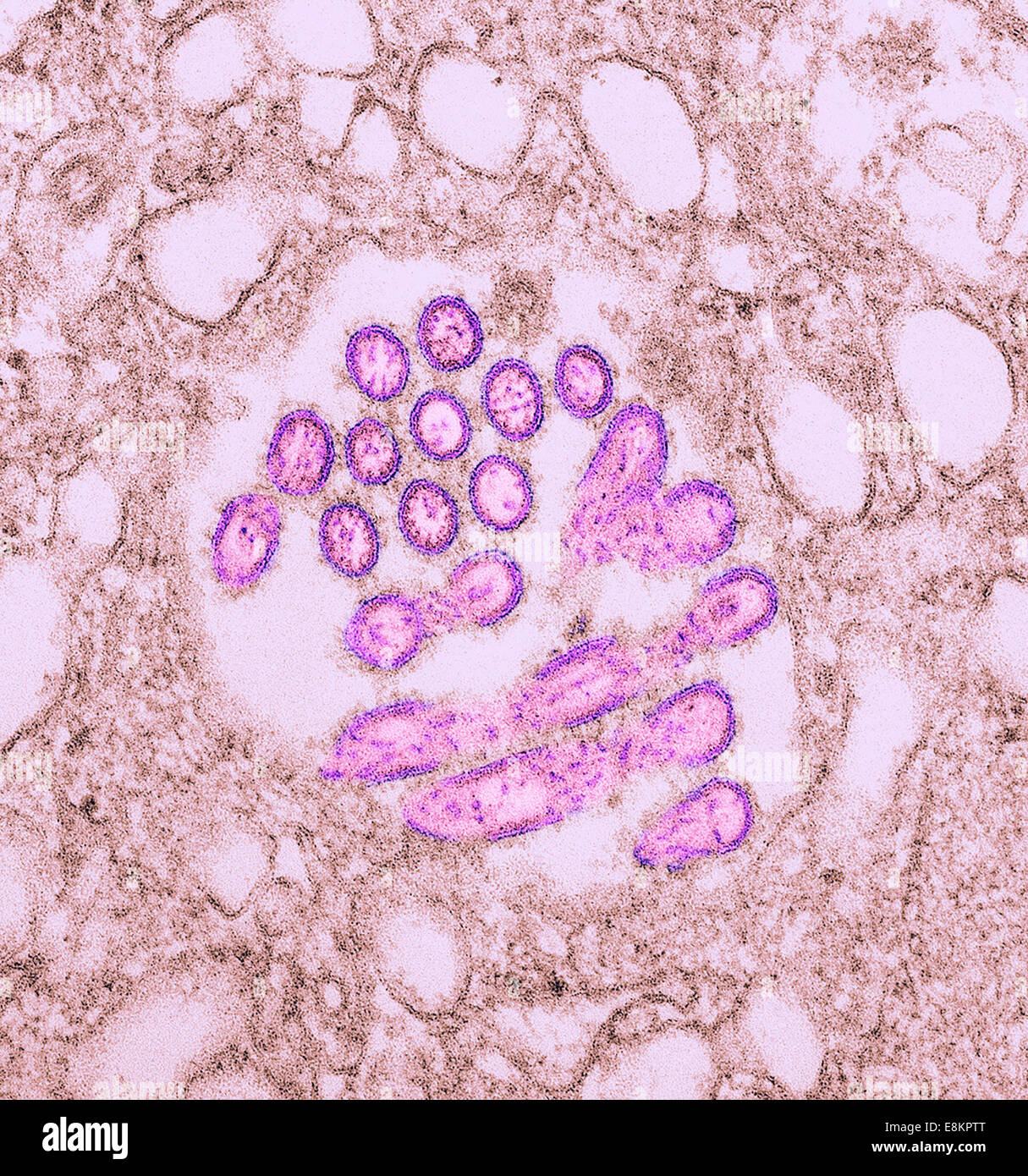
RMEHN726鈥�Coloured transmission electron micrograph (TEM) of a MERS coronavirus particle , this virus (originally novel coronavirus 2012) has been named Middle East respiratory syndrome (MERS) coronavirus.
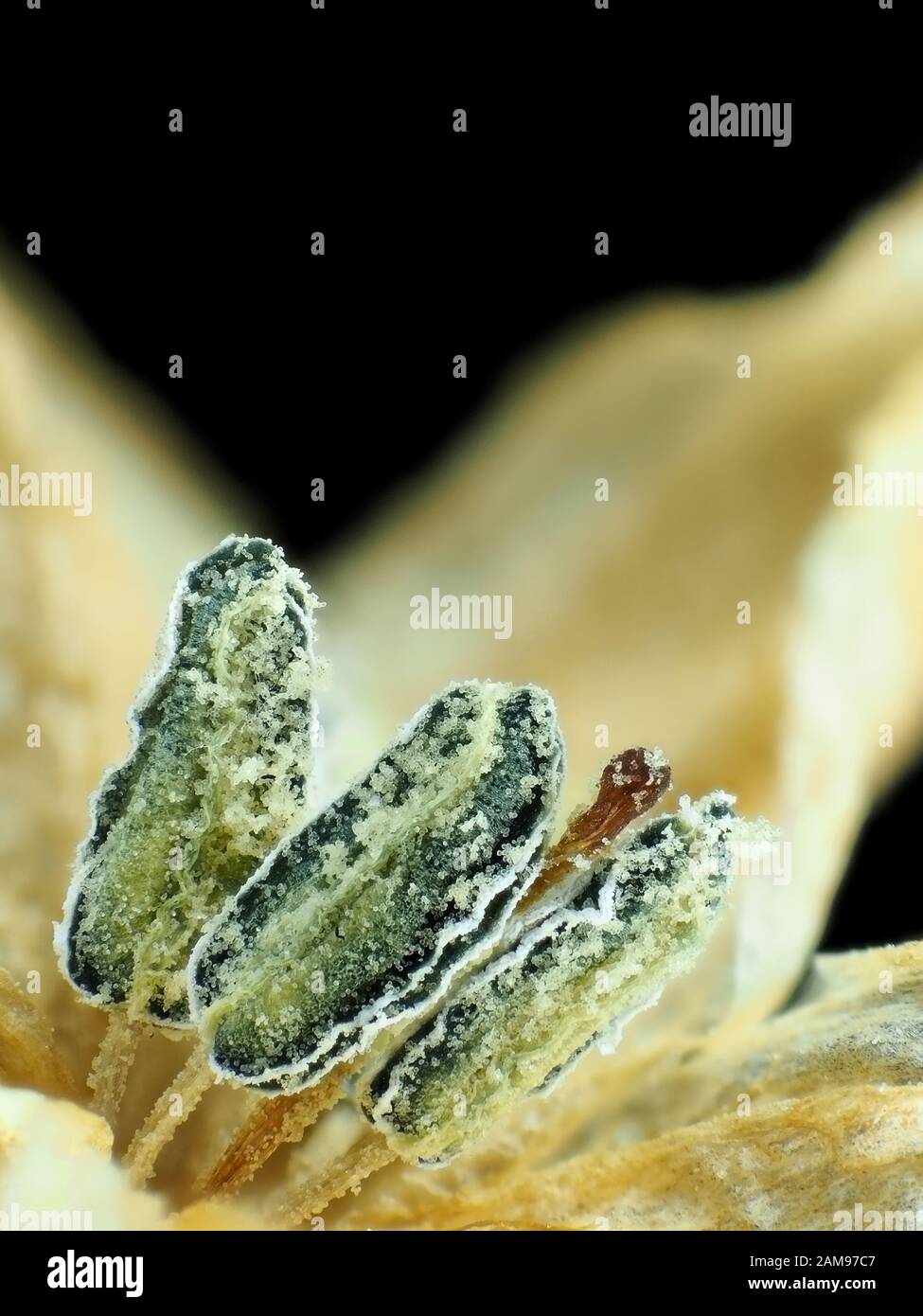
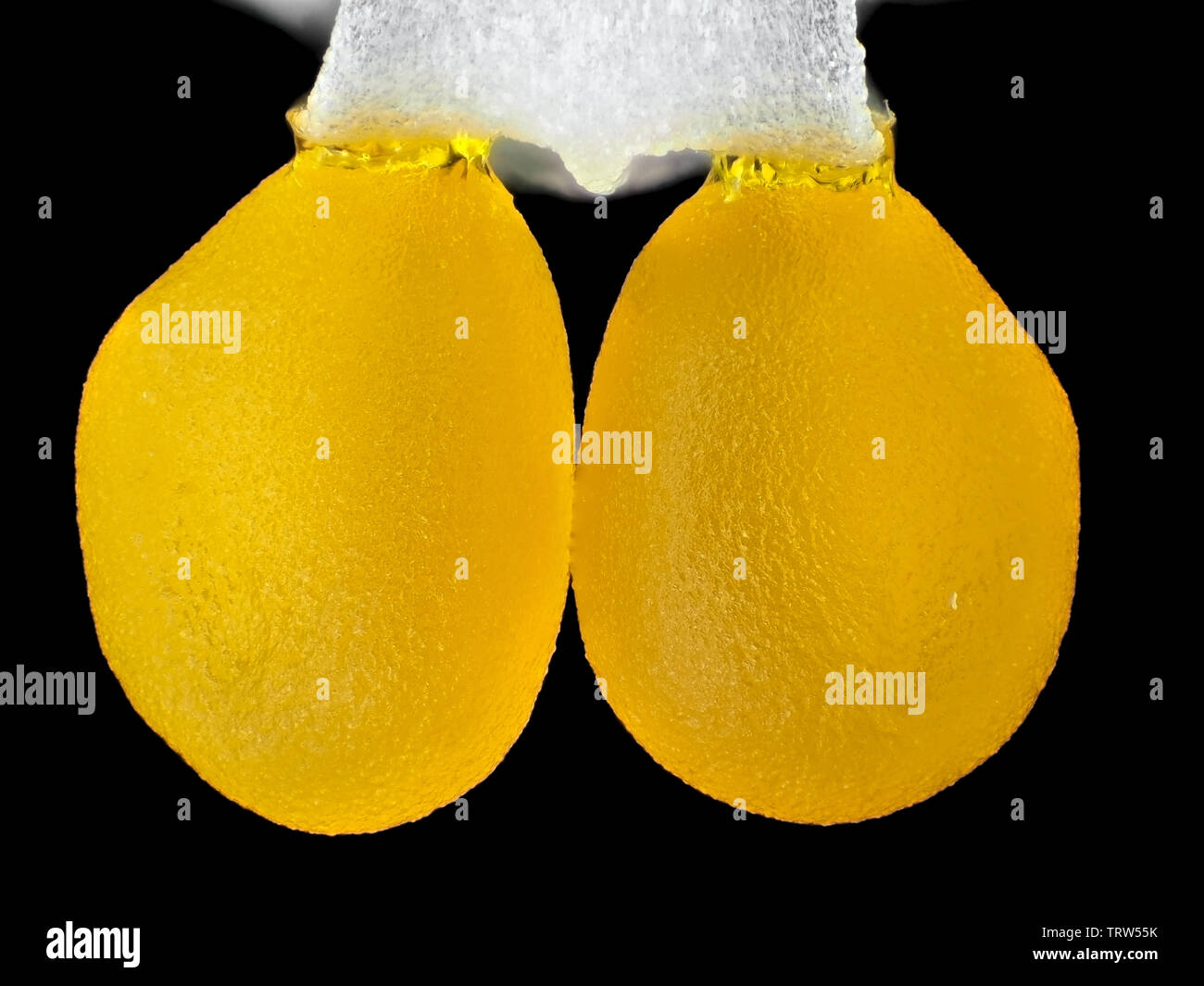
RM2AM97C7鈥�Extreme macro photo (micrograph) of hot chili pepper flower (Capsicum annuum), showing pistil and stamens with pollen
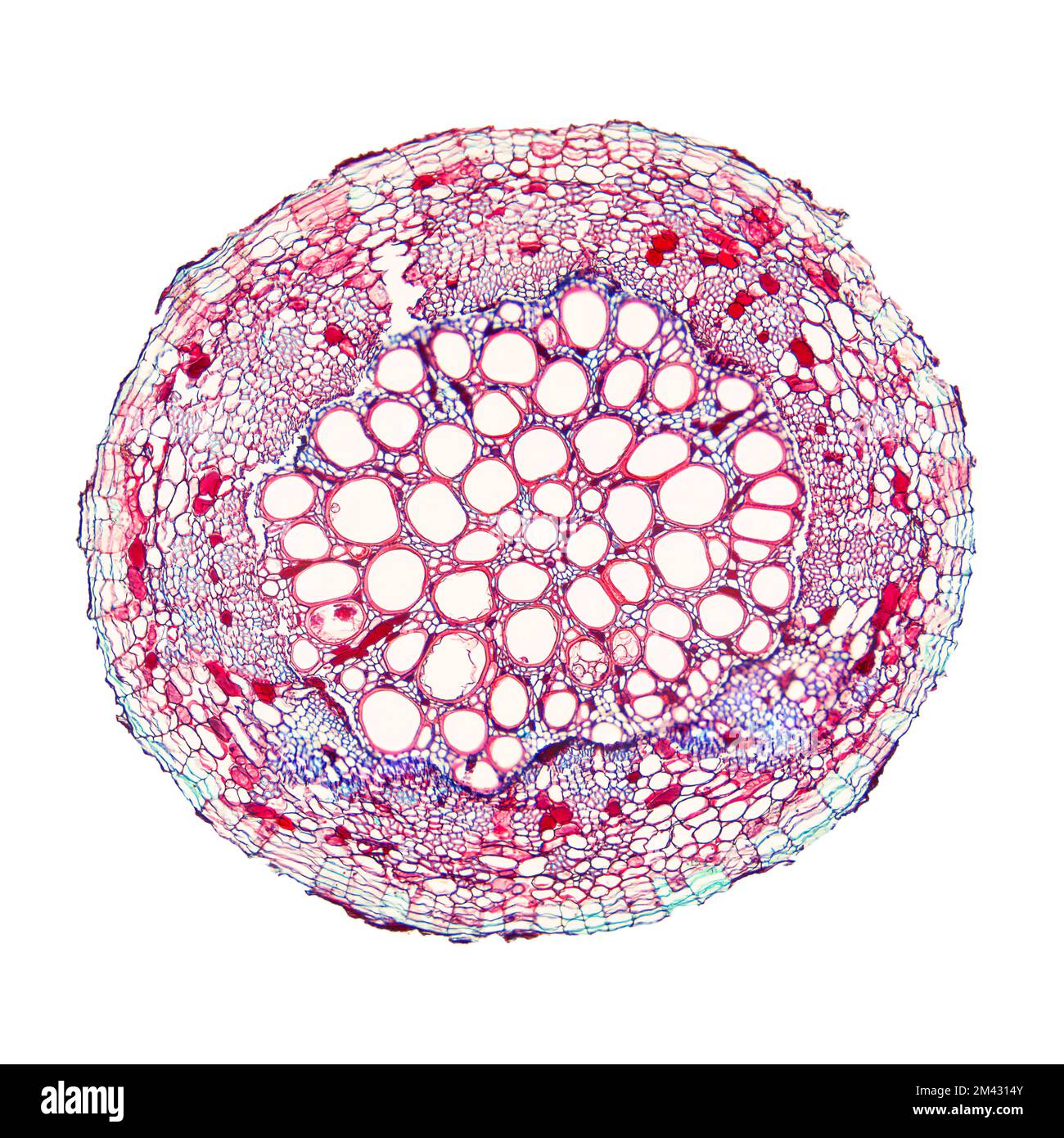
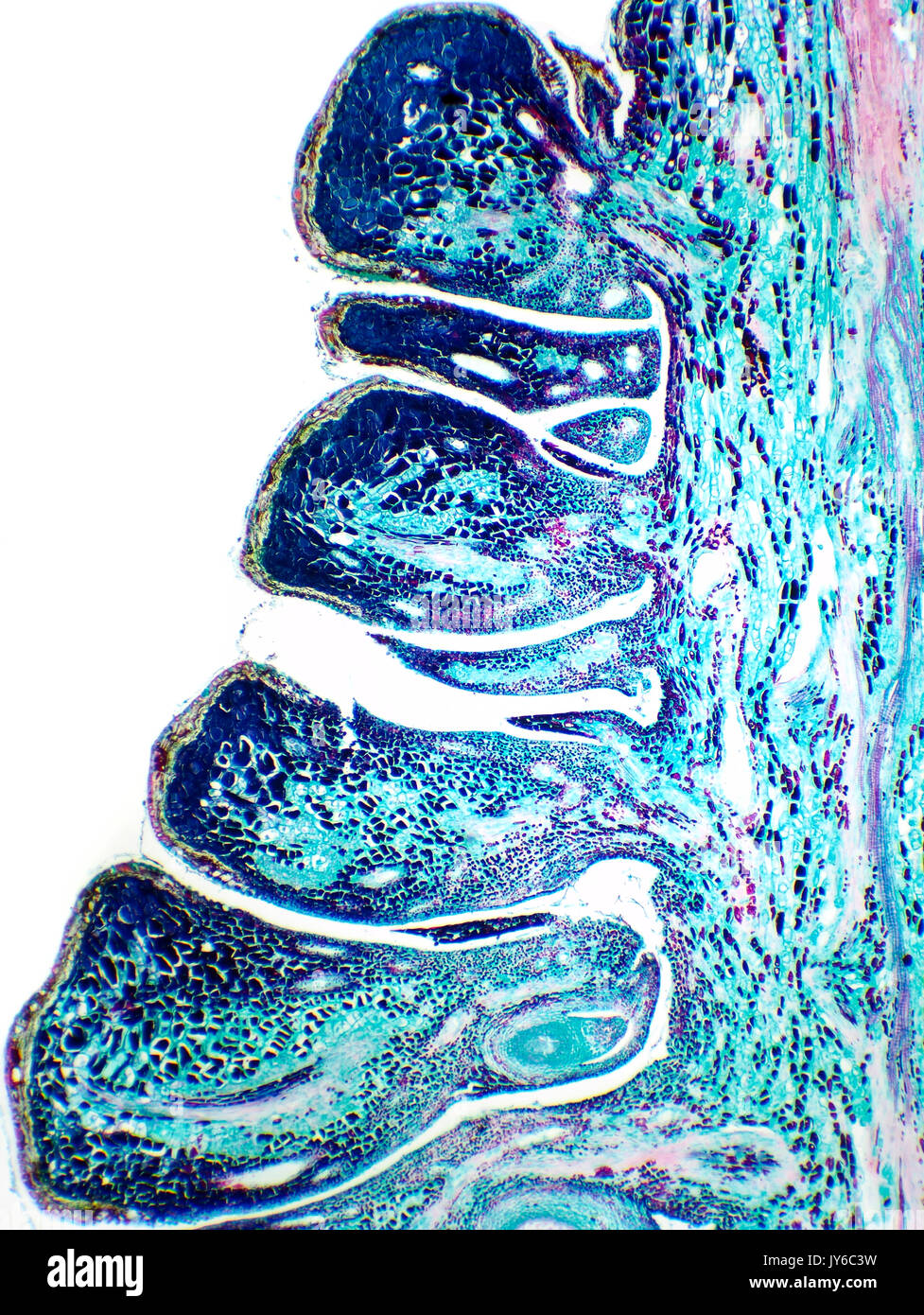
RF2M4314Y鈥�Cotton plant root, under the light microscope. Cross section through the root of Gossypium hirsutum, upland or also Mexican cotton.
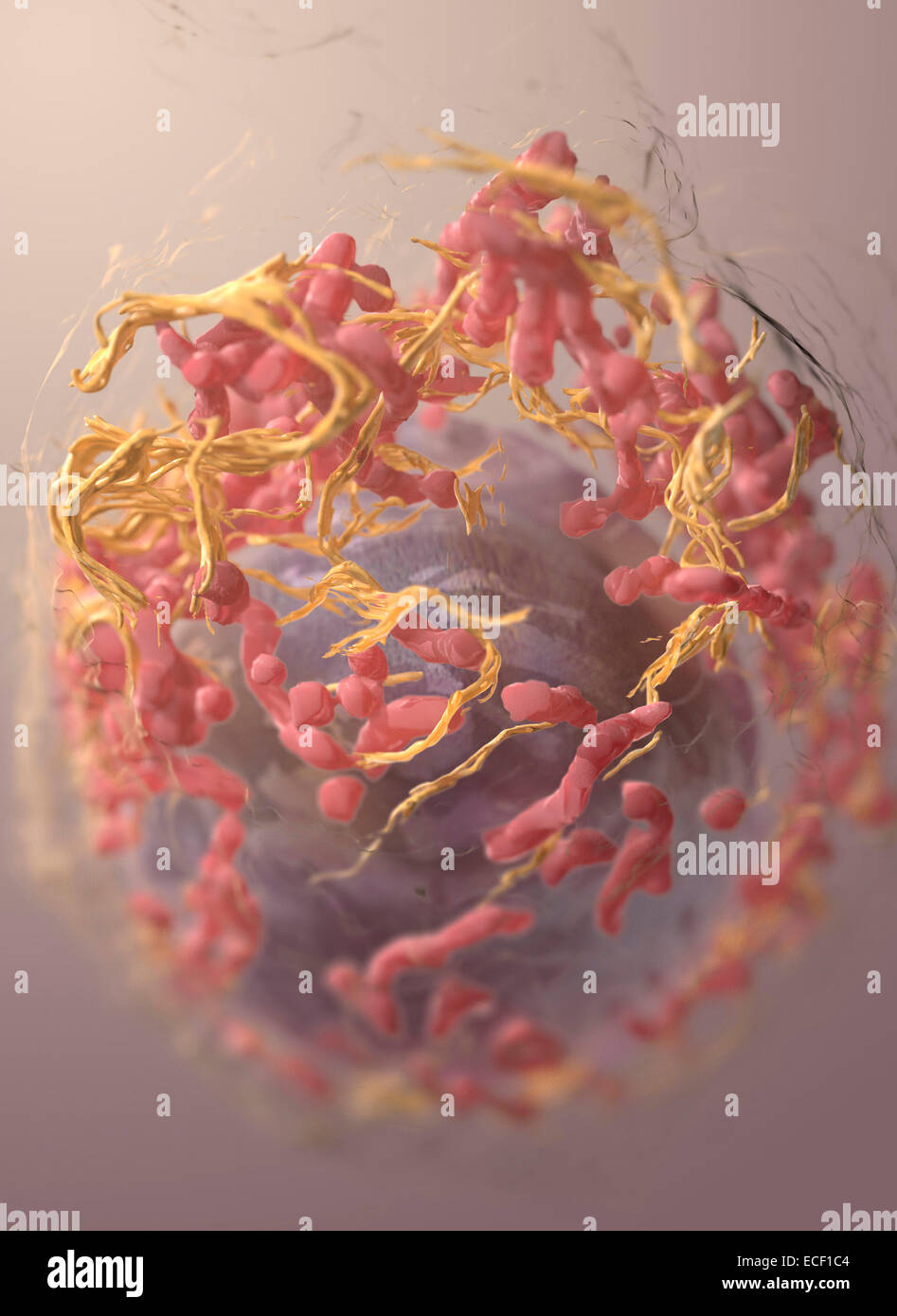
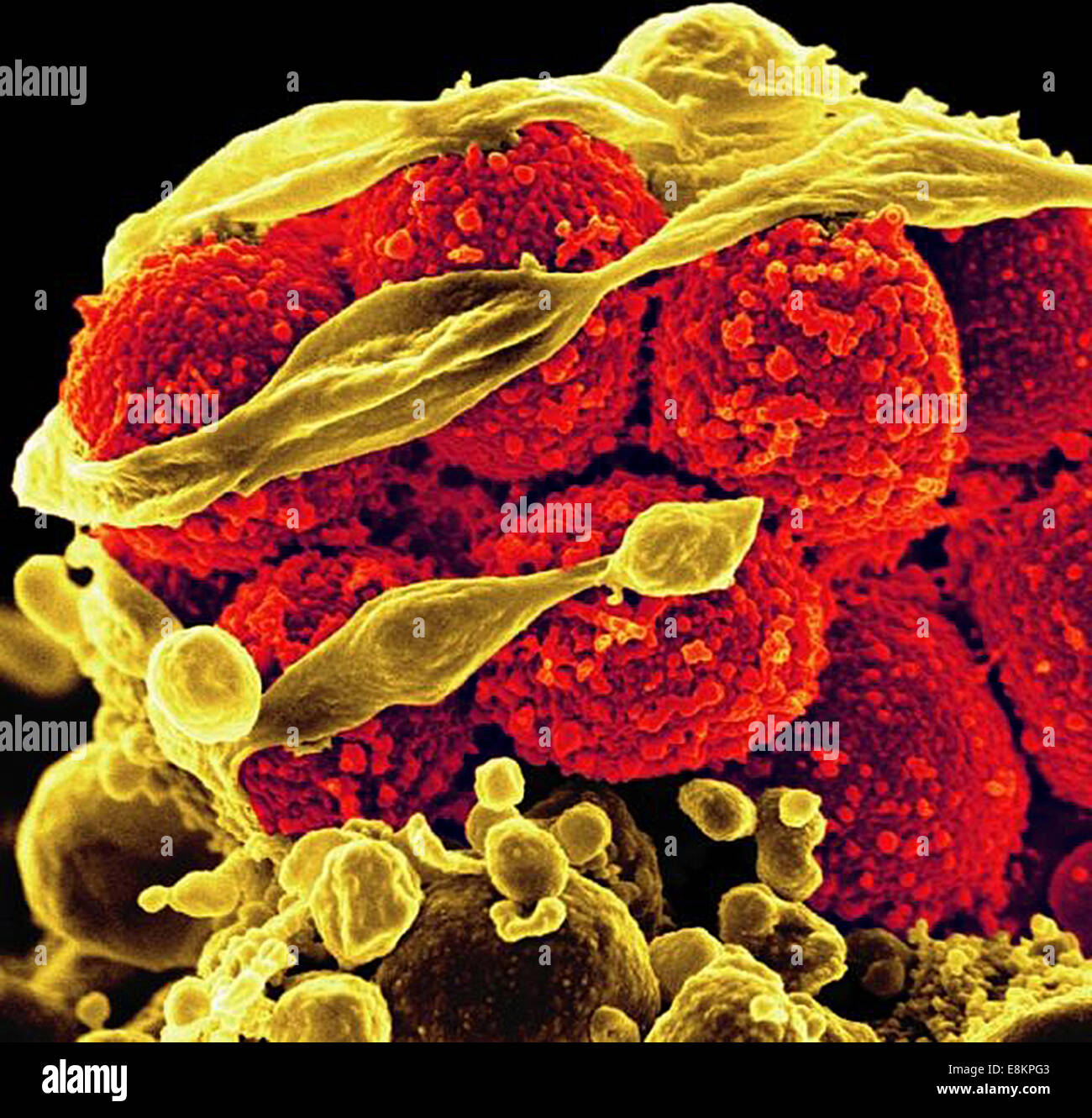
RME8KPG3鈥�Scanning electron micrograph of methicillin-resistant Staphylococcus aureus bacteria (yellow, round items) killing and escaping
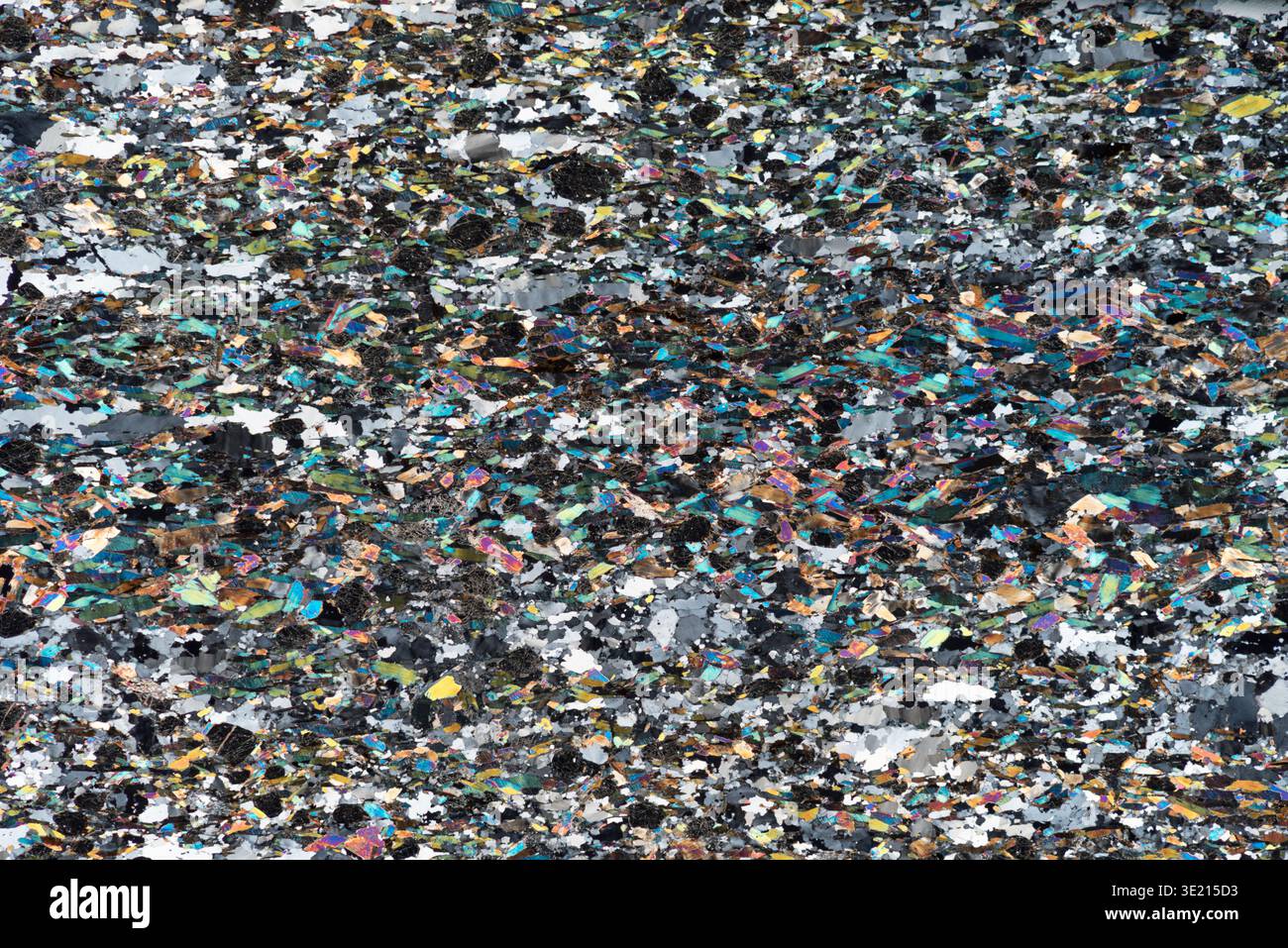
RM3E215D3鈥�Polarised light micrograph of orthogneiss from the Kesselalm area, Proveis, South Tyrol, Italy. Orthogneiss is a two-mica gneiss of the crystalline basement of the Eastern Alps. It is formed by a moderate metamorphic transformation of igneous rocks such as granite, diorite or syenite. Orthogneiss consists of quartz, potassium feldspar, plagioclase, mica and biotite. This stone also contains garnet (splintered grains). The main metamorphosis of orthogneiss was 350-380 million years ago. Magnification: x4 when printed at 12 centimetres wide.
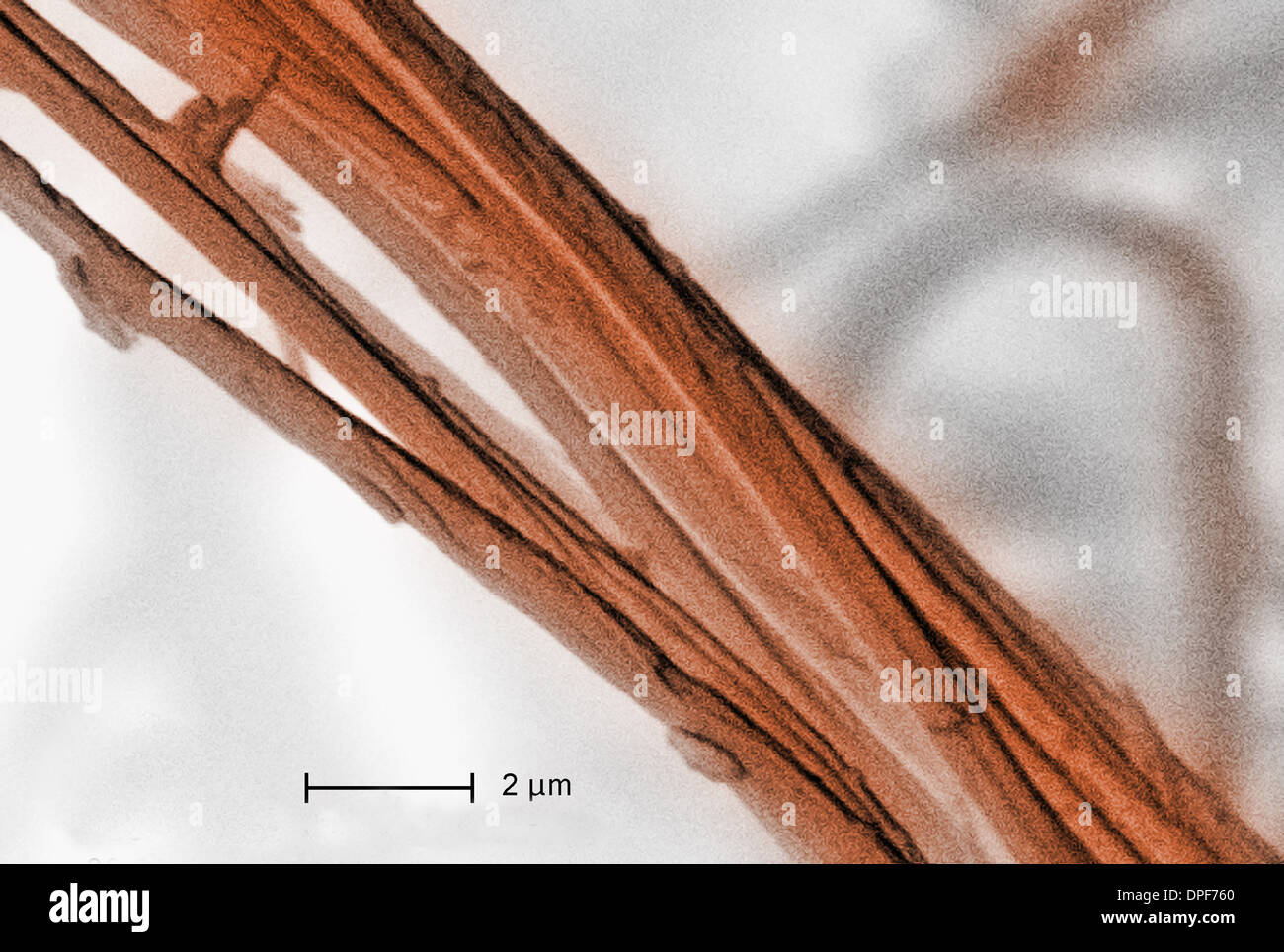
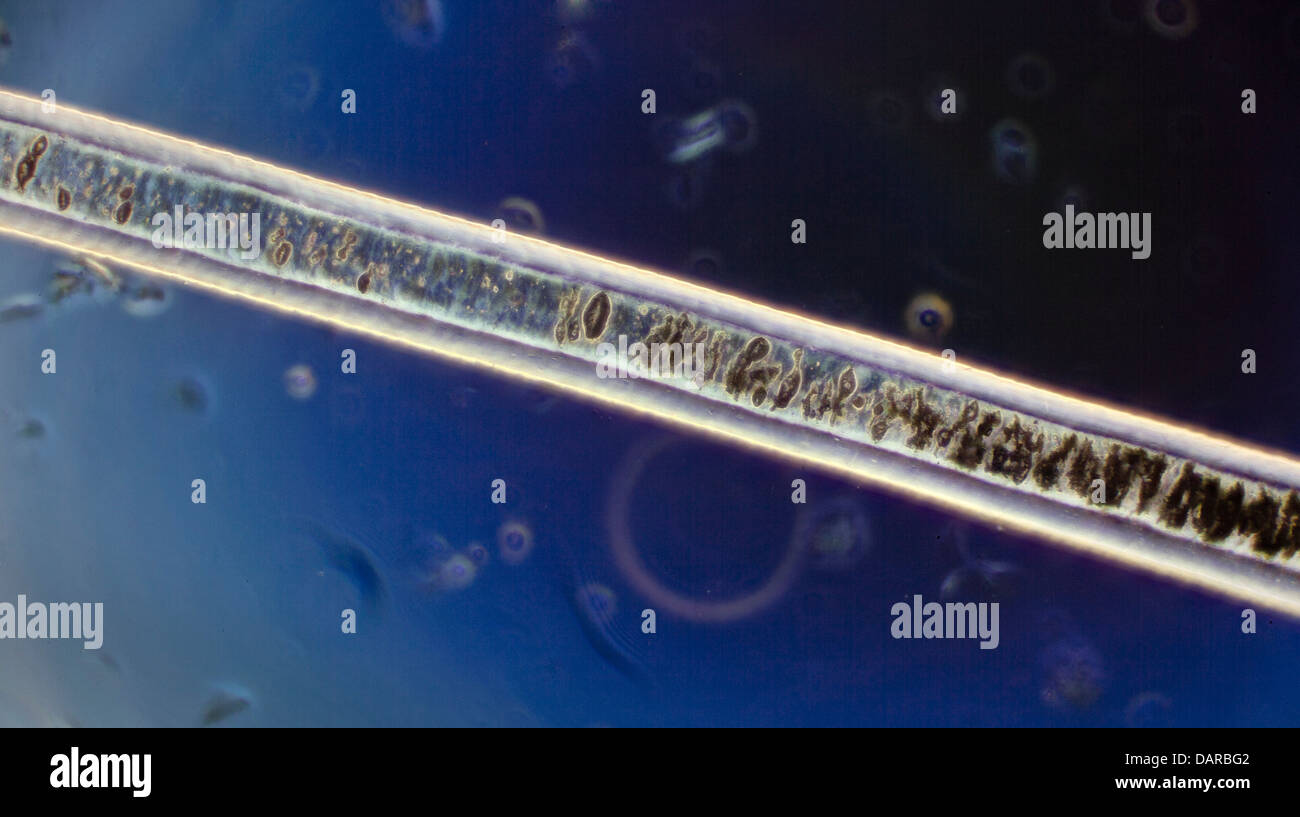
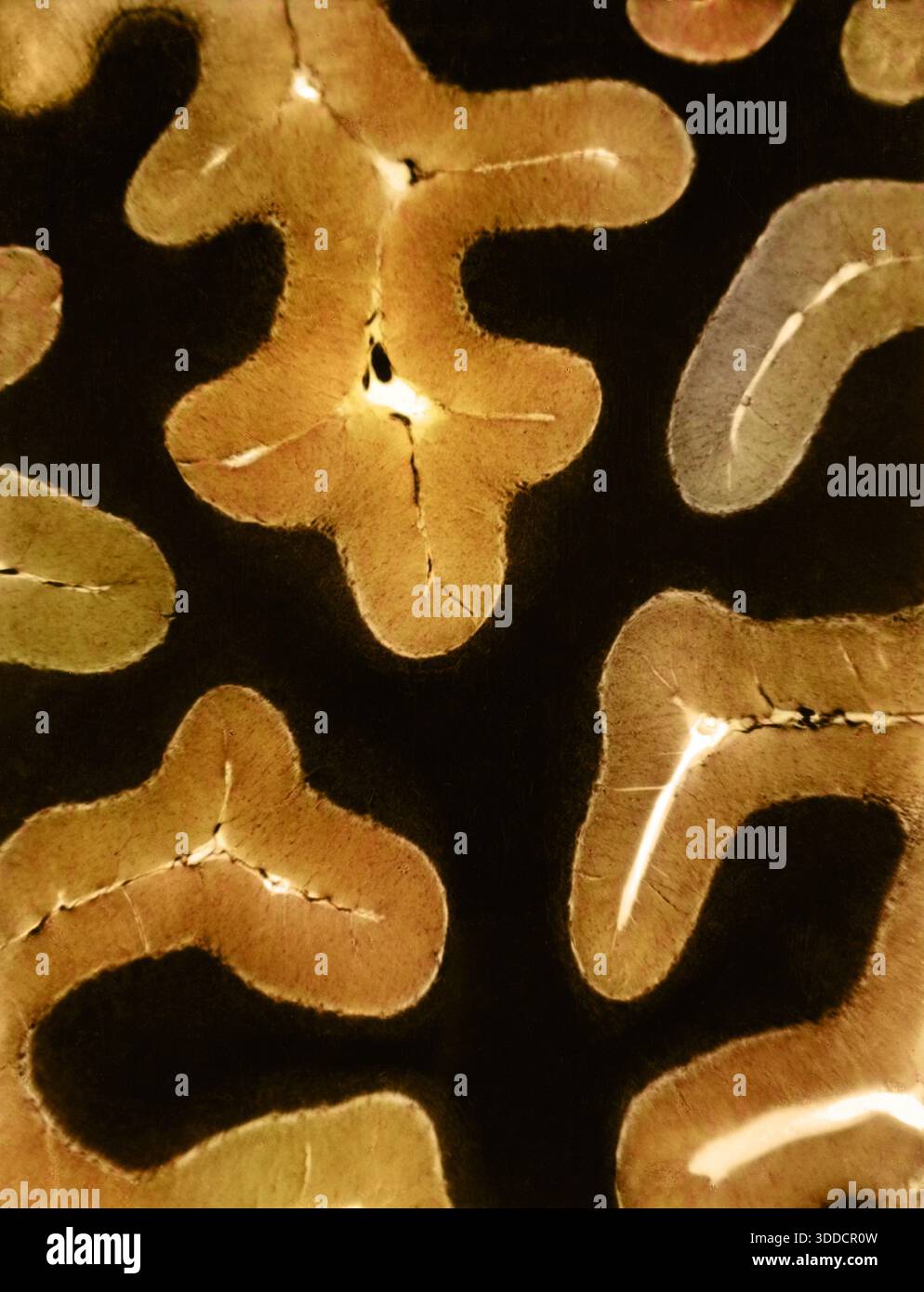
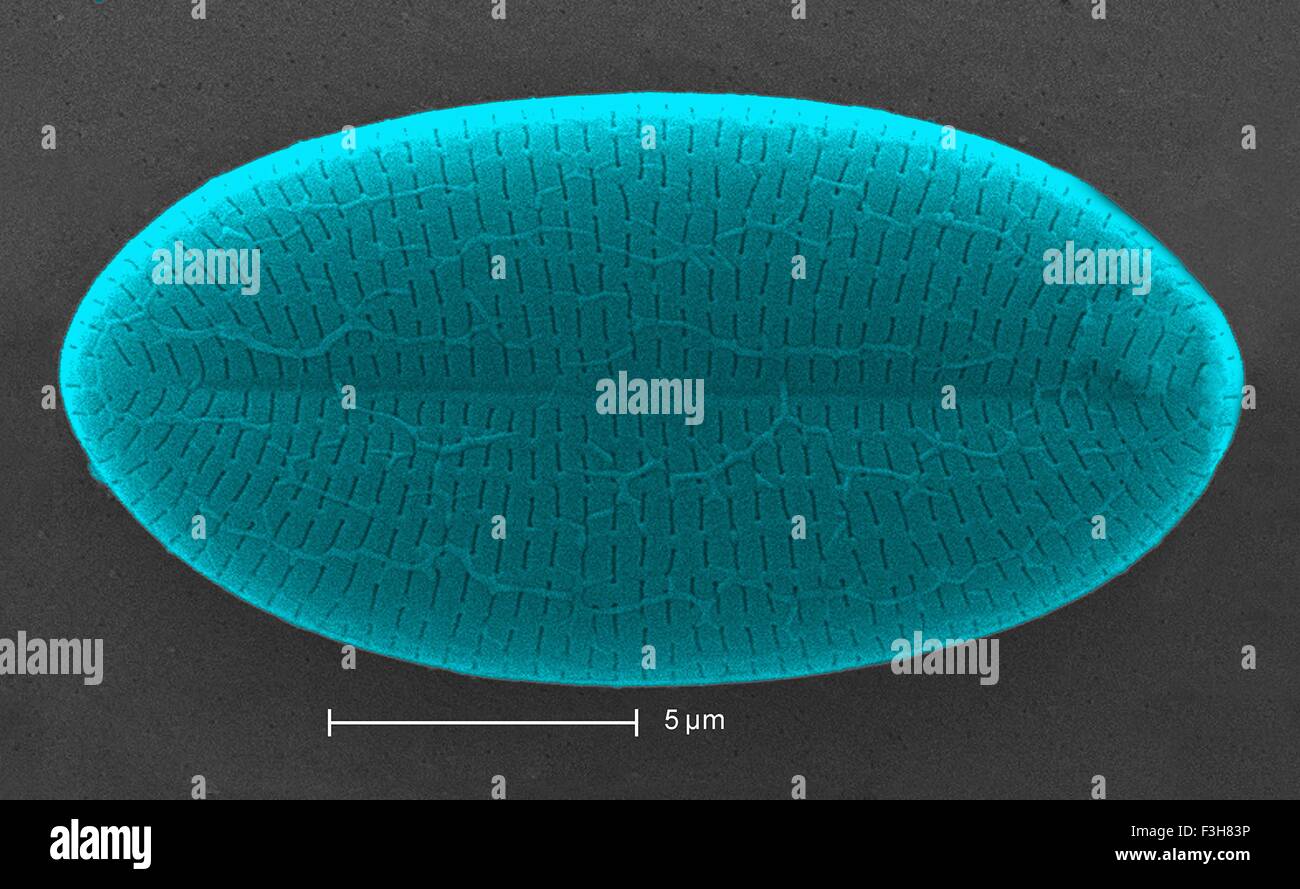
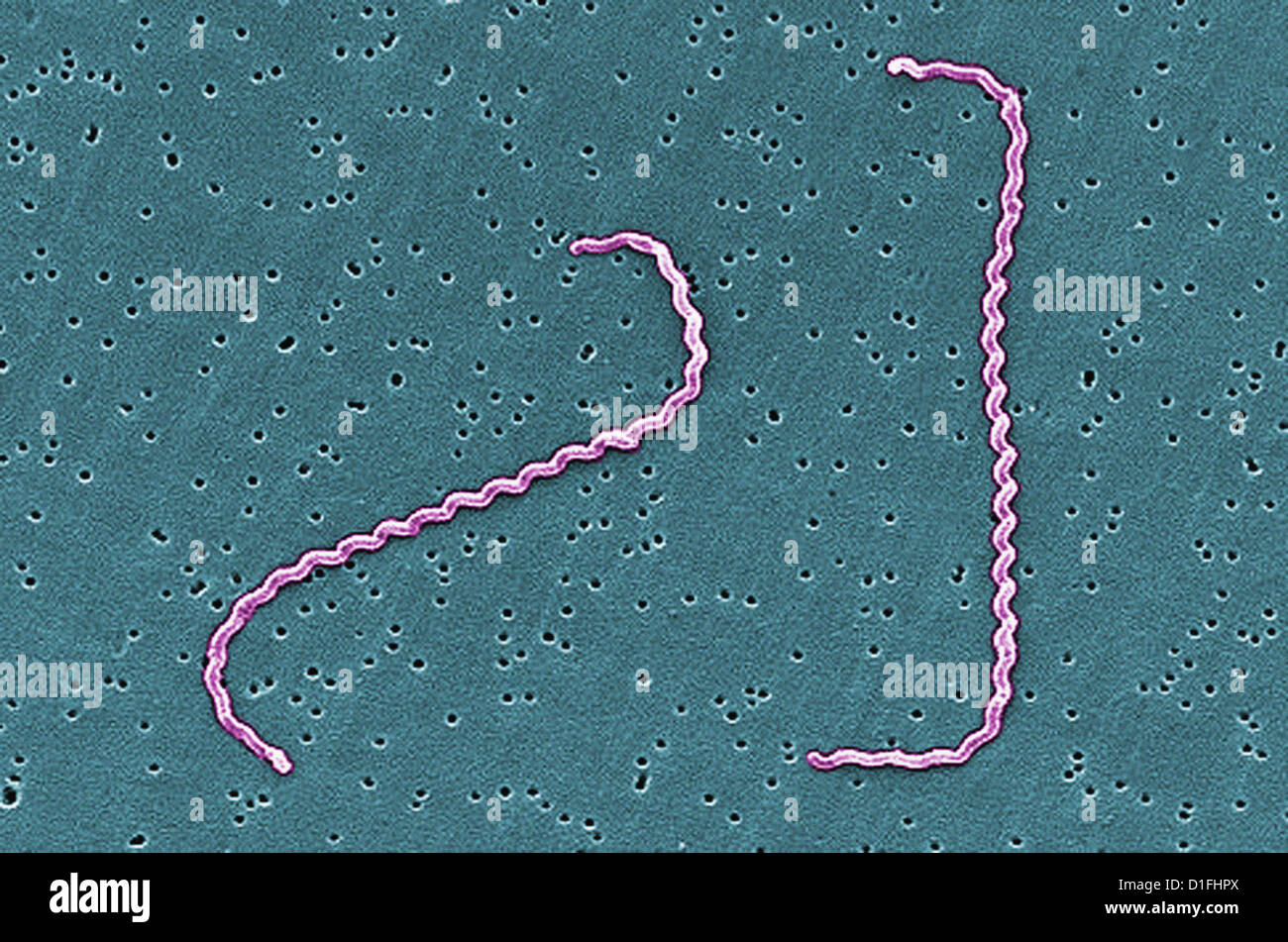

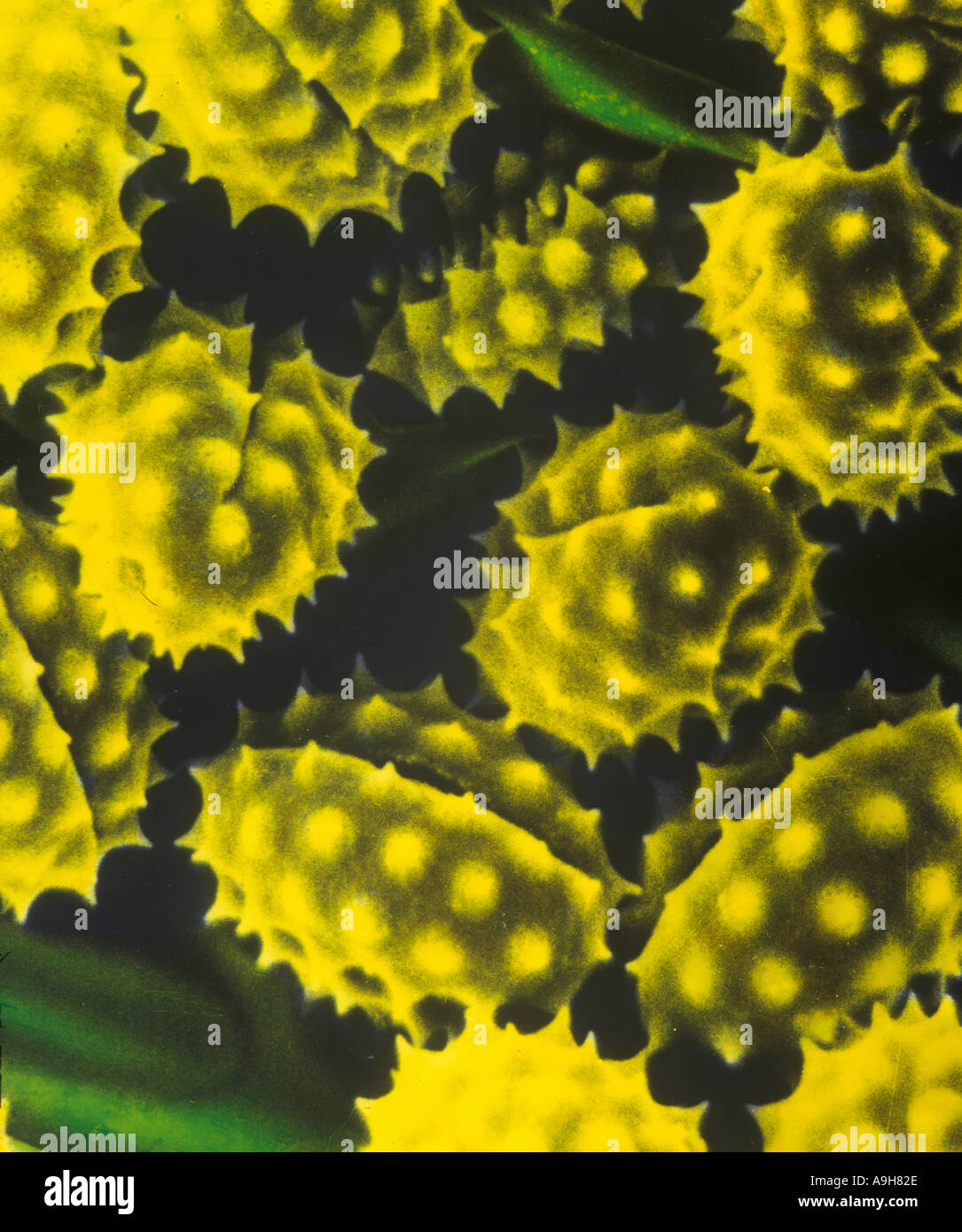
RMBRC1AN鈥�Light Micrograph (LM) of a concentration of cells on the epidermis of a plant showing stomata
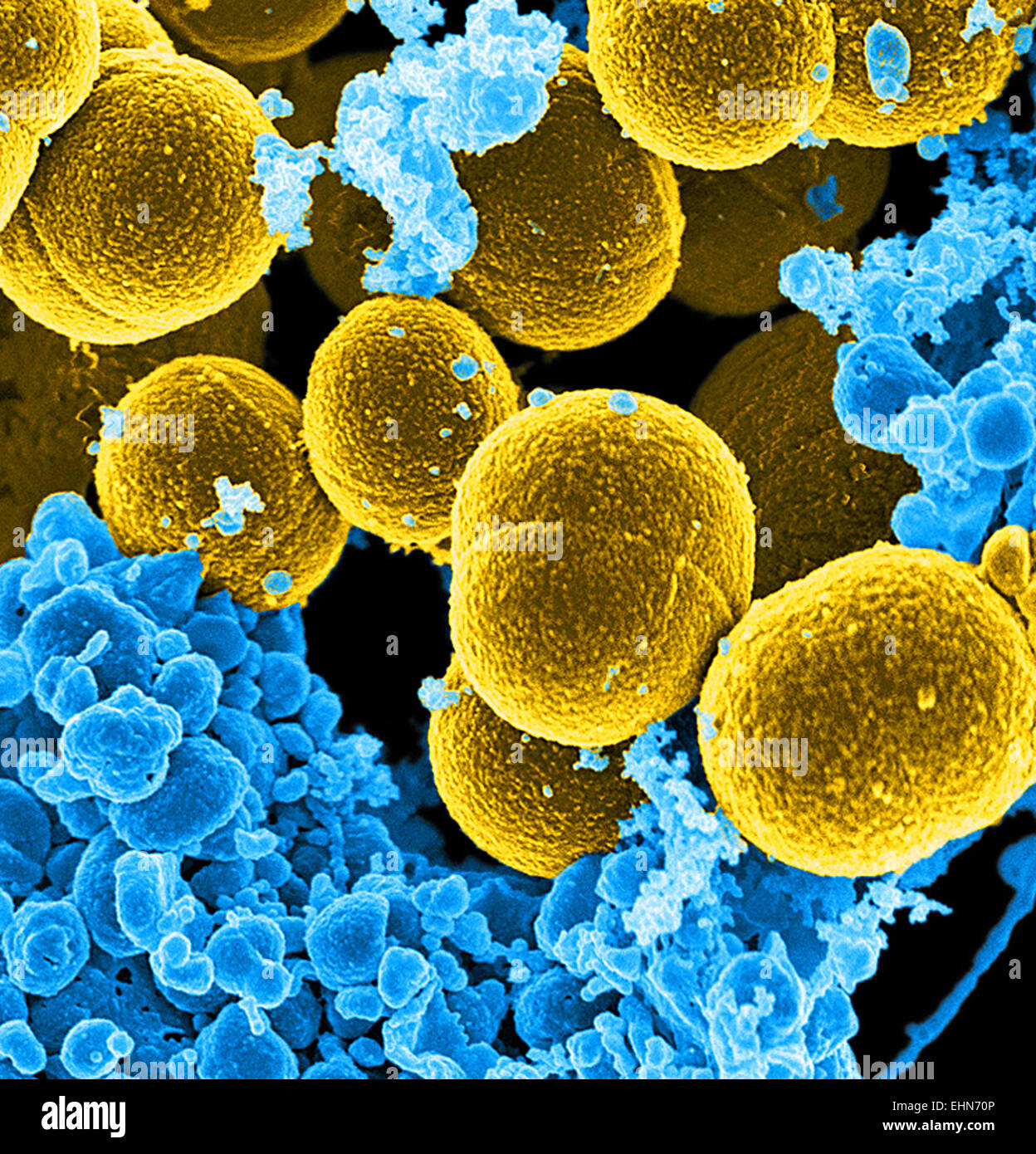
RMEHN70P鈥�Coloured scanning electron micrograph (SEM) of methicillin-resistant Staphylococcus aureus (MRSA) bacteria.
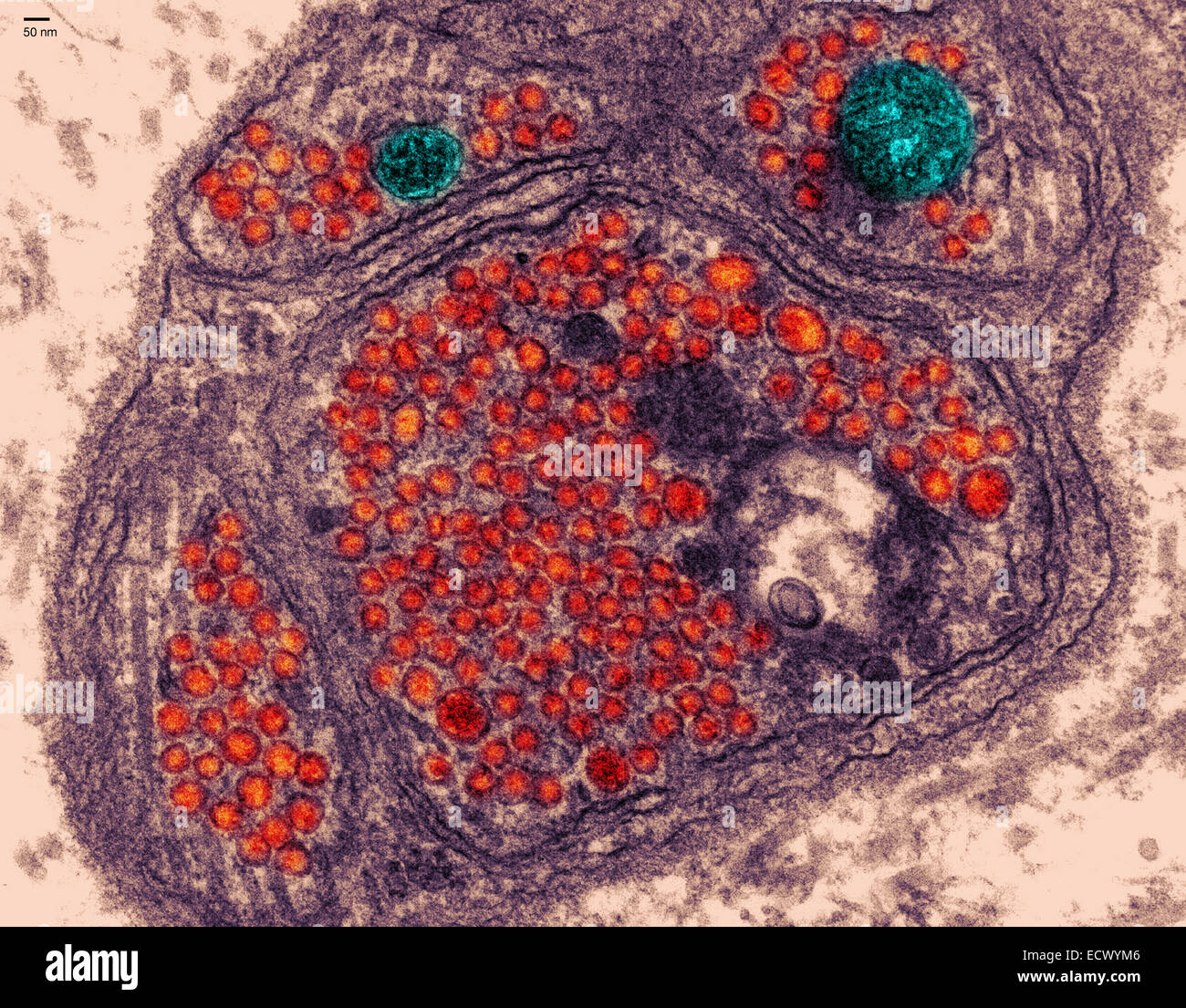
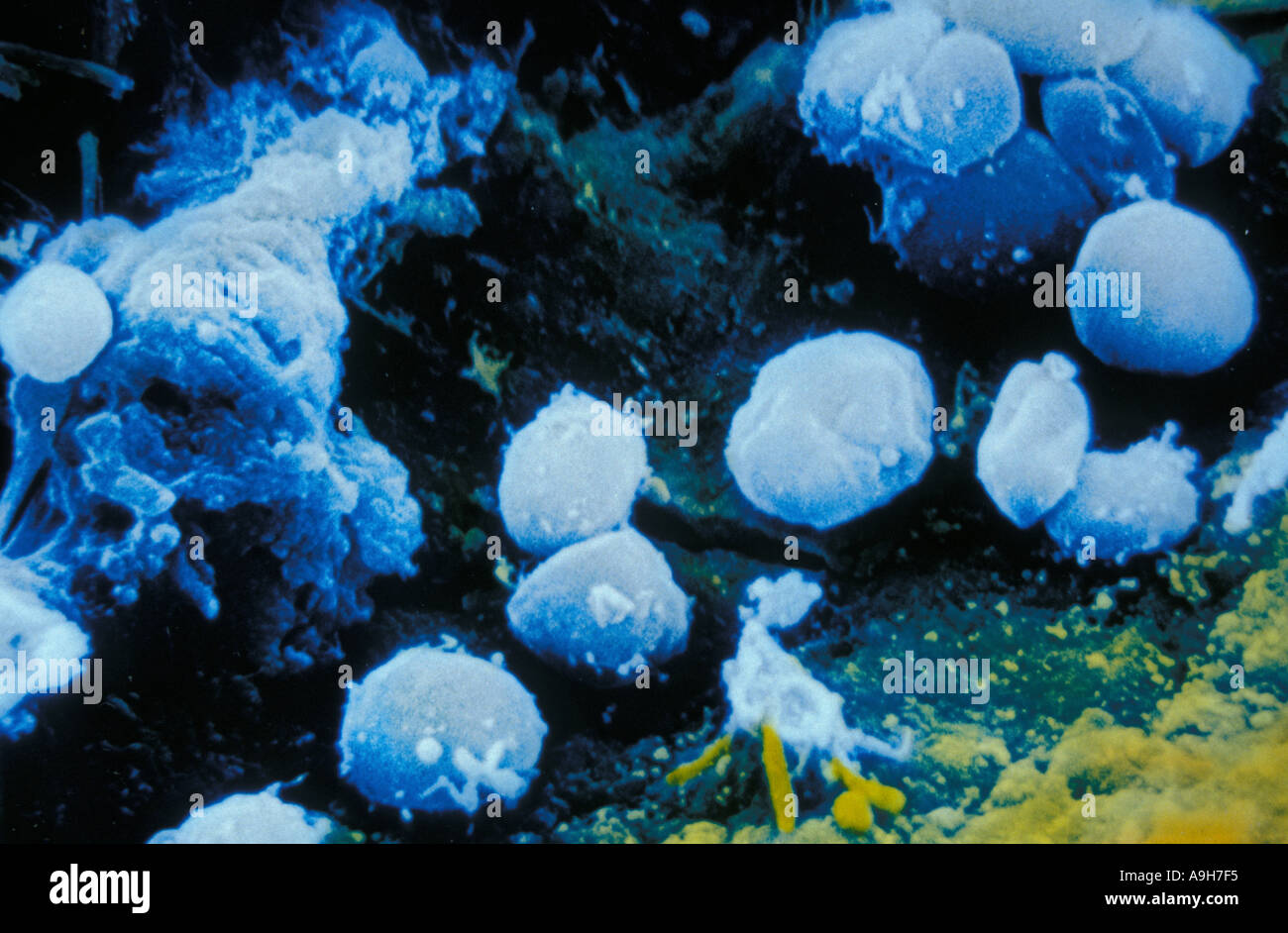
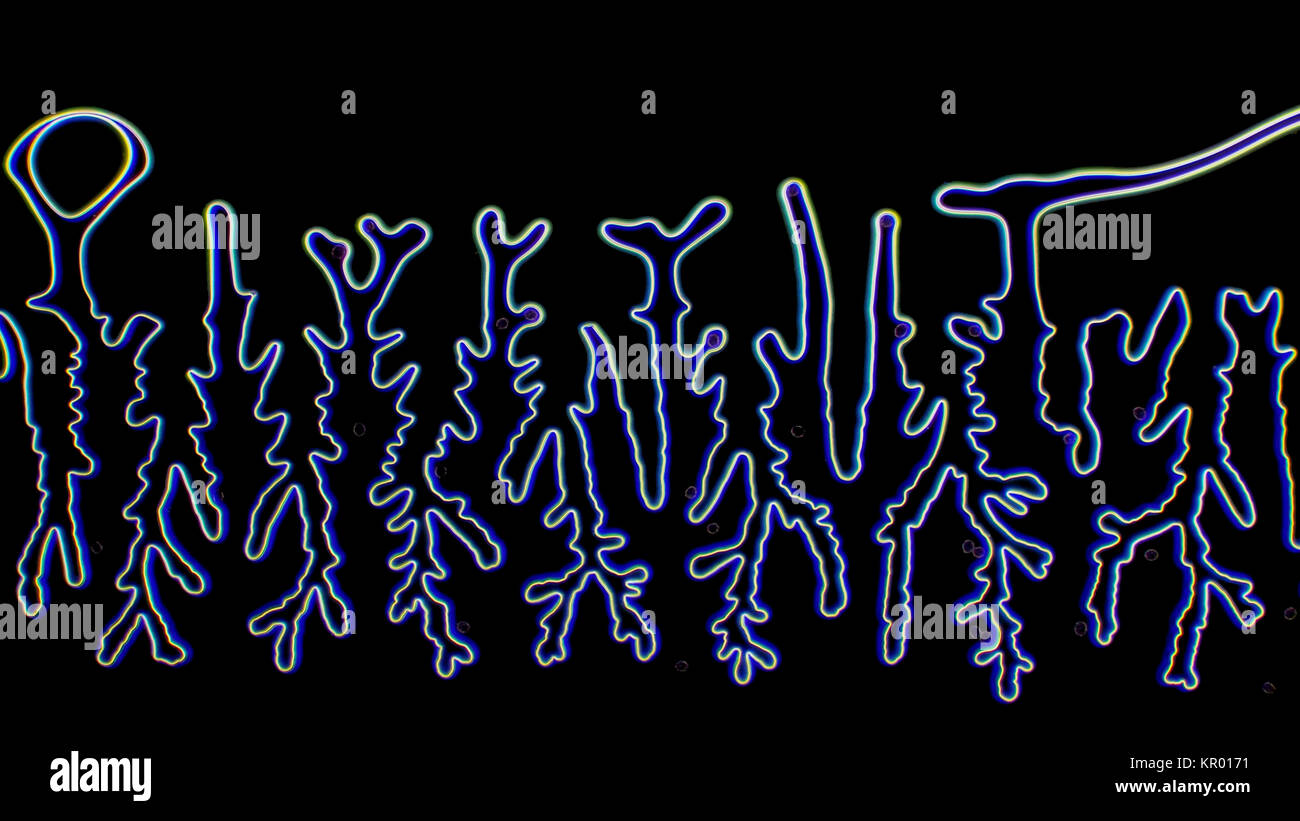
RMKR0171鈥�Dark field micrograph of a stain edge on a prepared microscope slide, pictured area is about 0.8mm wide
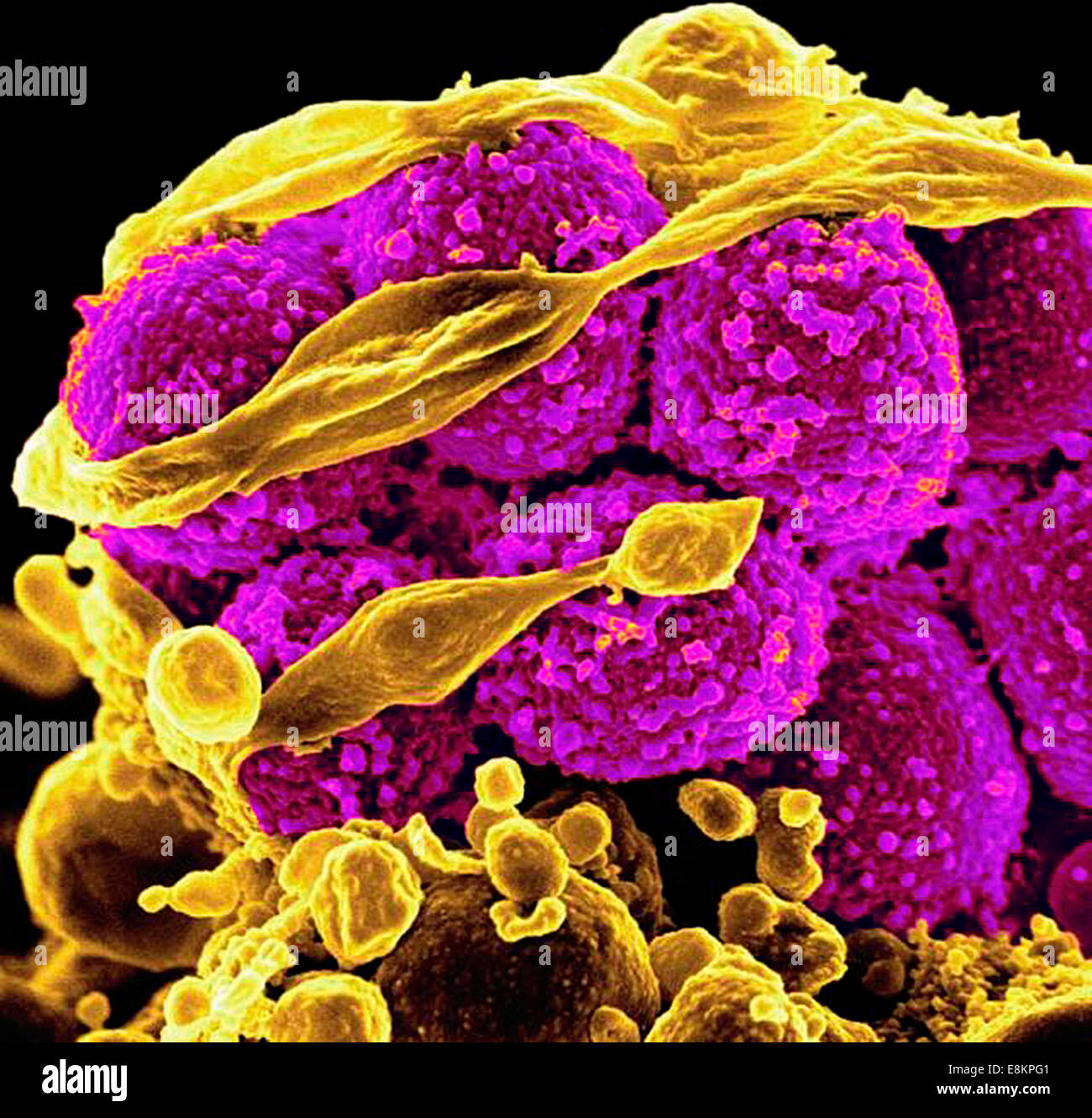
RME8KPG1鈥�Scanning electron micrograph of methicillin-resistant Staphylococcus aureus bacteria (yellow, round items) killing and escaping
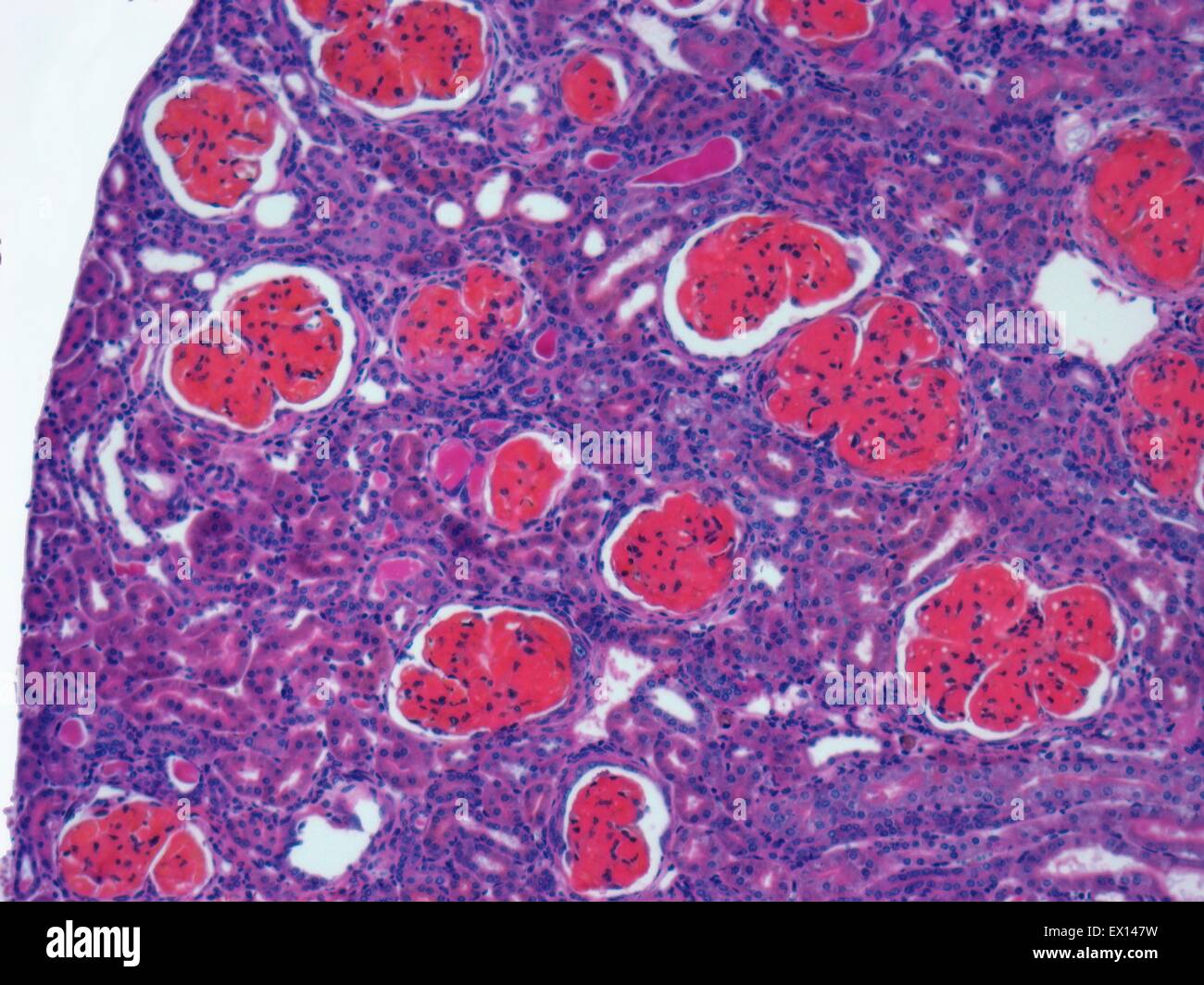
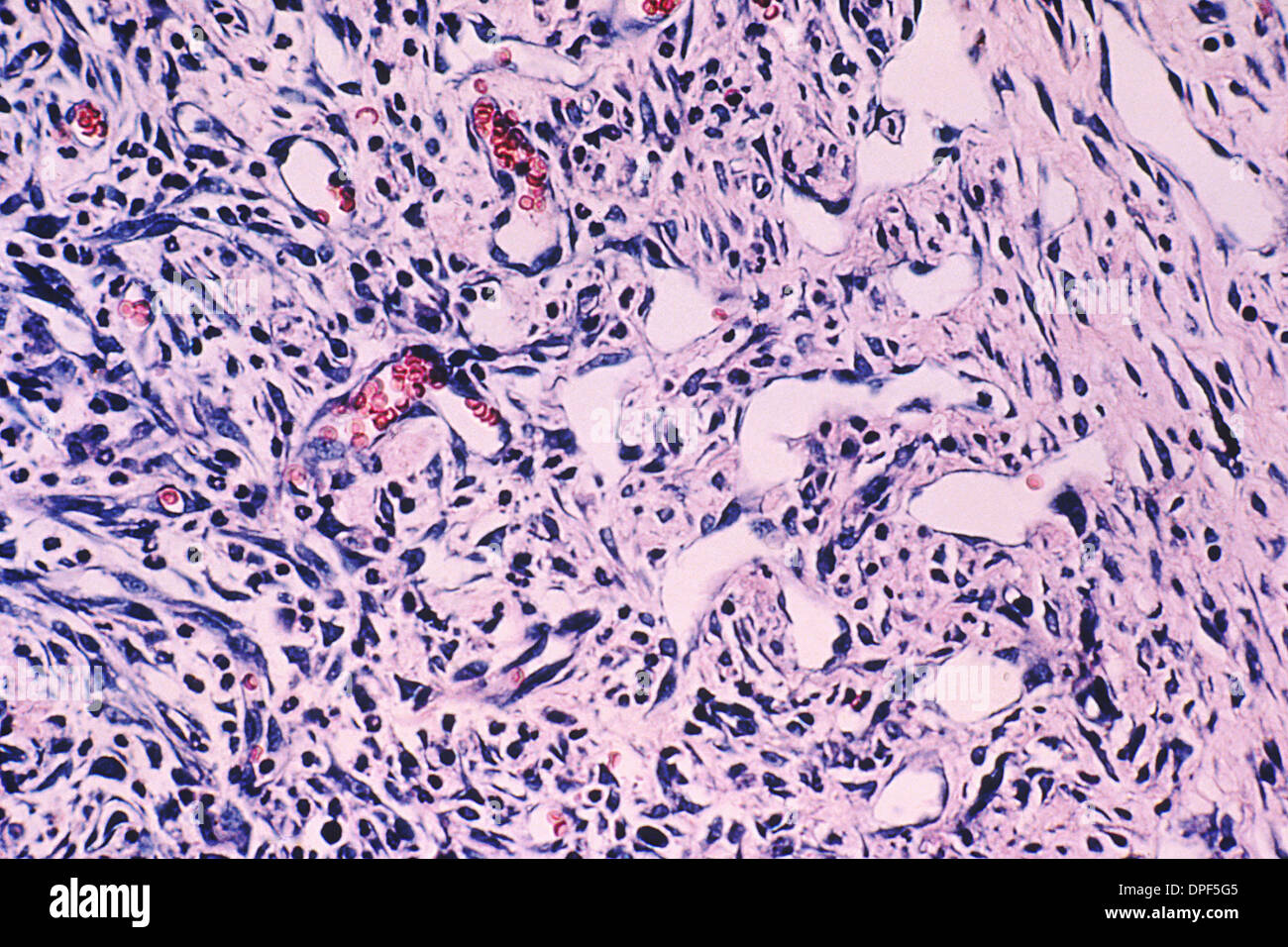
RFEX147W鈥�Glomerulonephritis Light micrograph of tissue from a kidney in a case of glomerulonephritis This condition refers to
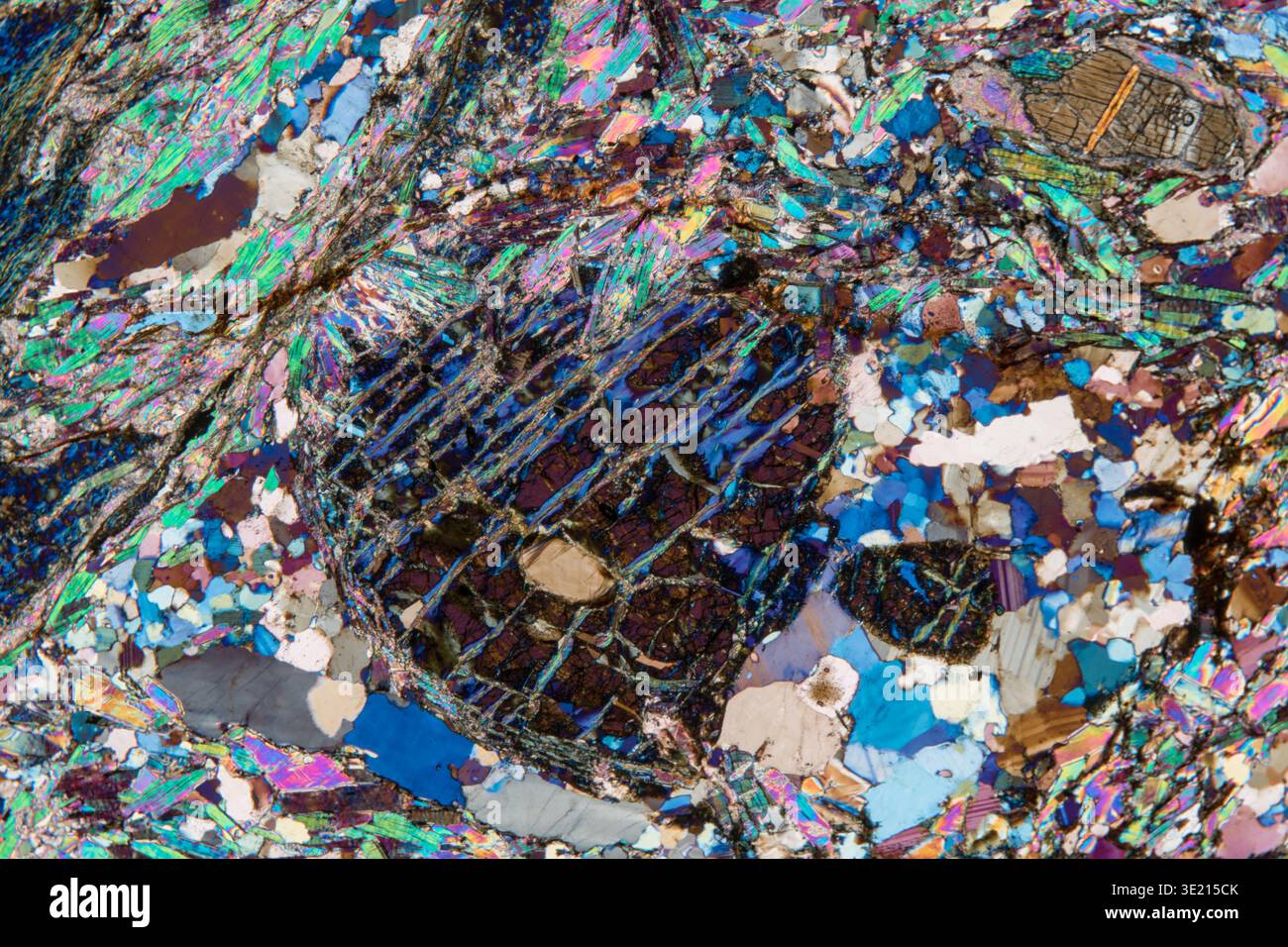
RM3E215CK鈥�Polarised light micrograph of migmatite from Kesselalm, Proveis, South Tyrol, Italy. Migmatite is a highly metamorphic rock found in the Eastern Alps. It was formed from sedimentary rock such as shale or greywacke that experienced such high temperatures and pressures that its feldspar and quartz components partially melted. This metamorphosis took place 335-385 million years ago. Migmatite is composed of quartz, feldspar, garnet, kyanite, biotite, and light mica (muscovite). Magnification: x30 when printed at 15 centimetres wide.
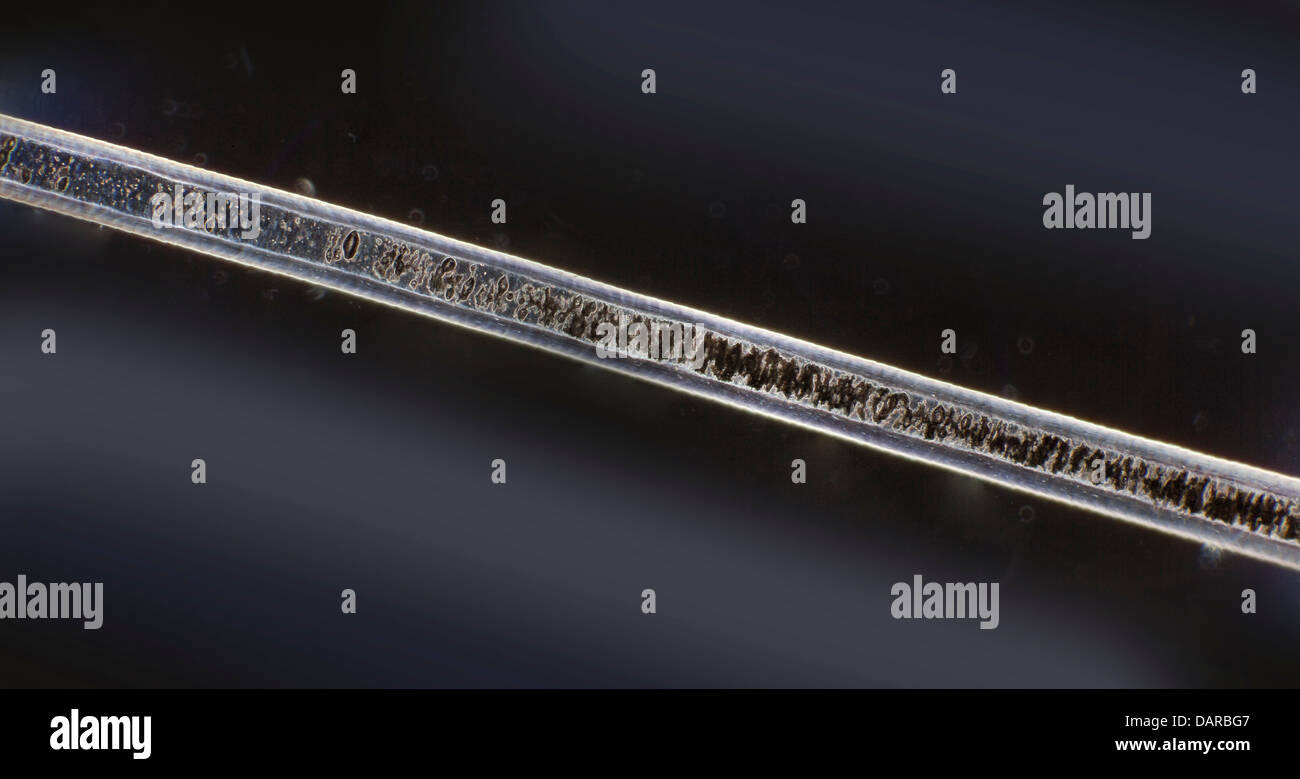
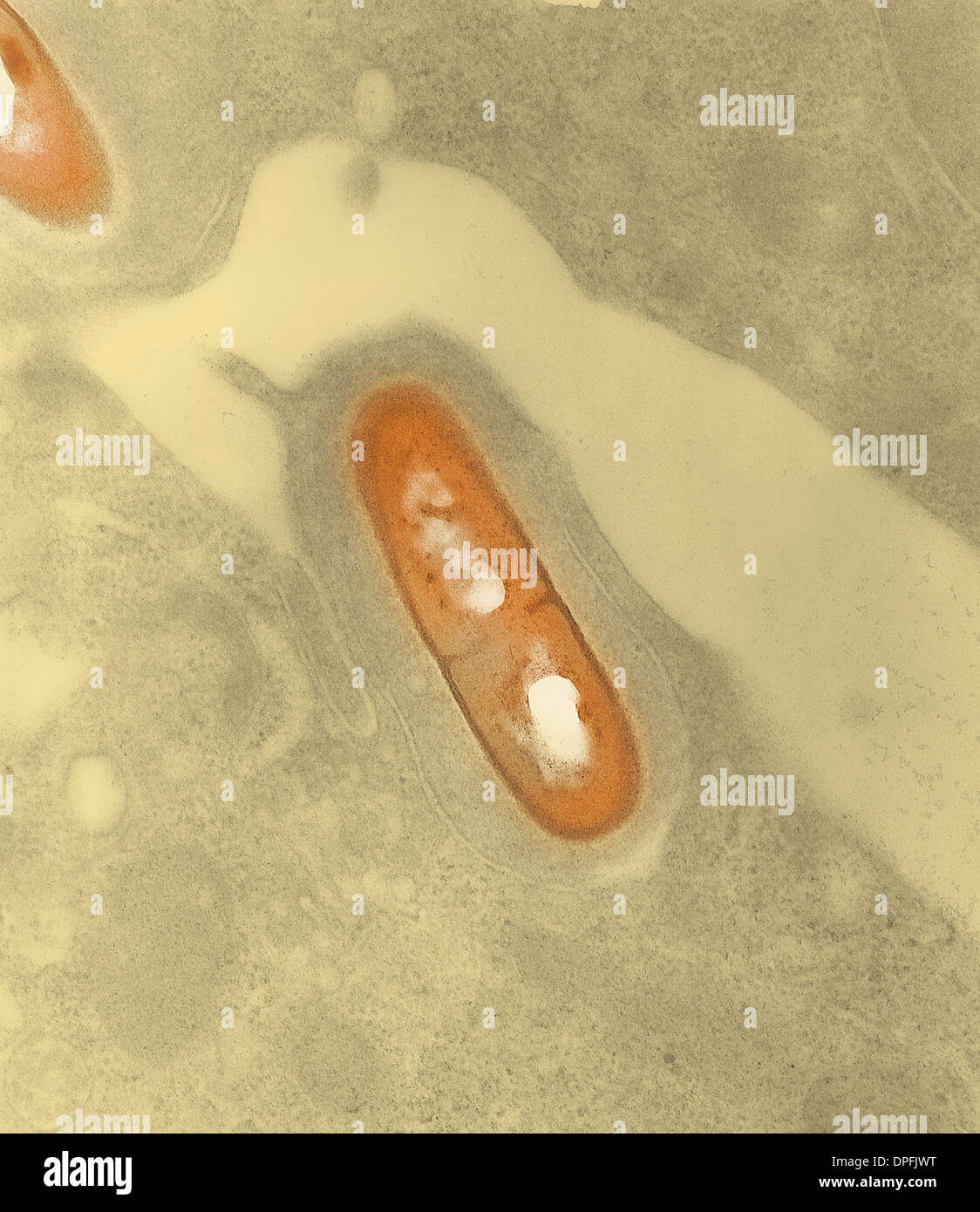
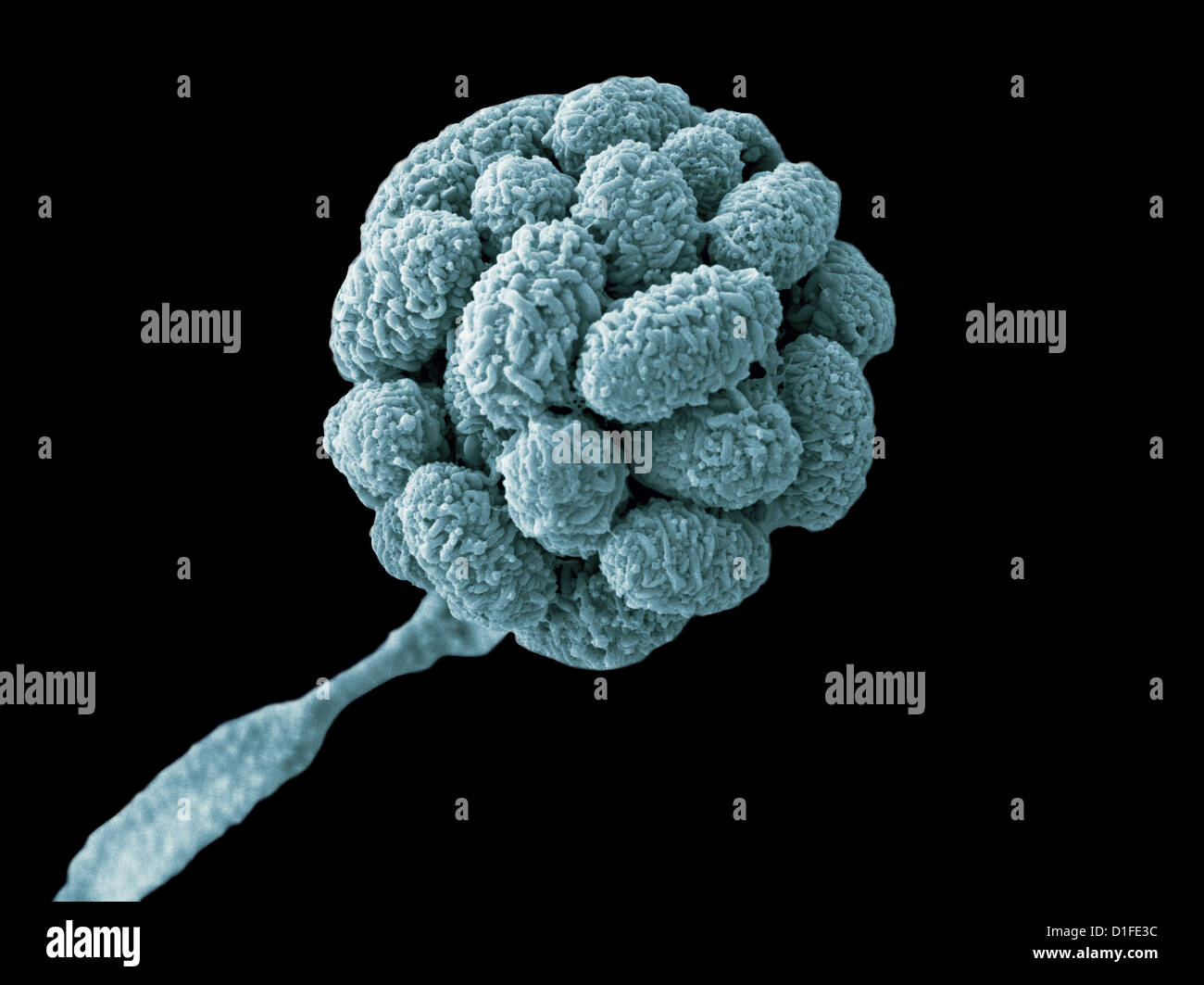
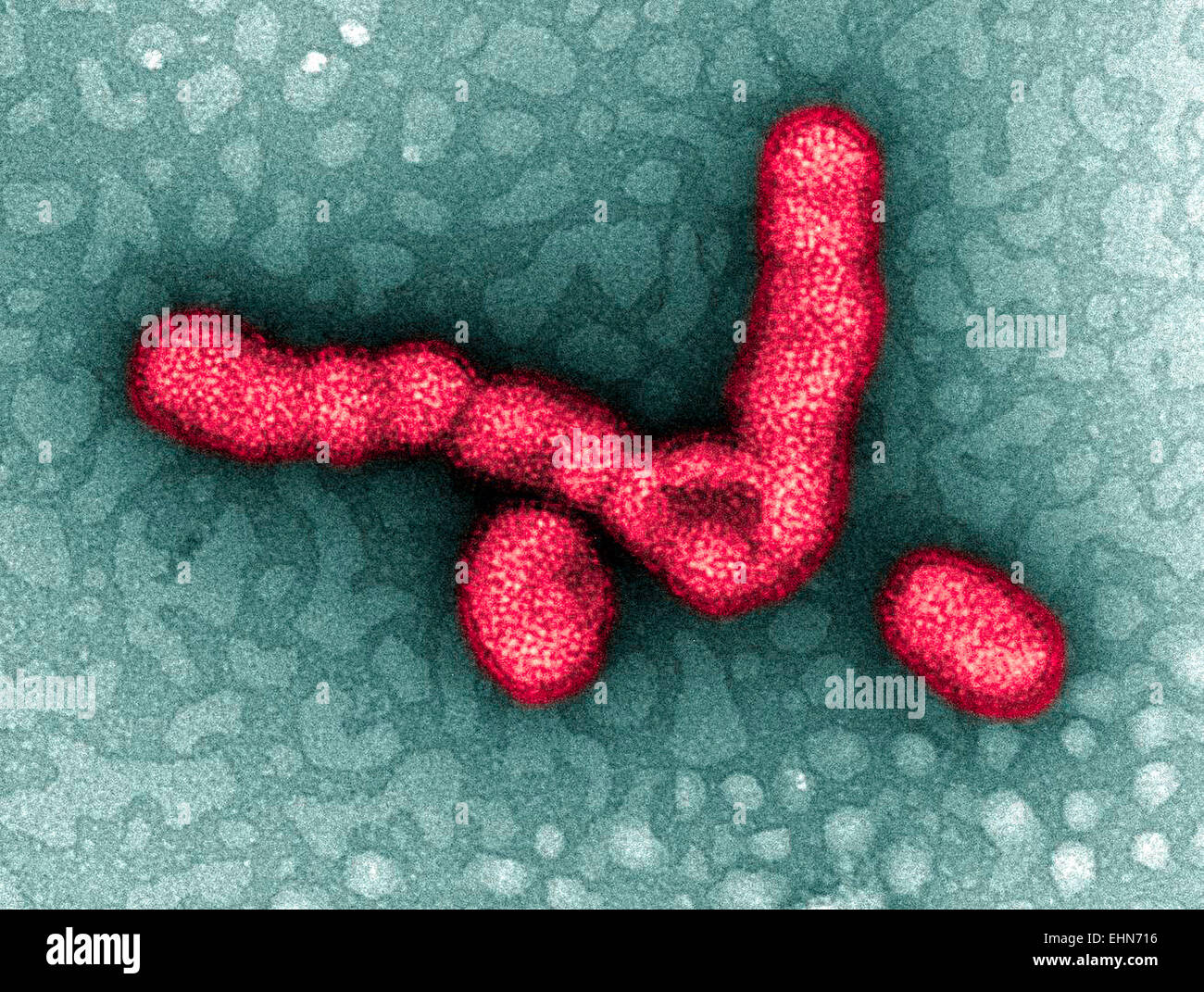
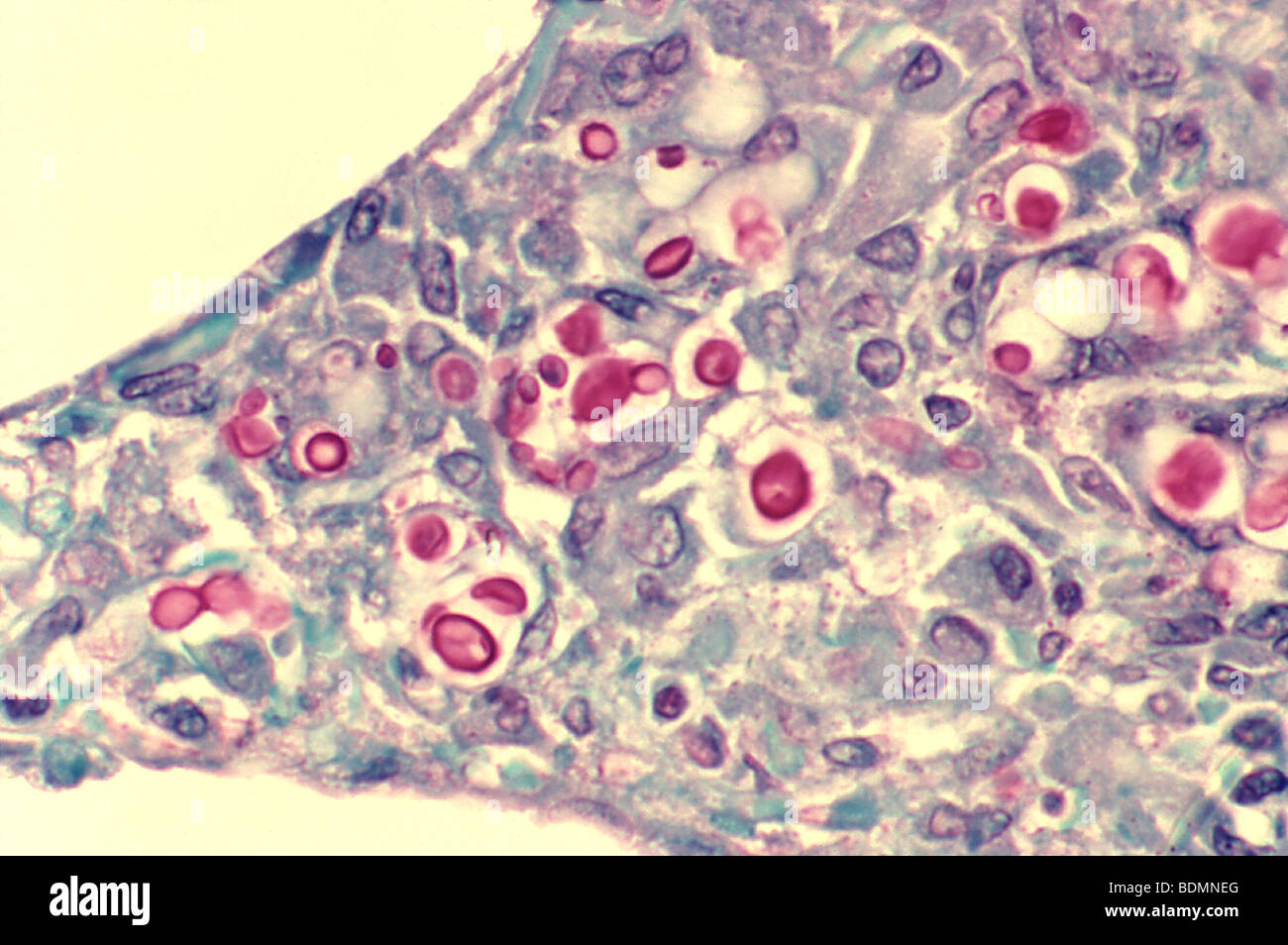
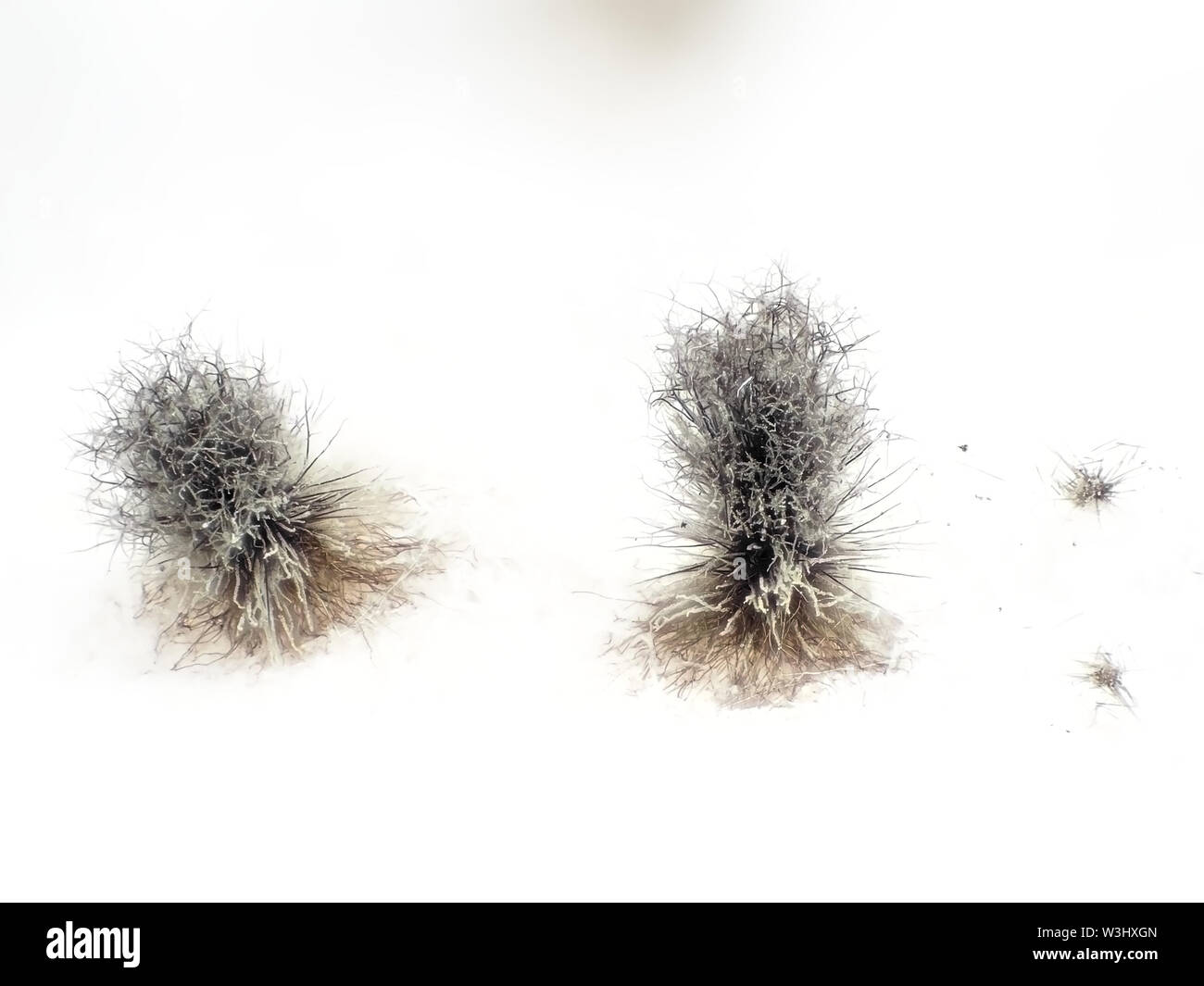
RMW3HXGN鈥�Black mold on a paper towel under the microscope, magnification is about 33x when printed 10cm wide
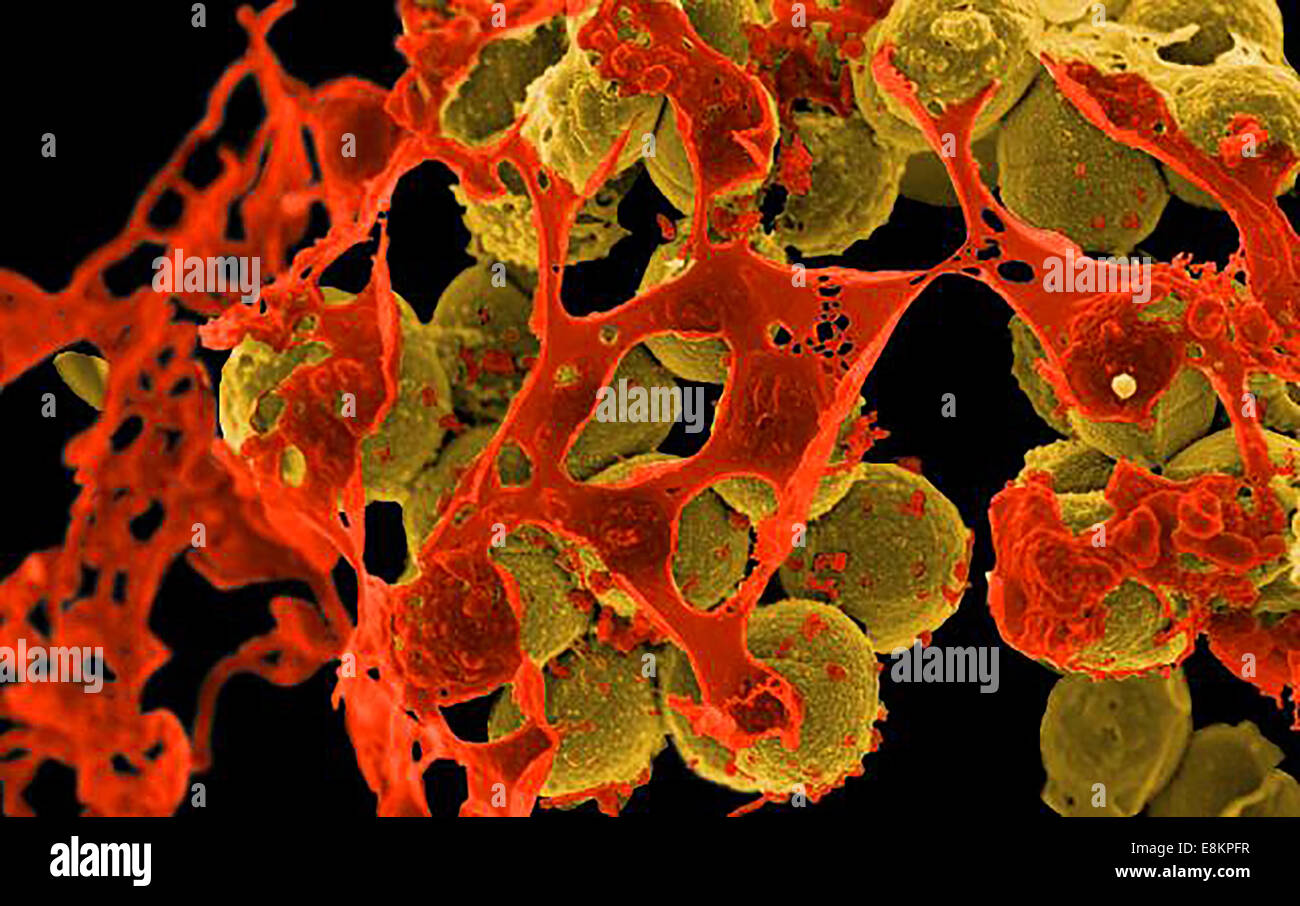
RME8KPFR鈥�Scanning electron micrograph of methicillin-resistant Staphylococcus aureus (MRSA, brown) surrounded by cellular debris MRSA
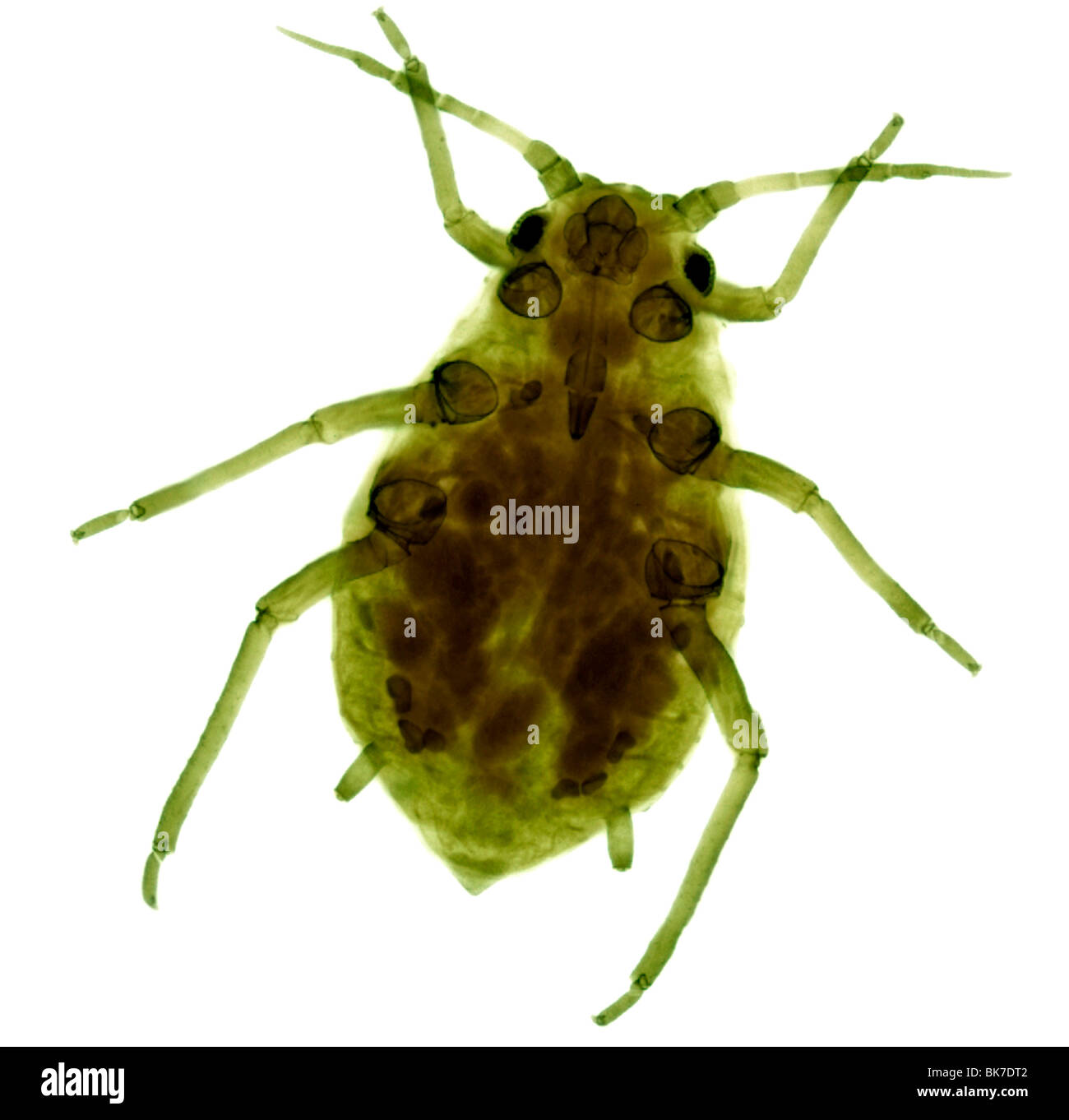
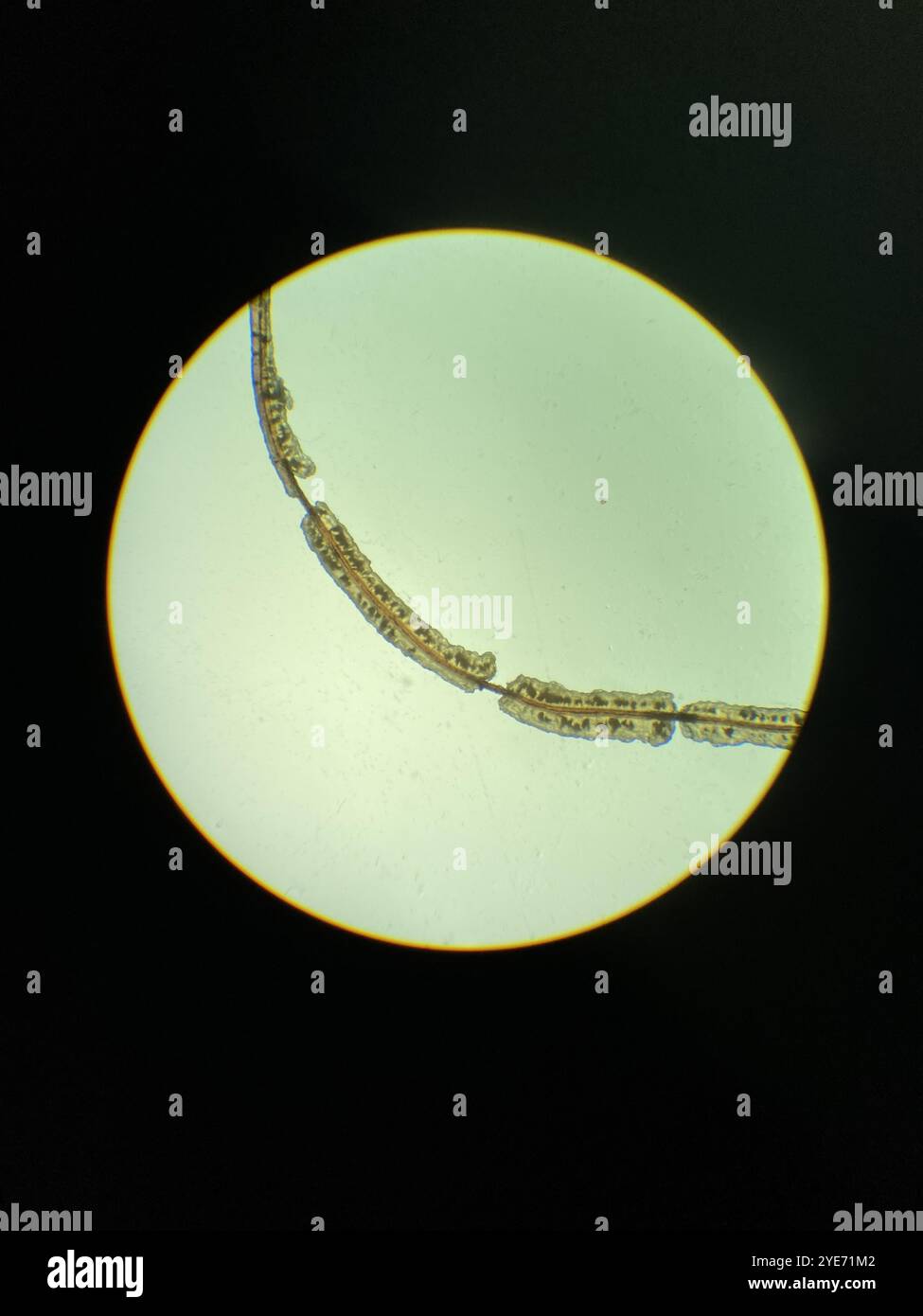
RM2YE71M2鈥�Light micrograph of trichomycosis in the armpit hair of a 65 year old white male patient. This is an infection of the hair with Corynebacterium sp. bacteria. The bacteria form a film (yellow) over the hair. It is usually asymptomatic. Treatment is with topical antiseptics or antibiotics.
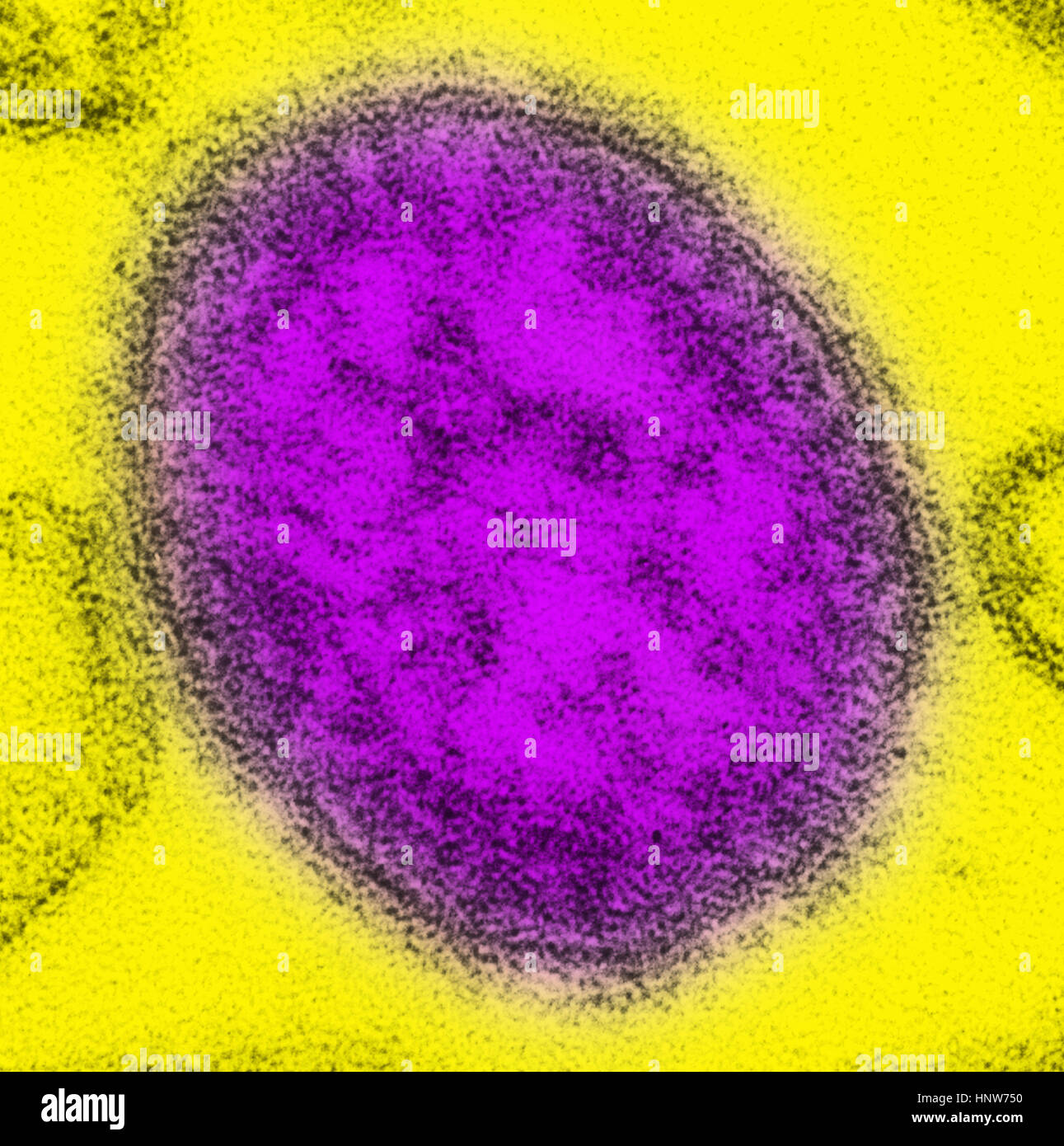
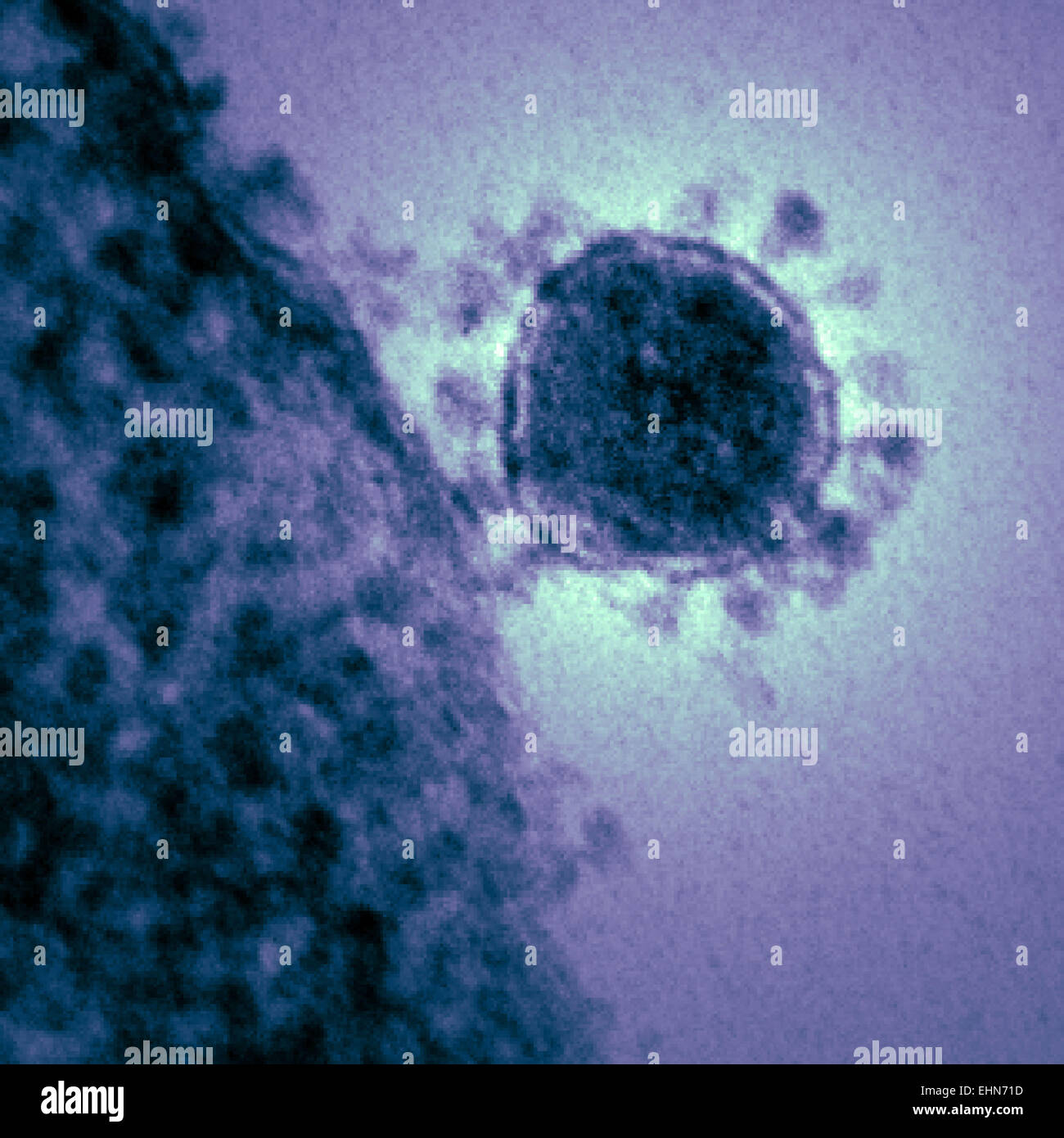
RMEHN71D鈥�Coloured transmission electron micrograph (TEM) of a MERS coronavirus particle , this virus (originally novel coronavirus 2012) has been named Middle East respiratory syndrome (MERS) coronavirus.
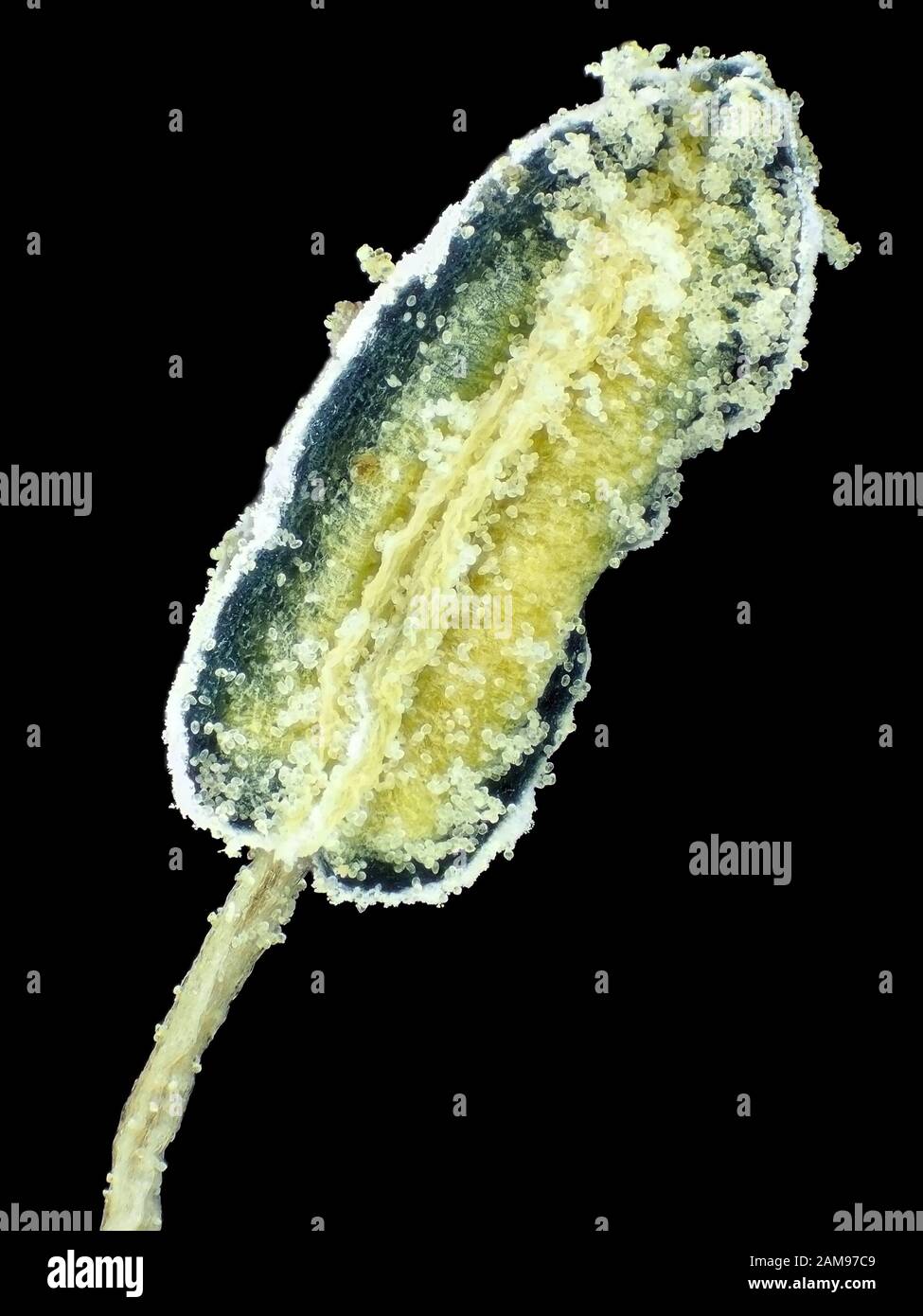
RM2AM97C9鈥�Extreme macro image (under the microscope) of hot pepper flower stamen with pollen, vertical field of view is about 3mm
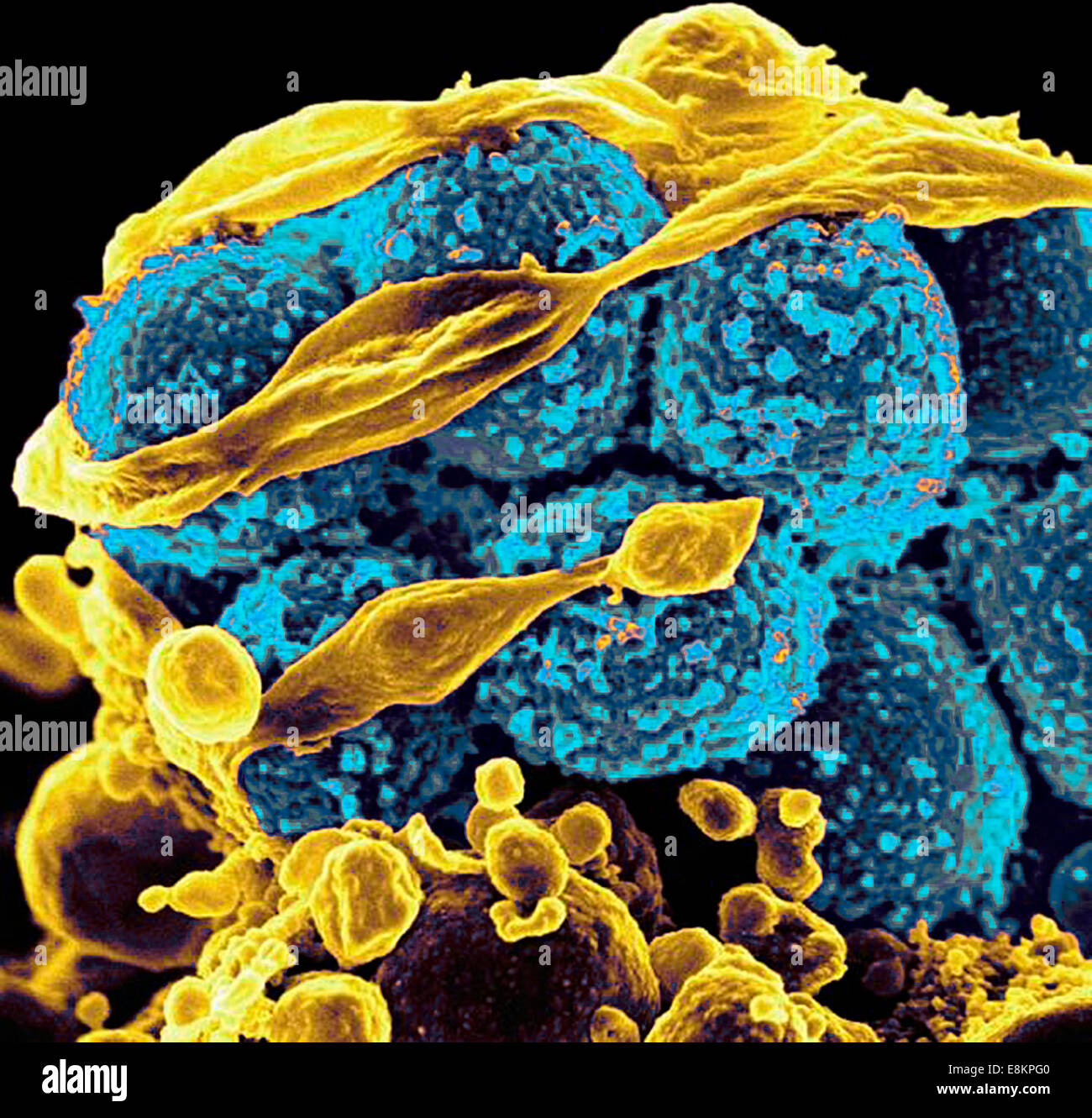
RME8KPG0鈥�Scanning electron micrograph of methicillin-resistant Staphylococcus aureus bacteria (yellow, round items) killing and escaping
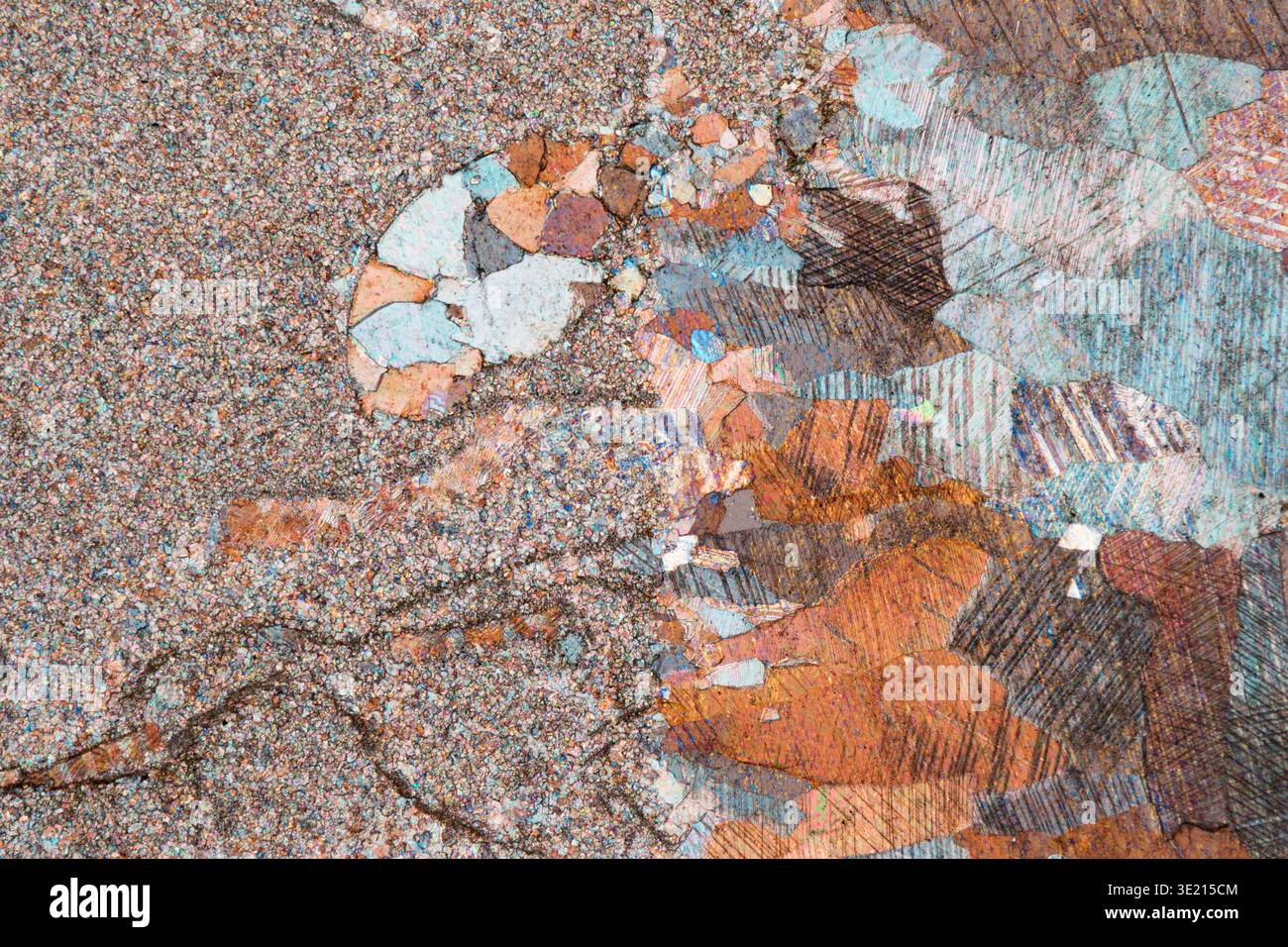
RM3E215CM鈥�Polarised light micrograph of limestone from Villnosstal, South Tyrol. This rock was formed from Triassic marine sediment and has fossil inclusions of snail and mussel shells. It was deposited 255-248 million years ago. Magnification: x60 when printed at 15 centimetres wide.
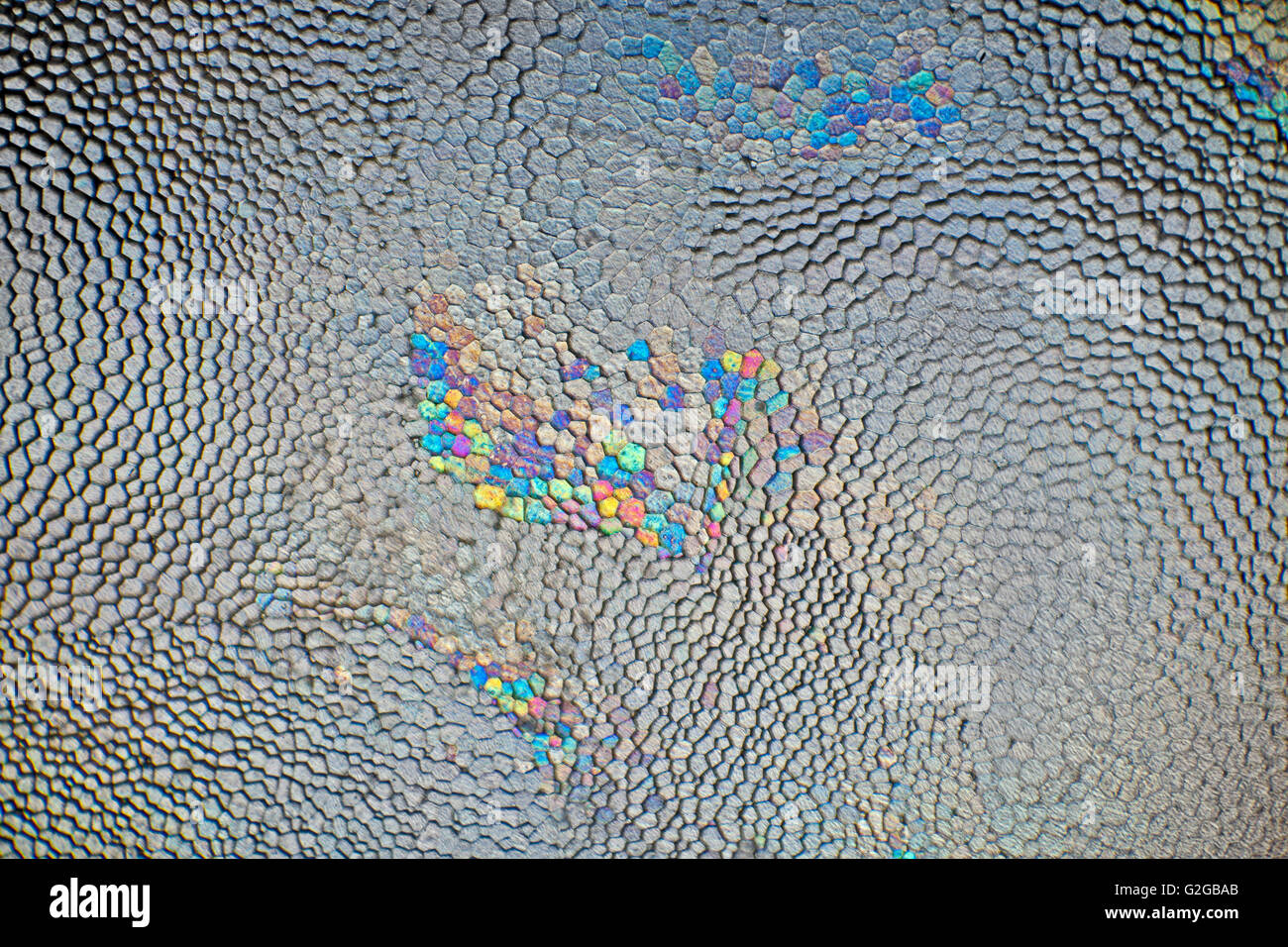
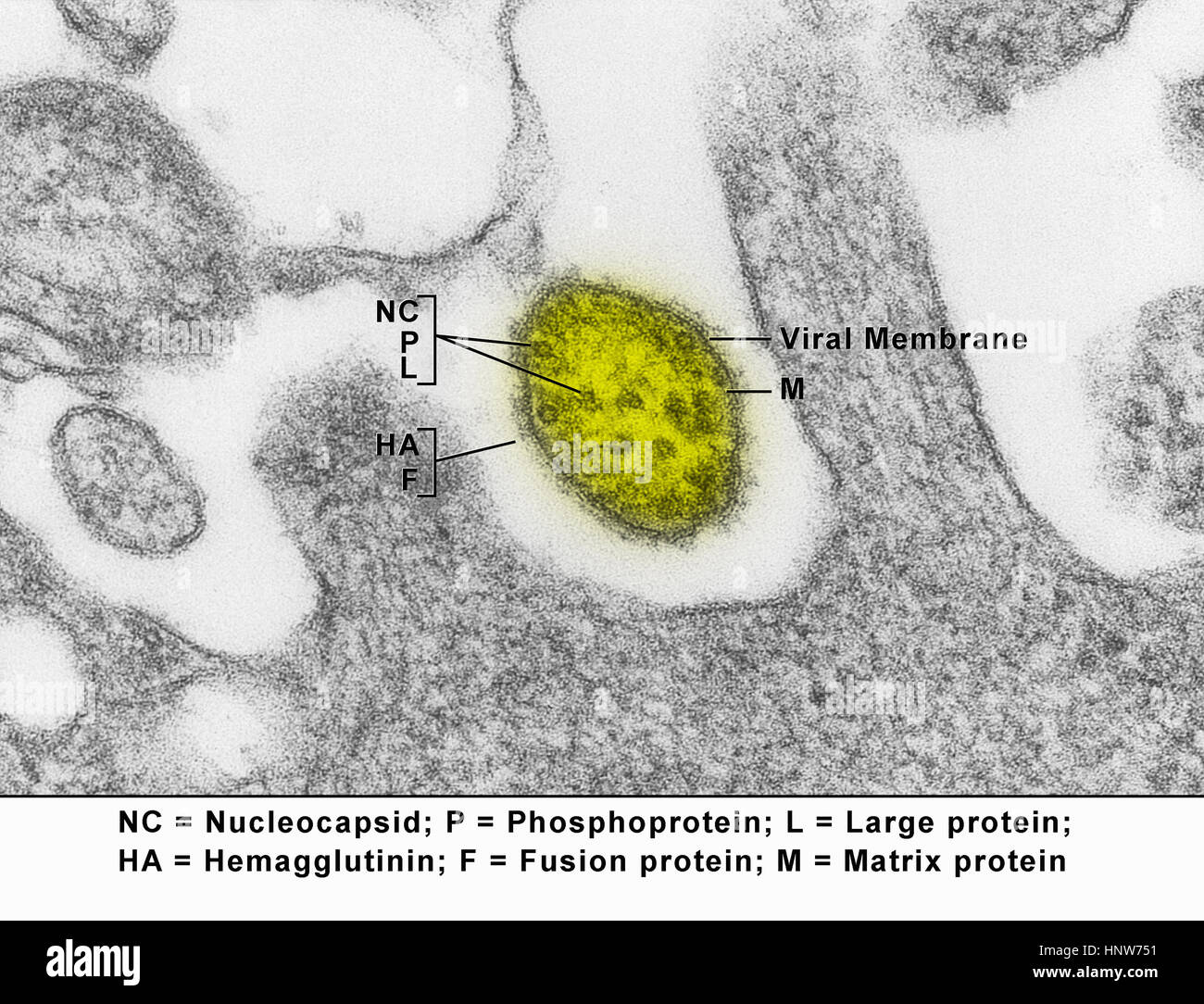
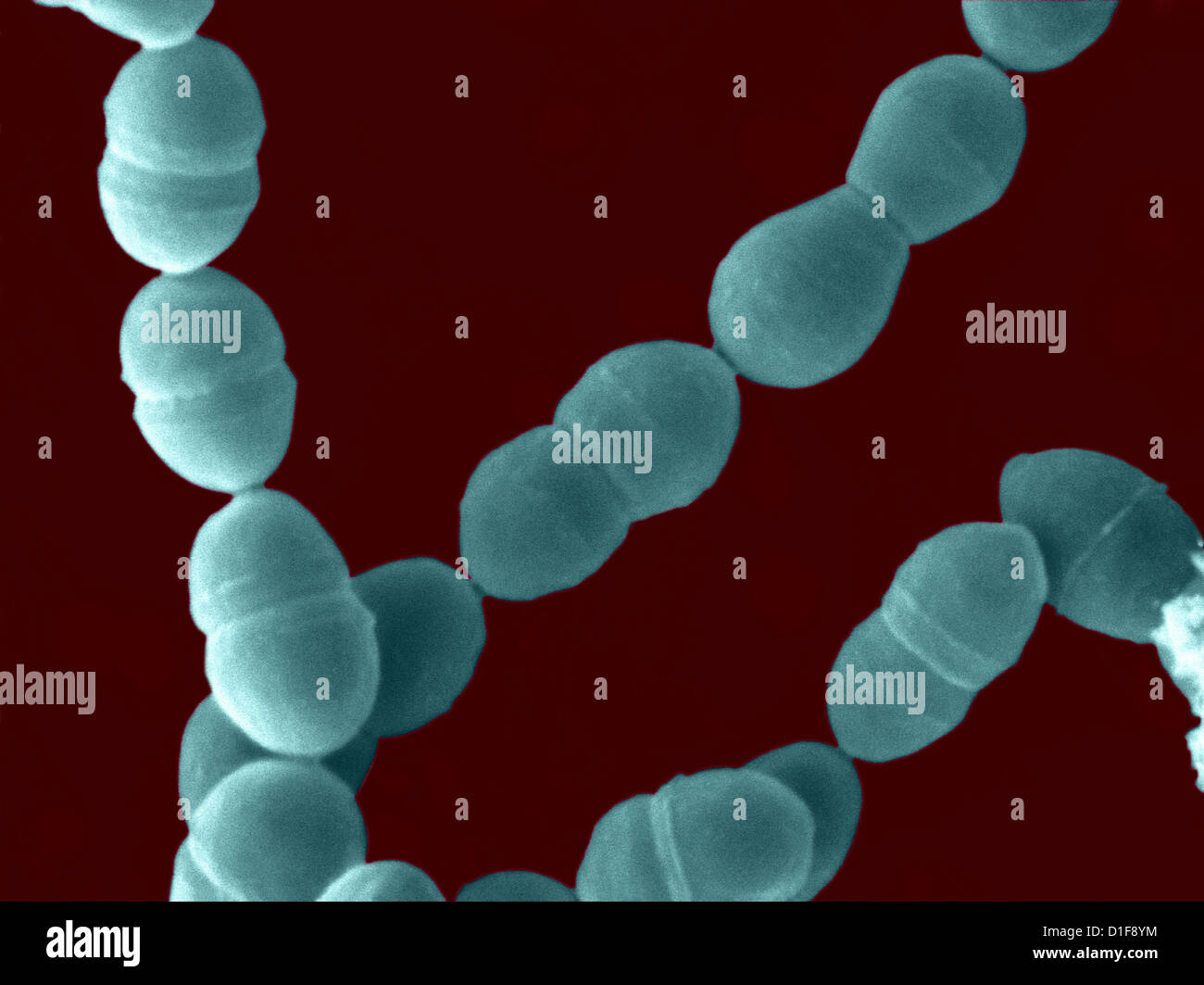
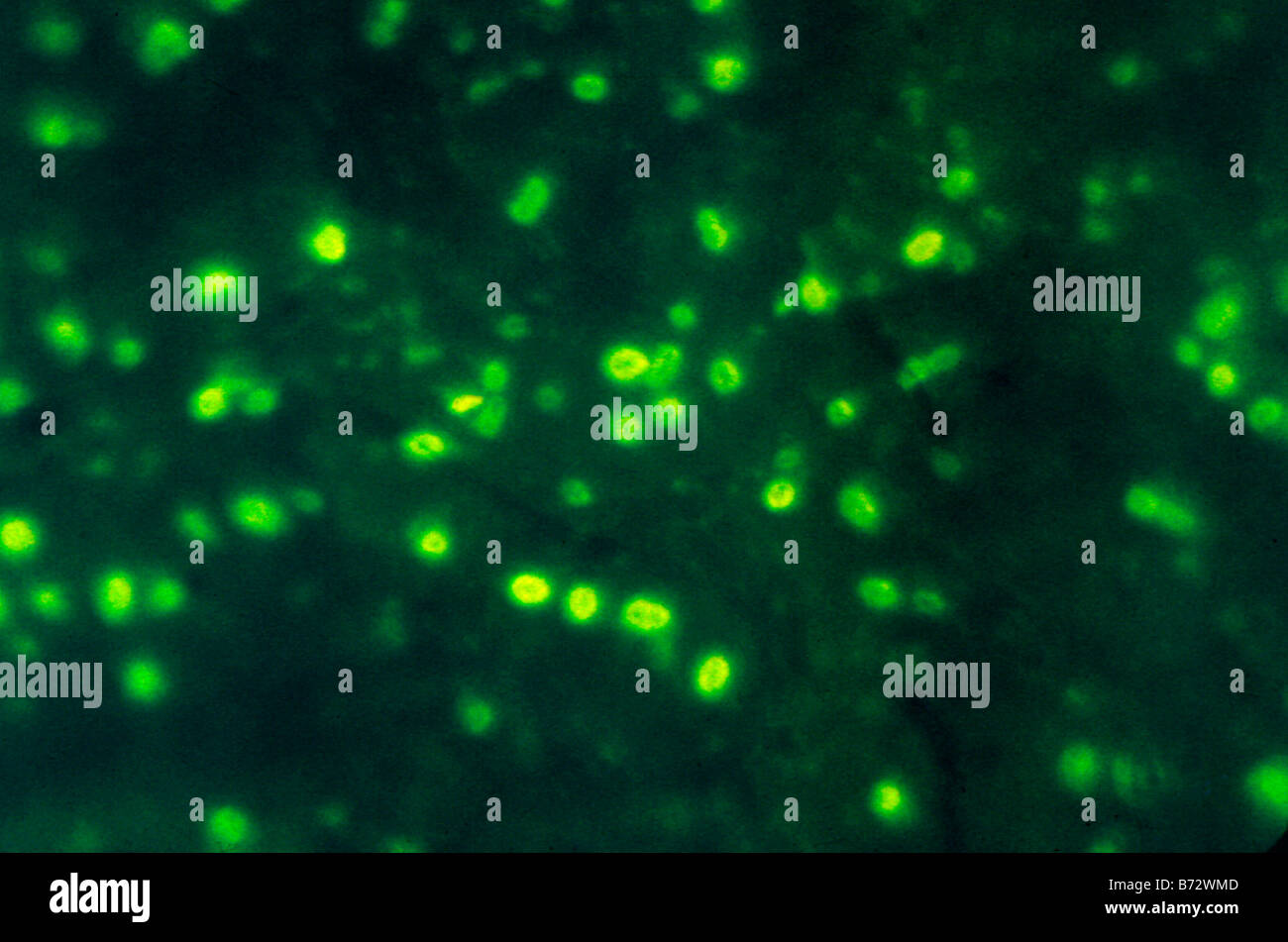
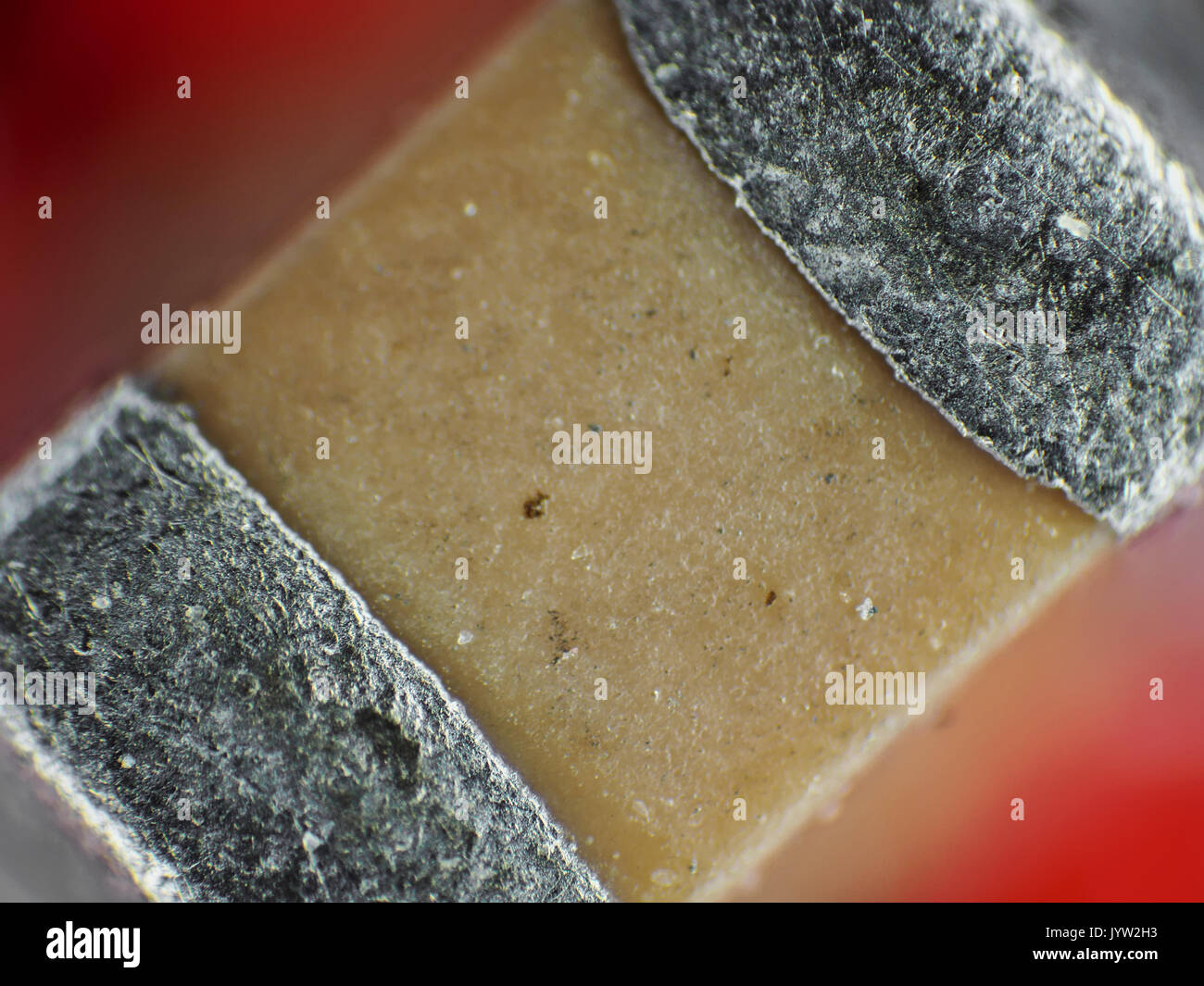
RMJYW2H3鈥�Reflected light micrograph of a surface-mount capacitor, pictured area is about 1.7mm wide
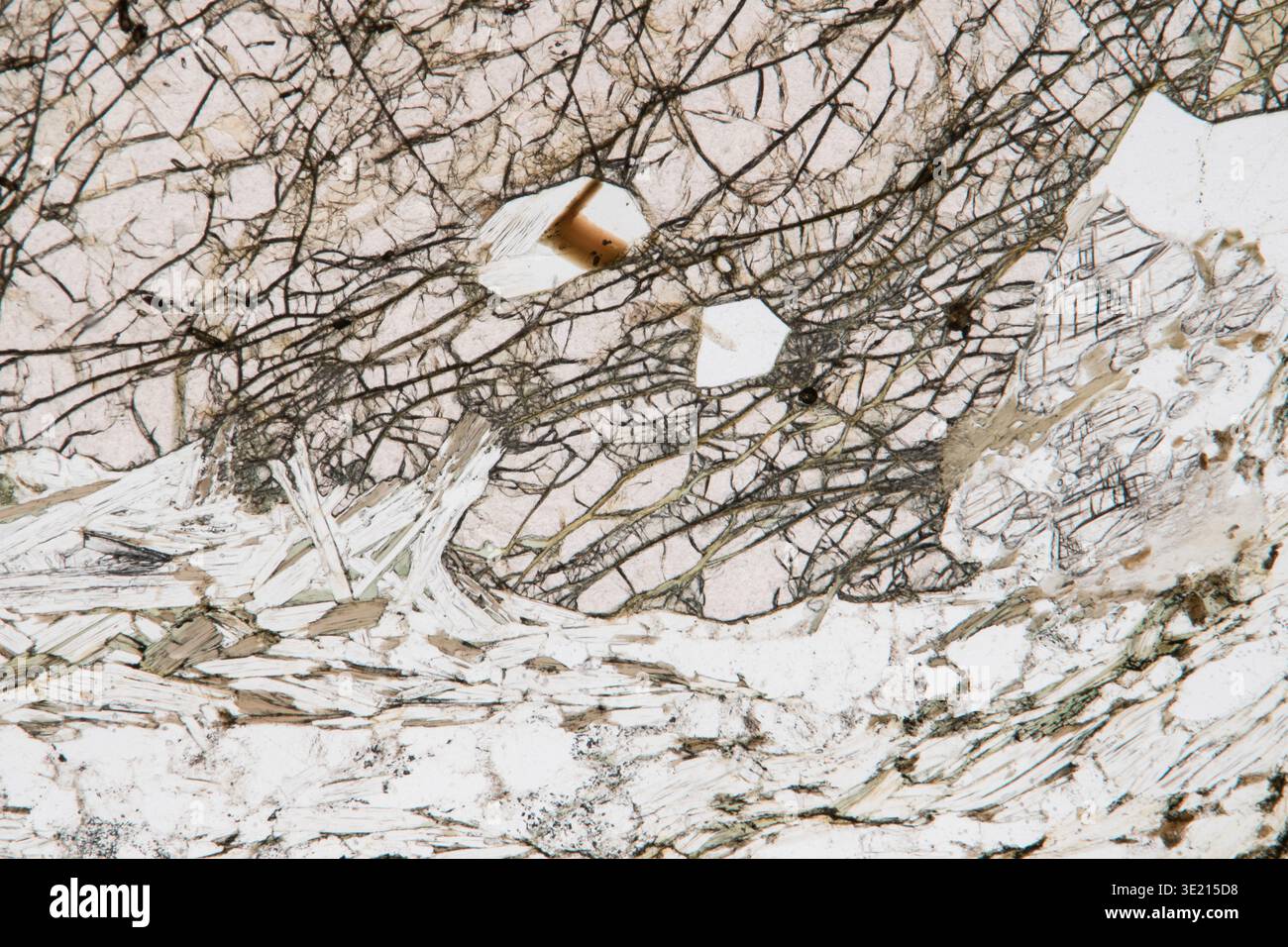
RM3E215D8鈥�Light micrograph of migmatite from Kesselalm, Proveis, South Tyrol, Italy. Migmatite is a highly metamorphic rock found in the Eastern Alps. It was formed from sedimentary rock such as shale or greywacke that experienced such high temperatures and pressures that its feldspar and quartz components partially melted. This metamorphosis took place 335-385 million years ago. Migmatite is composed of quartz, feldspar, garnet, kyanite, biotite, and light mica (muscovite). Magnification: x60 when printed at 15 centimetres wide.
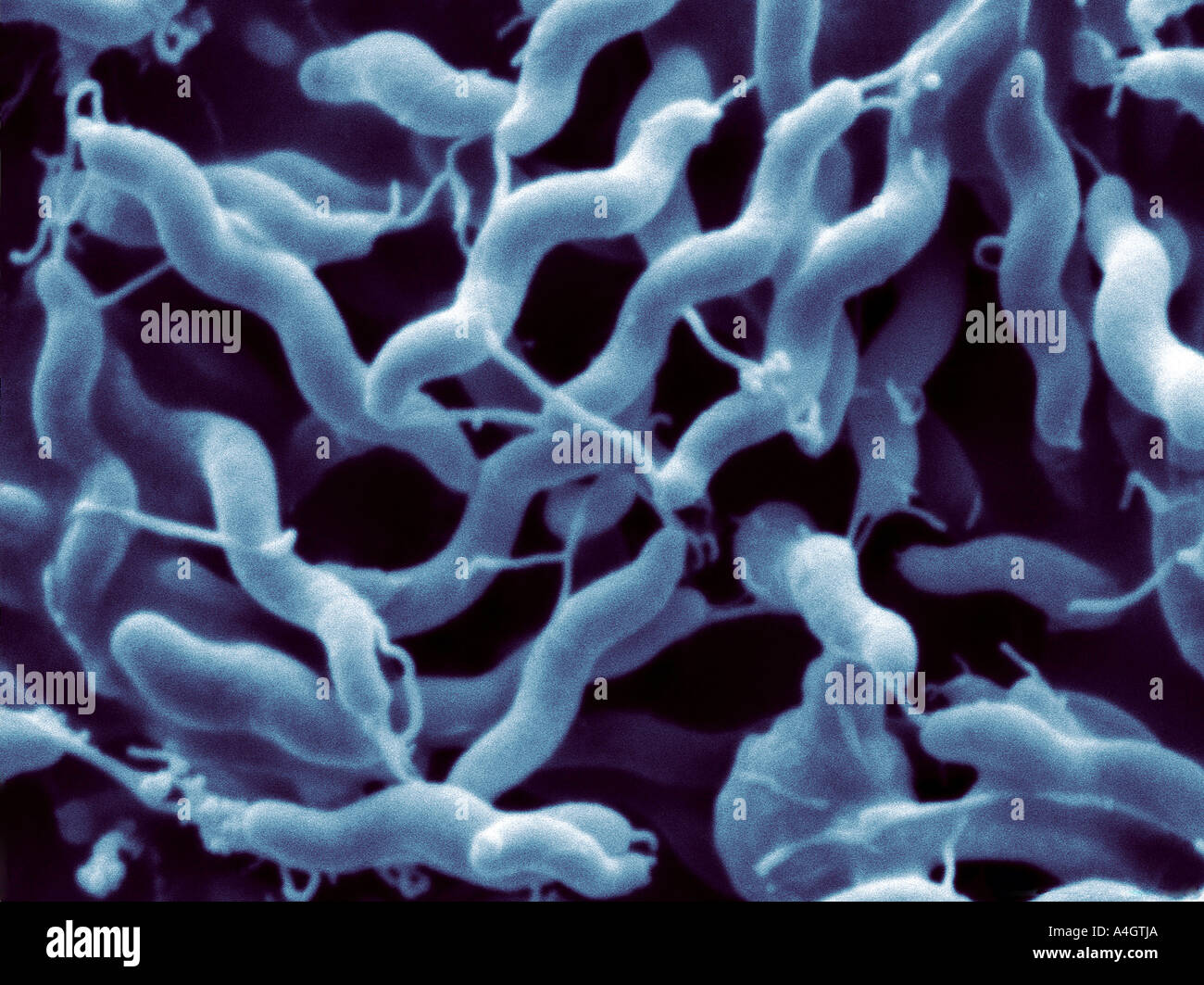
RMA4GTJA鈥�This is a colour enhanced scanning electron micrograph of the bacteria Campylobacter jejuni
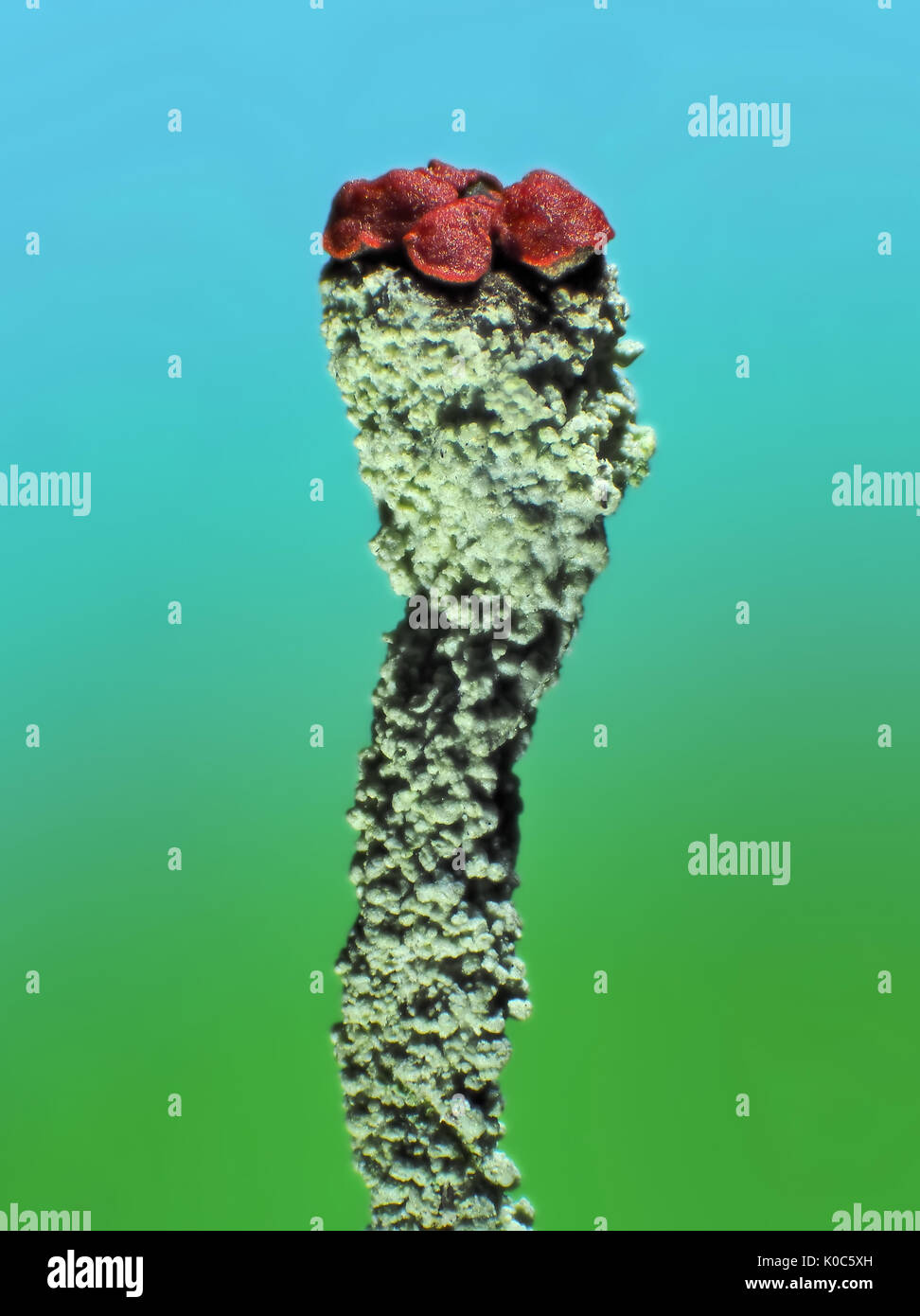
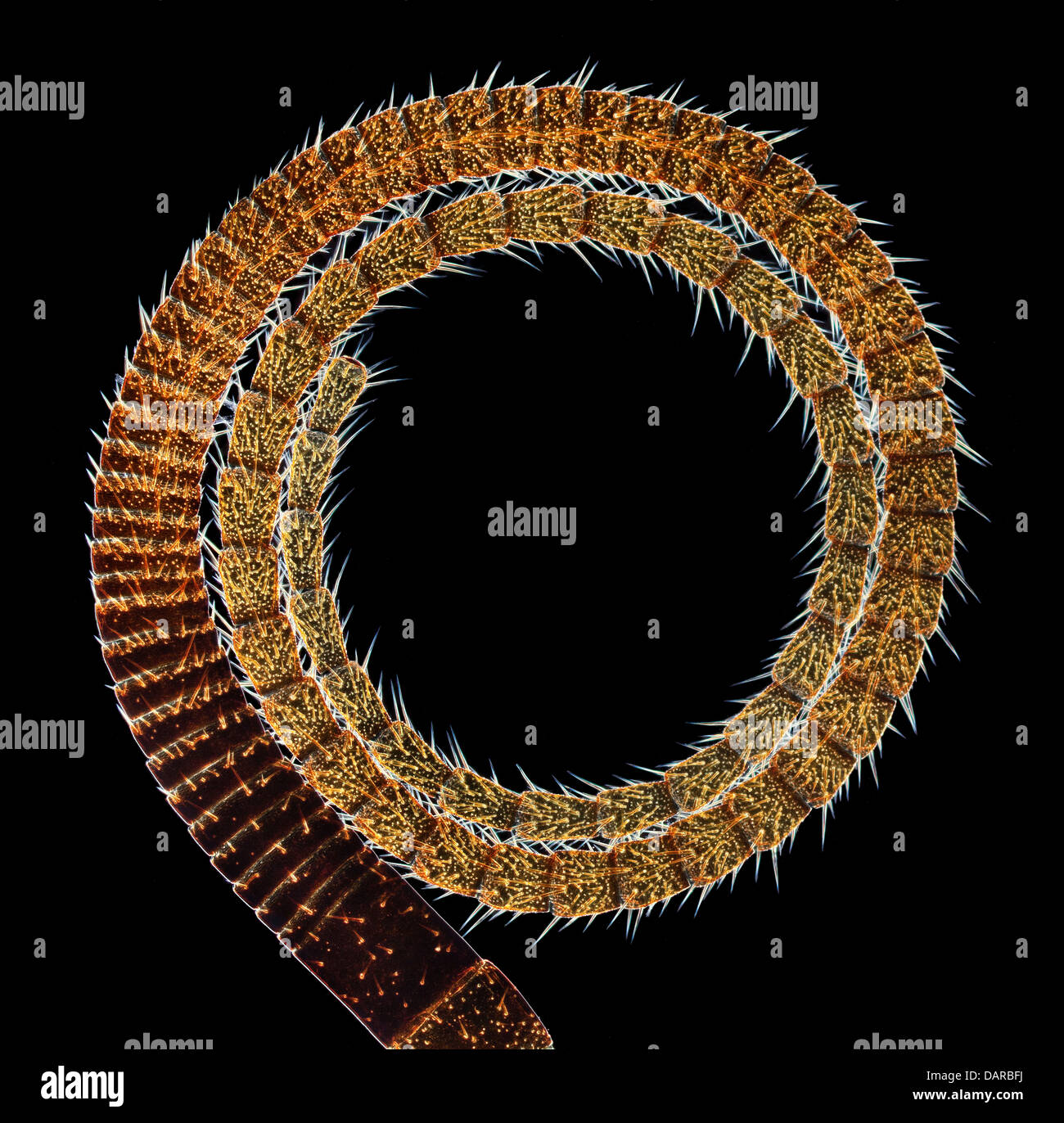
RMK0C5XH鈥�Light micrograph of a Cladonia sp. lichen from Washington state, pictured area is about 7.5mm tall
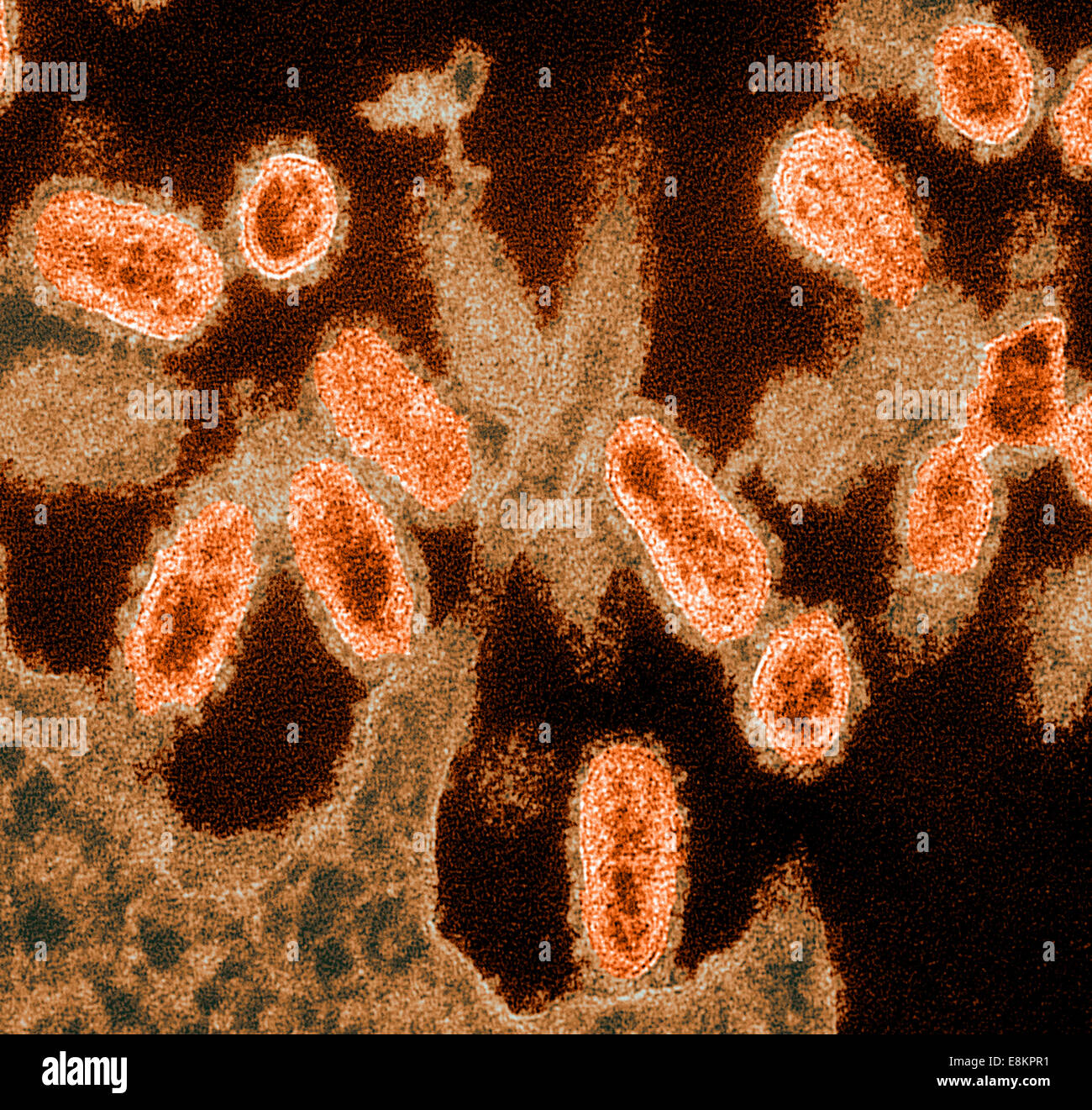
RME8KPR1鈥�This colorized transmission electron micrograph (TEM) of an ultra-thin specimen revealed some of ultrastructural morphologic
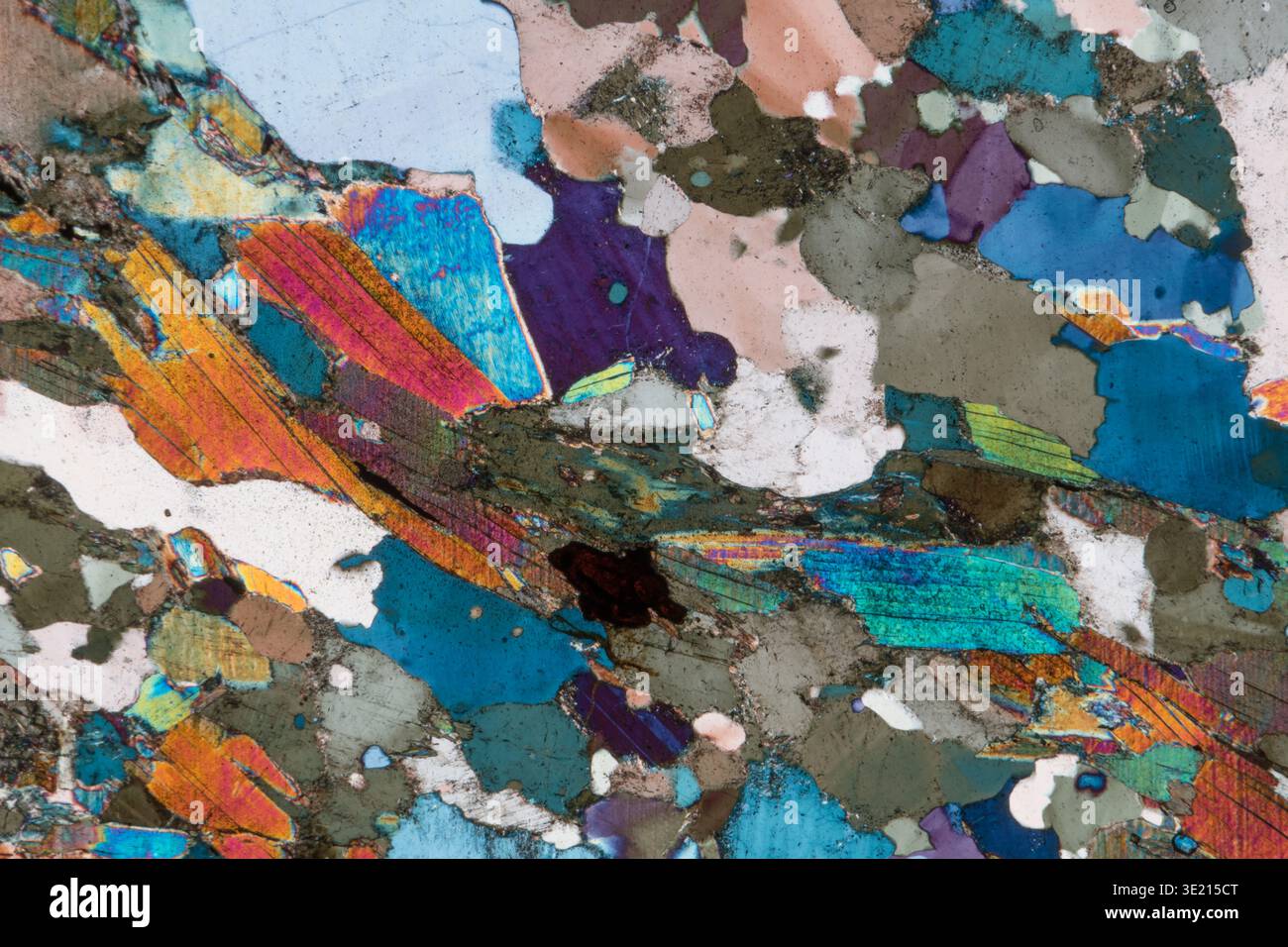
RM3E215CT鈥�Polarised light micrograph of orthogneiss from the Kesselalm area, Proveis, South Tyrol, Italy. Orthogneiss is a two-mica gneiss of the crystalline basement of the Eastern Alps. It is formed by a moderate metamorphic transformation of igneous rocks such as granite, diorite or syenite. Orthogneiss consists of quartz, potassium feldspar, plagioclase, mica and biotite. This stone also contains garnet (splintered grains). The main metamorphosis of orthogneiss was 350-380 million years ago. Magnification: x60 when printed at 12 centimetres wide.
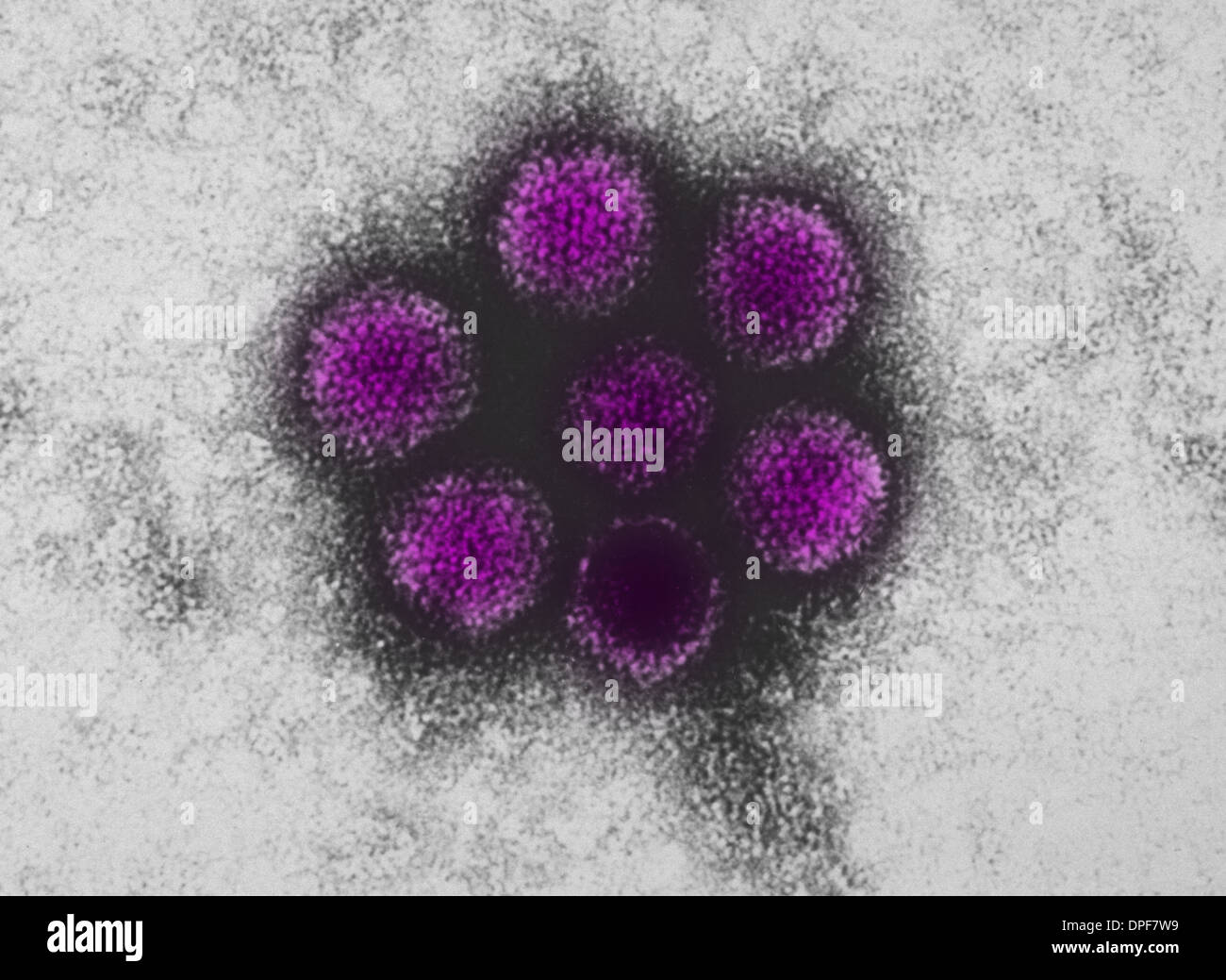
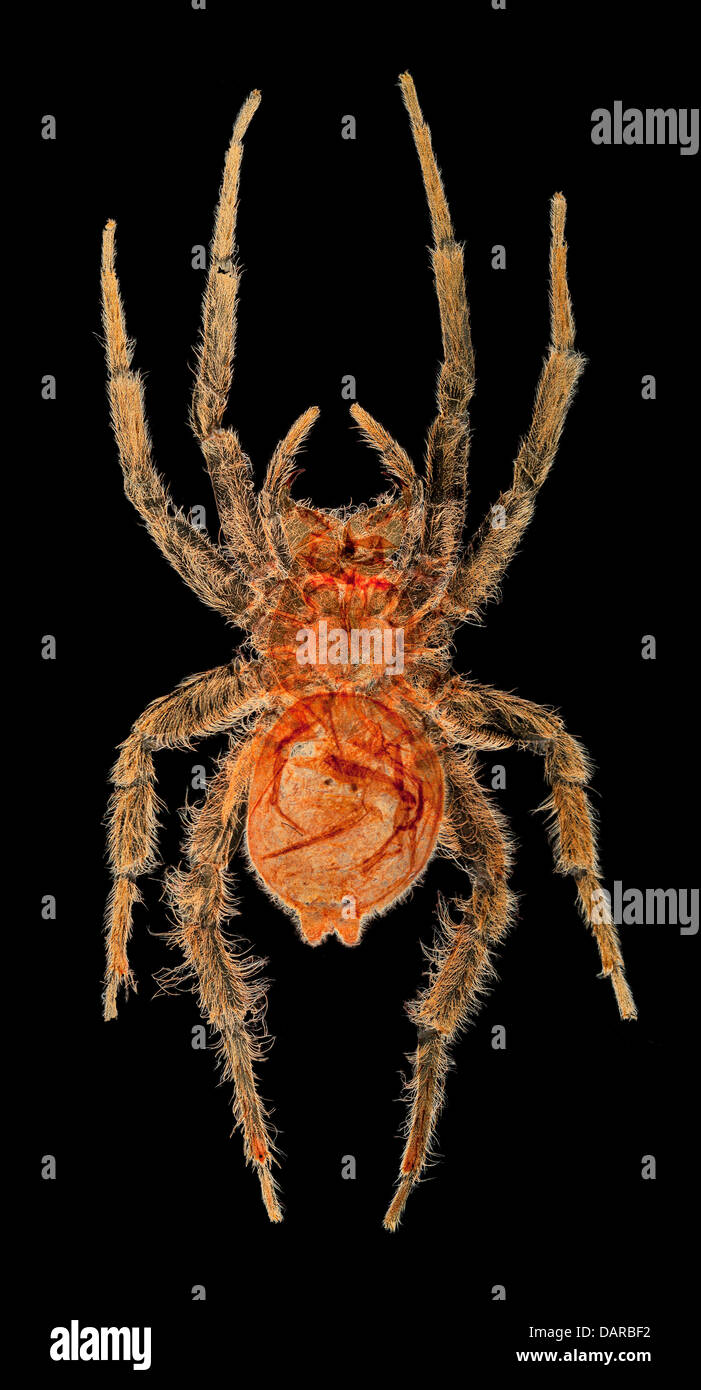
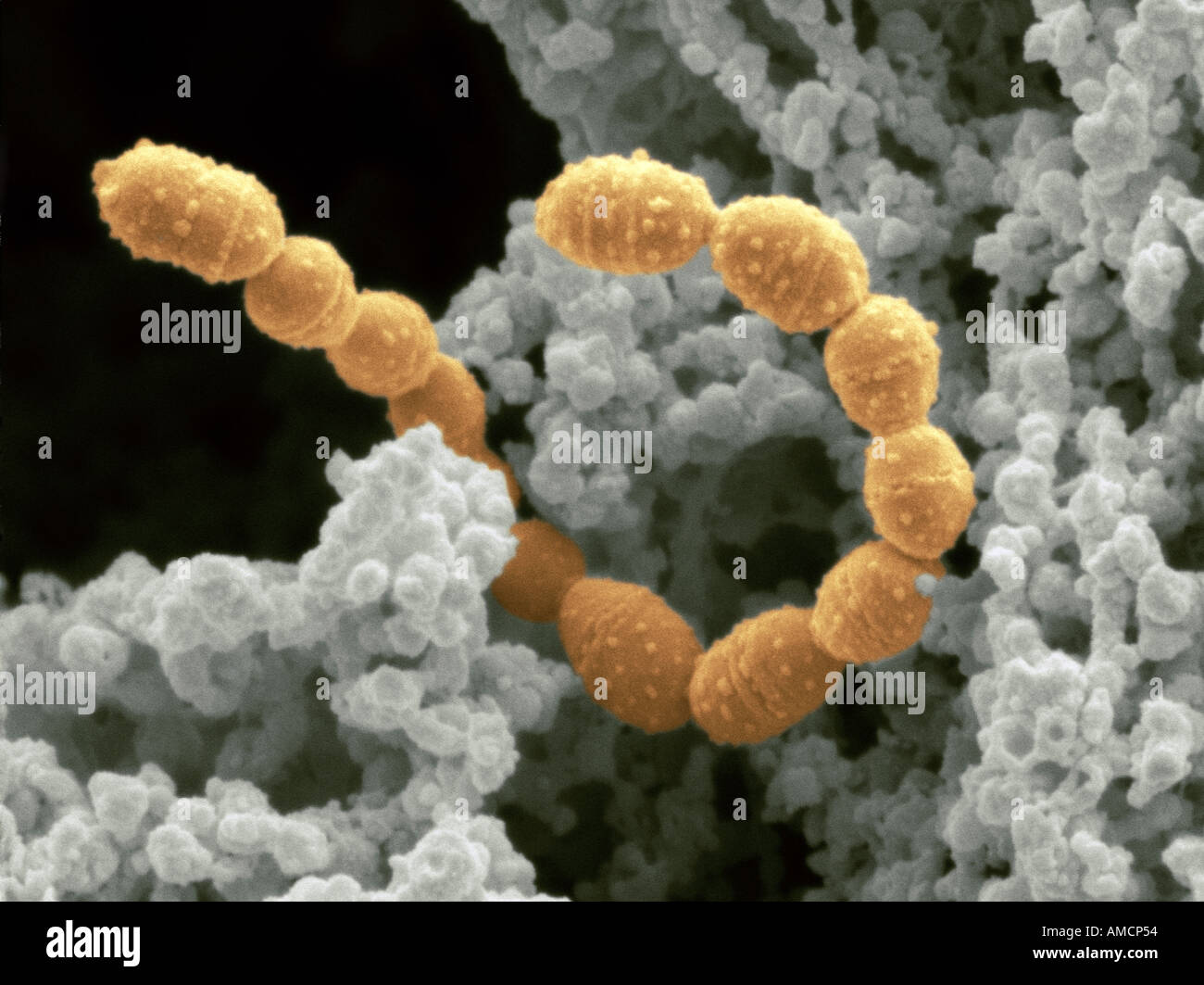
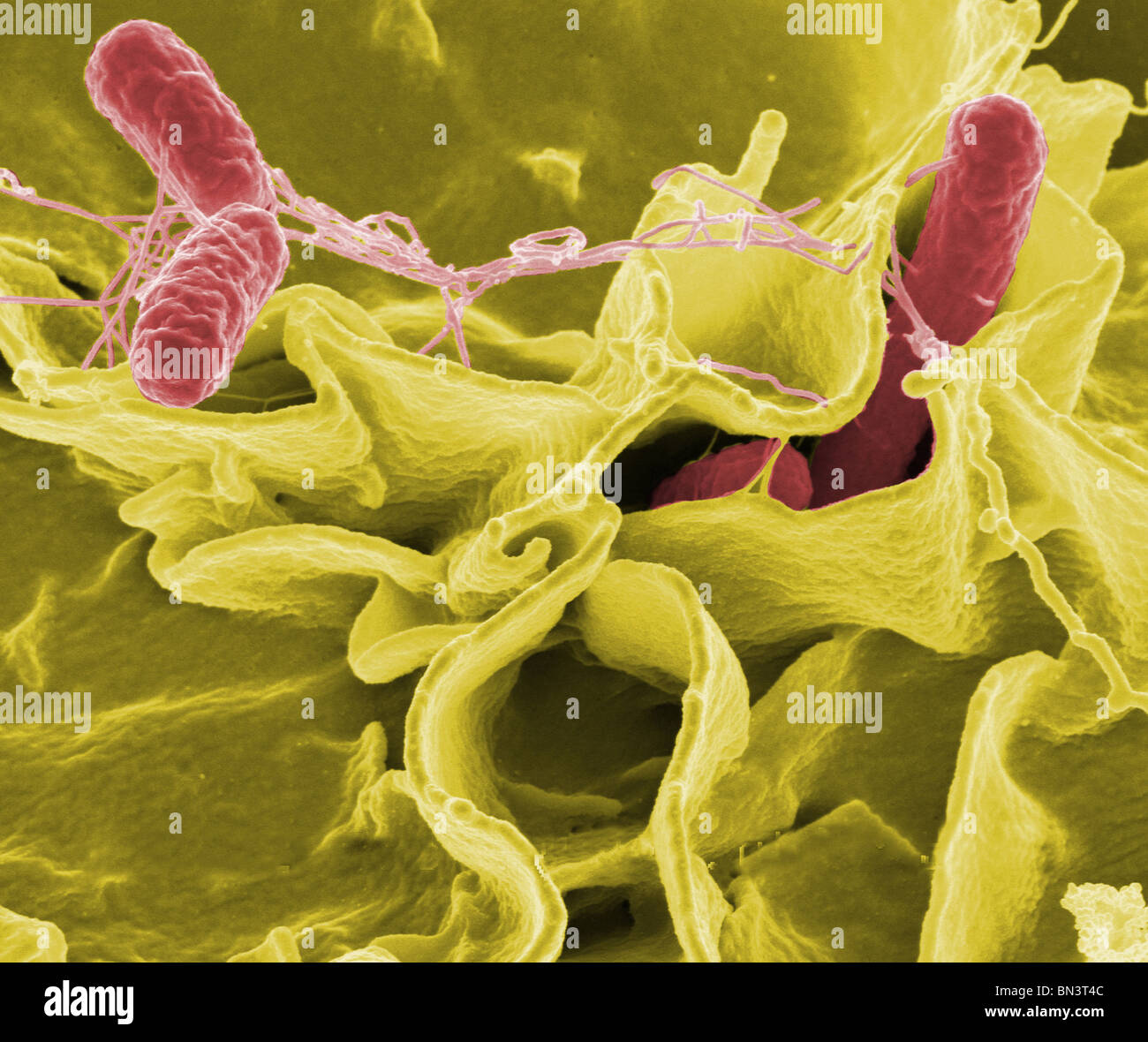
RMBN3T4C鈥�Color-enhanced scanning electron micrograph showing Salmonella typhimurium (red) invading cultured human cells.
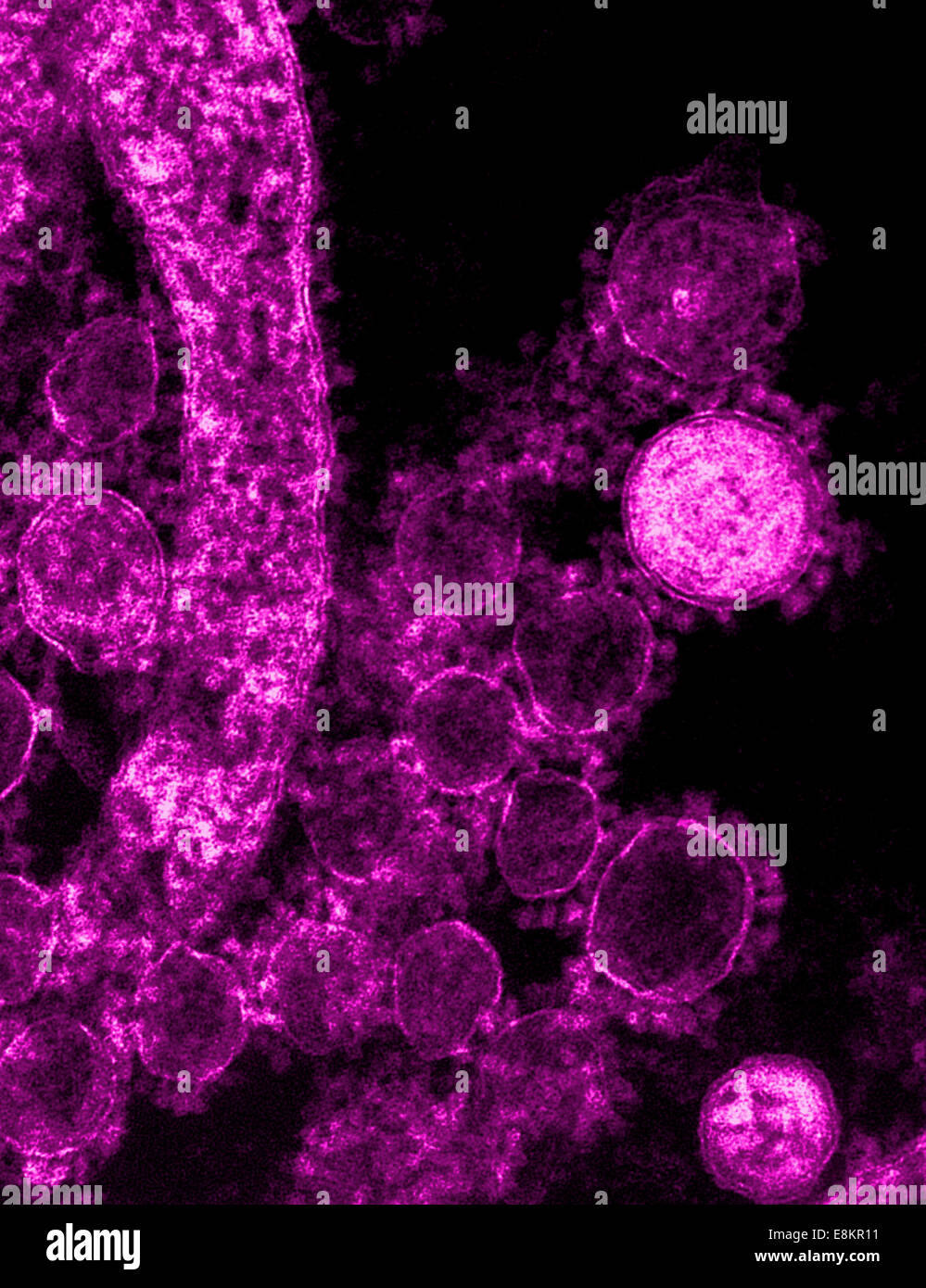
RME8KR11鈥�Colorized transmission electron micrograph showing particles of Middle East respiratory syndrome coronavirus that emerged in
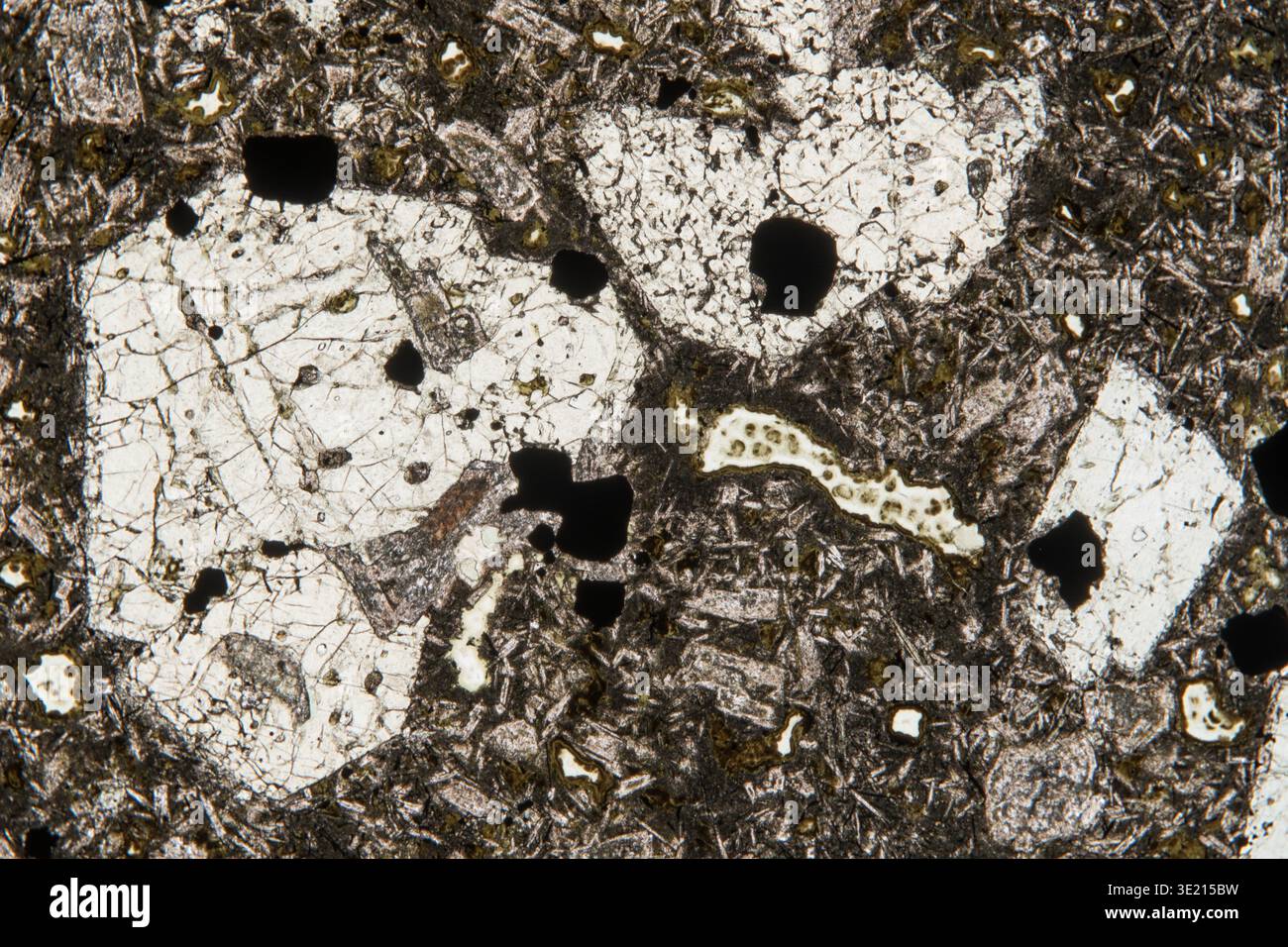
RM3E215BW鈥�Light micrograph of a sample of basalt from Seis, South Tyrol, Italy. Basalt is formed when the earth's mantle melts. The thin, low-silica magma cools relatively quickly when released to the Earth's surface or ocean. The magma usually contains inclusions (xenocryst) of minerals or entire rocks (xenolite) with a higher melting point, which were carried along during the ascent. Basalt consists mainly of a mixture of iron and magnesium silicates with pyroxene and calcium-rich feldspar (plagioclase) and also olivine. Magnification: x30 when printed at 15 centimetres wide.
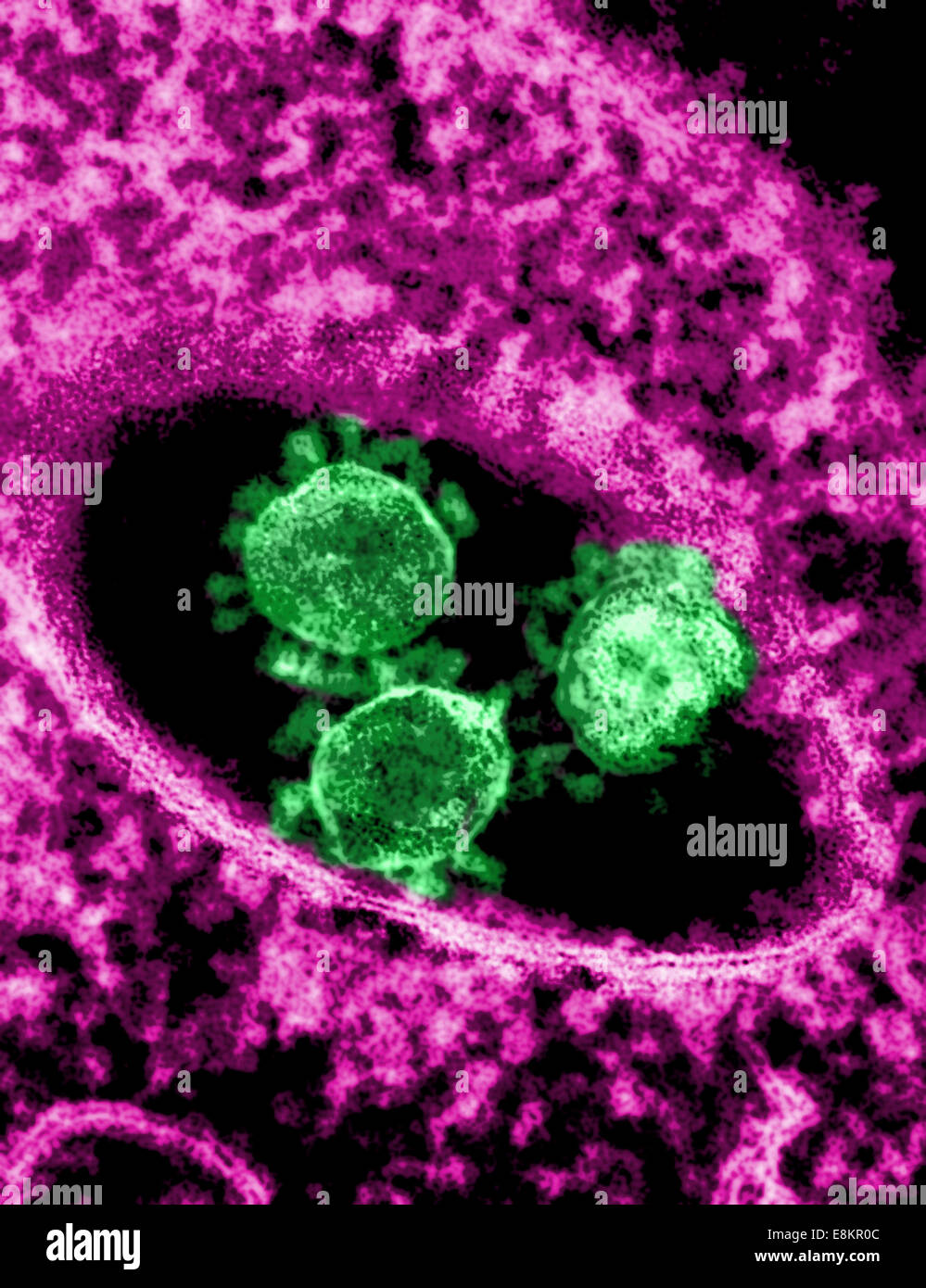
RME8KR0C鈥�Colorized transmission electron micrograph showing particles of Middle East Respiratory Syndrome Coronavirus that emerged in
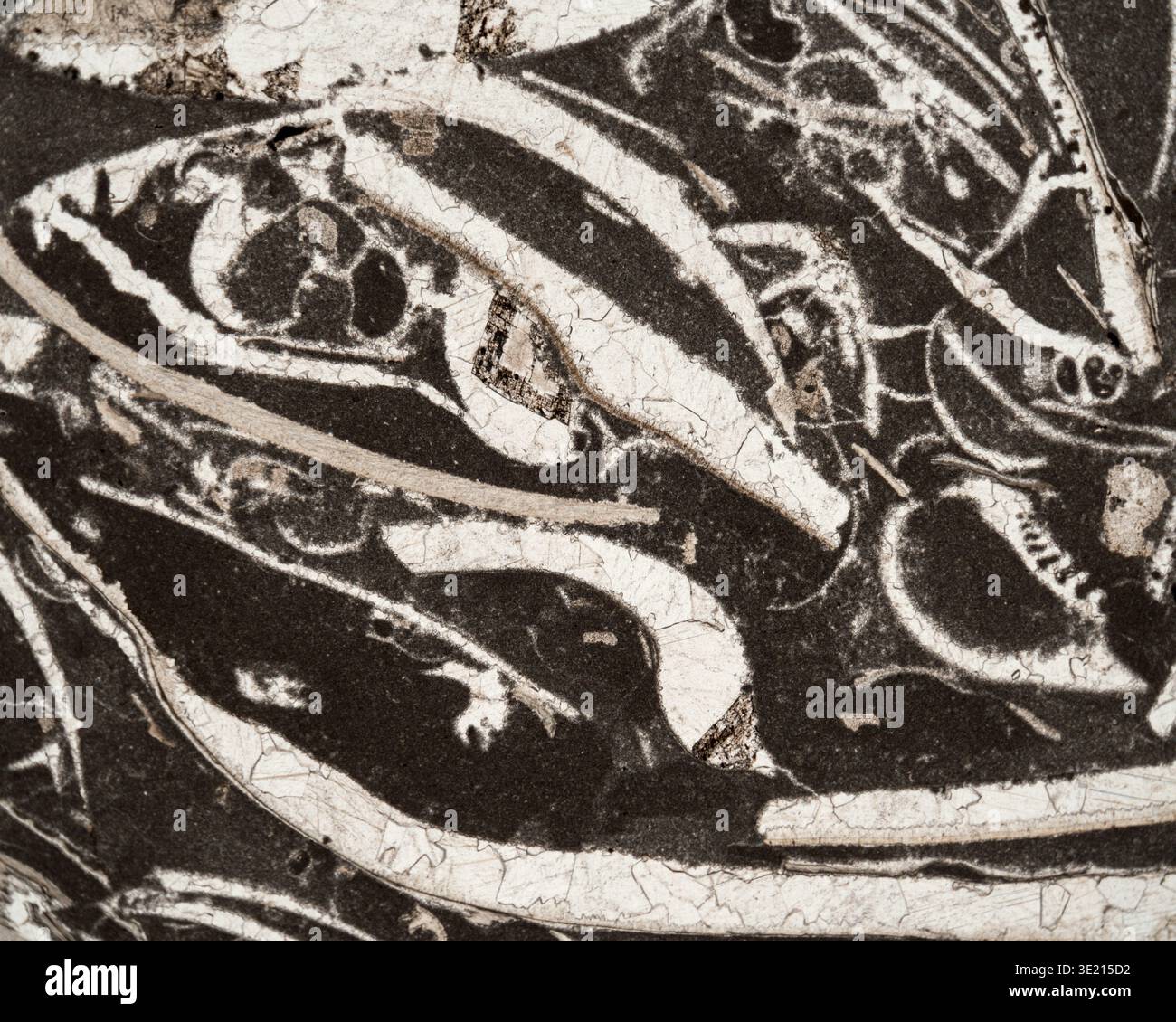
RM3E215D2鈥�Light micrograph of crinoidal limestone from the Upper Muschelkalk formation, Hornle, Mottlingen, Germany. This rock was formed about 235 million years ago. It is named for the crinoid fossil remains found in it. Other fossils found in this rock include molluscs, mussels, brachiopods and snails. Magnification: x30 when printed at 15 centimetres wide.