Quick filters:
Silk route Stock Photos and Images
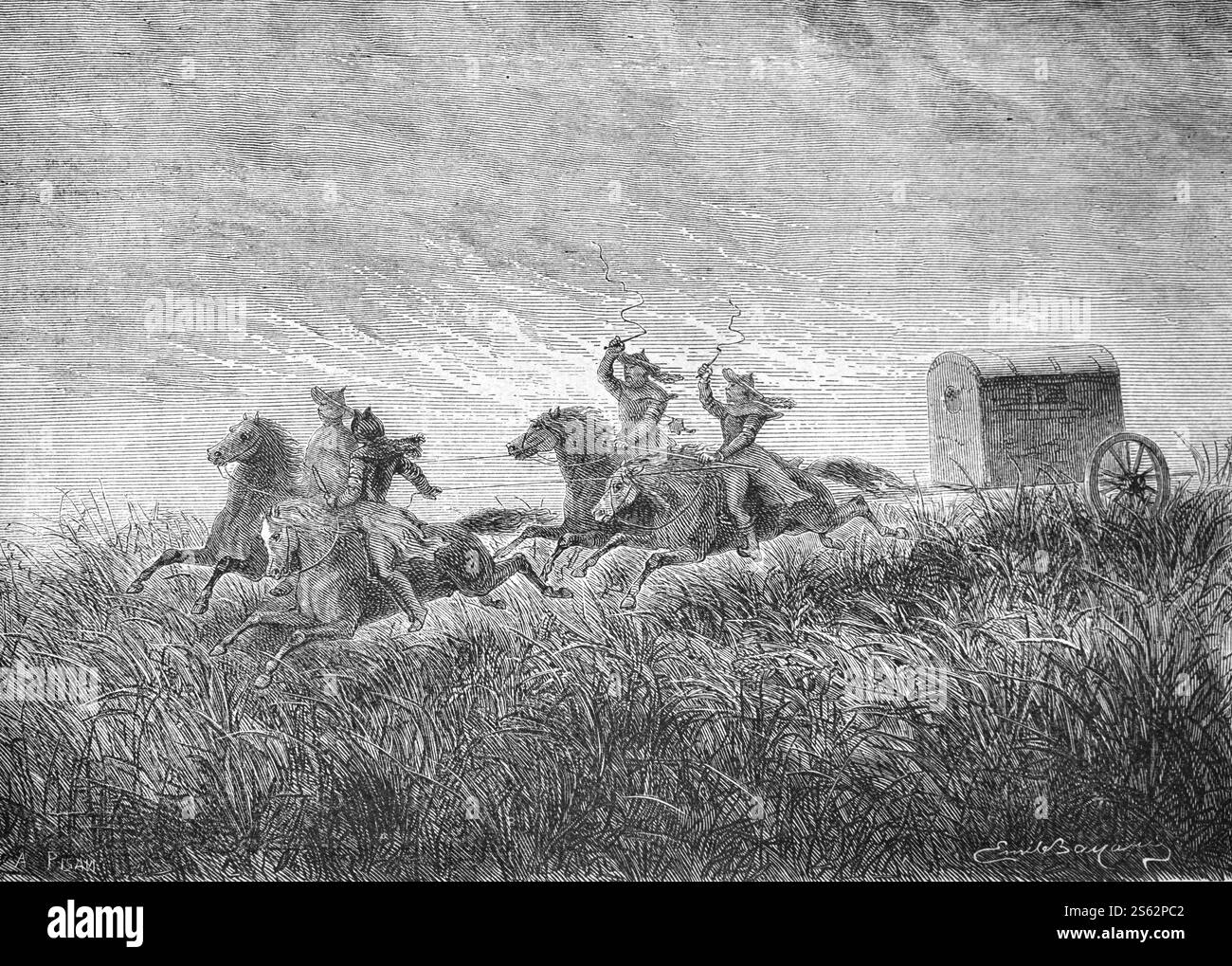
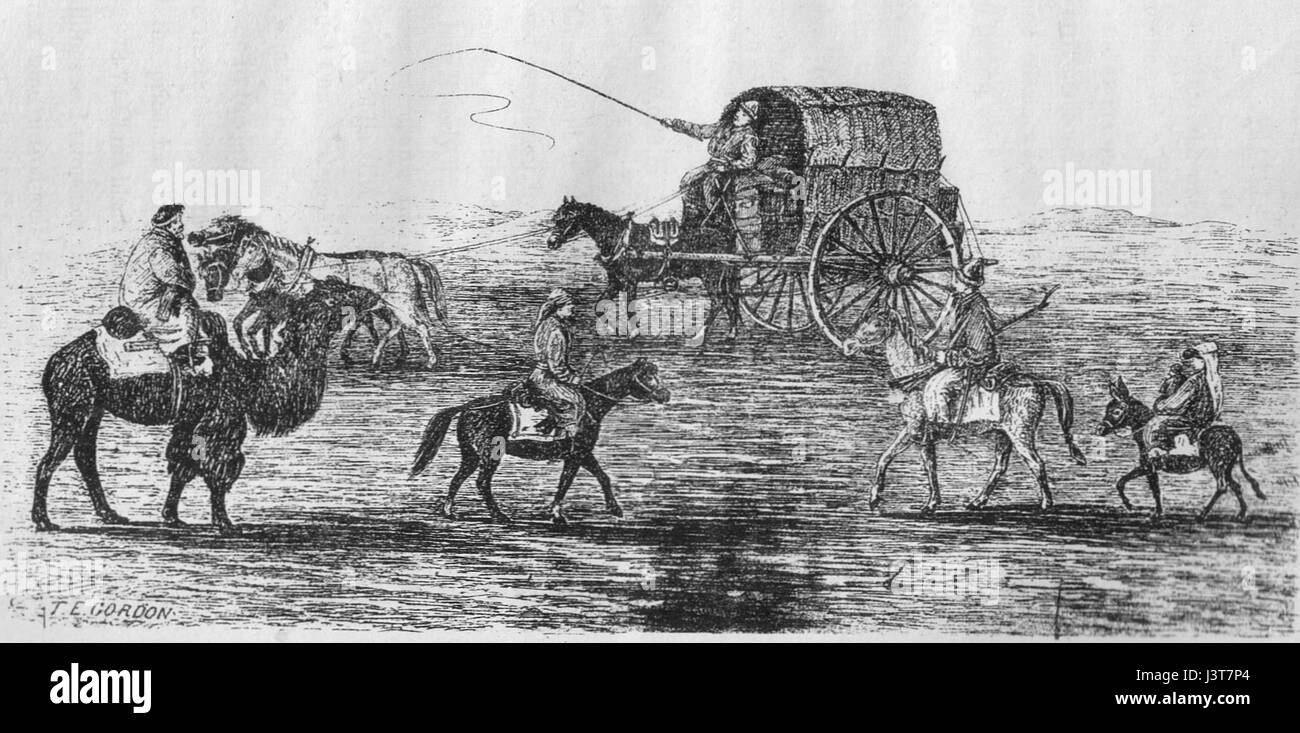
RM2S62PC2鈥�Chinese Wagon, Wagons or Horses and Cart Caravan Crossing the Gobi Desert China. Vintage or Historic Engraving or Illustration 1864
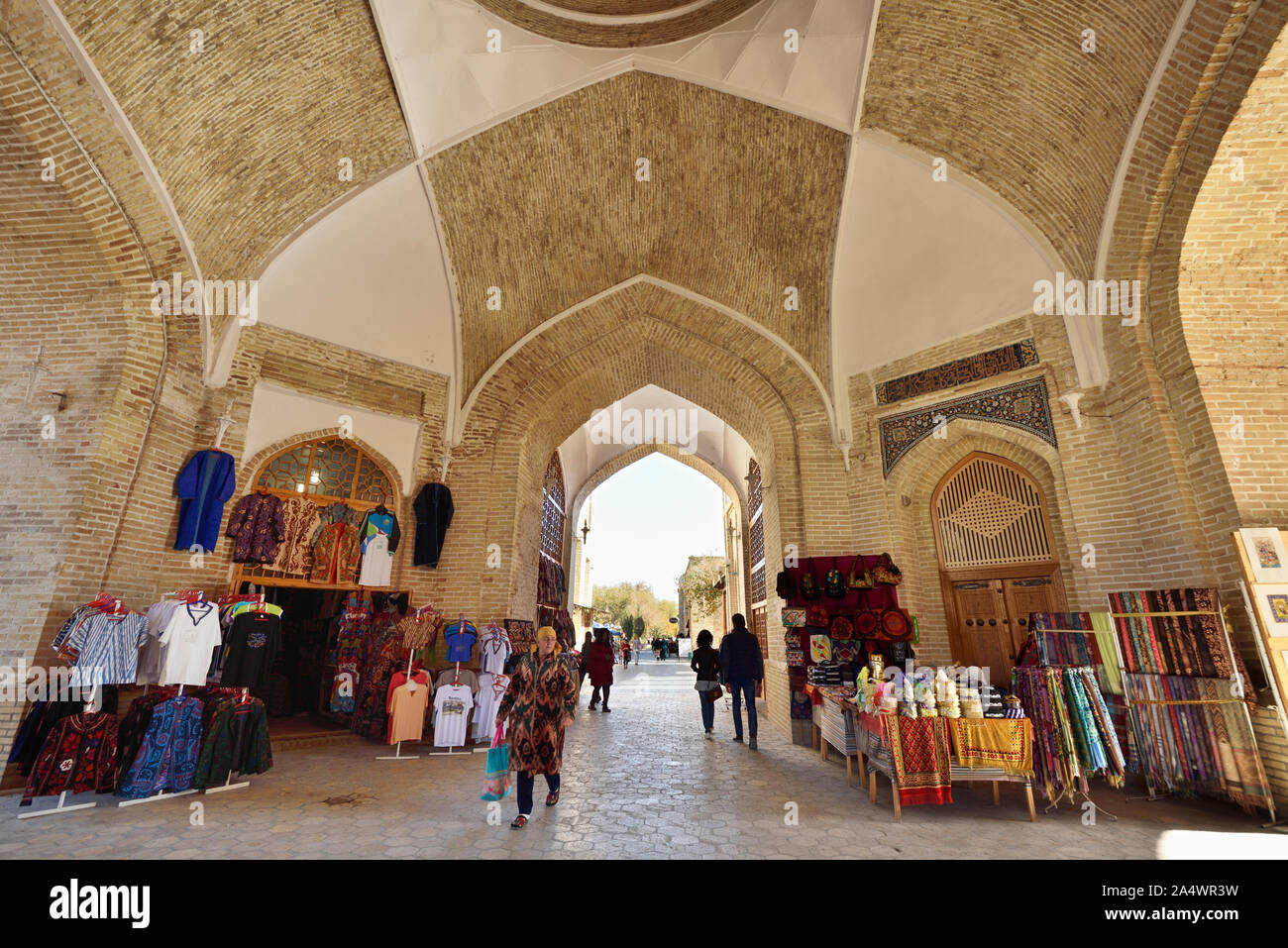
RM2A4WR3W鈥�The domes inside Taki Telpak Furushon bazaar. Bukhara, a UNESCO World Heritage Site. Uzbekistan
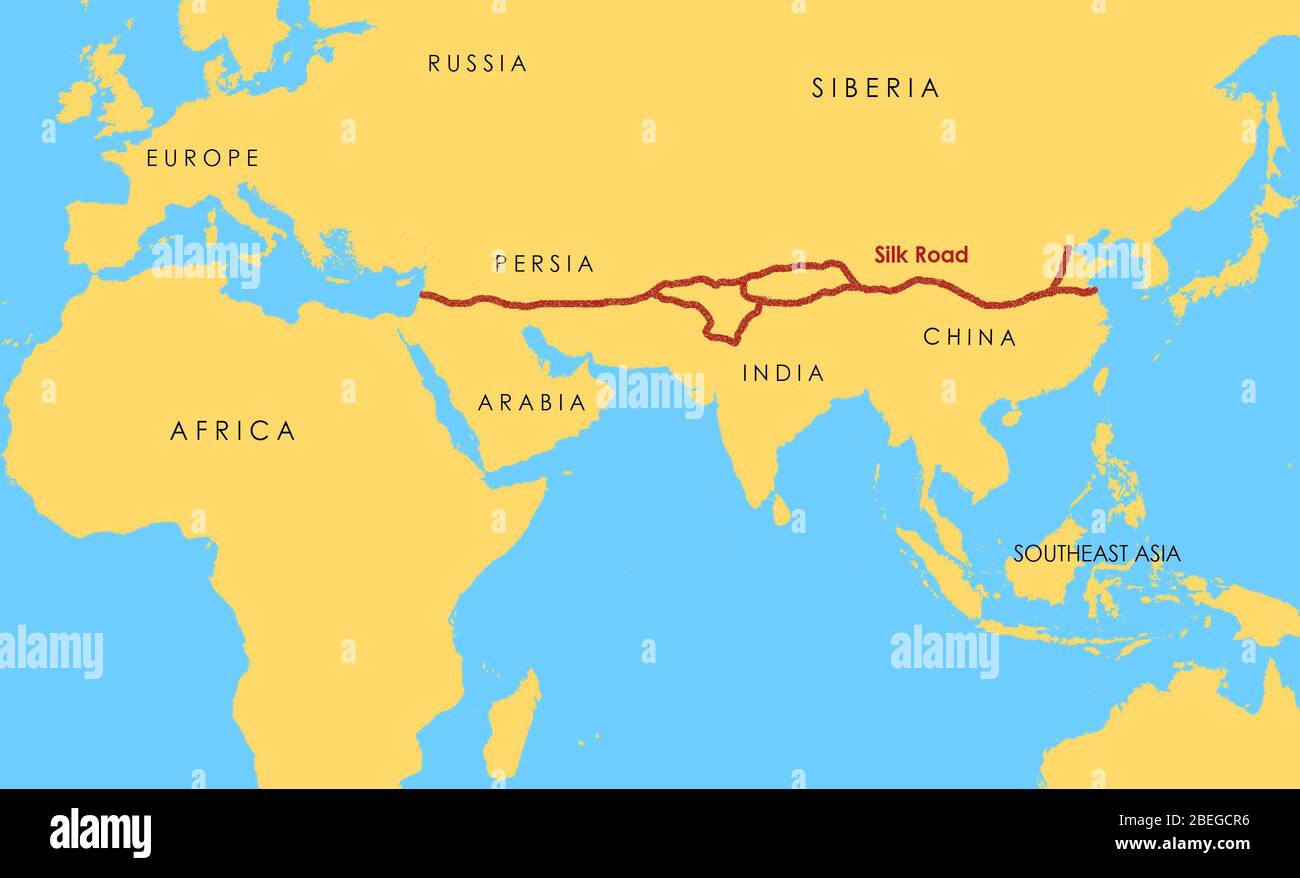
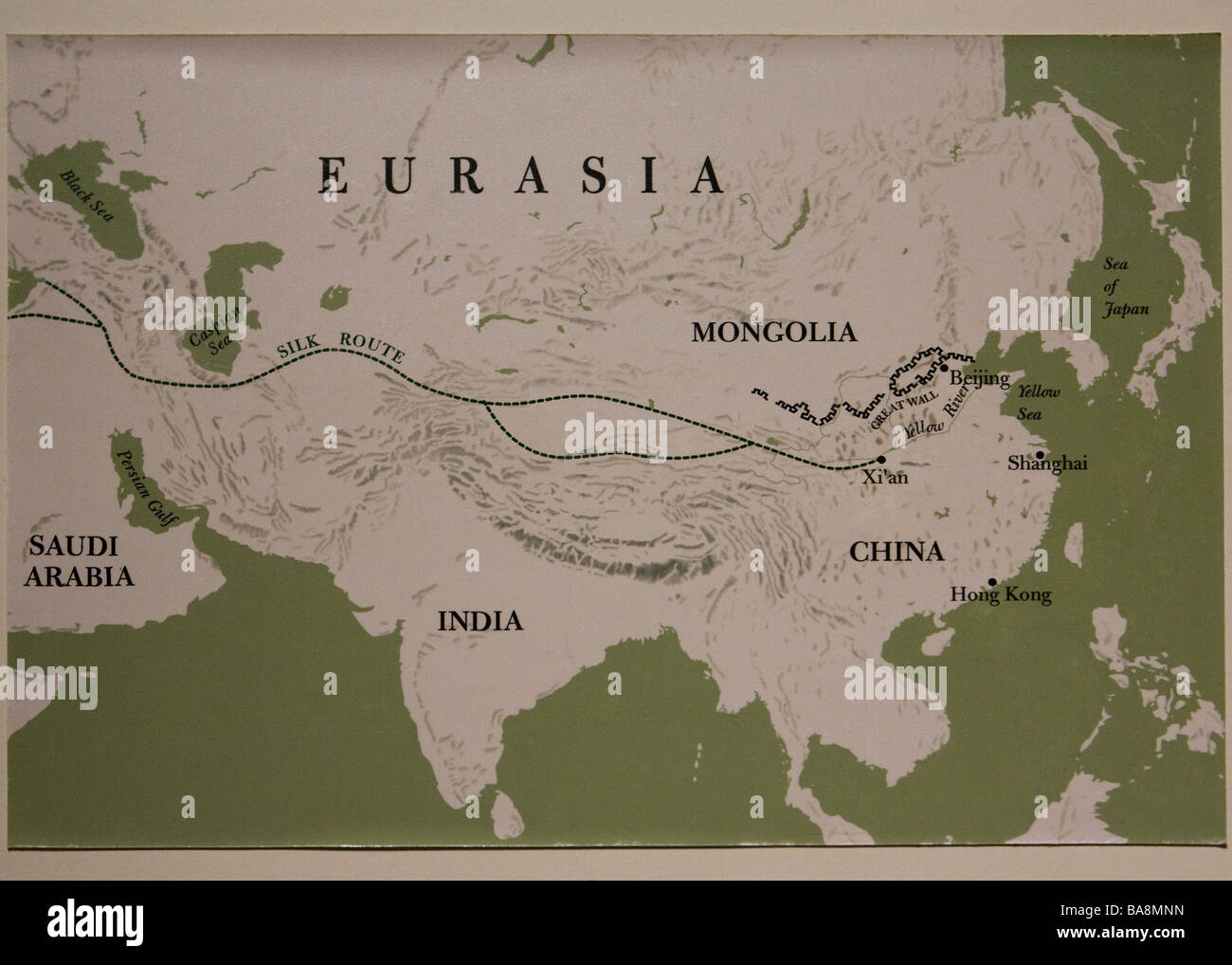
RM2BEGCR6鈥�A map showing the main route of the Silk Road, which connected East and West between the 2nd century BCE and the 18th century. The Silk Road derives its name from the lucrative trade in silk carried out along its length.
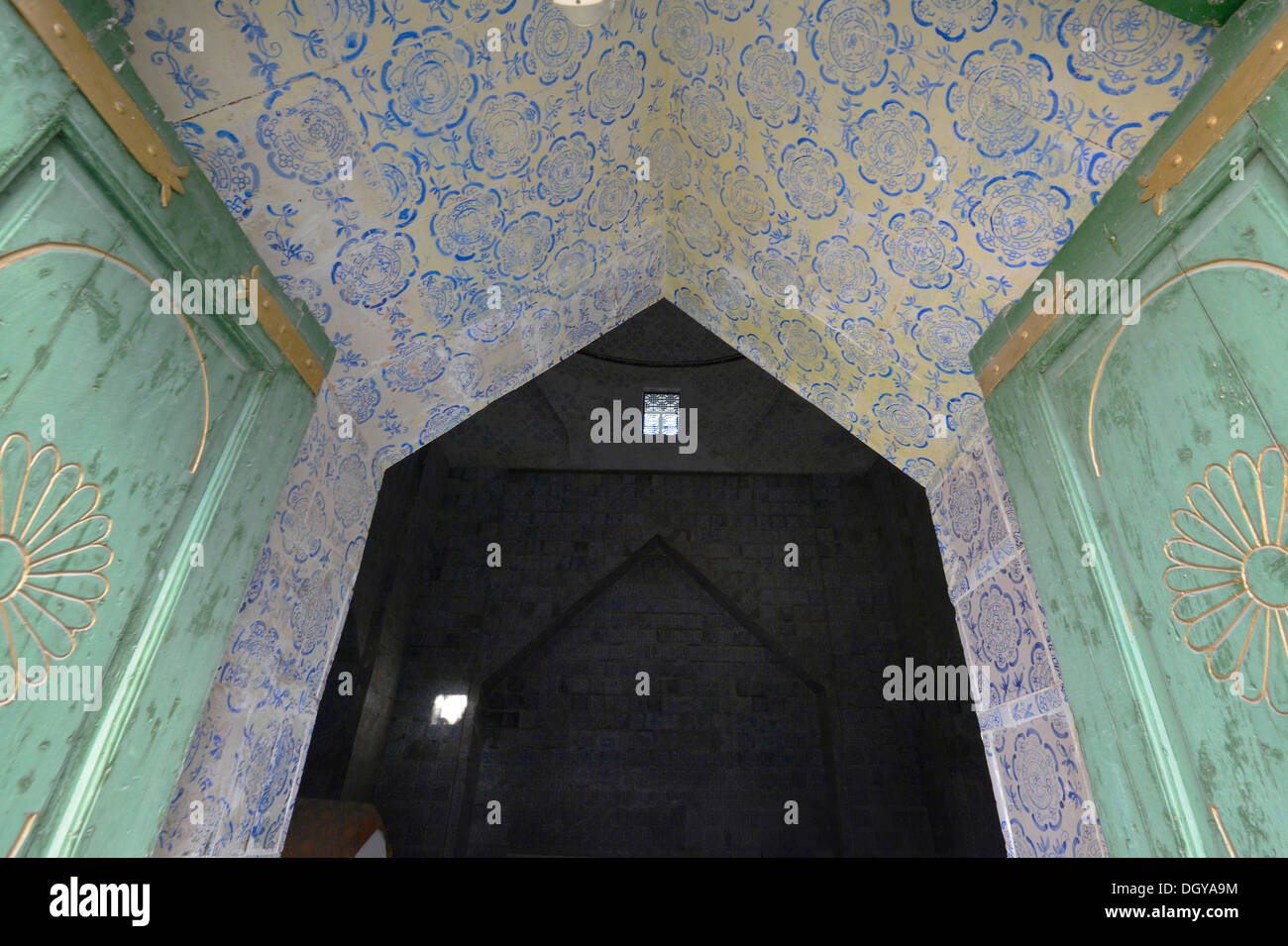
RMDGYA9M鈥�Historical Silk Road or Silk Route, mosque and mausoleum, mausoleum of Uyghur Kings in Hami, Kumul, Uyghur, Xinjiang, China
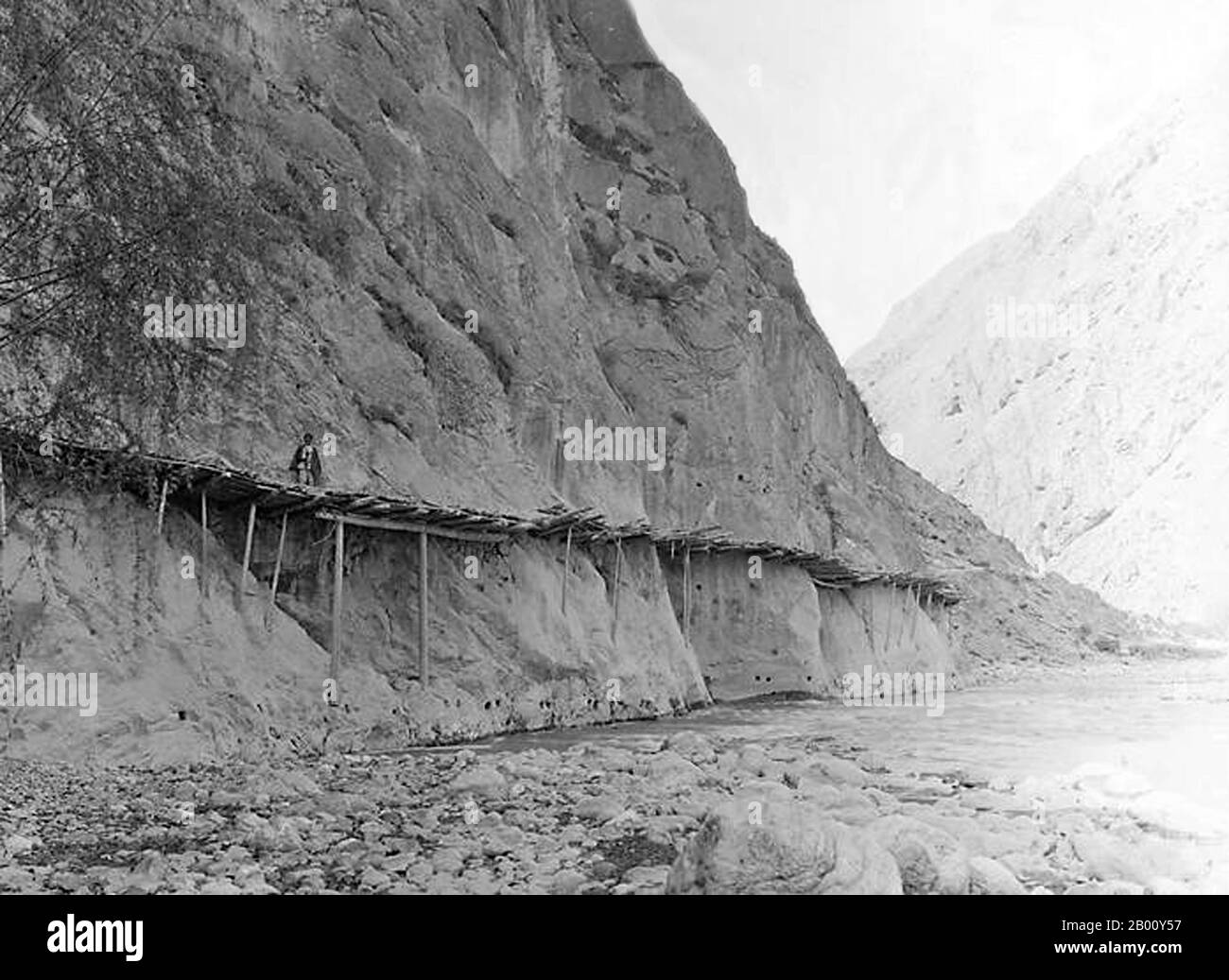
RM2B00Y57鈥�China: A staged trail on a trade route along the Minchou He, Gansu, c. 1910. Travel in Gansu, Mongolia, Tibet and Xinjiang was until recently extremely hazardous, with narrow and generally unpaved tracks criss-crossing desert, mountain, river and steppe.
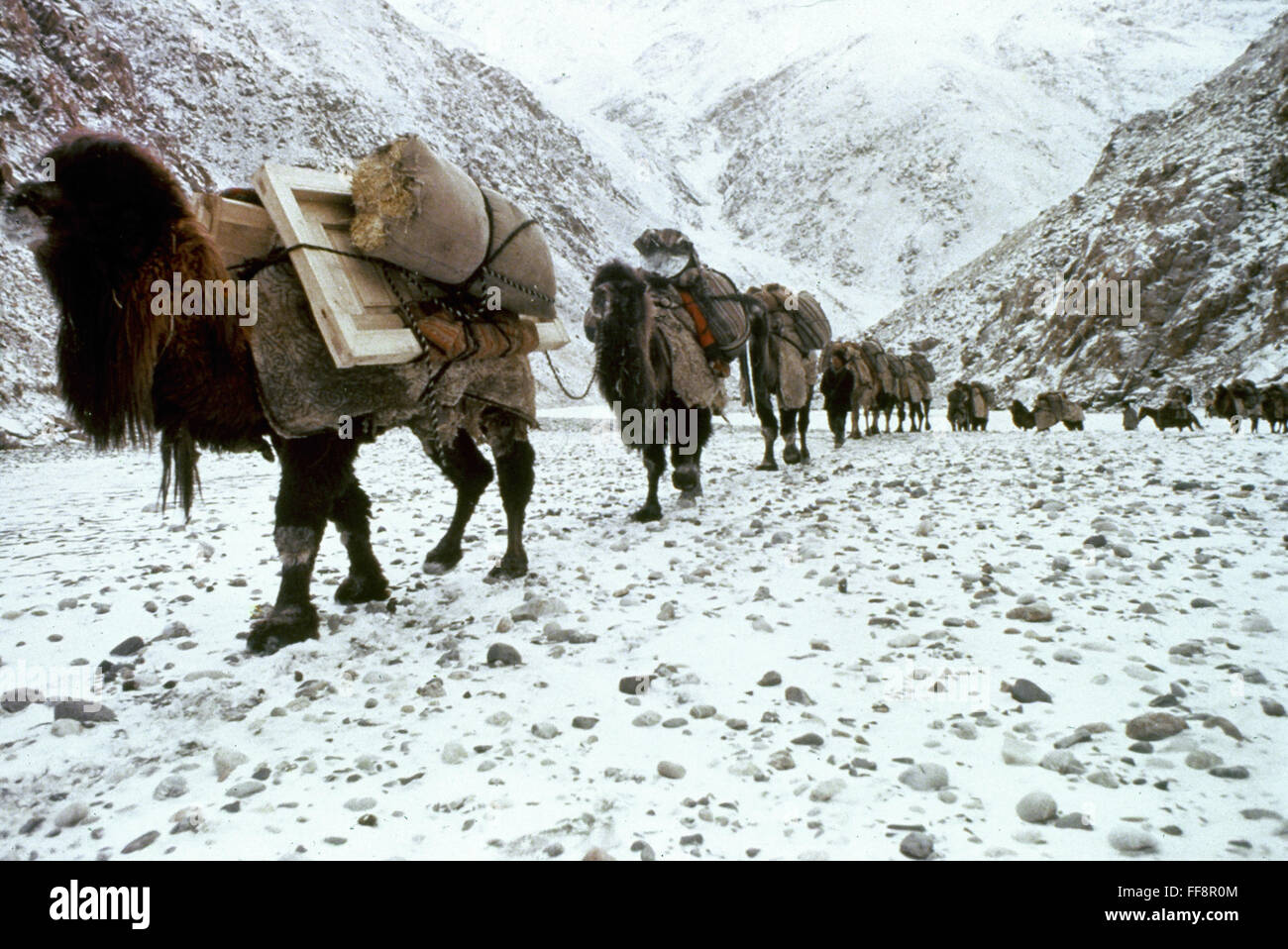
RMFF8R0M鈥�AFGHANISTAN: CARAVAN. /nCamel caravan on an old Han Dynasty silk trade route through the Pamir Mountains.
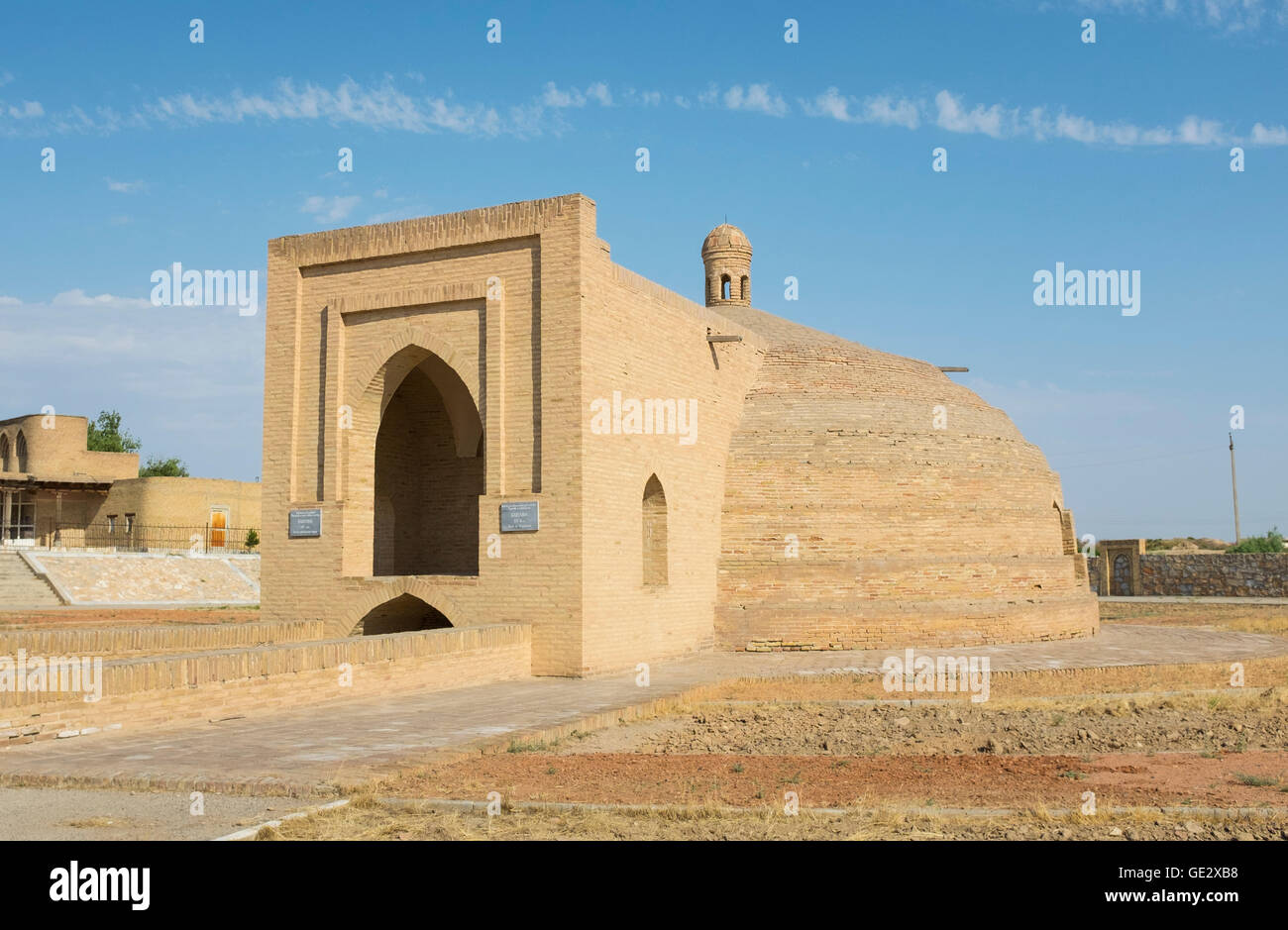
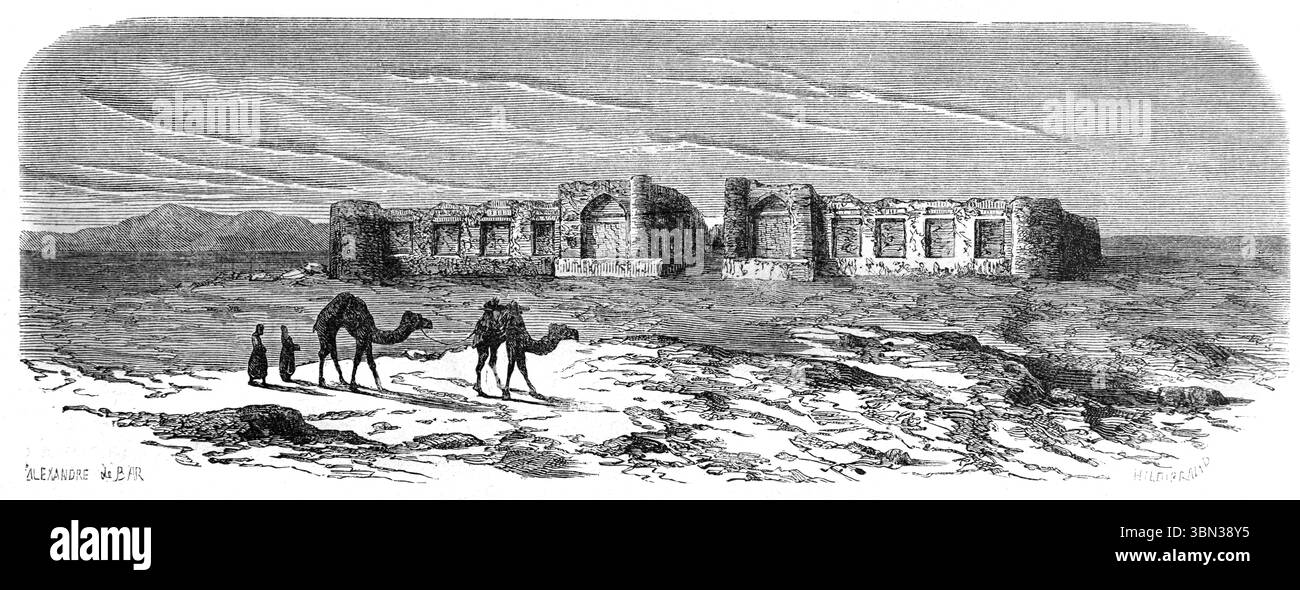
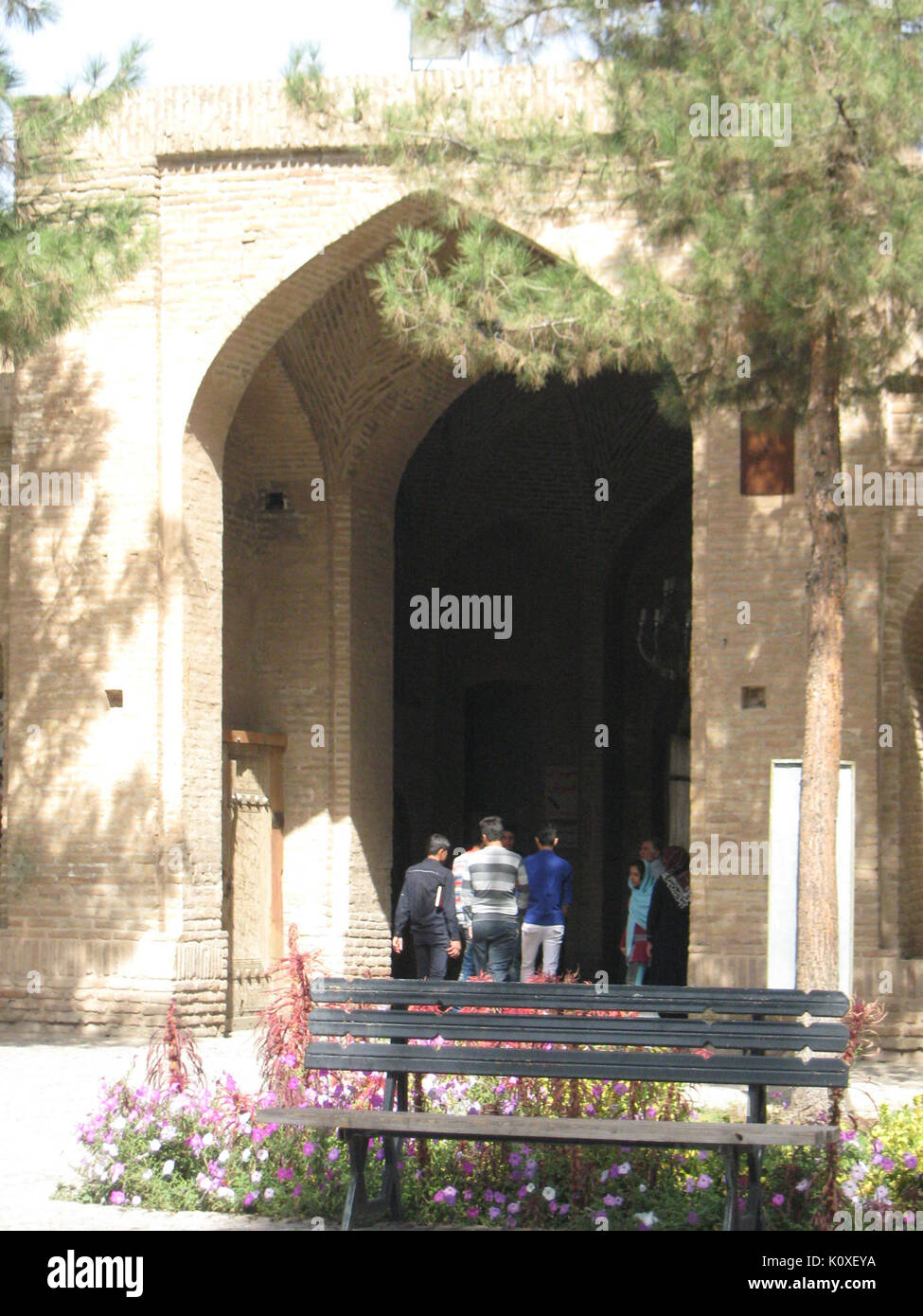
RM3BN38Y5鈥�Ruins of Persian Caravanserai, Ribat-i-Sharaf (1114-15) on the Silk Road or Silk Route near Mazinan aka Darwazan Iran. Vintage or Historic Engraving or Illustration 1866
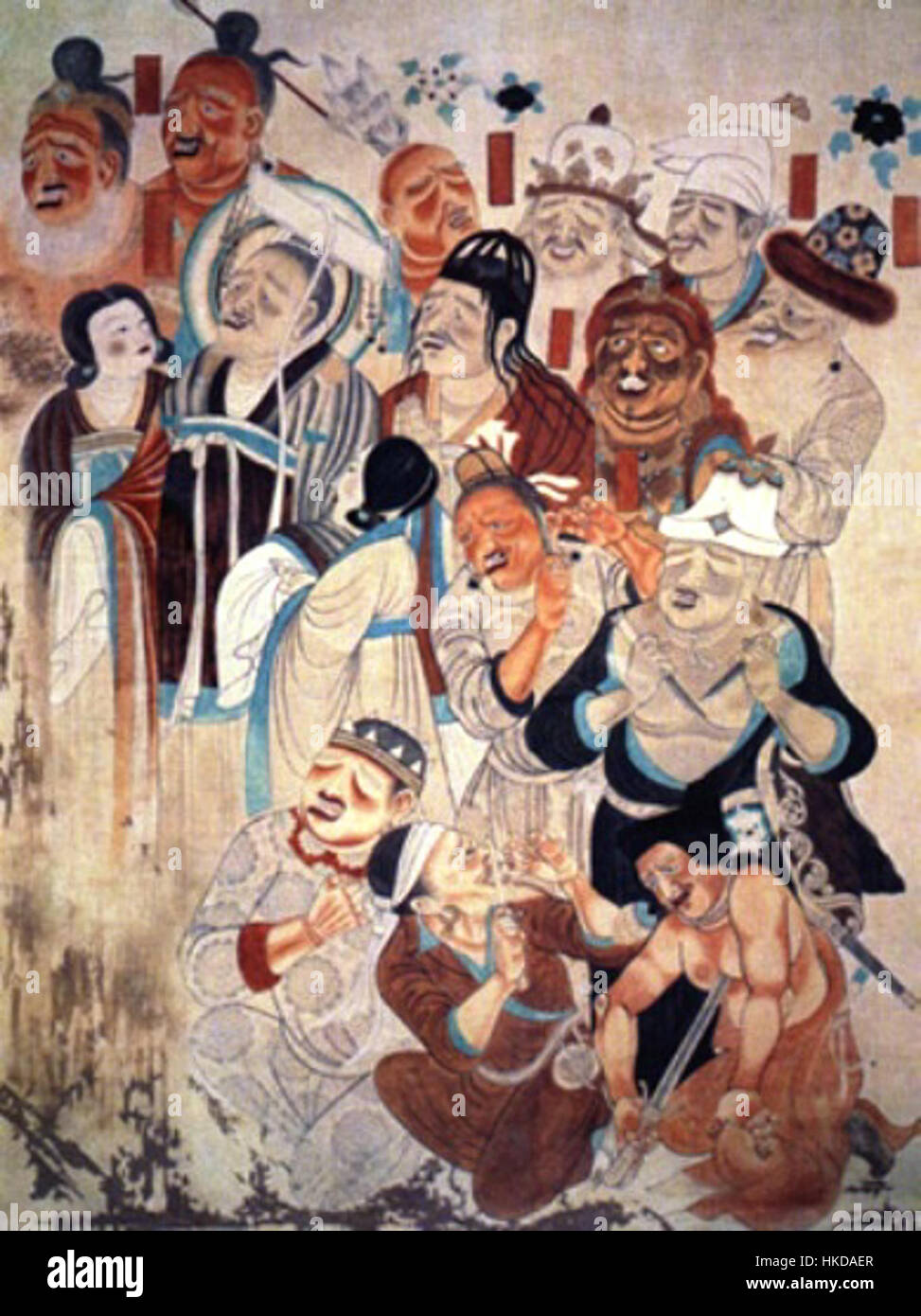
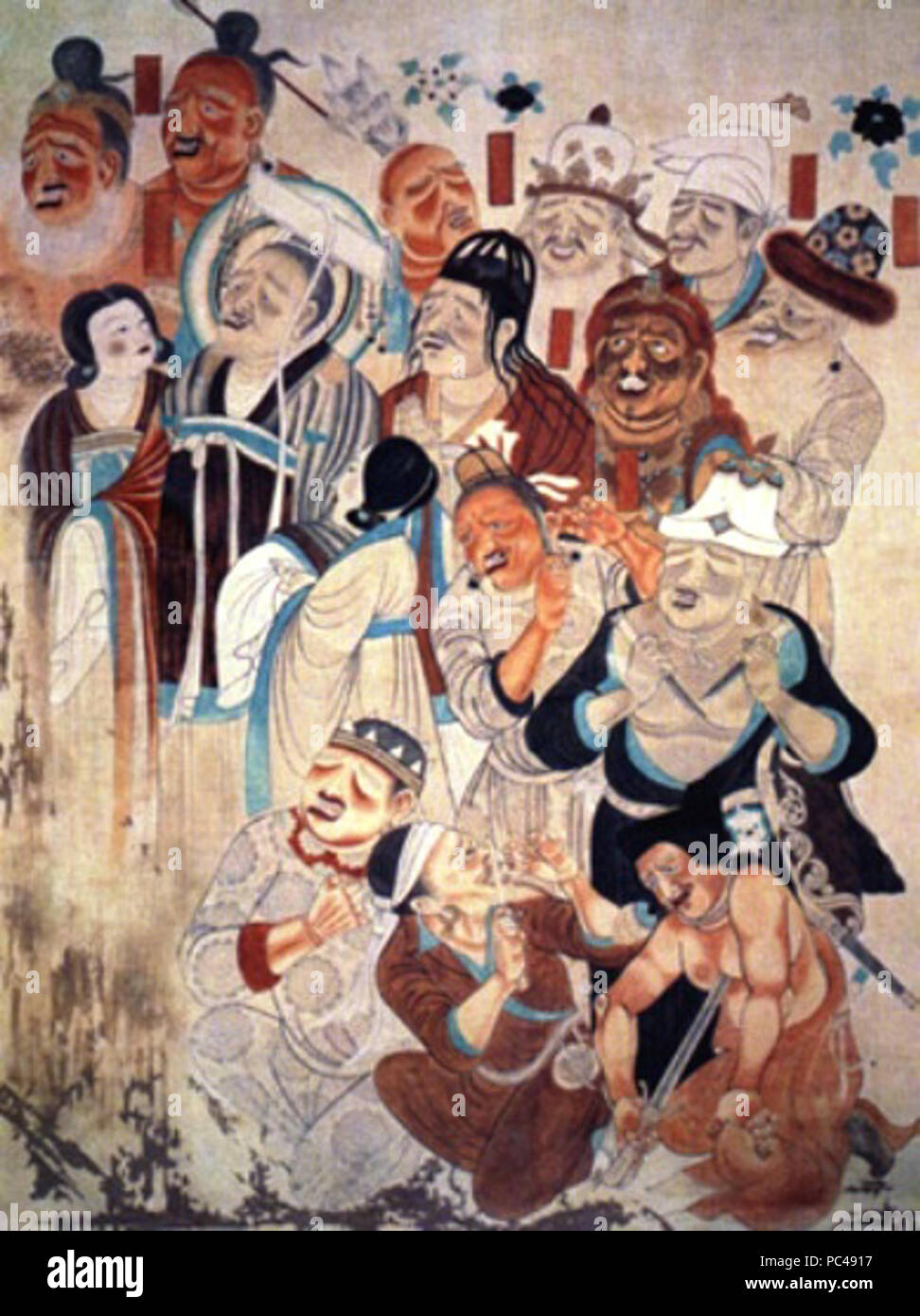
RMHKDAER鈥�The Silk Road Peoples artwork depicts the diverse cultures and communities that lived along the historic Silk Road trade route, highlighting the cultural exchange and interactions between Eastern and Western civilizations.
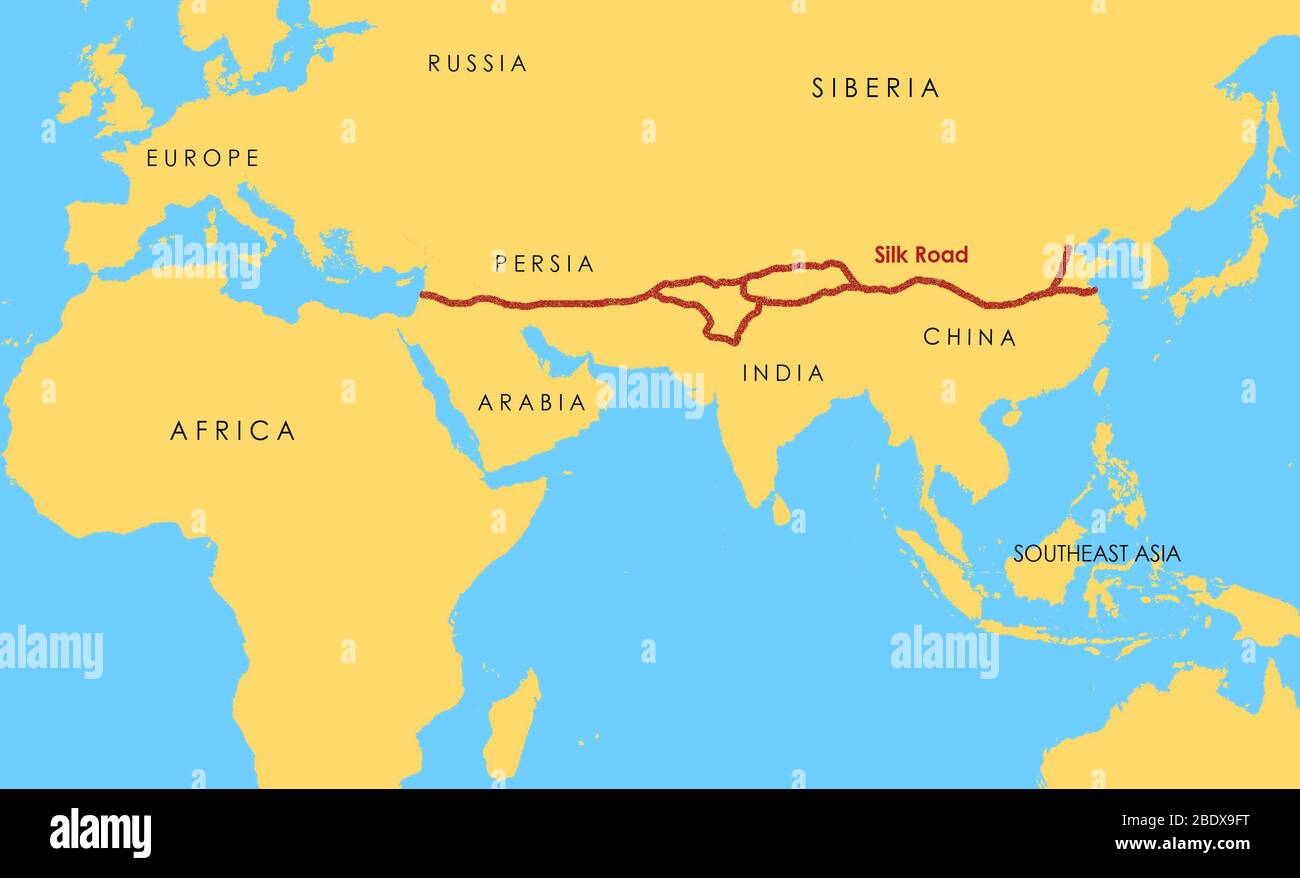
RM2BDX9FT鈥�A map showing the main route of the Silk Road, which connected East and West between the 2nd century BCE and the 18th century. The Silk Road derives its name from the lucrative trade in silk carried out along its length.
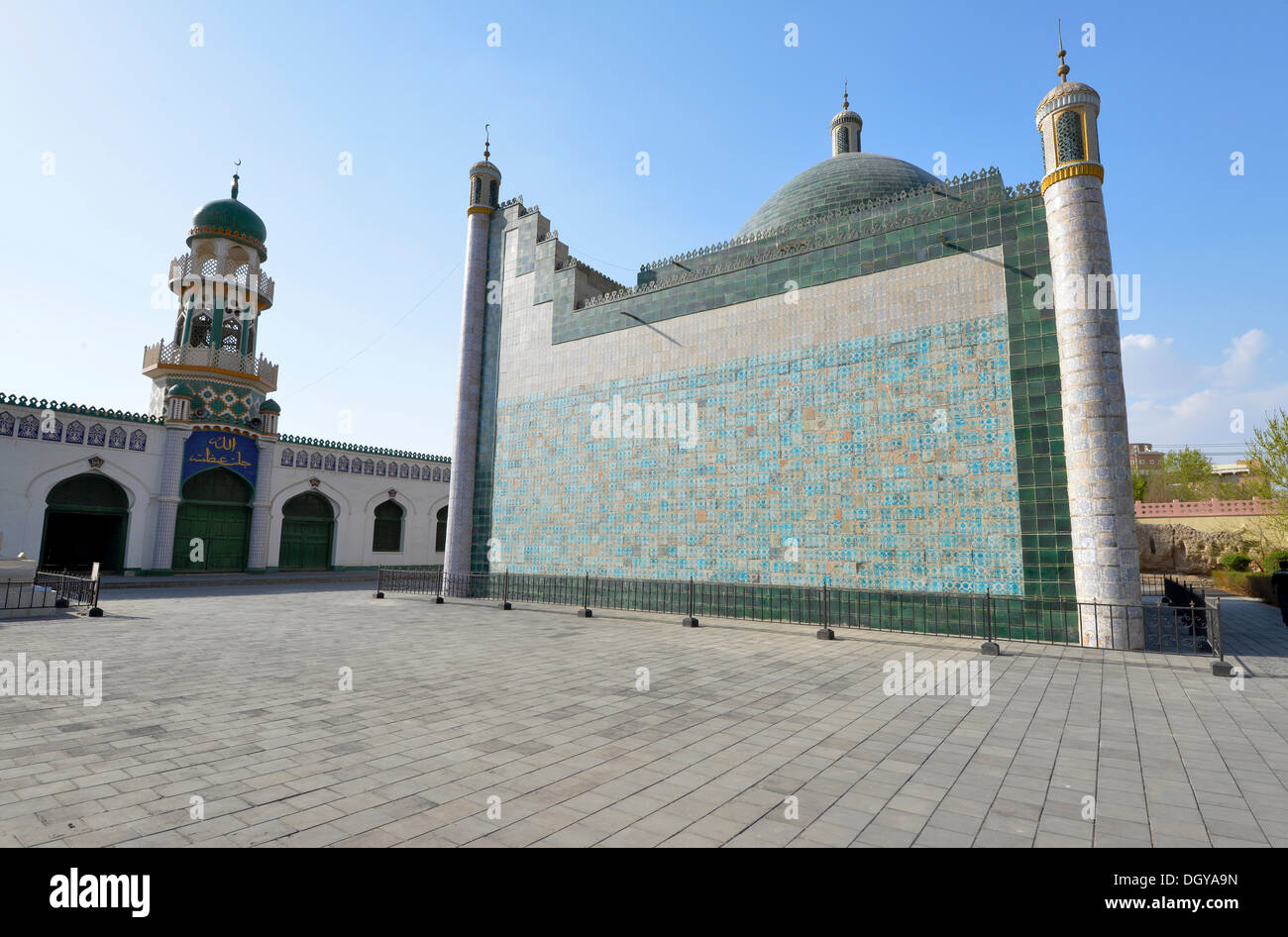
RMDGYA9N鈥�Historical Silk Road or Silk Route, mosque and mausoleum, mausoleum of Uyghur Kings in Hami, Kumul, Uyghur, Xinjiang, China
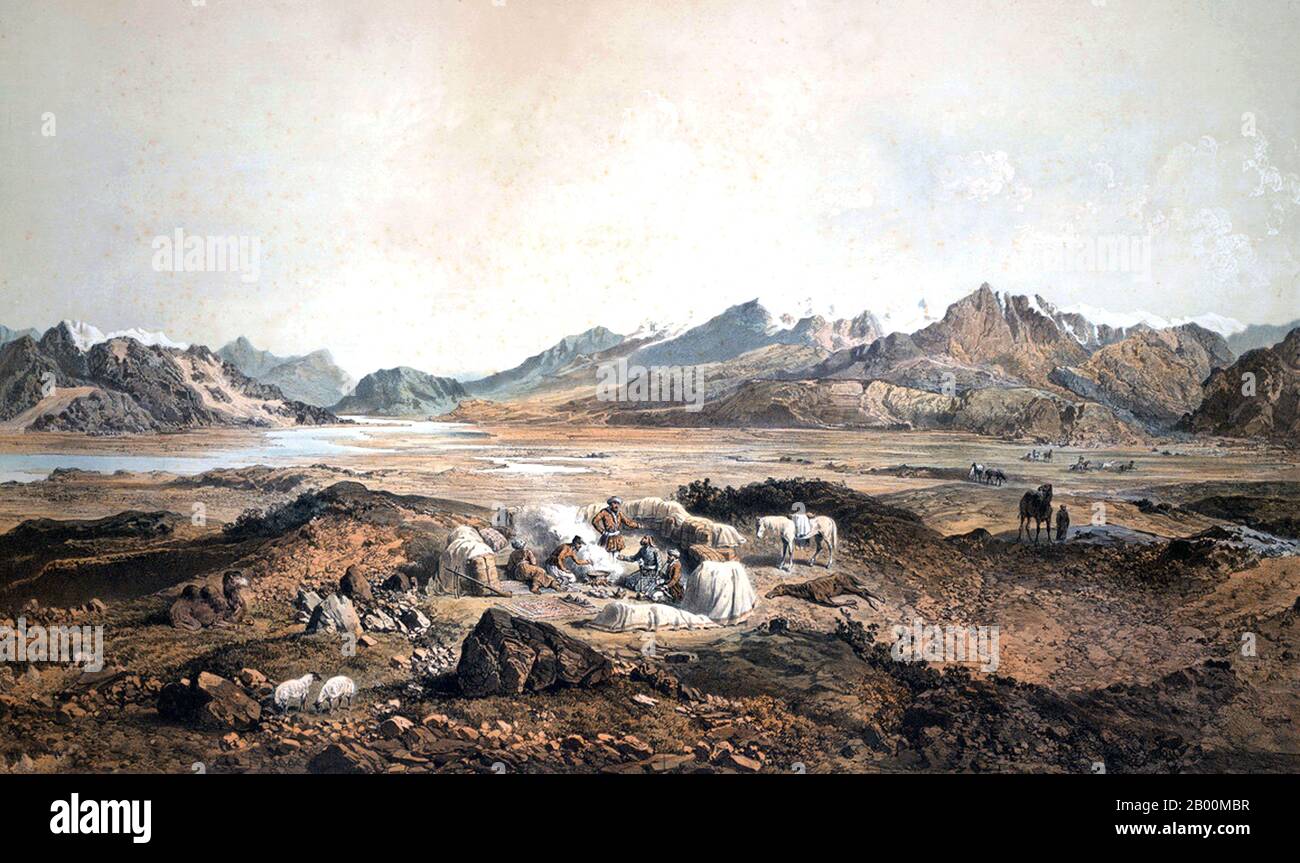
RM2B00MBR鈥�China: Caravan at rest in the Kunlun Mountains, southwest Xinjiang, late 19th century. The Kunlun Mountains (K奴nl煤n Sh膩n) are one of the longest mountain chains in Asia, extending more than 3,000 km. In the broadest sense, it forms the northern edge of the Tibetan Plateau south of the Tarim basin and the Gansu corridor and continues east south of the Wei River to end at the North China Plain.
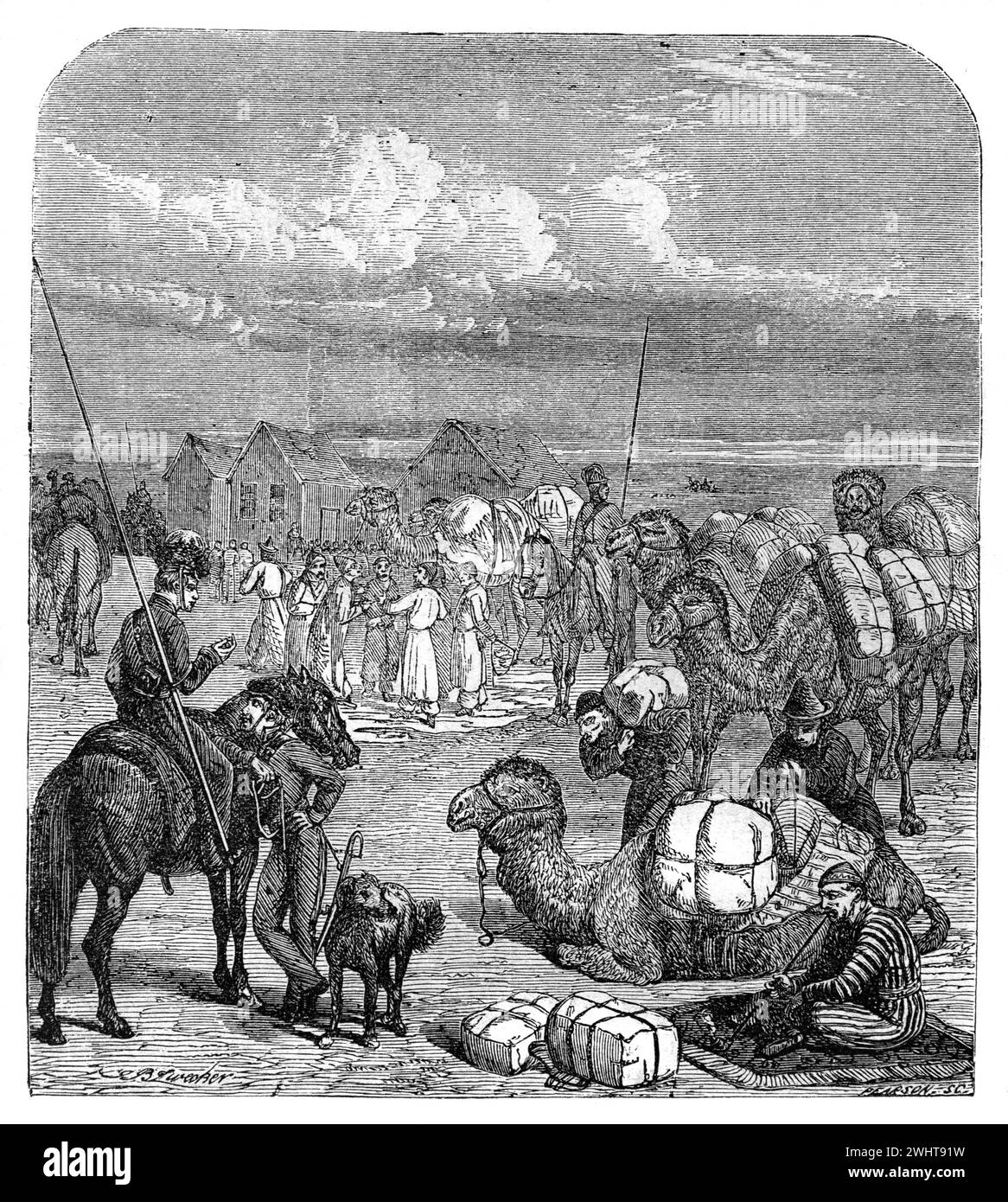
RM2WHT91W鈥�Russian and Chinese Camel Caravan or Street Market at the Border Crossing or Border Town of Kyakhta, Republic of Buryatia, Russia. Vintage or Historic Engraving or Illustration 1863
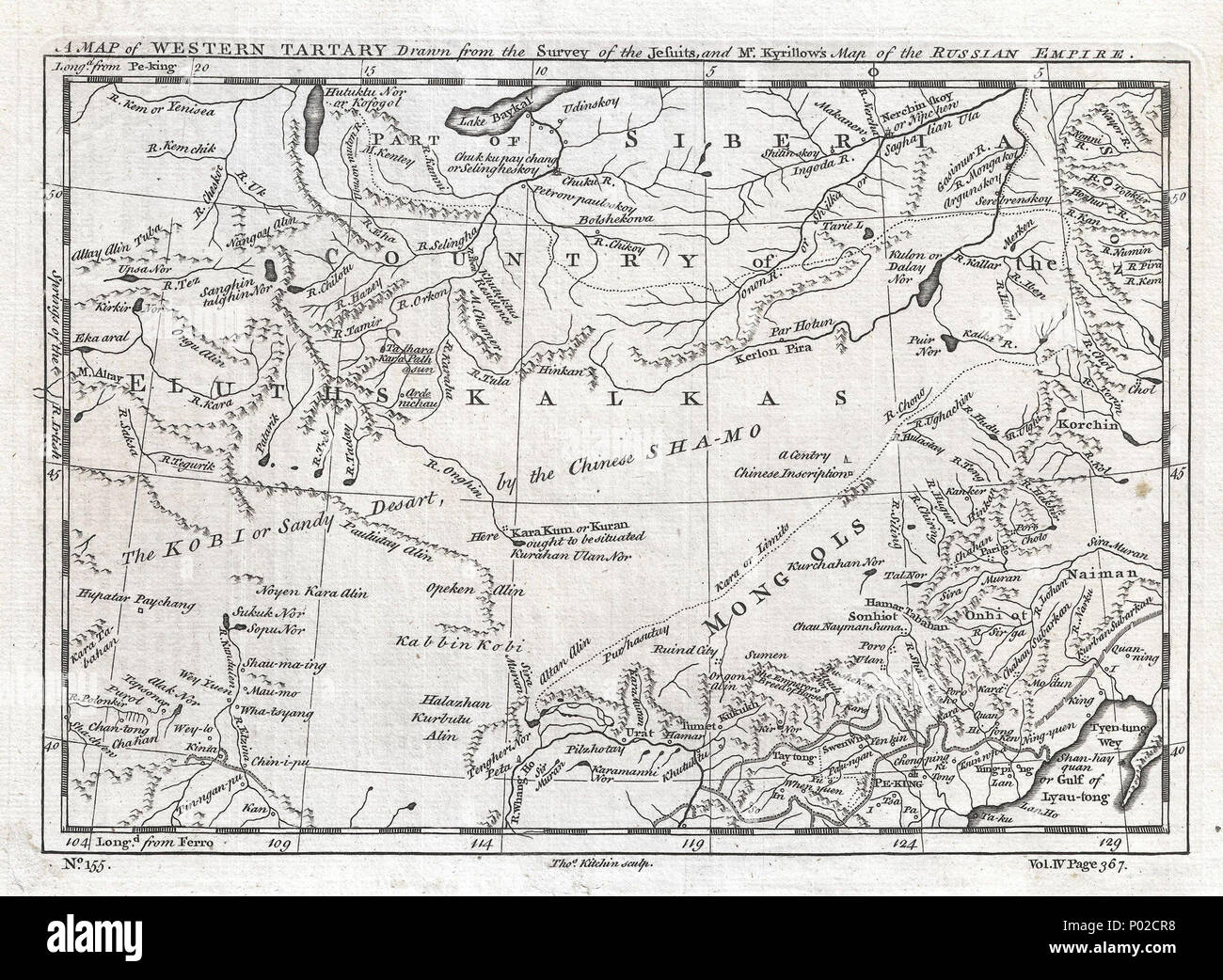
RMP02CR8鈥�. English: A fascinating 1747 European mapping of the Gobi Desert and the eastern portion of the Silk Route region by Thomas Kitchin. Covers from Lake Baikal in the north as far south as Beijing, east to the Gulf of Lyau-tong (Yellow Sea), and west as far as Chan-tong. When this map was drawn the geography of this region was very poorly understood by Europeans. This map is generally derived from Jesuit missionary reports and the large map of the Russian Empire prepared by Kyrillow. Depicts the Great Wall of China, various caravan routes, supposed rivers and settlements, and various Nor (or la
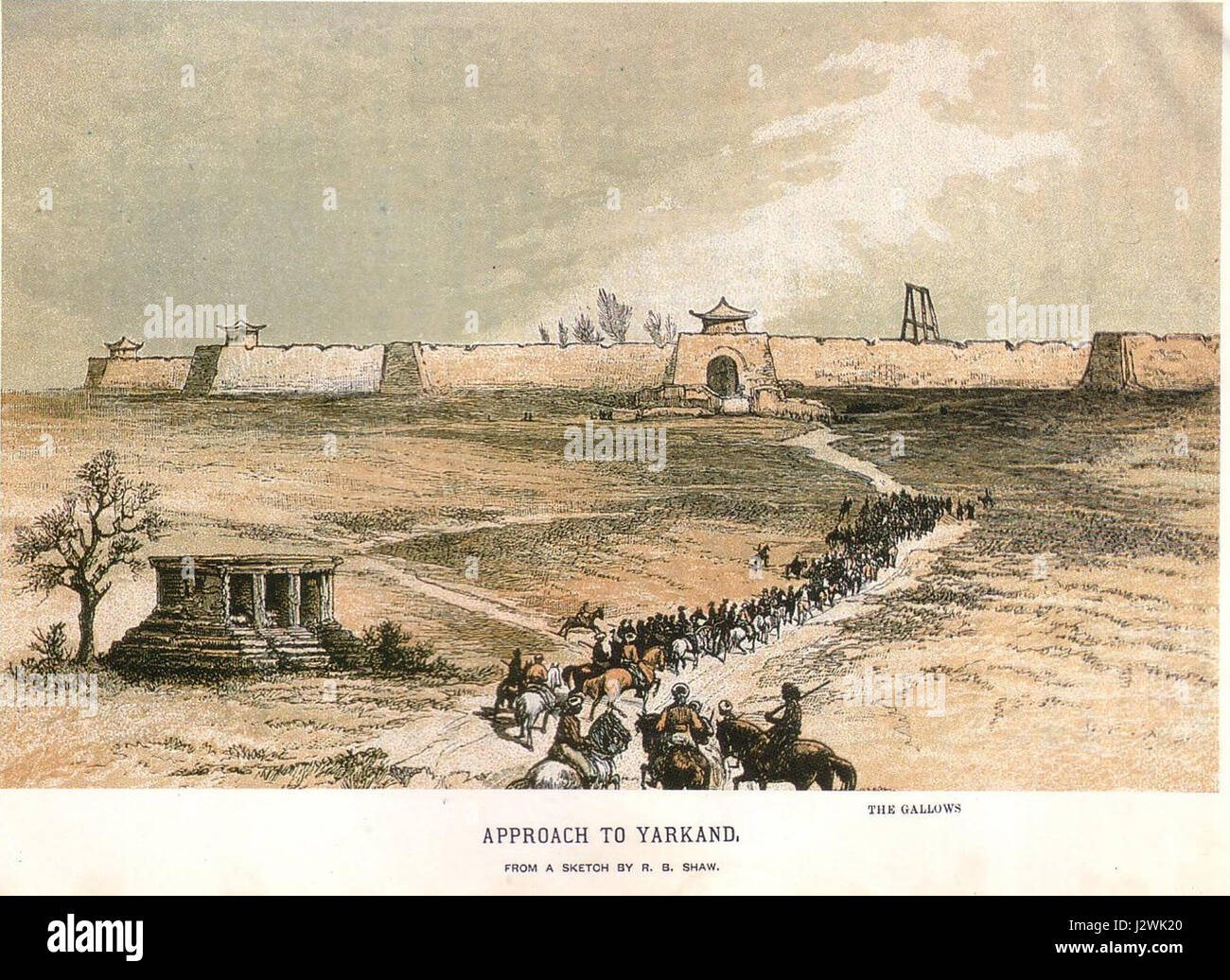
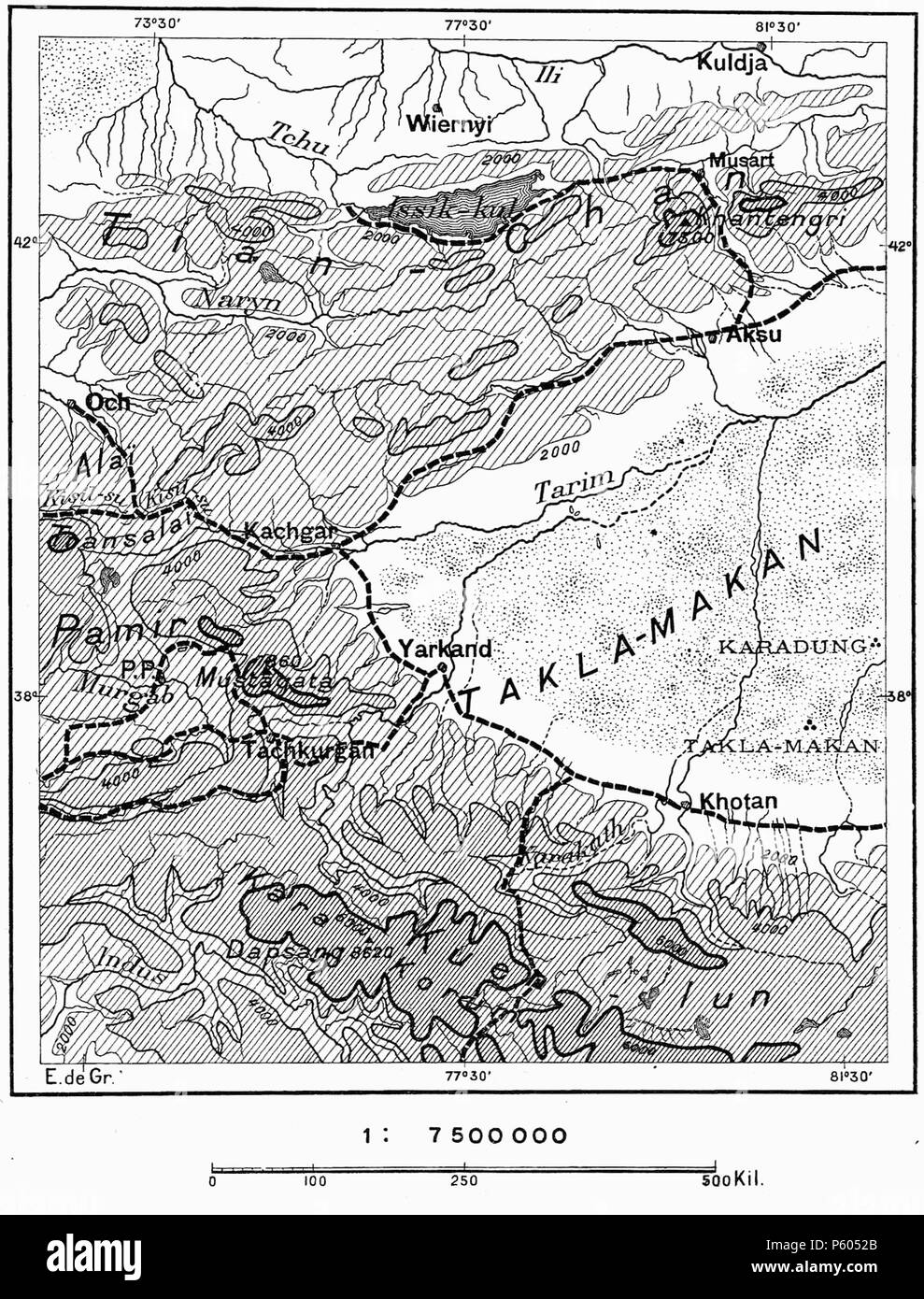
RMJ2WK20鈥�The 'Approach to Yarkand' refers to a historical account or image depicting the route to the city of Yarkand, located in modern-day Xinjiang, China. In 1868, it was part of significant Central Asian trade and exploration routes. The city was a strategic point in the Silk Road network during the 19th century.
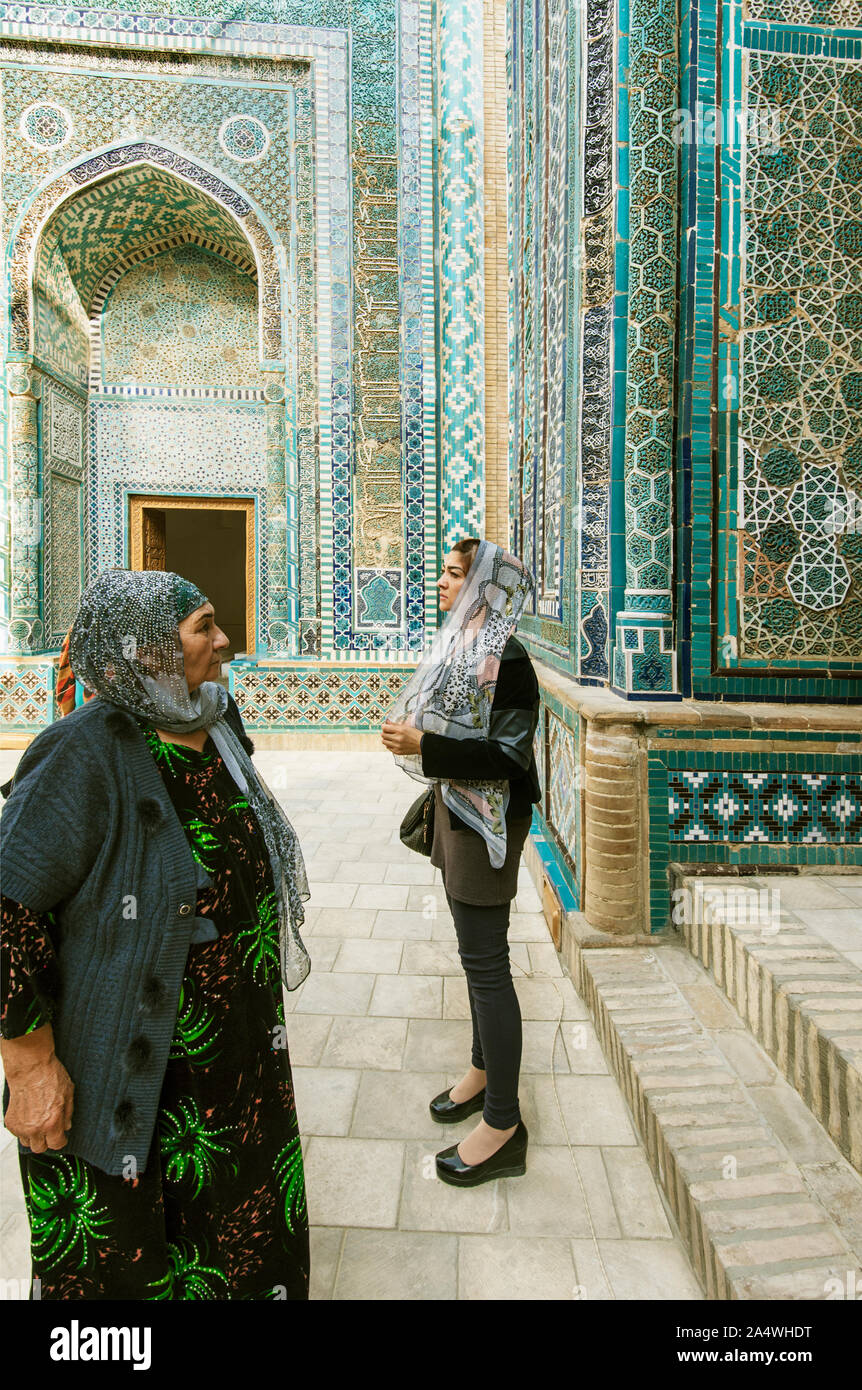
RM2A4WHDT鈥�The Shah-i-Zinda Ensemble includes mausoleums and other ritual buildings of 9-14th and 19th centuries. A Unesco World Heritage Site, Samarkand. Uzbeki
RMHX961B鈥�'袛褉械胁薪懈泄 楔械谢泻芯胁褘泄 袩褍褌褜' translates from Russian to 'The Ancient Silk Road.' This refers to the historic trade route connecting East and West, facilitating cultural, economic, and technological exchanges from antiquity to the Middle Ages.
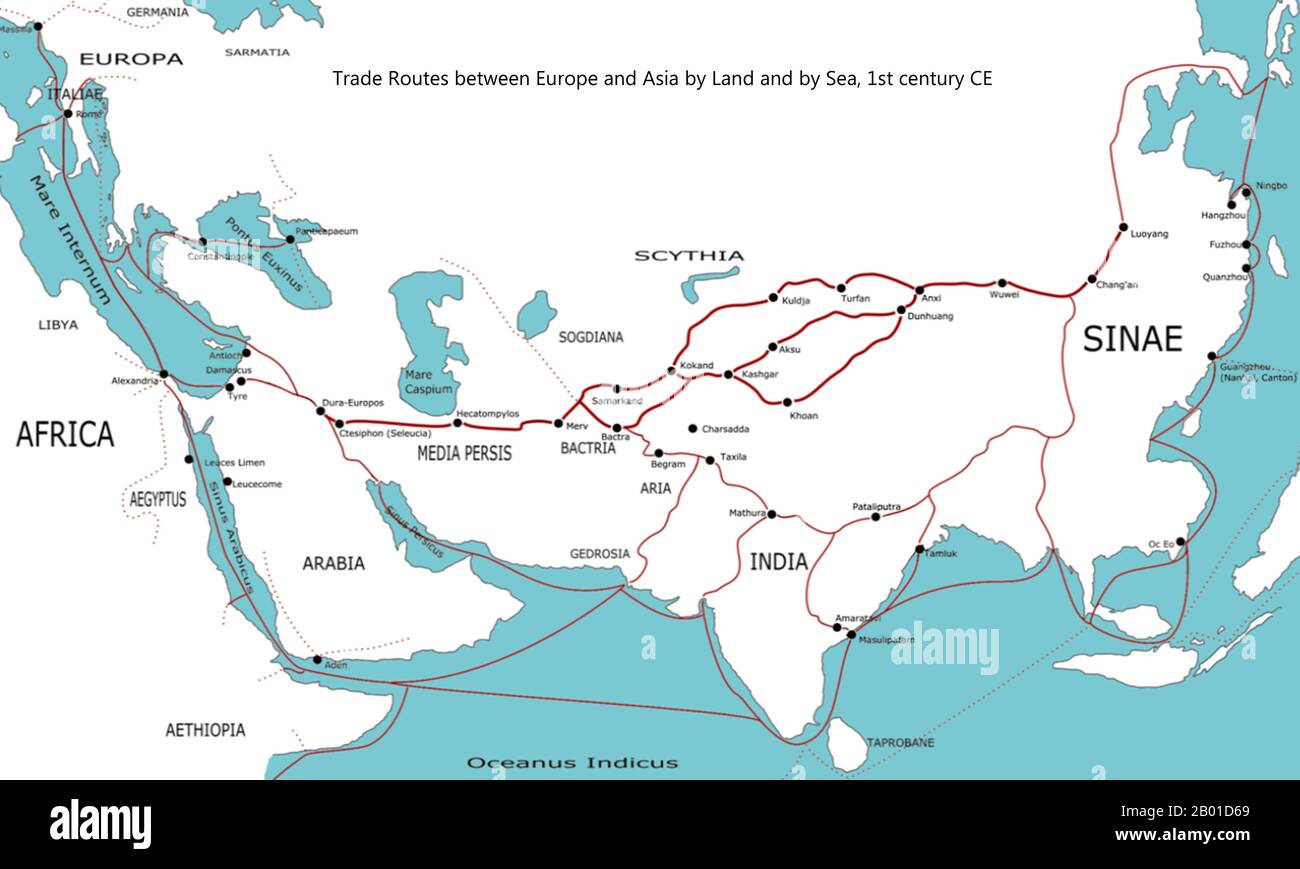
RM2B01D69鈥�World: Map of Trade Routes between Europe and Asia by Land and by Sea, c. 100 CE, by Shizhao (CC BY 3.0 License). Outline map of the major trade routes between Europe and Asia around 100 CE, including the Silk Road, the Incense Road and the sea routes between Europe, Arabia, India and China. Geographical labels for regions are adapted from the Geography of Ptolemy (c. 150 CE), some trading centre names date from later (c. 400 CE).
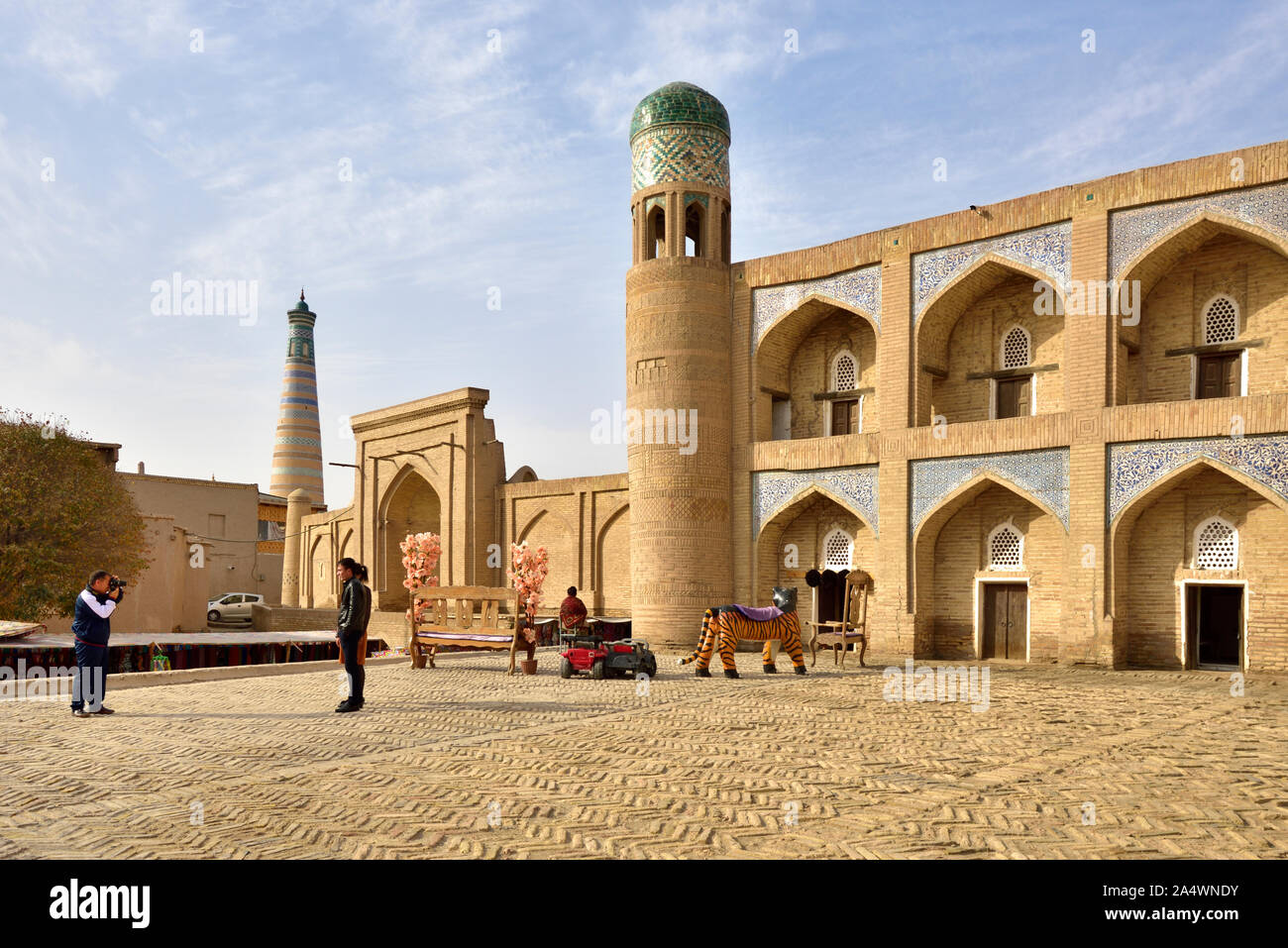
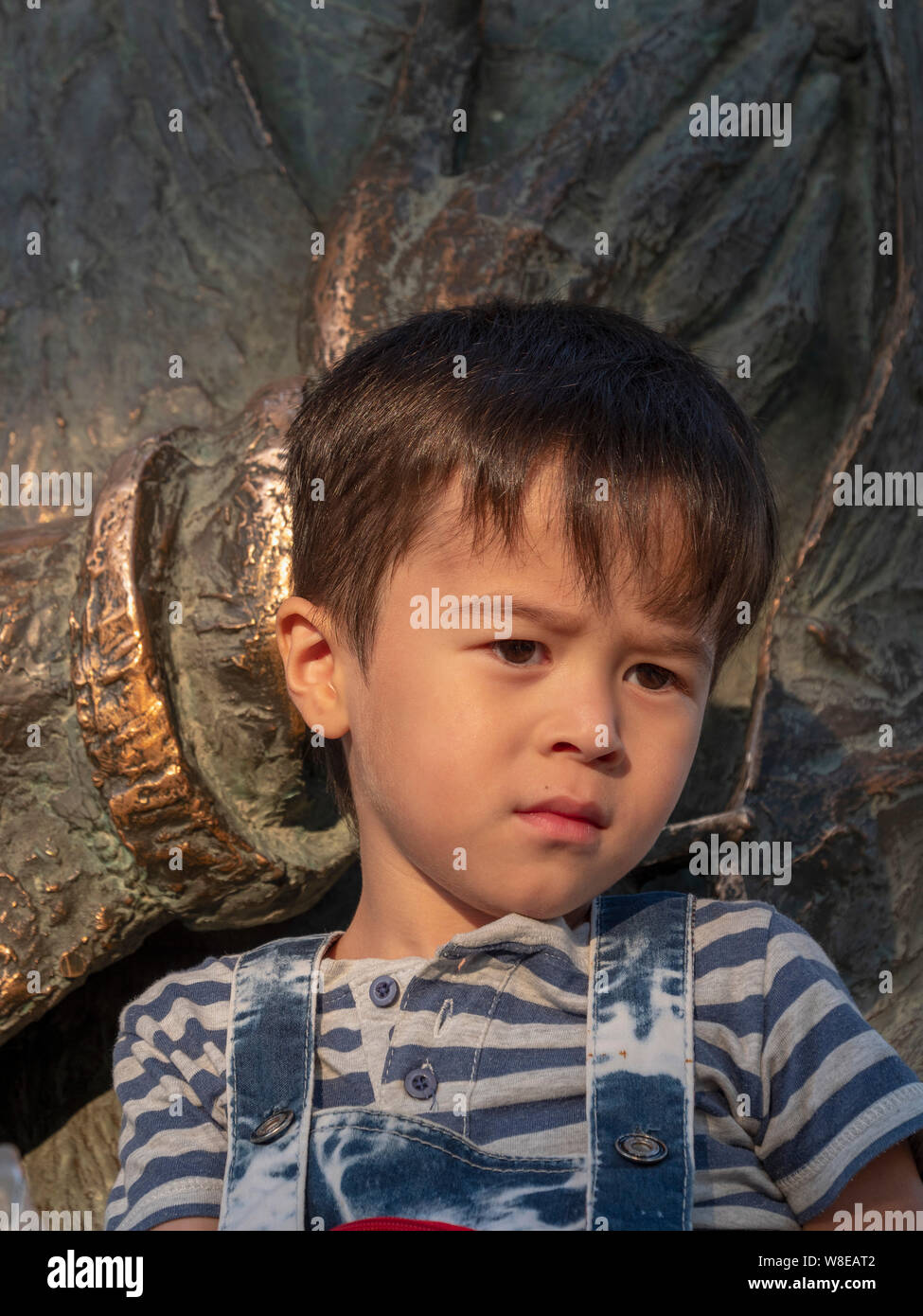
RM2A4WNDY鈥�A very popular site to have a family picture taken. Alakuli Khan Madrassah. Khiva, a UNESCO World Heritage Site, Uzbekistan

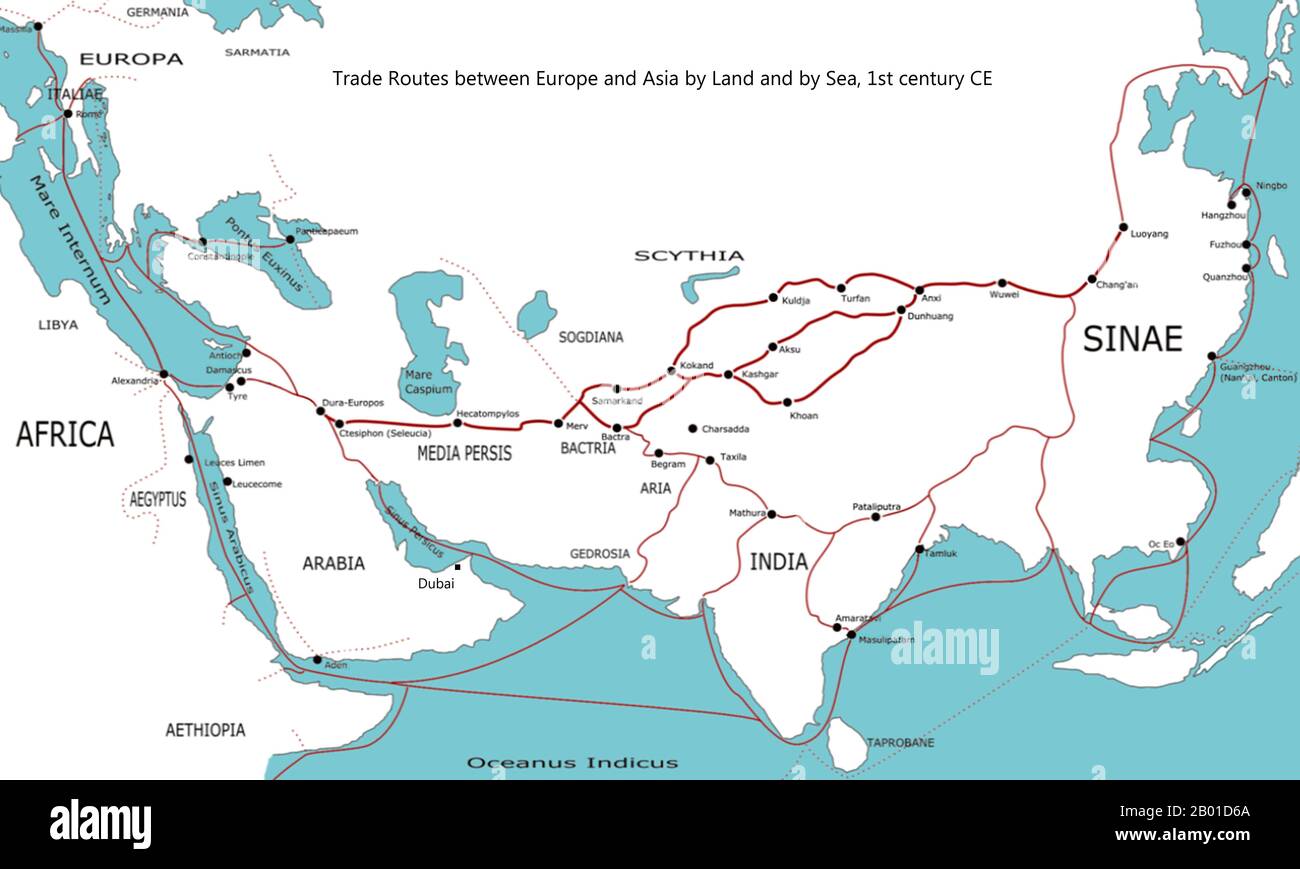
RM2B01D6A鈥�World: Map of Trade Routes between Europe and Asia by Land and by Sea c. 100 CE, with the future location of Dubai on the Arab Gulf indicated, by Shizao (CC BY 3.0 License). Outline map of the major trade routes between Europe and Asia around 100 CE, including the Silk Road, the Incense Road and the sea routes between Europe, Arabia, India and China. Geographical labels for regions are adapted from the Geography of Ptolemy (c. 150 CE), some trading centre names date from later (c. 400 CE).
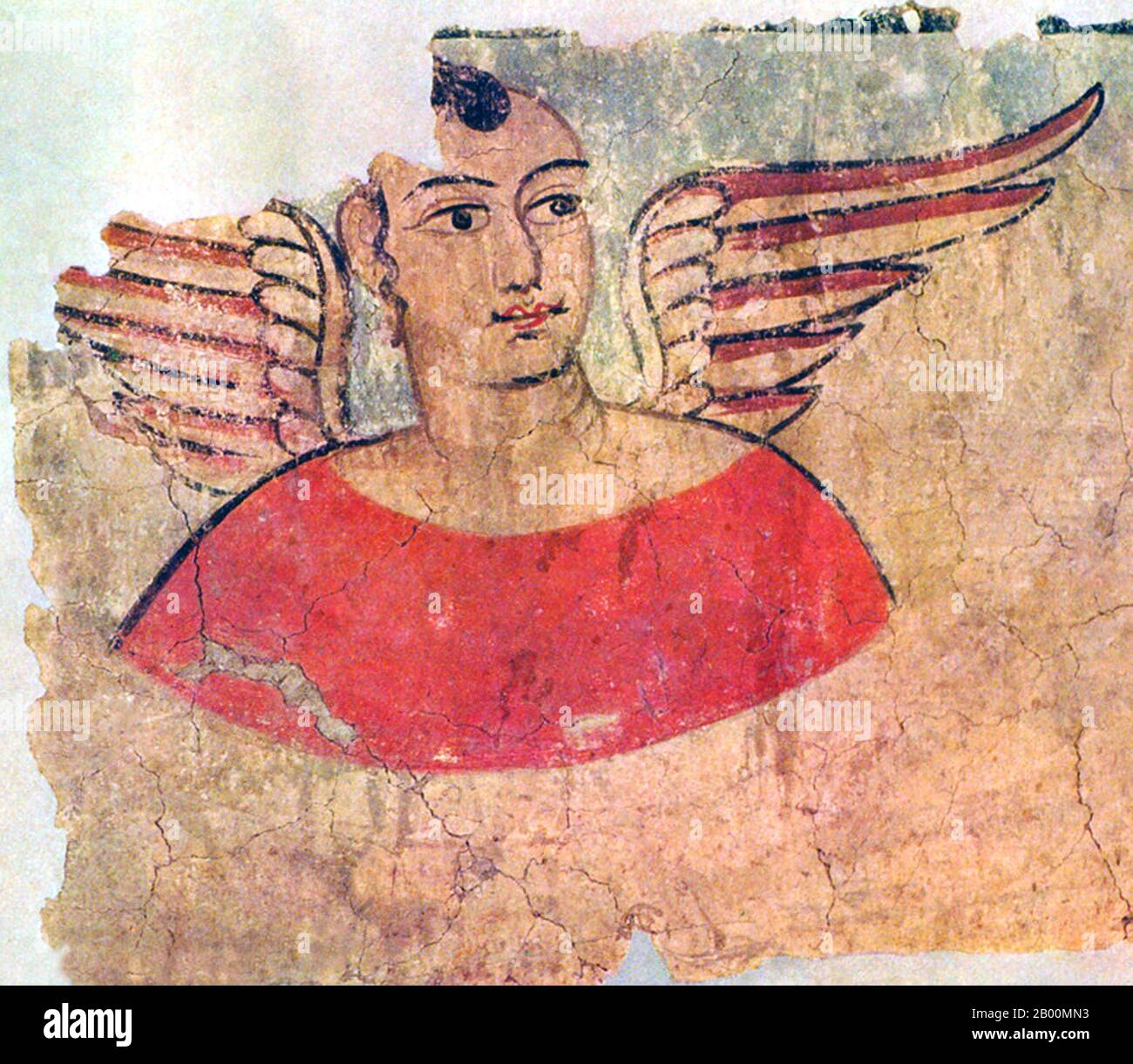
RM2B00MN3鈥�China: Mural of a winged angel from Miran, Xinjiang. In ancient times Miran was a busy trading center on the southern part of the Silk Road, after the route split into two (the northern route and the southern route), as caravans of merchants sought to escape travel across the harsh wasteland of the desert (called by the Chinese 'The Sea of Death') and the Tarim Basin. They went by going around its north or south rim. It was also a thriving center of Buddhism with many monasteries and stupas. Marc Aurel Stein was the first archaeologist to systematically study the ruins at Miran in 1907.
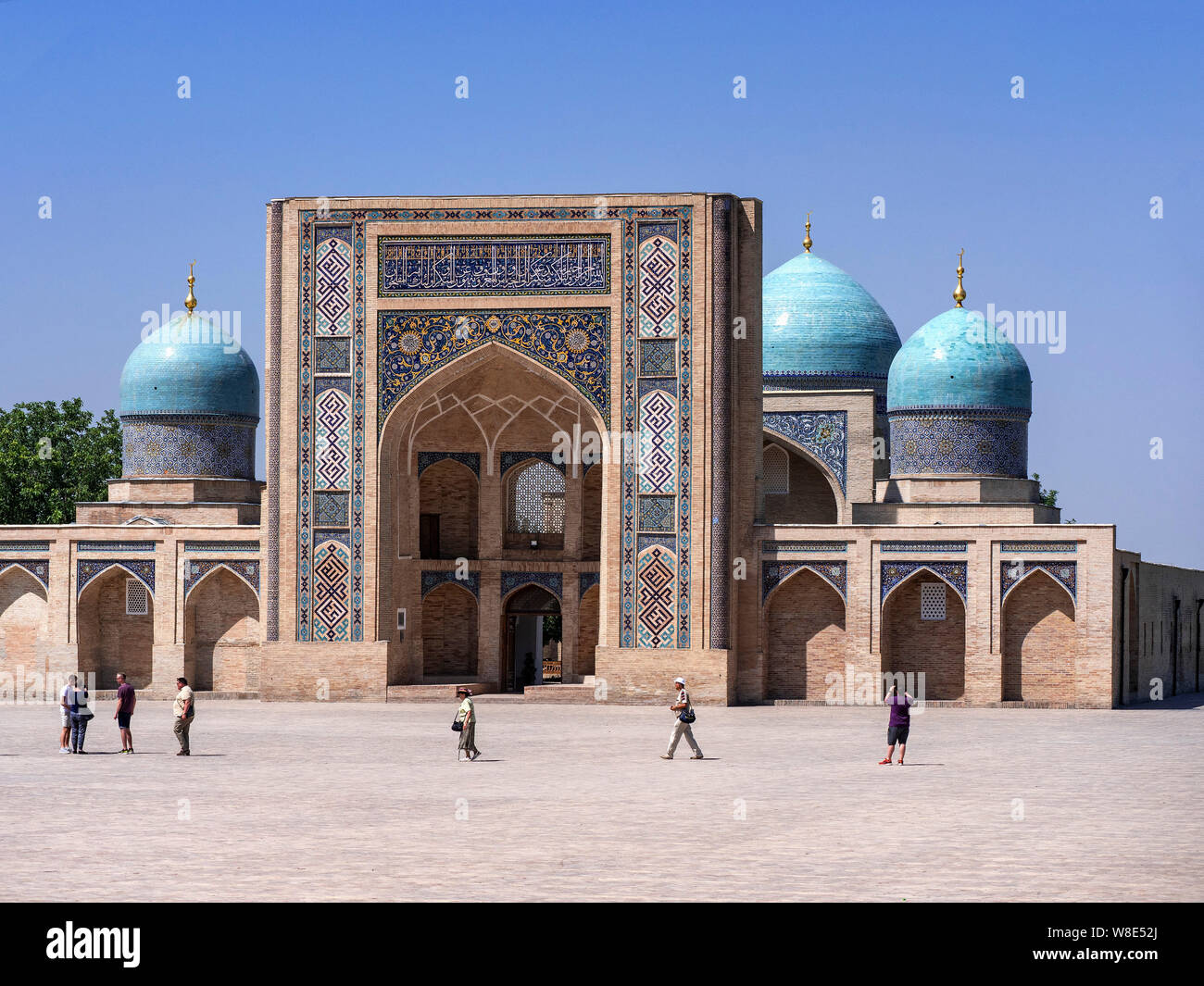
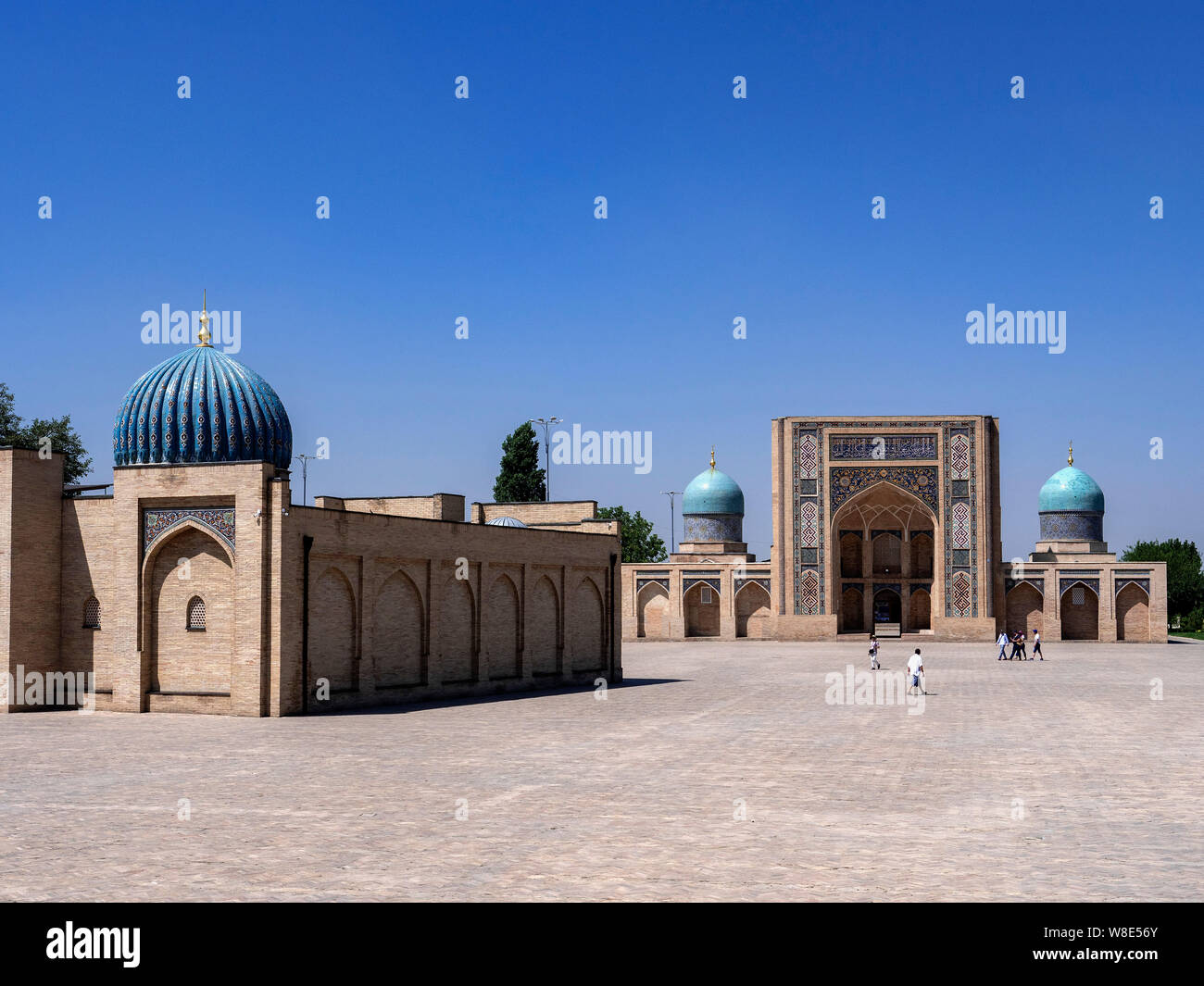
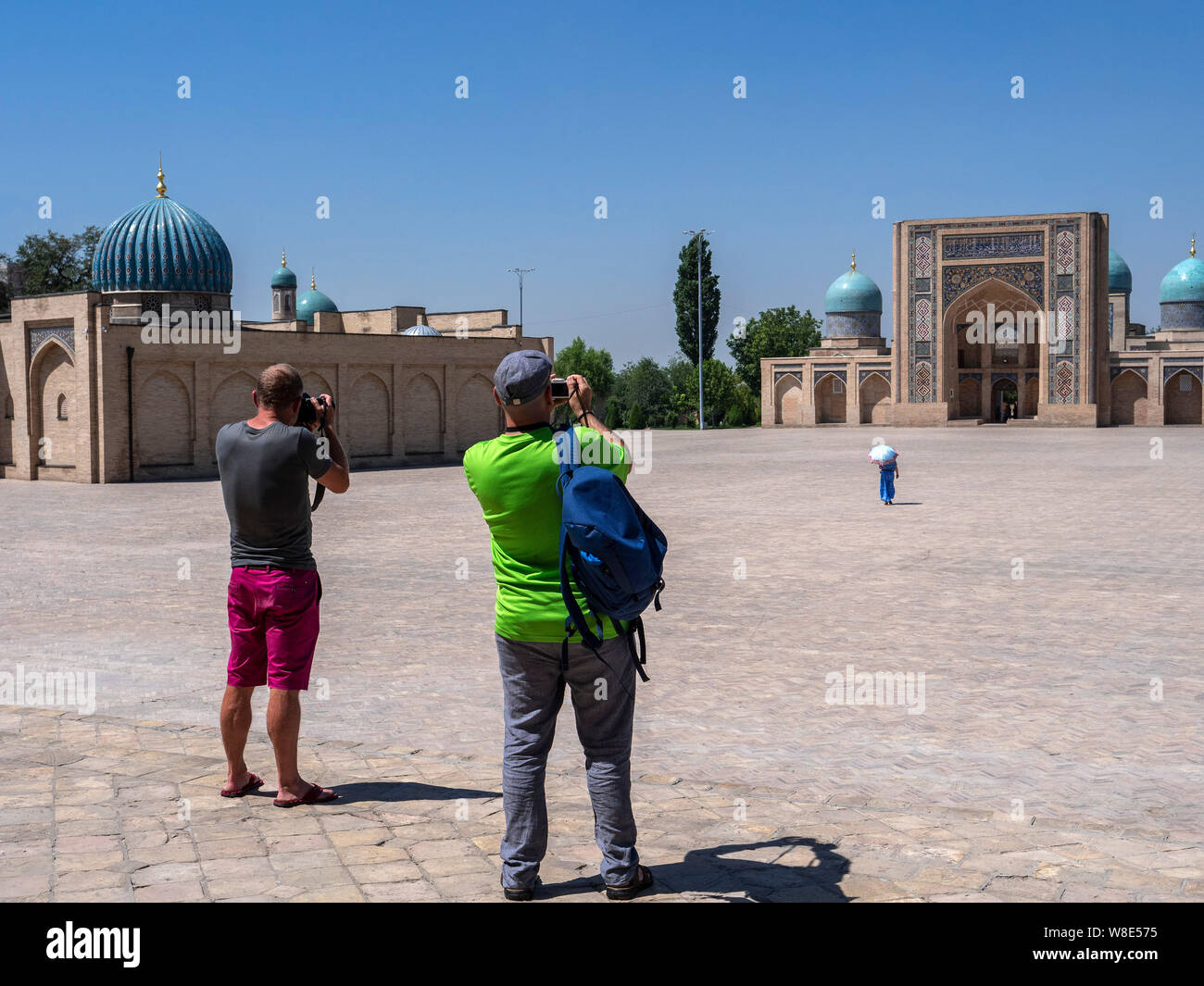
RMW8E52J鈥�Barak Khan Medrese am Hast Imam-Platz, Taschkent, Usbekistan, Asien Barak Khan Madrasa at Hast Imam-Square, Tashkent, Uzbekistan, Asia
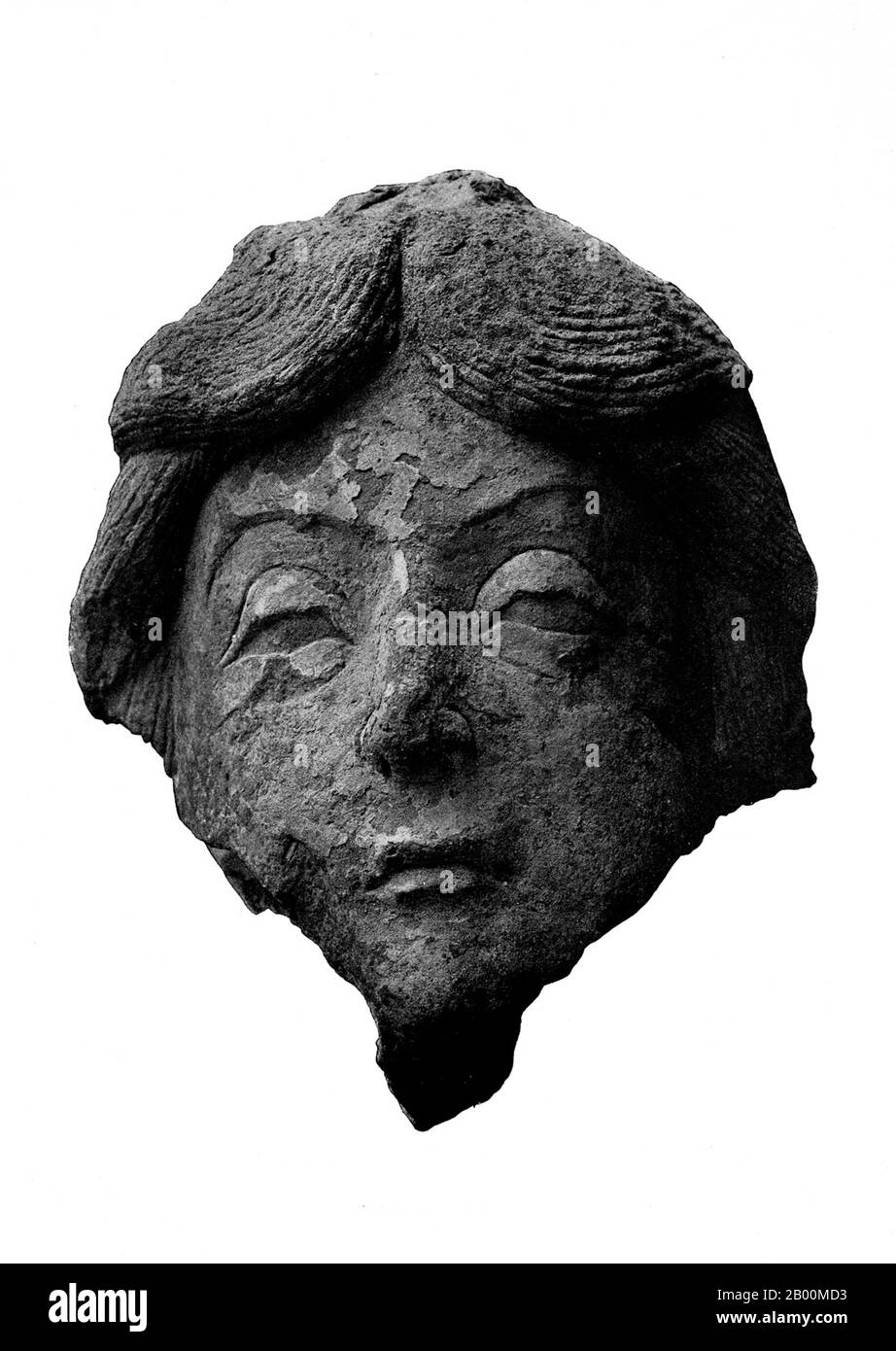
RM2B00MD3鈥�China: A stucco head from Miran, south Xinjiang. In ancient times Miran was a busy trading center on the southern part of the Silk Road, after the route split into two (the northern route and the southern route), as caravans of merchants sought to escape travel across the harsh wasteland of the desert (called by the Chinese "The Sea of Death") and the Tarim Basin. They went by going around its north or south rim. It was also a thriving center of Buddhism with many monasteries and stupas. Marc Aurel Stein was the first archaeologist to systematically study the ruins at Miran in 1907.
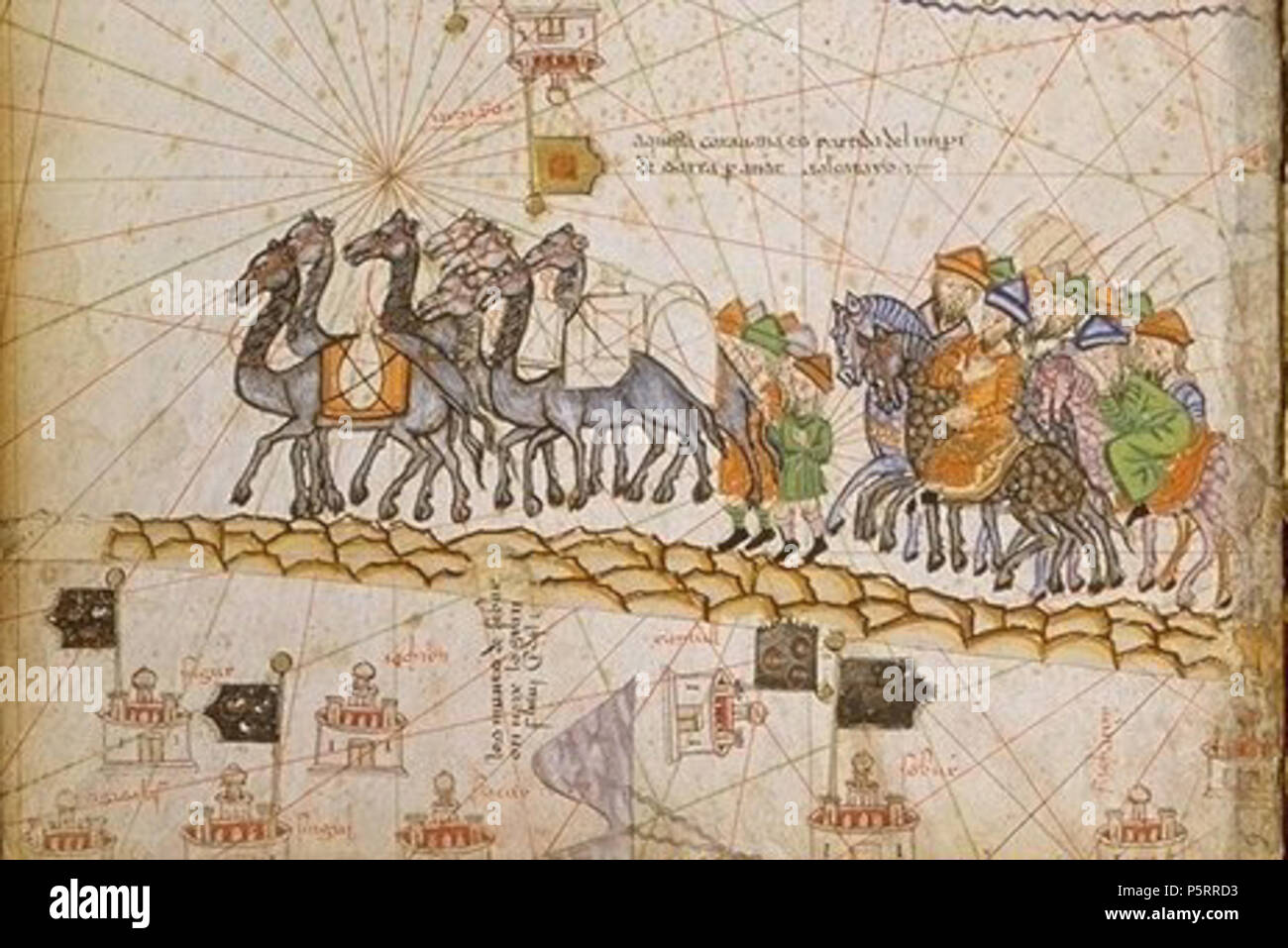
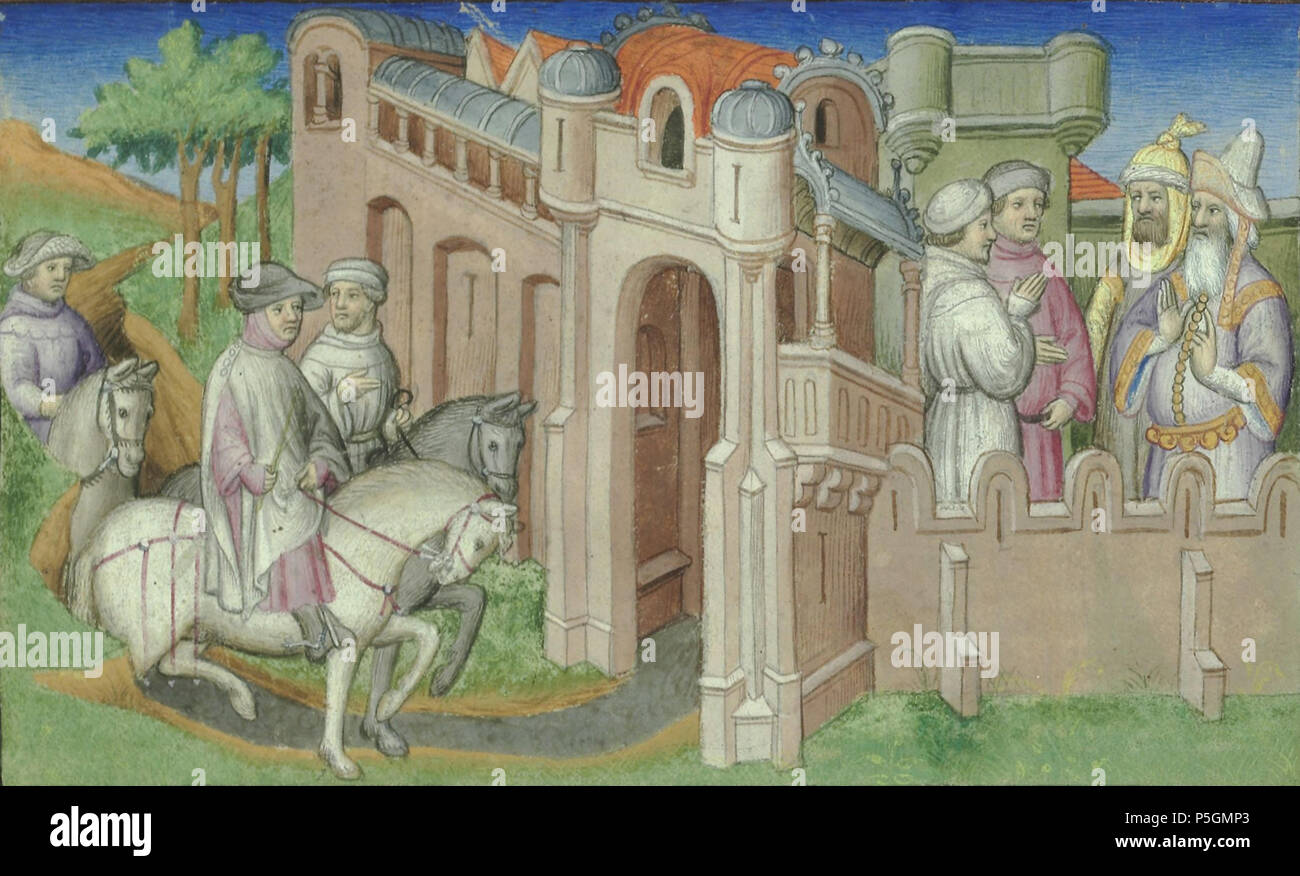
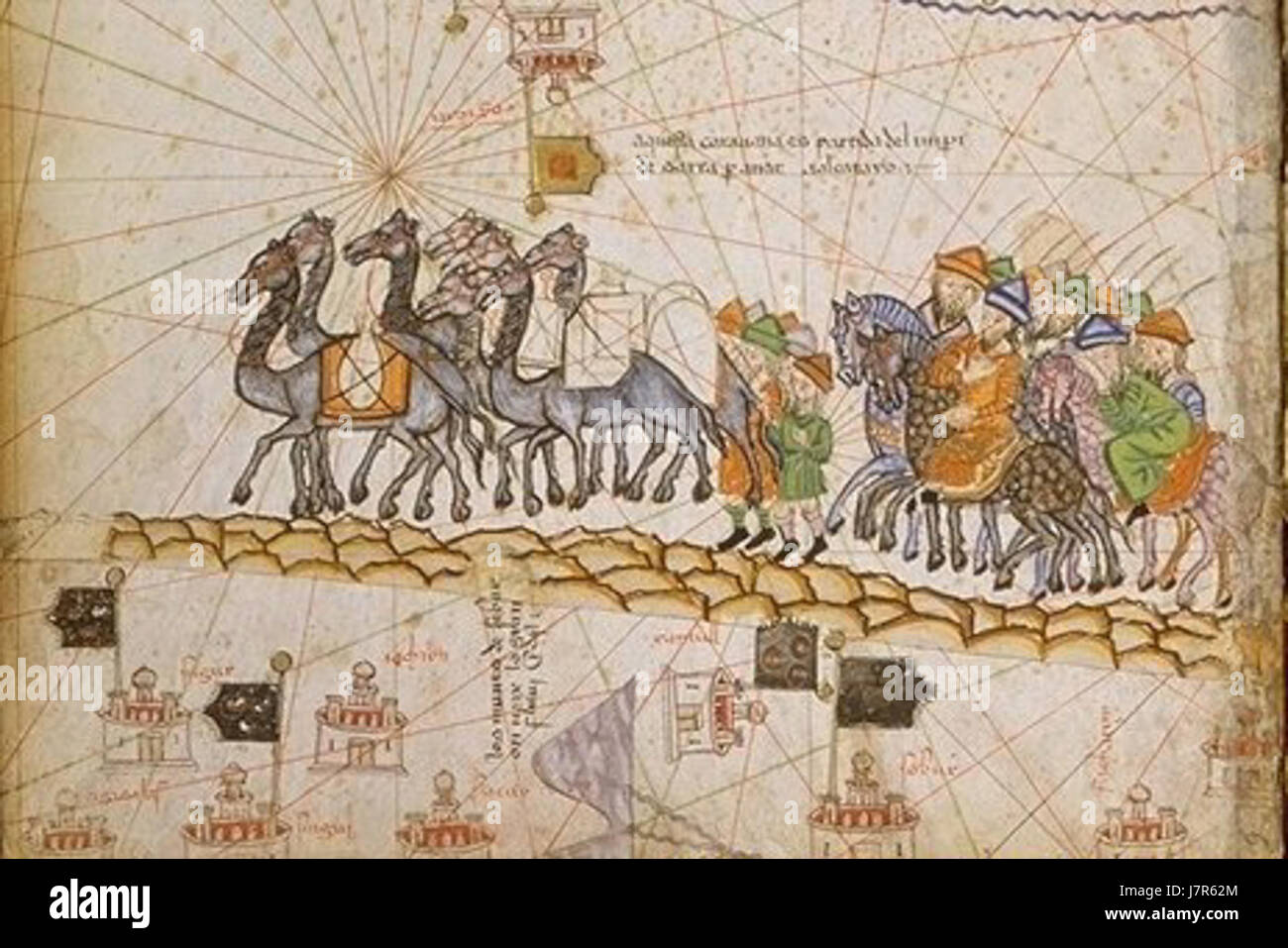
RMP5RRD3鈥�N/A. Caravane sur la Route de la soie - Caravan on the Silk Road . 1380 (Date accurate Citation If not verified valid, then date = 'Mid-14th Century'.. Cresques Abraham 270 Caravane sur la Route de la soie - Atlas catalan
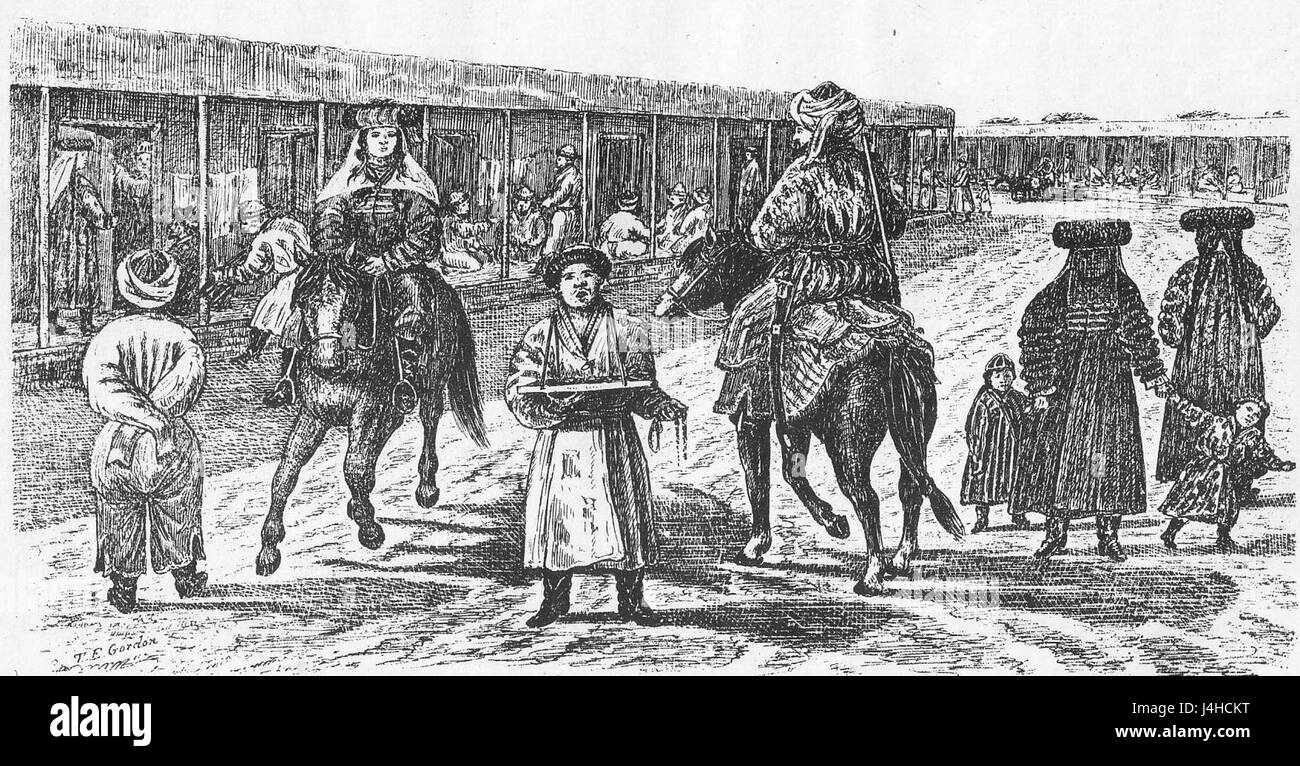
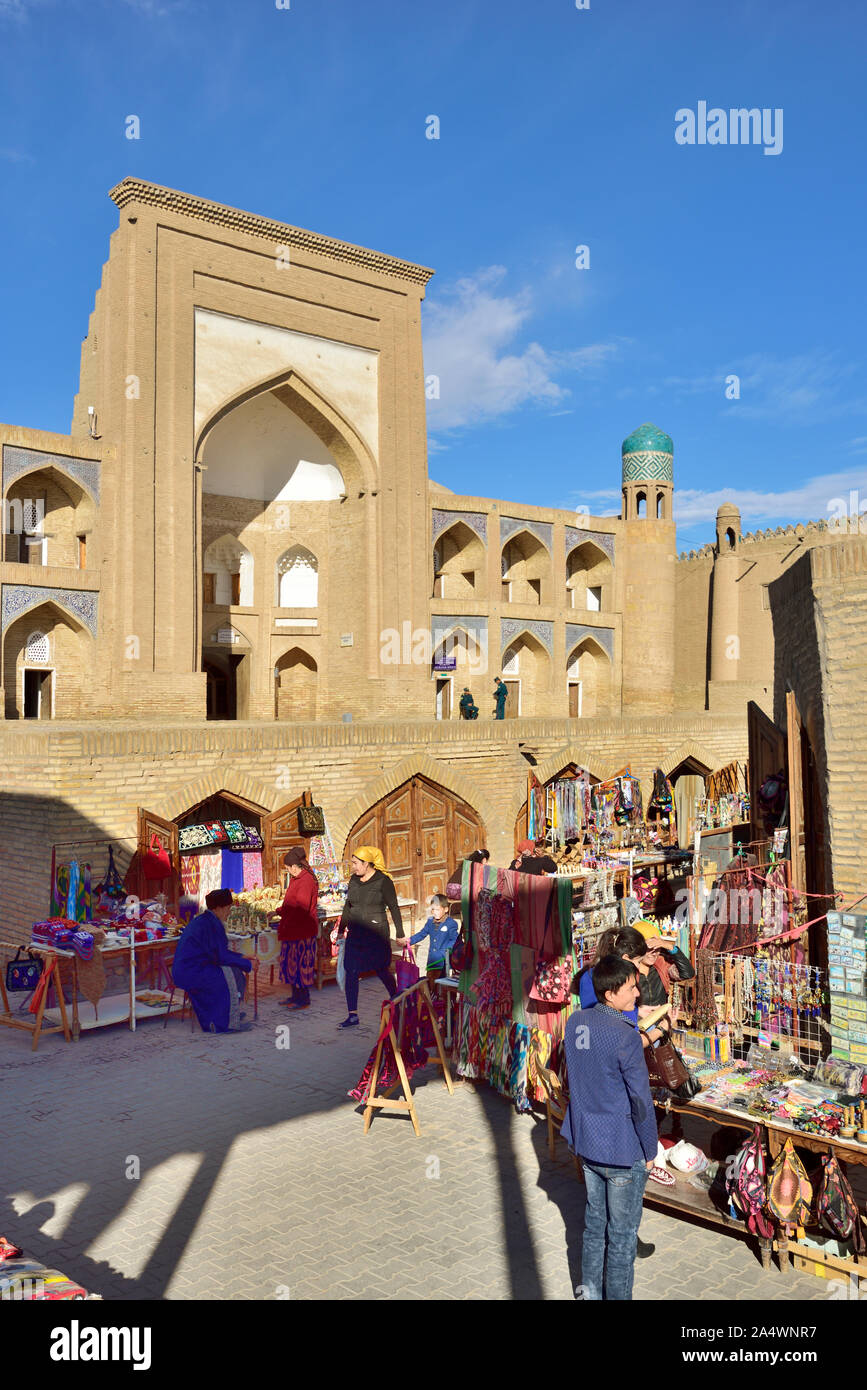
RM2A4WNR7鈥�Allakuli Khan Madrassah and the main shopping street. Khiva, a UNESCO World Heritage Site, Uzbekistan
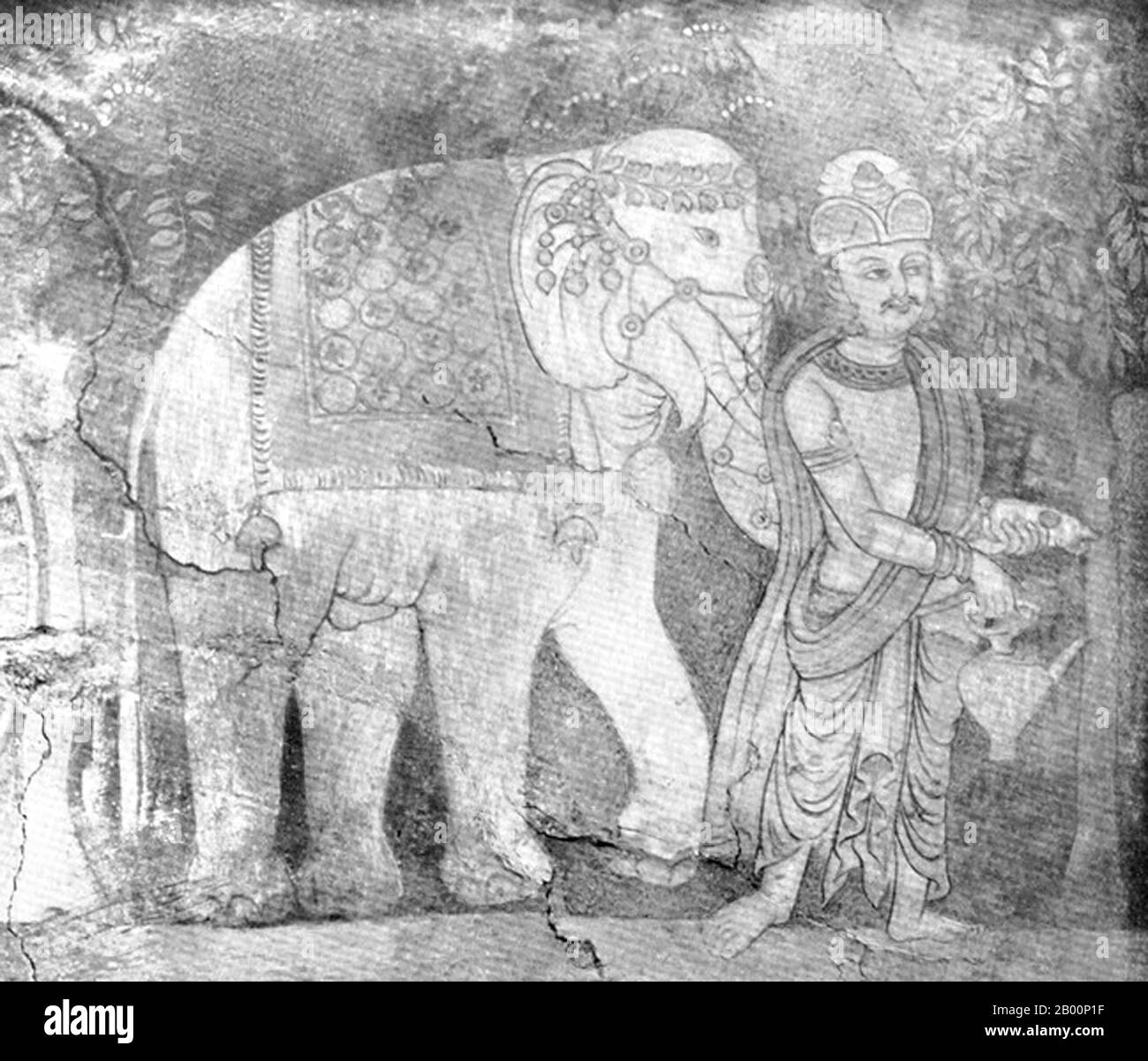
RM2B00P1F鈥�China: Painting of Vishvantara Offering a White Elephant, Miran, Xinjiang. In ancient times Miran was a busy trading center on the southern part of the Silk Road, after the route split into two (the northern route and the southern route), as merchant caravans sought to escape travel across the harsh wasteland of the desert (called by the Chinese 'The Sea of Death') and the Tarim Basin. They went by going around its north or south rim. It was also a thriving centre of Buddhism, with many monasteries and stupas. Marc Aurel Stein was the first archaeologist to thoroughly study the ruins in 1907.
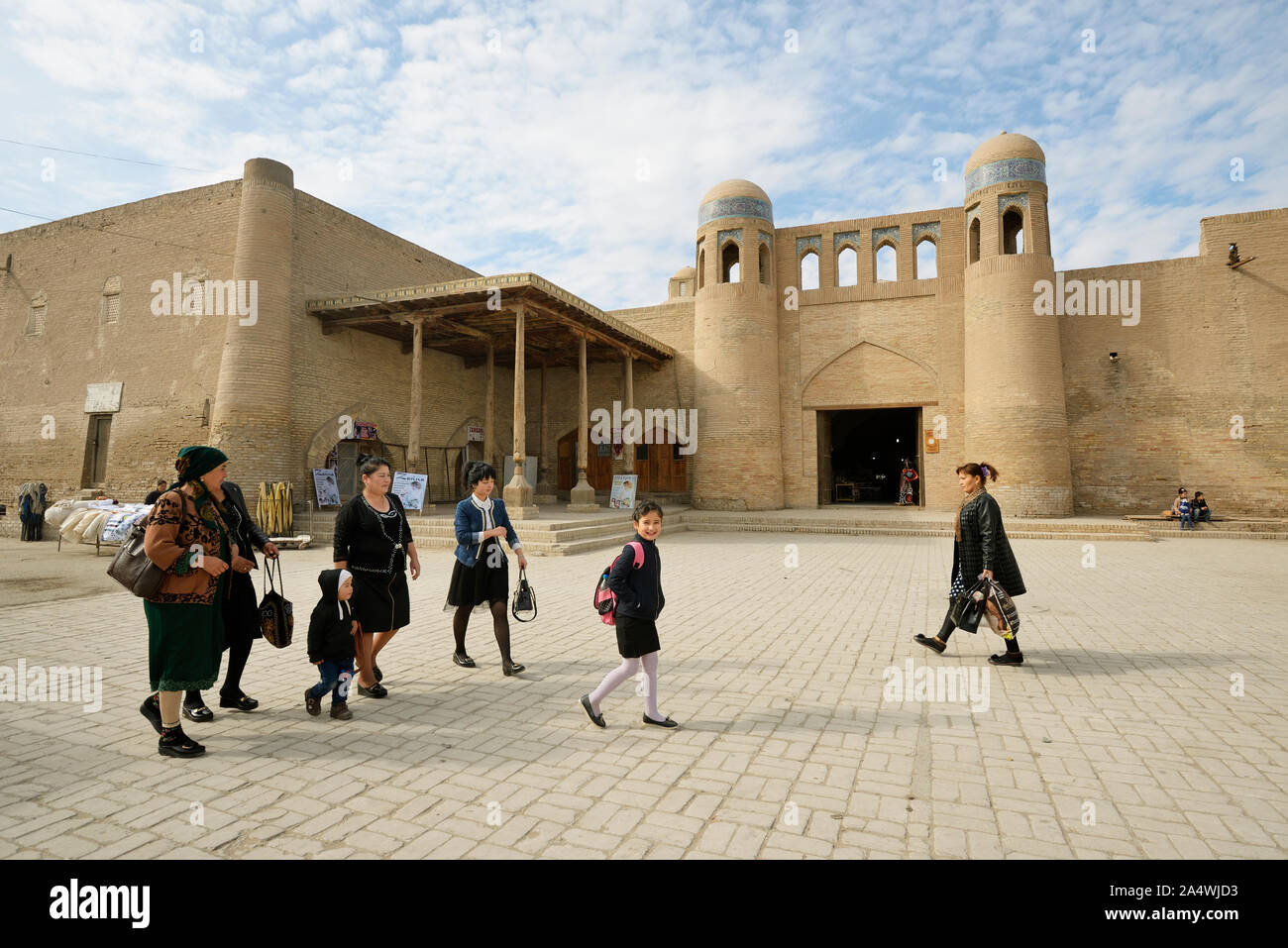
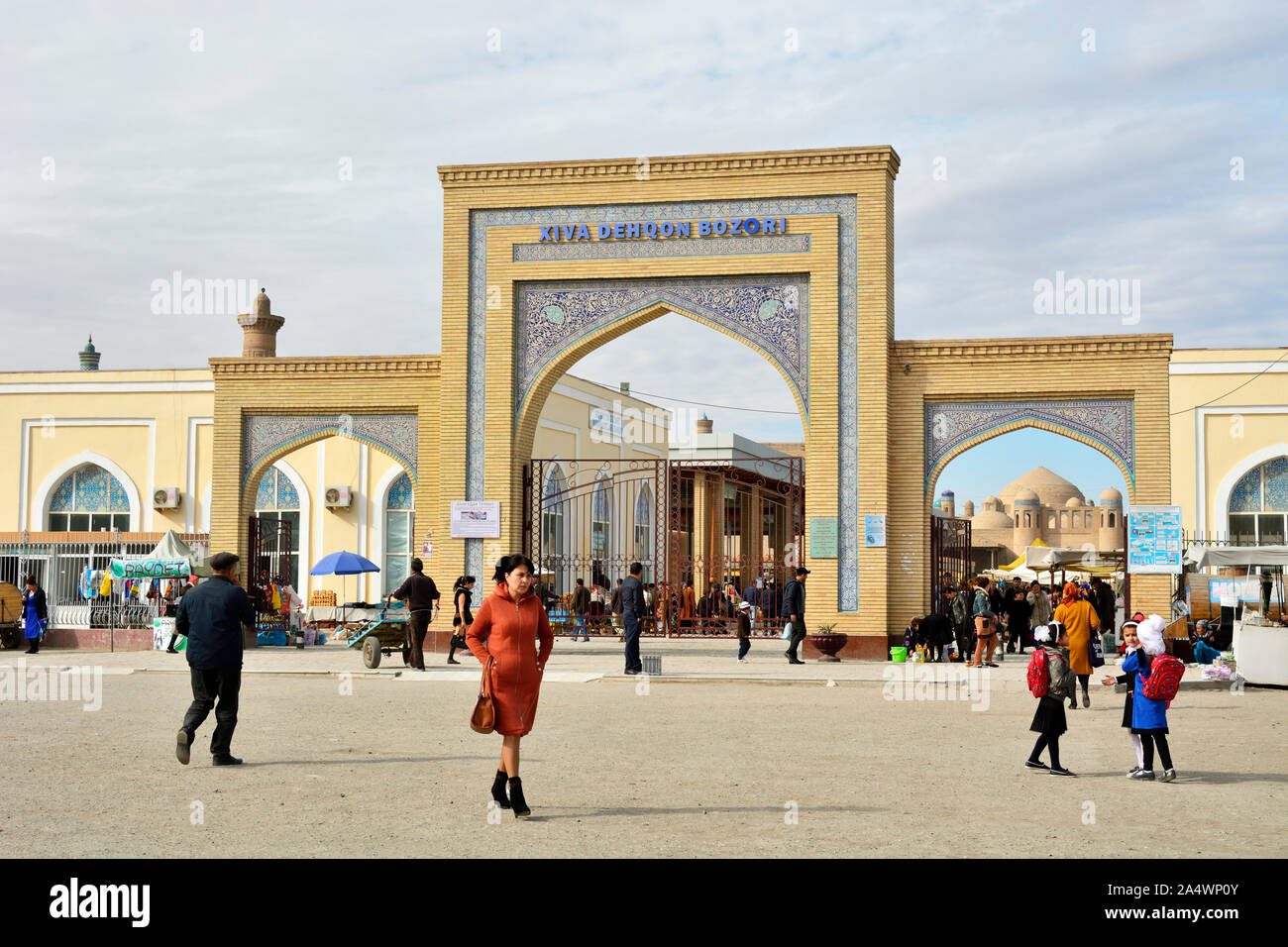
RM2A4WJD3鈥�Palvan Darvoza (eastern gate) facing the Dekhon Bazaar. Khiva, a UNESCO World Heritage Site, Uzbekistan
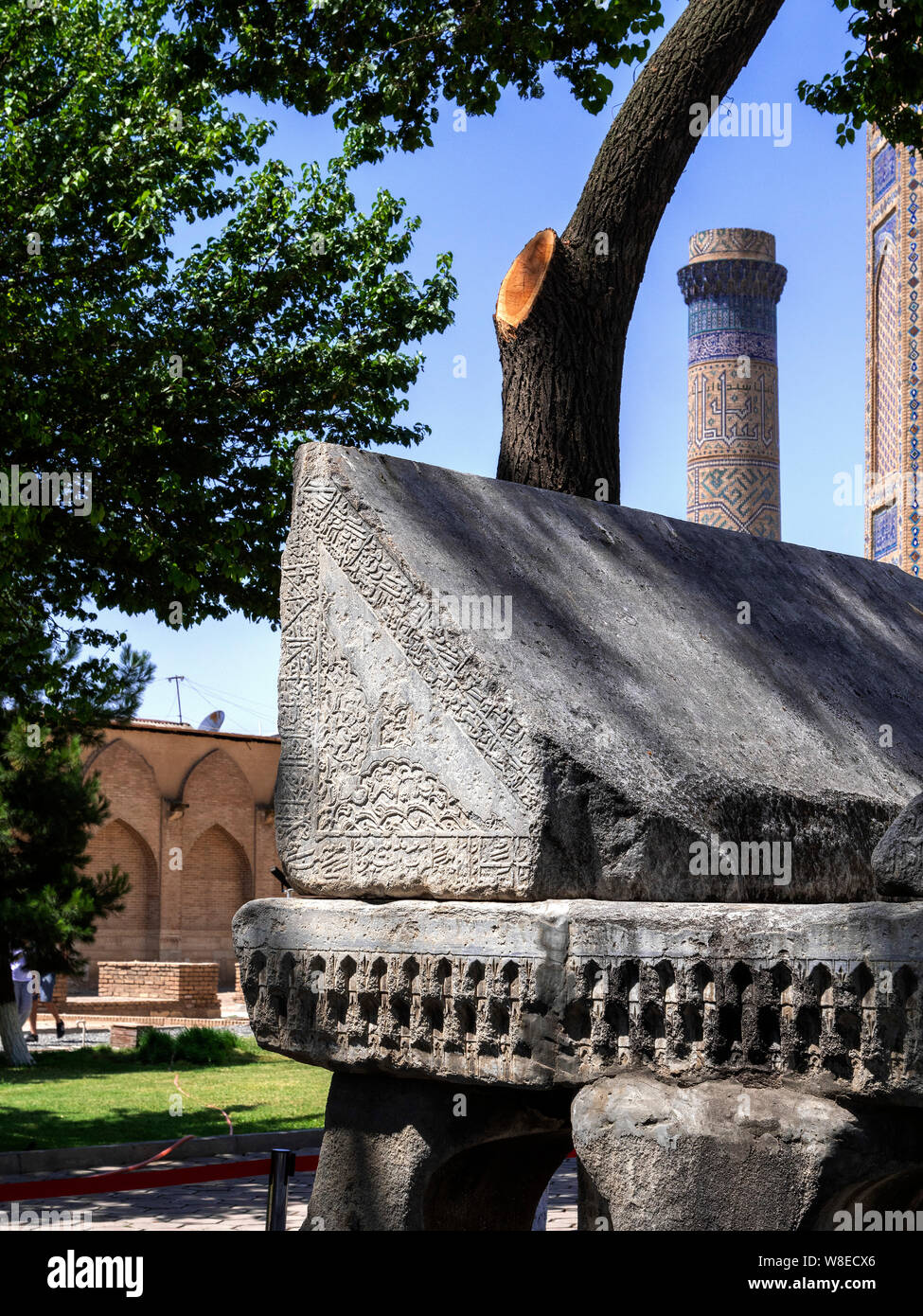
RMW8ECX6鈥�Riesiger Koranst盲nder aus Stein, Bibi-Chanum Moschee, Samarkand, Usbekistan, Asien, UNESCO Weltkulturerbe giant Koran racket, Bibi Chanum Mosque, Sam
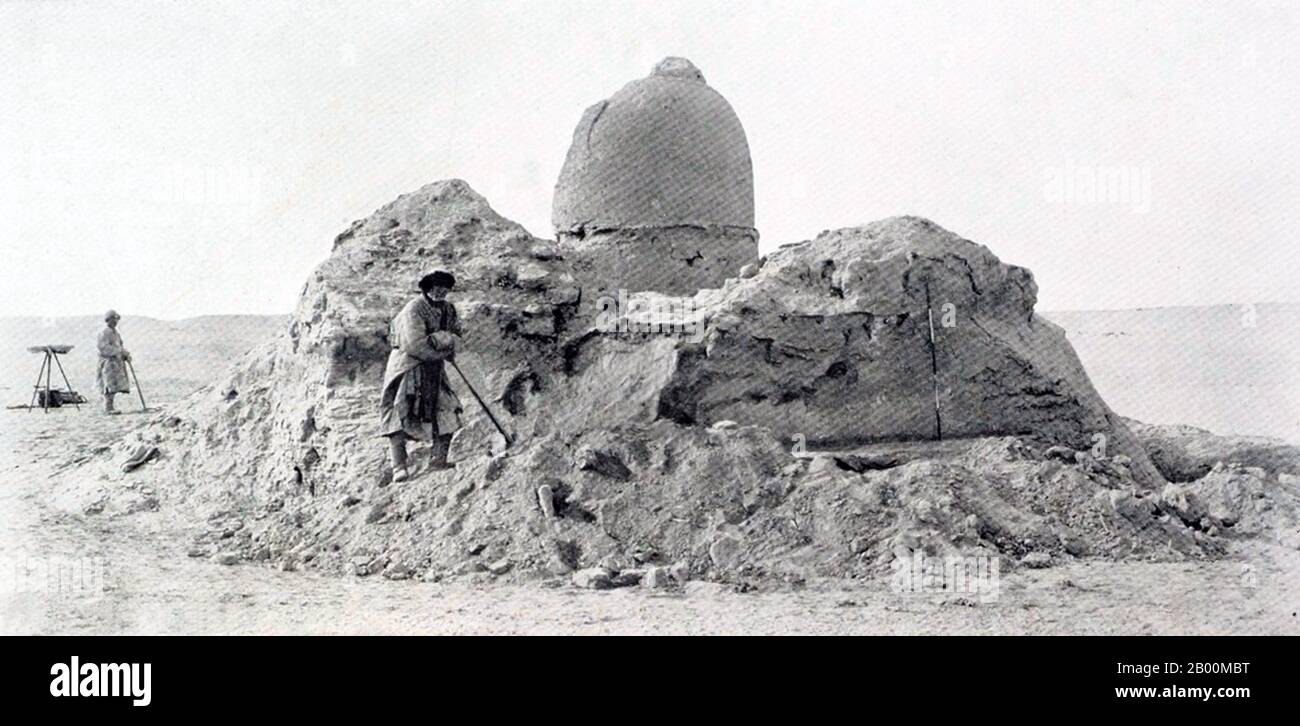
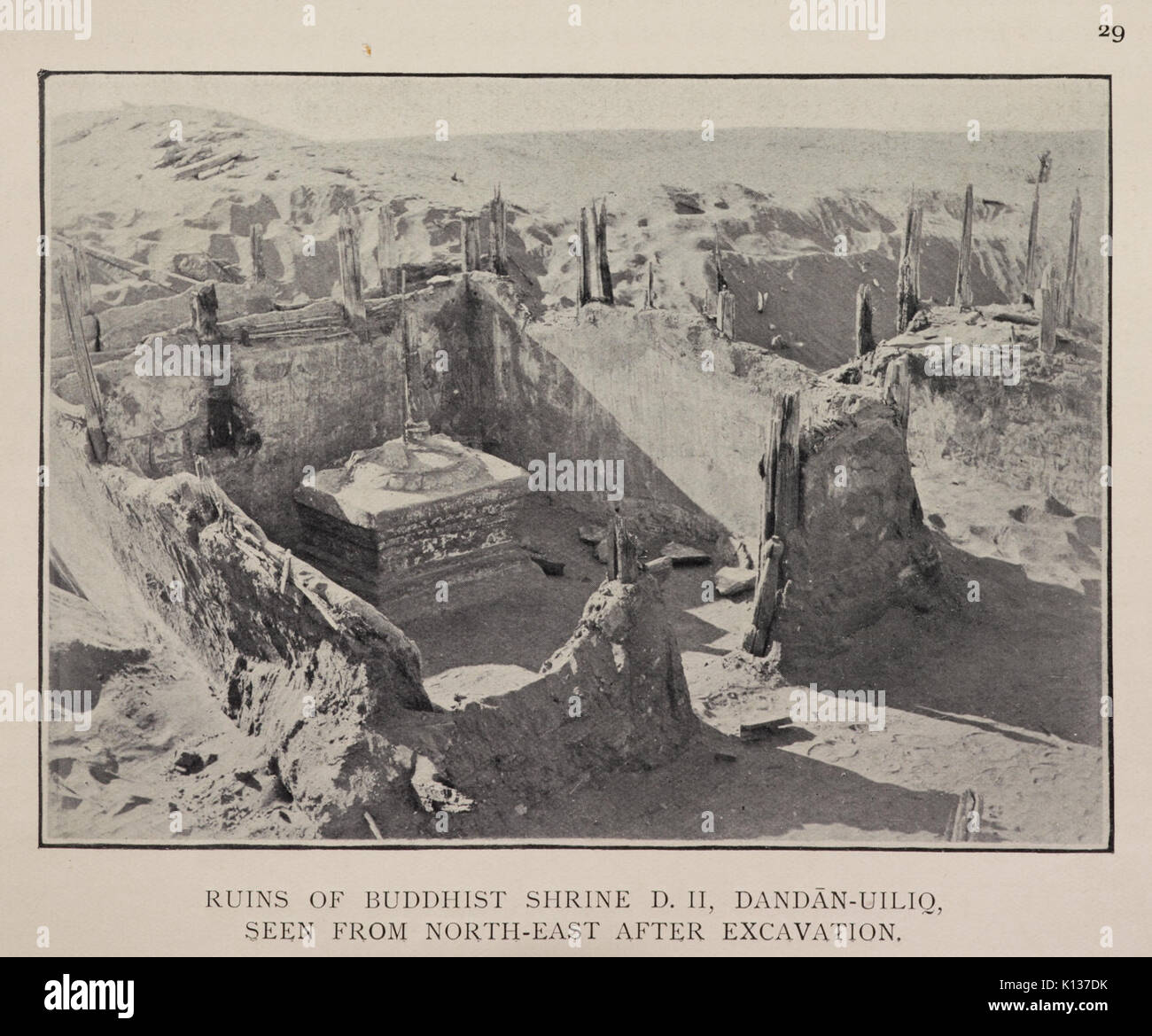
RM2B00MBT鈥�China: Excavations at Miran, southern Xinjiang, c.1900 In ancient times Miran was a busy trading center on the southern part of the Silk Road, after the route split into two (the northern route and the southern route), as caravans of merchants sought to escape travel across the harsh wasteland of the desert (called by the Chinese 'The Sea of Death') and the Tarim Basin. They went by going around its north or south rim. It was also a thriving center of Buddhism with many monasteries and stupas. Marc Aurel Stein was the first archaeologist to systematically study the ruins at Miran in 1907.
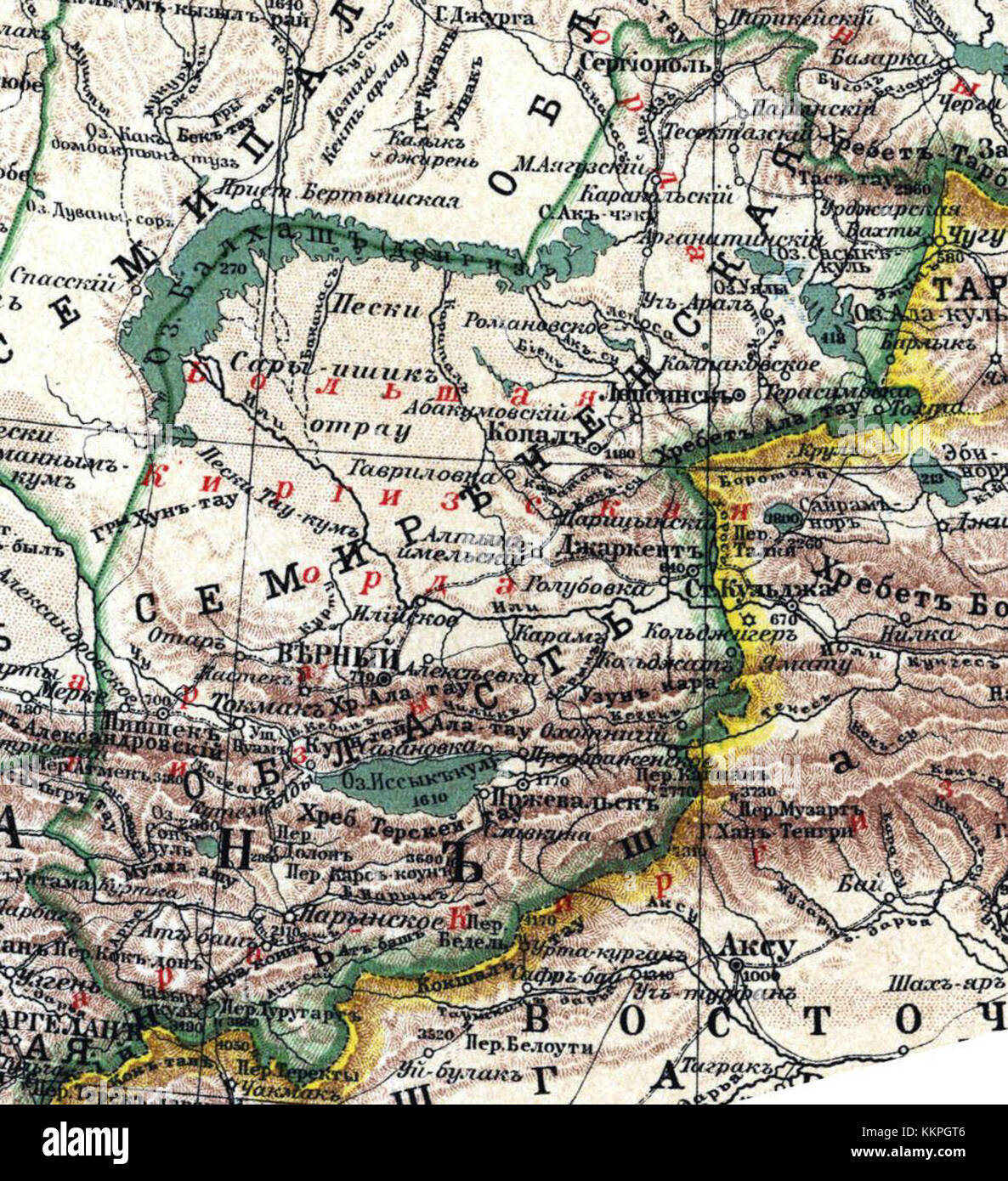
RMKKPGT6鈥�Semirechye is a historical region located in Central Asia, primarily in modern Kazakhstan. Known for its diverse culture and history, Semirechye was a key location in the Silk Road trade route.
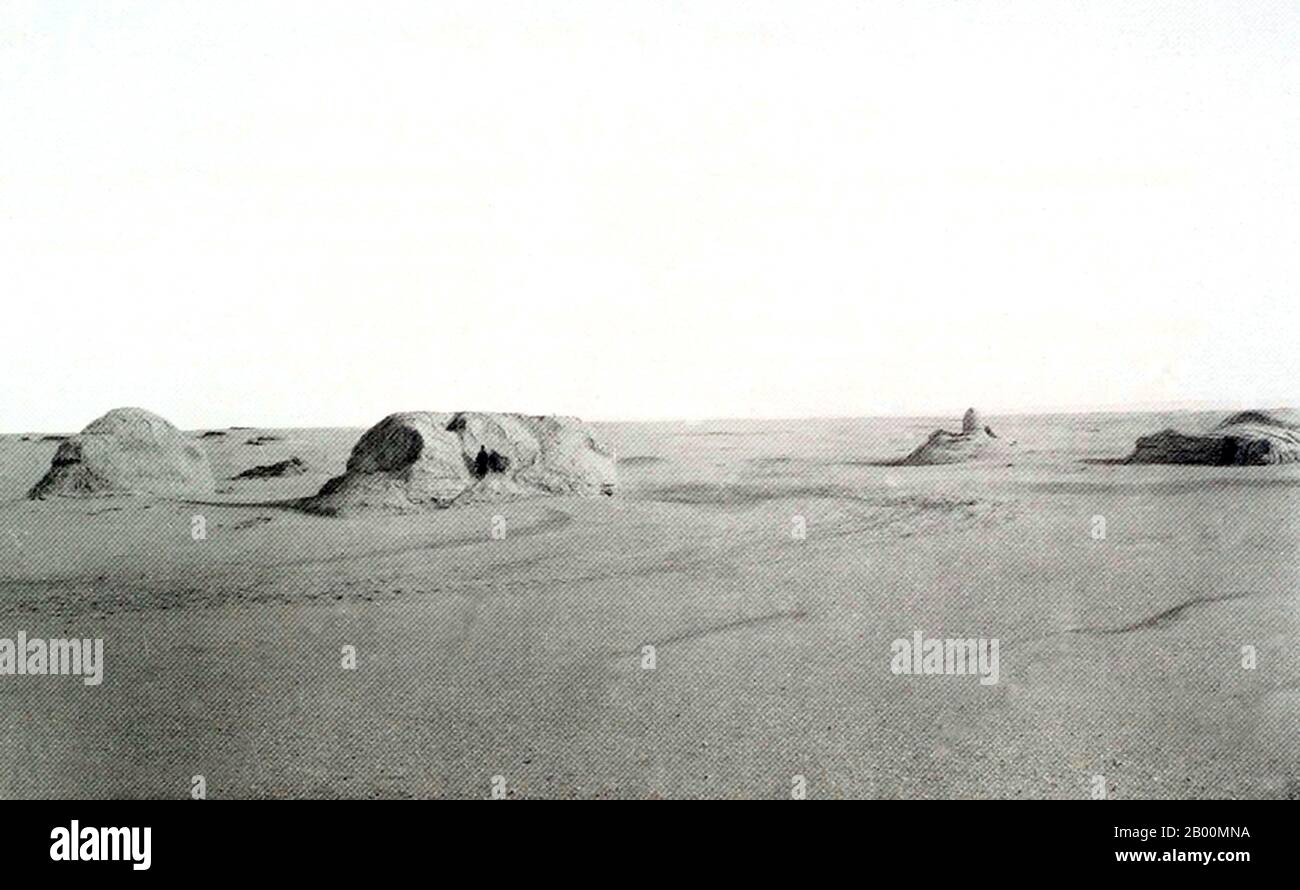
RM2B00MNA鈥�China: Buddhist stupa in the Taklamakan Desert at Miran, Xinjiang, c. 1900. In ancient times Miran was a busy trading center on the southern part of the Silk Road, after the route split into two (the northern route and the southern route), as caravans of merchants sought to escape travel across the harsh wasteland of the desert (called by the Chinese 'The Sea of Death') and the Tarim Basin. They went by going around its north or south rim. It was also a thriving center of Buddhism with many monasteries and stupas. Marc Aurel Stein was the first archaeologist to fully study the ruins in 1907.
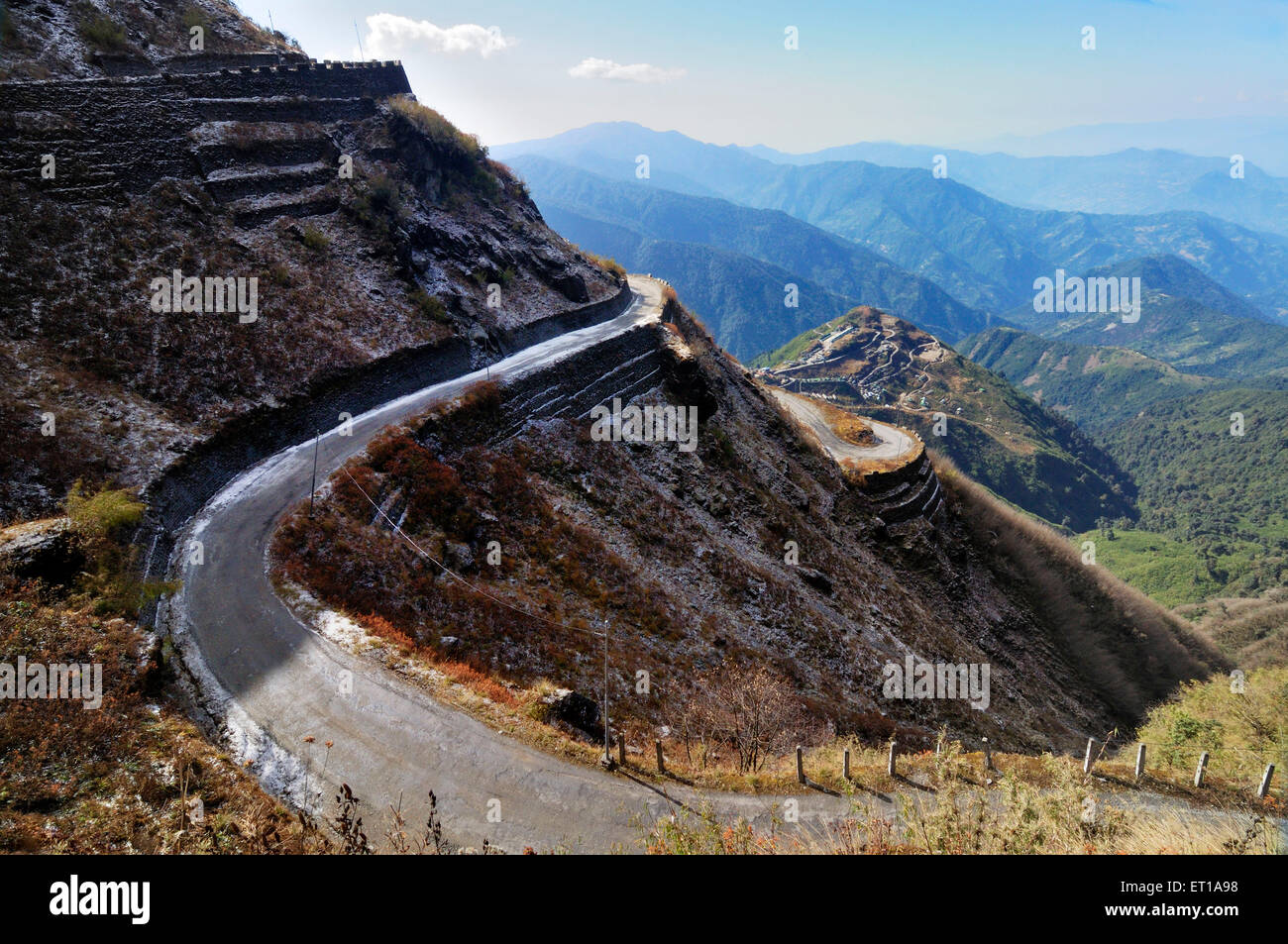
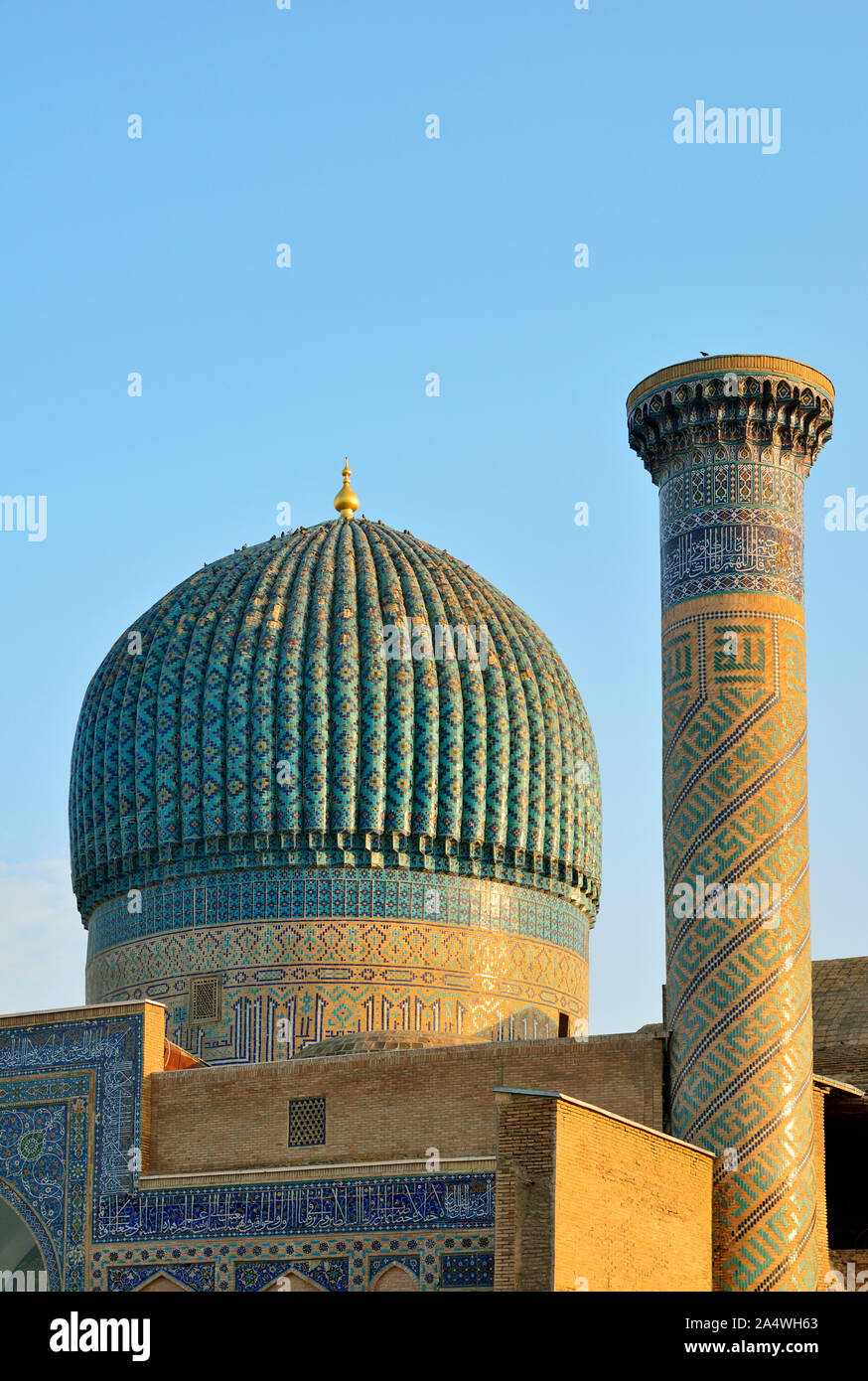
RM2A4WH63鈥�Gur-e-Amir mausoleum of the Asian conqueror Timur (also known as Tamerlane, 1336-1405). It has a very important place in the history of Persian-Mongol
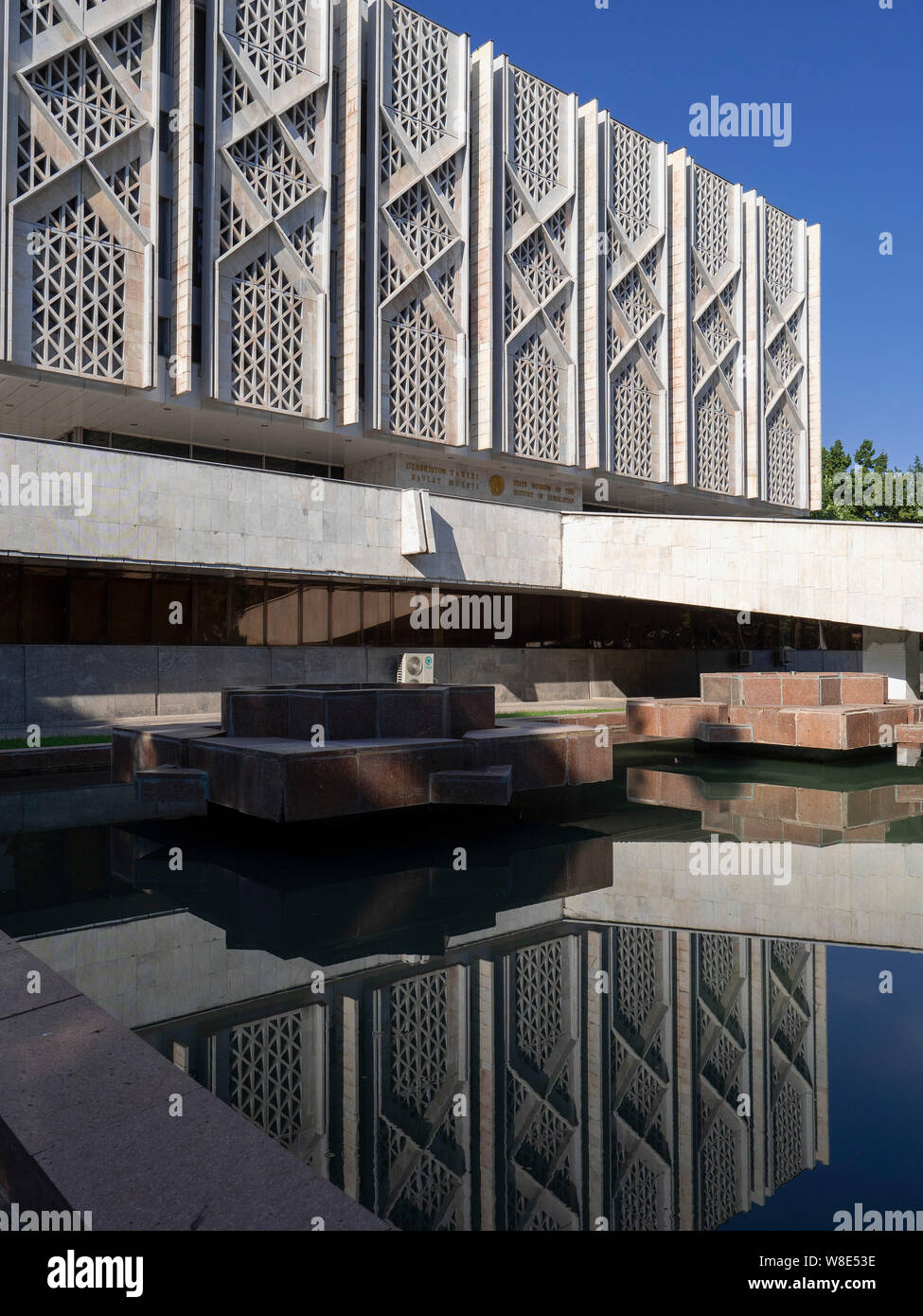
RMW8E53E鈥�Museum f眉r Geschichte, Taschkent, Usbekistan, Asien Museum of History, Tashkent, Uzbekistan, Asia
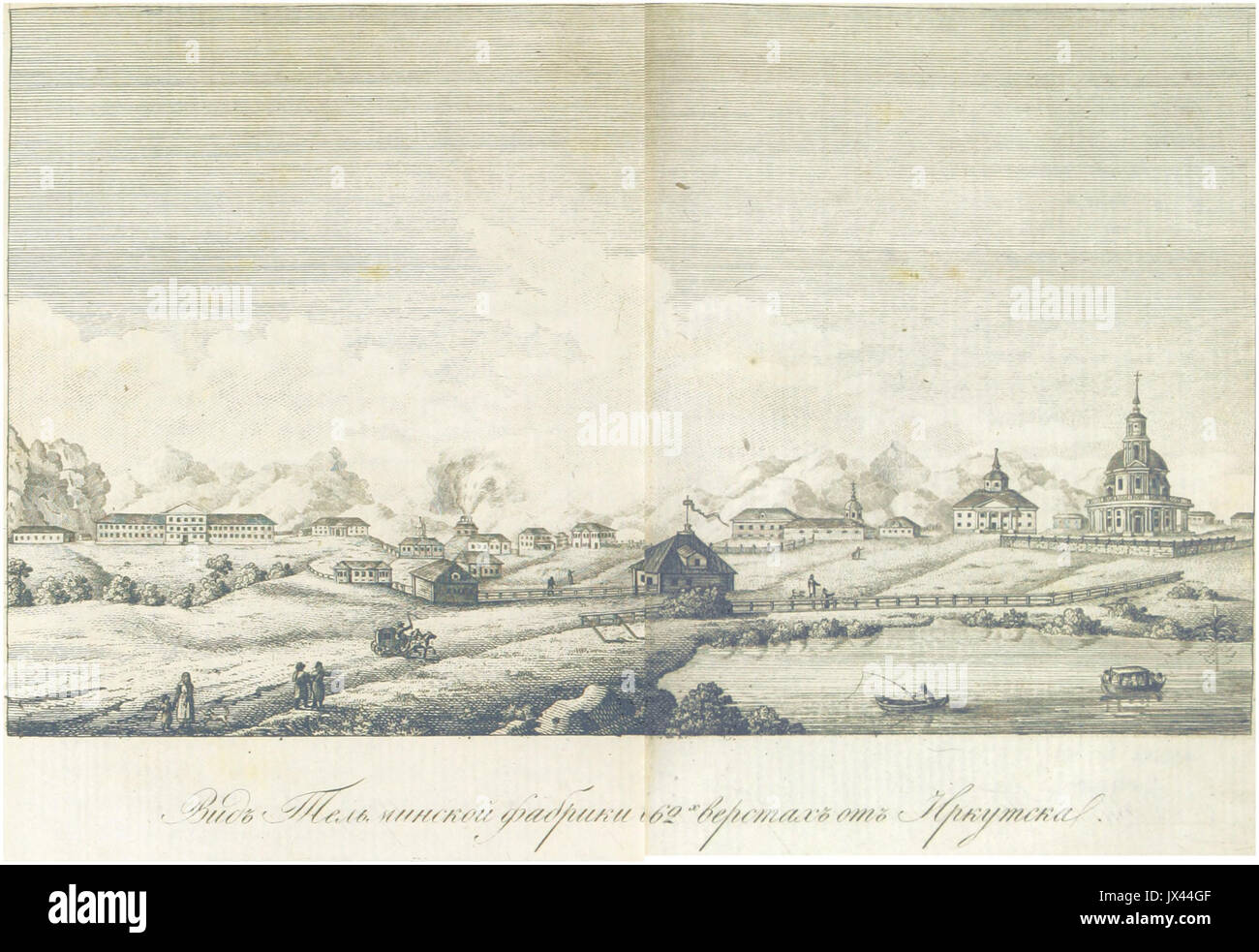
RMJX44GF鈥�MARTOS(1827) p234 The first Slk Manufacture near (62 Werst) Irkutsk, at the route to Moscow
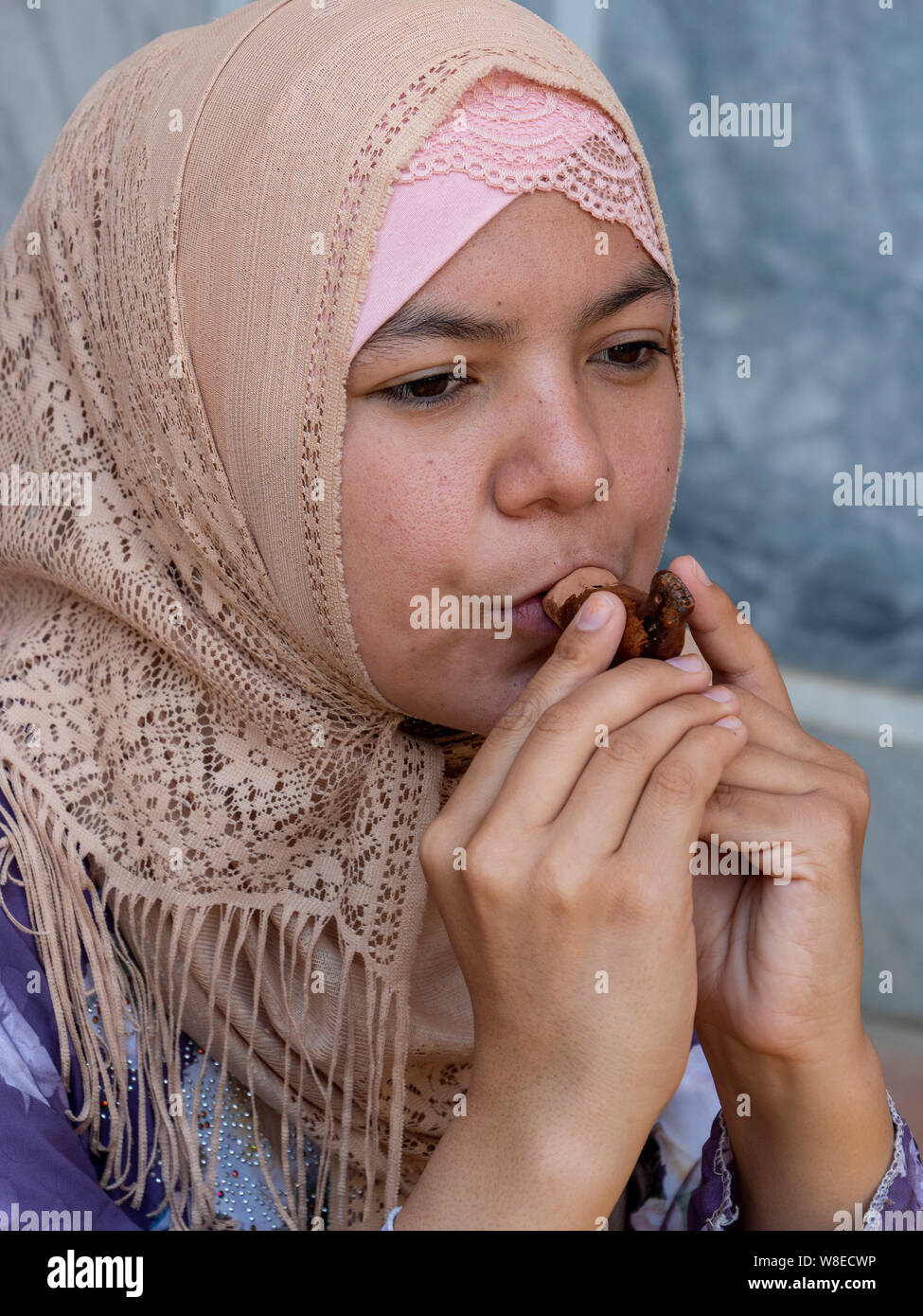
RMW8ECWP鈥�M盲dchen musiziert mit Tonpfeife, Samarkand, Usbekistan, Asien girl making music with clay pipe, Samarkand, Uzbekistan, Asia
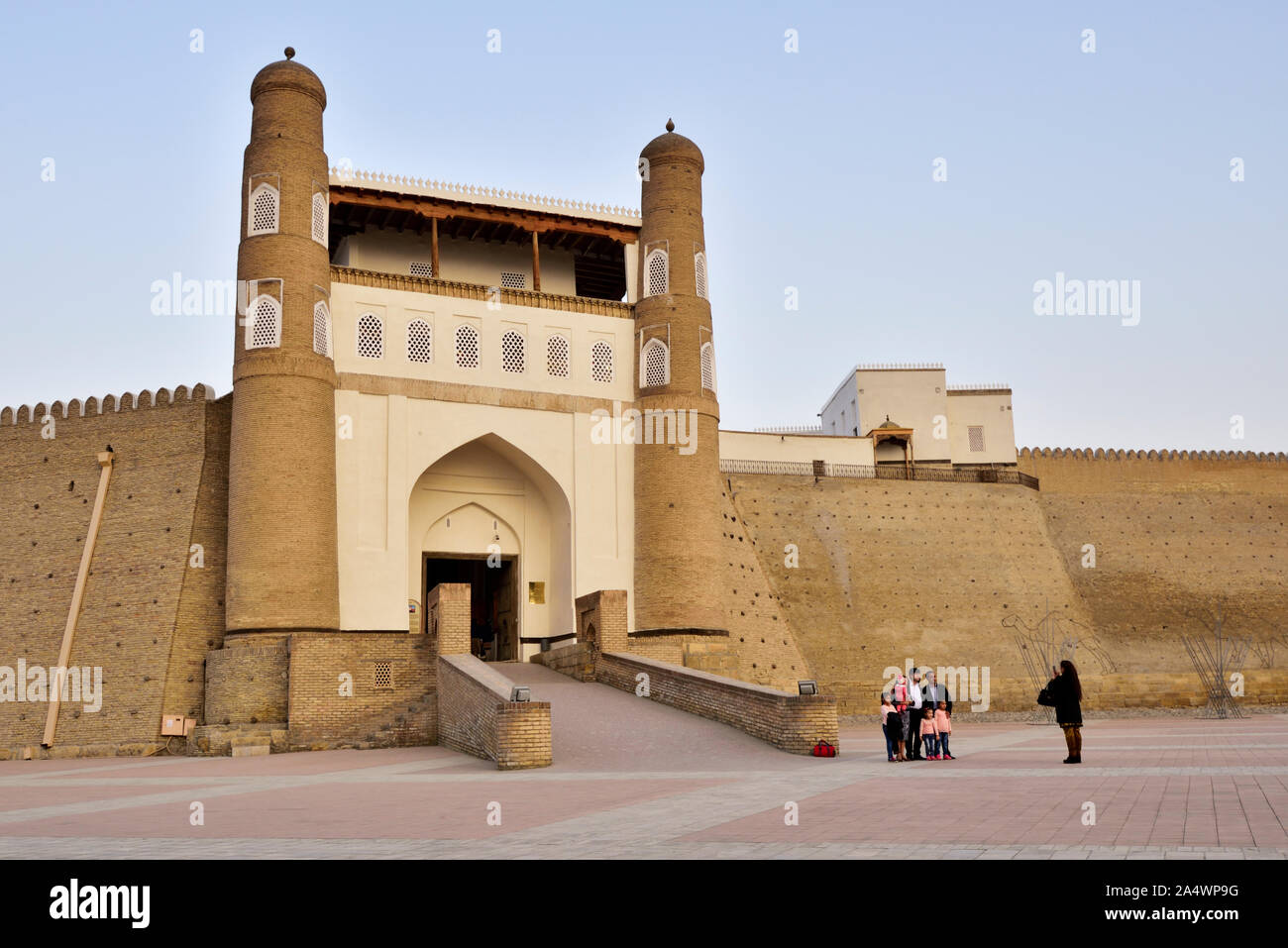
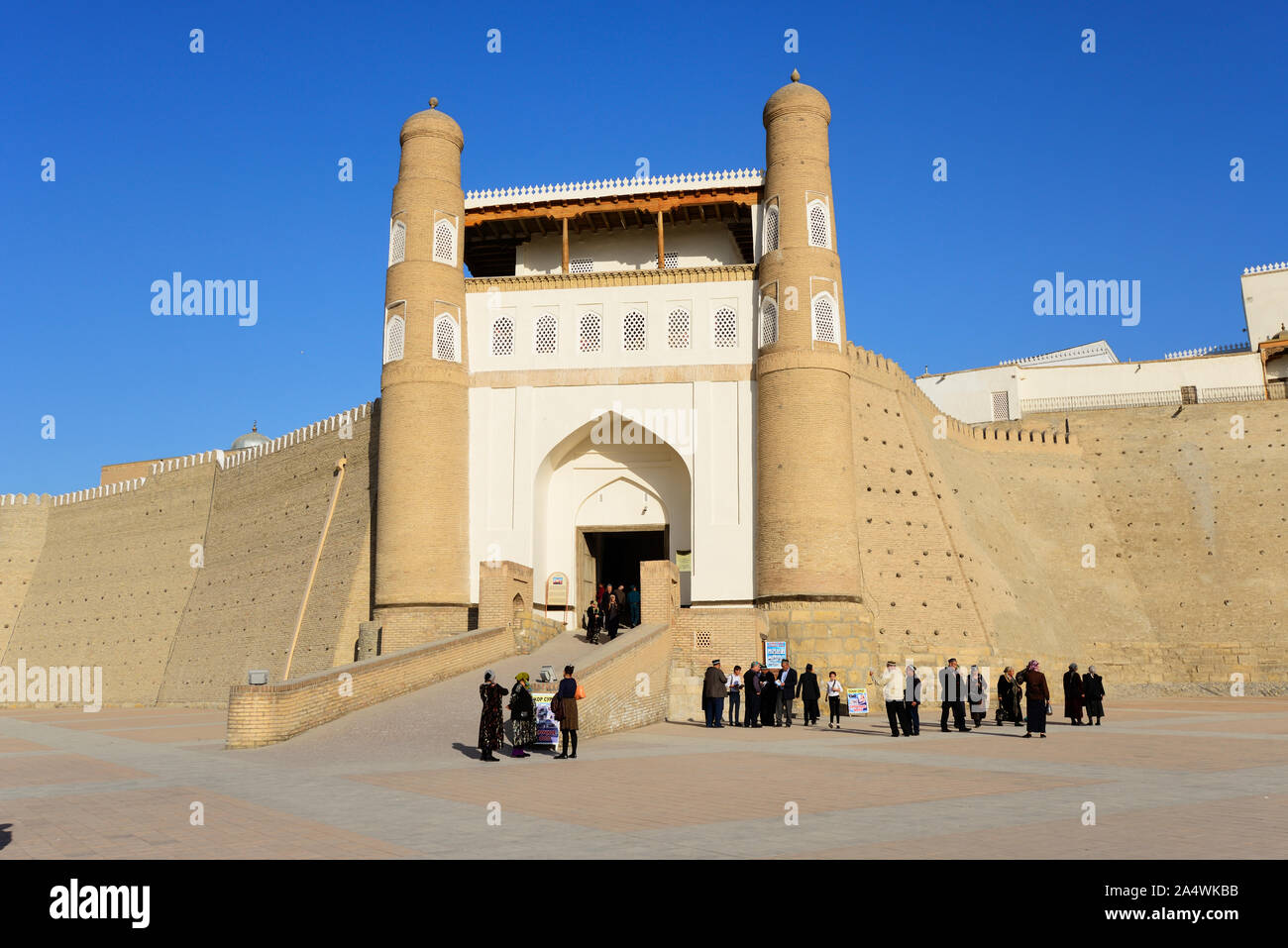
RM2A4WP9G鈥�Main and only entrance to the Ark fortress. Bukhara, a UNESCO World Heritage Site. Uzbekistan
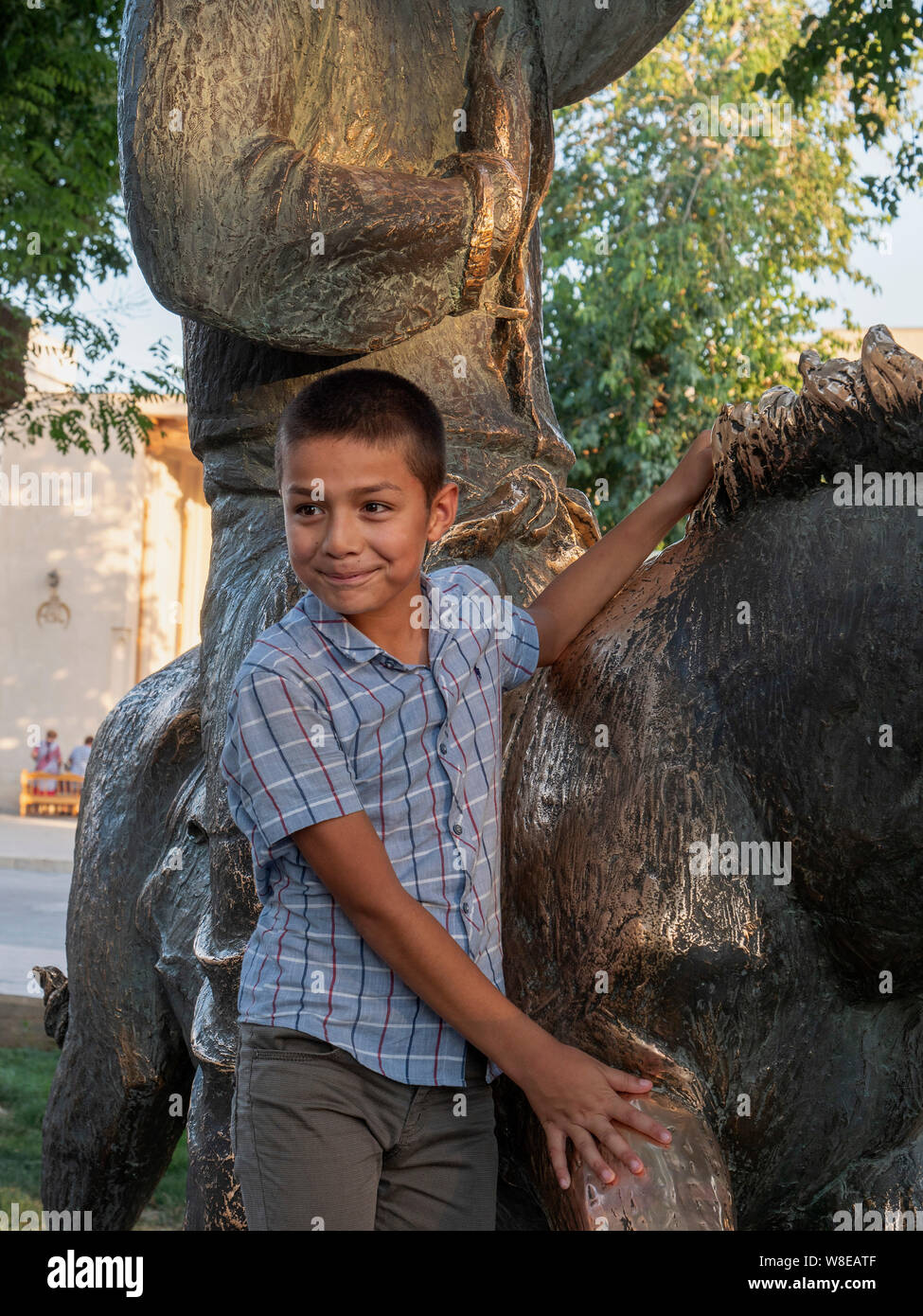
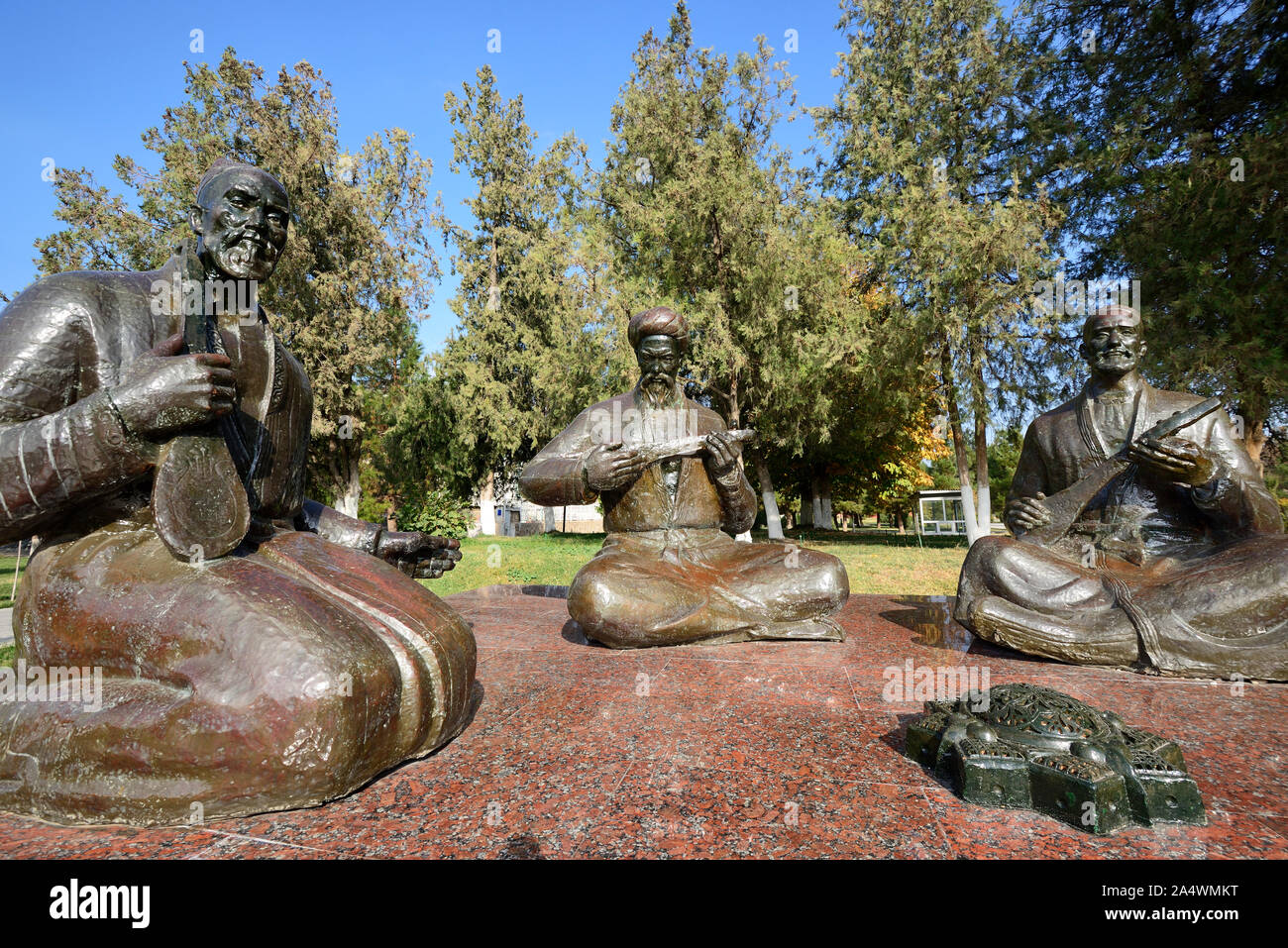
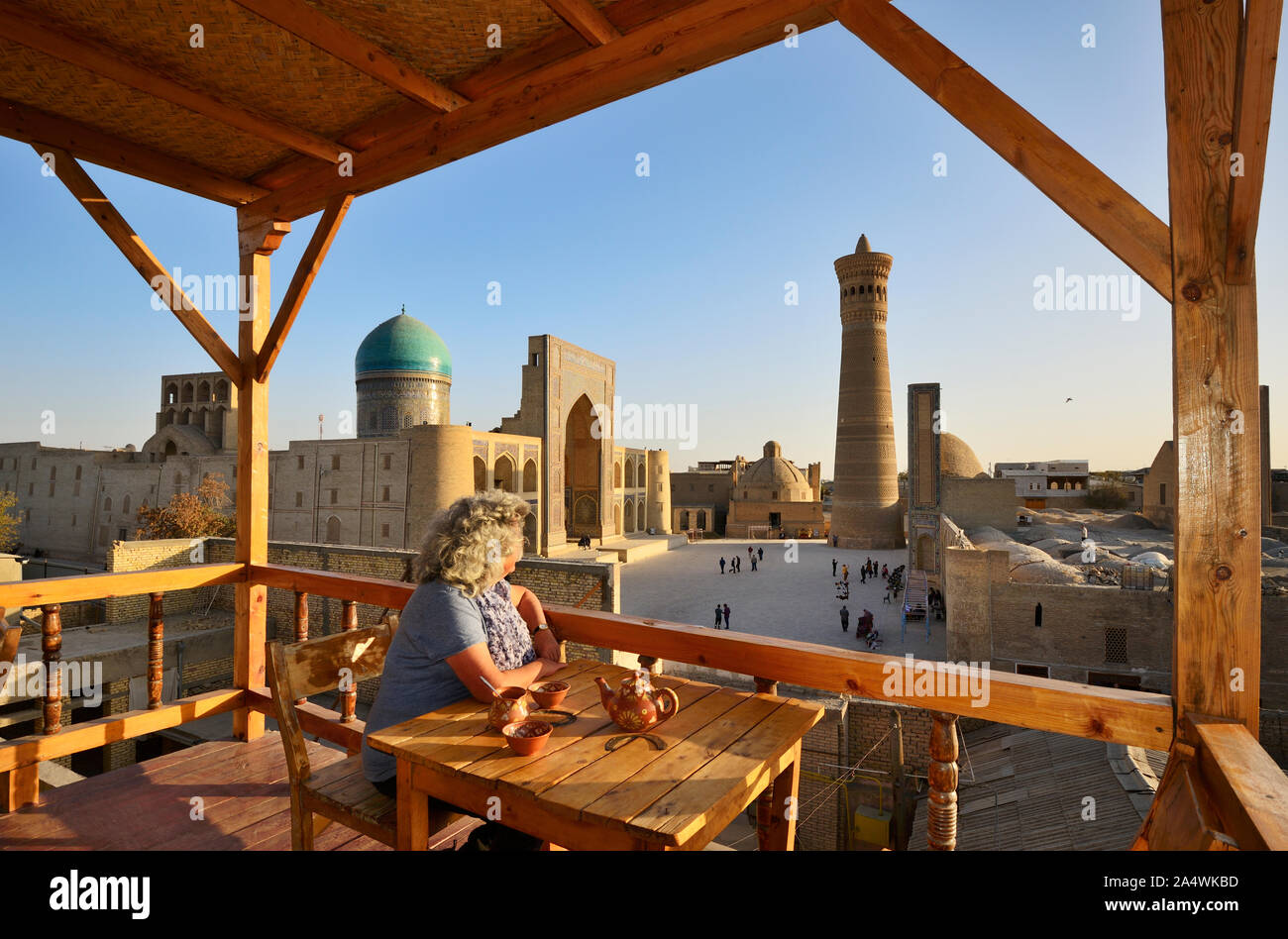
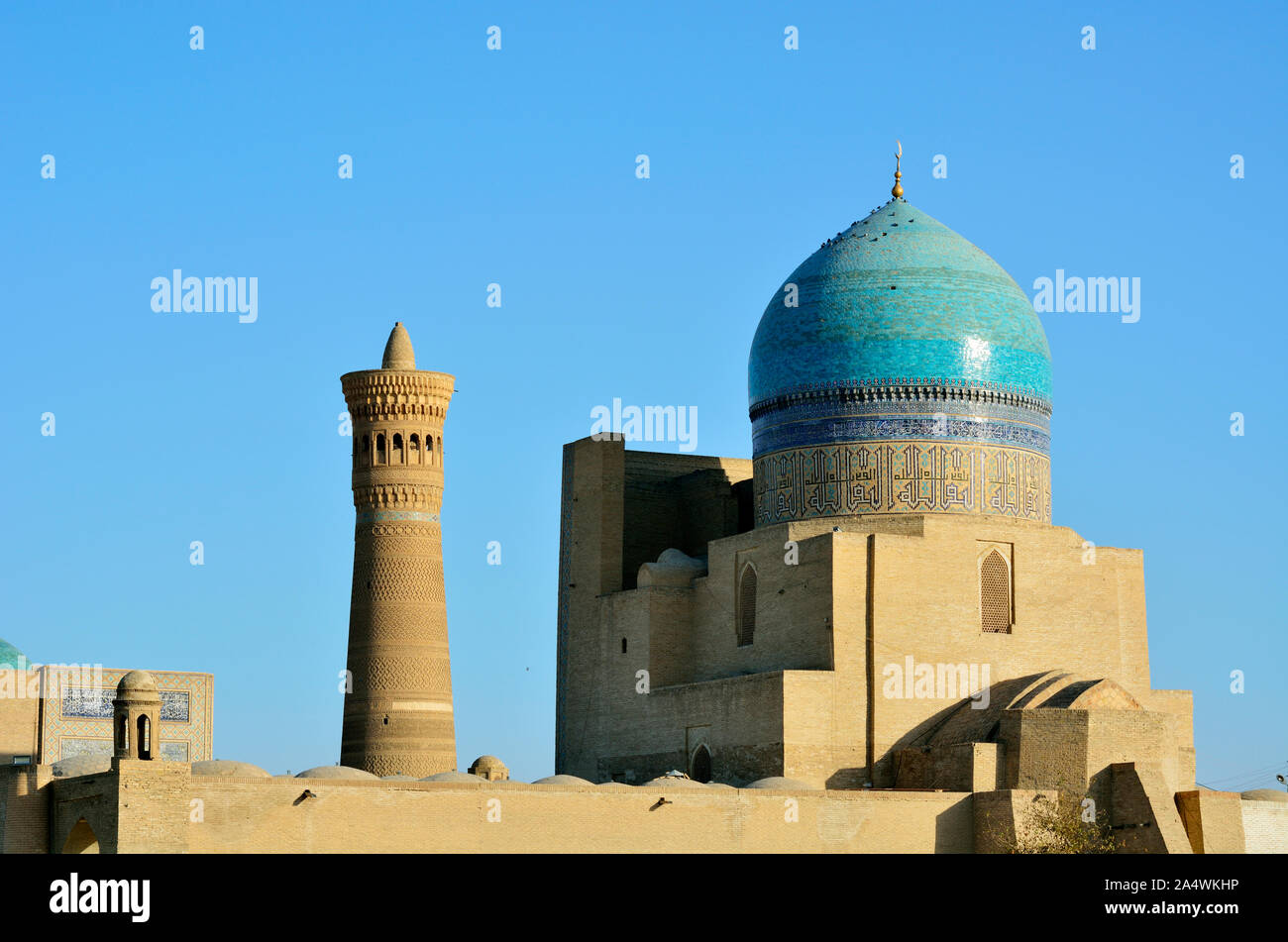
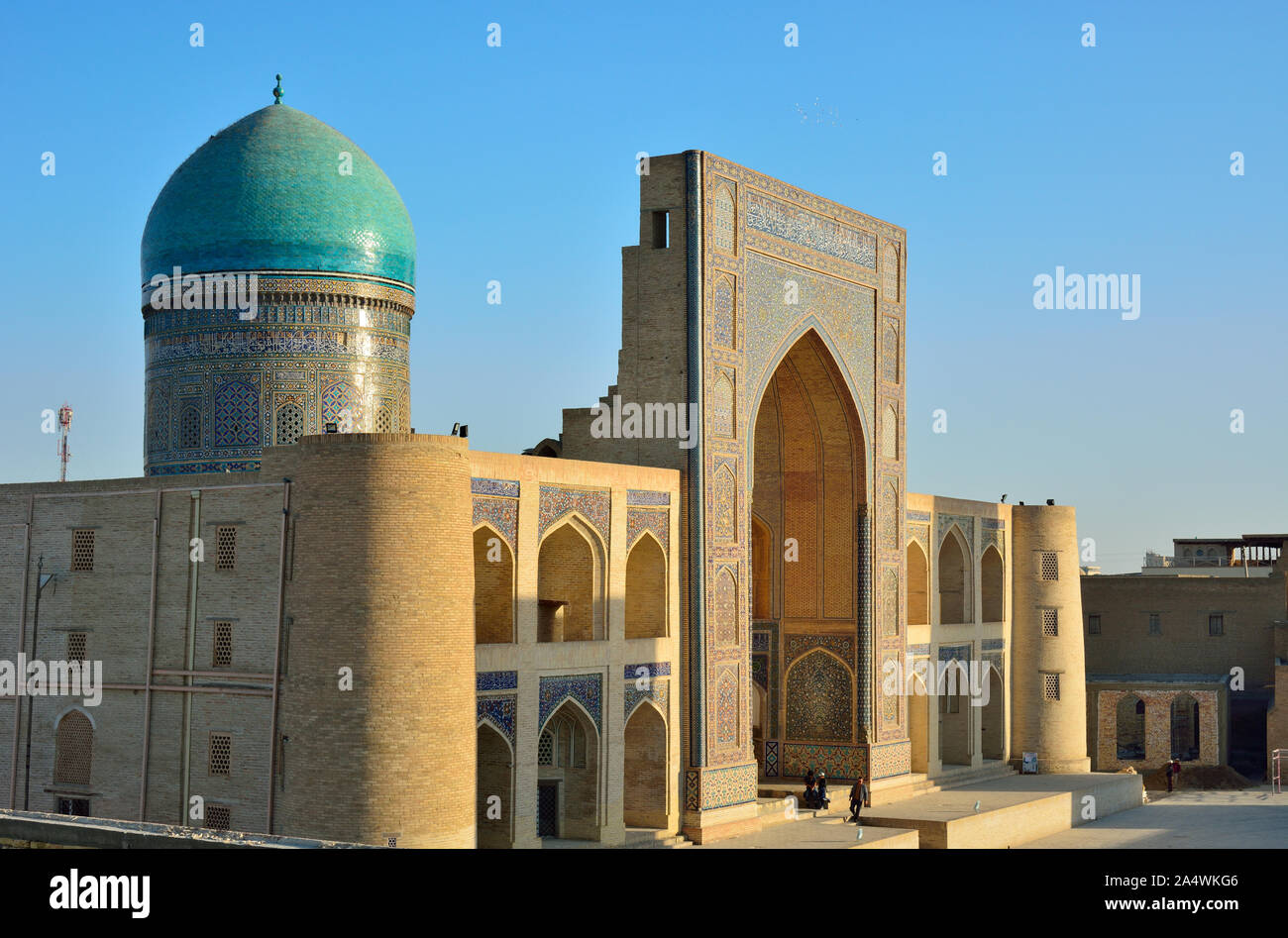
RM2A4WKBD鈥�View to the Mir-i-Arab Madrassah and Kalon minaret. Bukhara, a UNESCO World Heritage Site. Uzbekistan (MR)
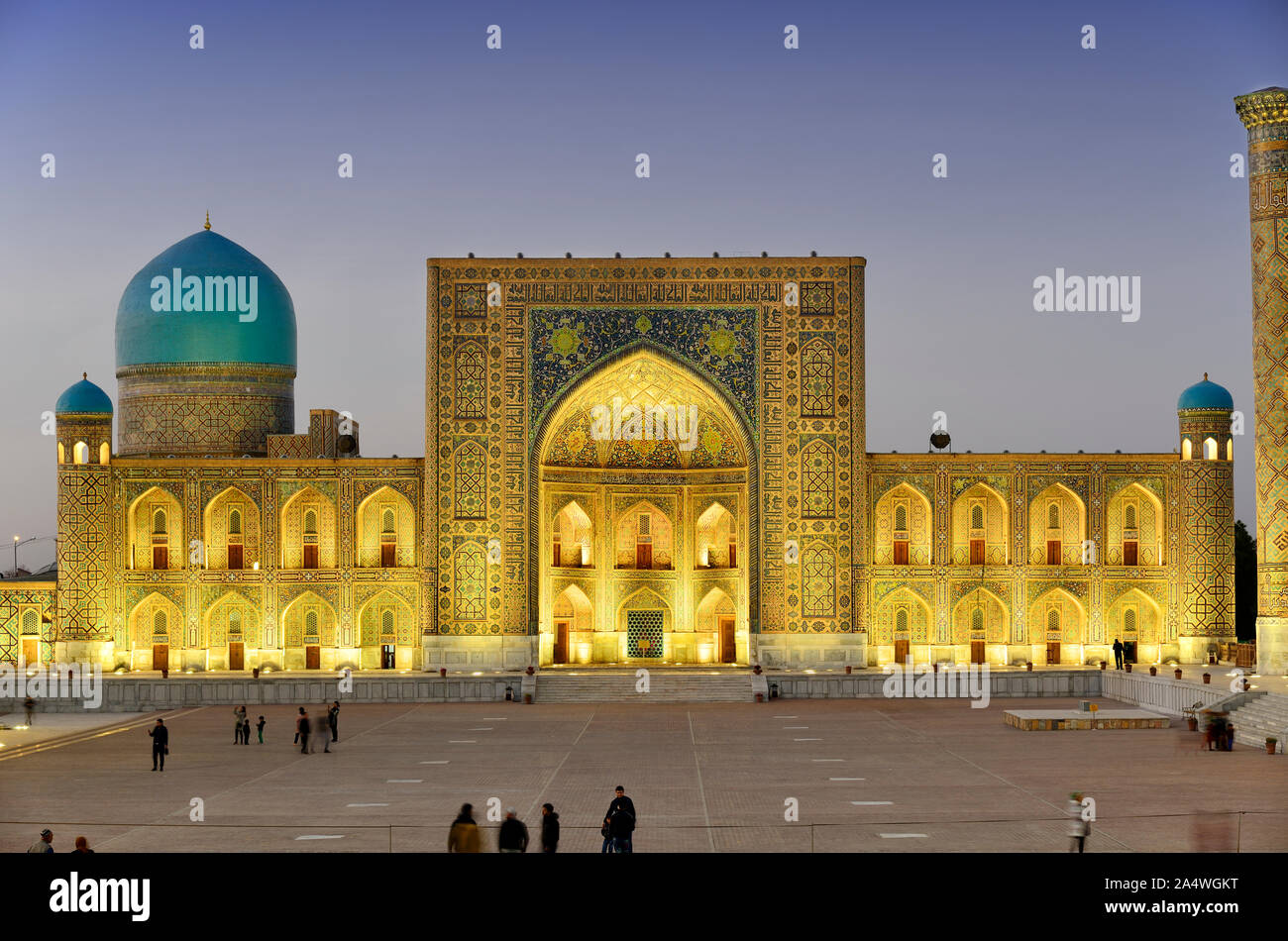
RM2A4WGKT鈥�The Registan square and Tilya-Kori Madrasah. A Unesco World Heritage Site, Samarkand. Uzbekistan
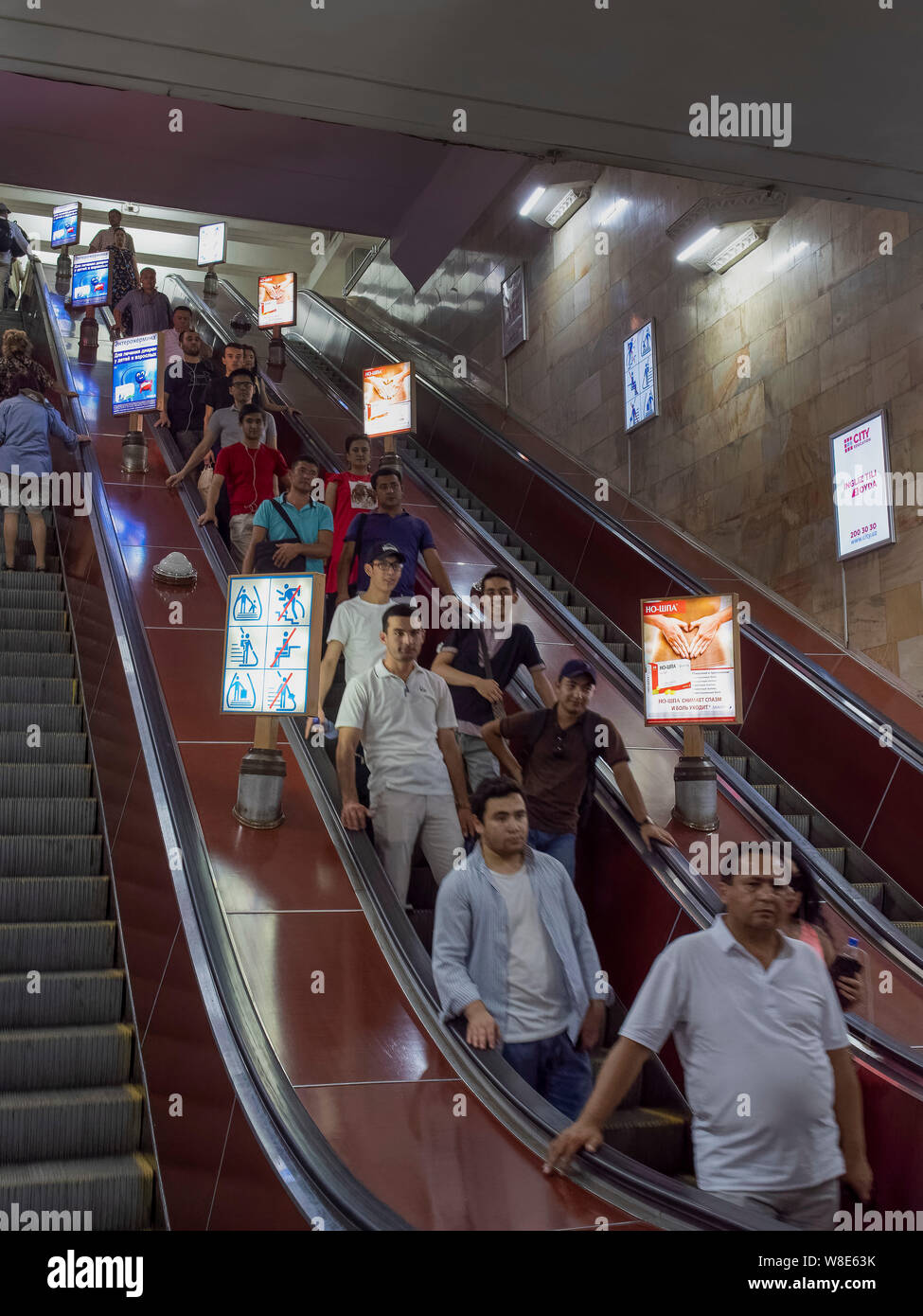
RMW8E63K鈥�Metro Station in Taschkent, Usbekistan, Asien Subway station in Tashkent, Uzbekistan, Asia
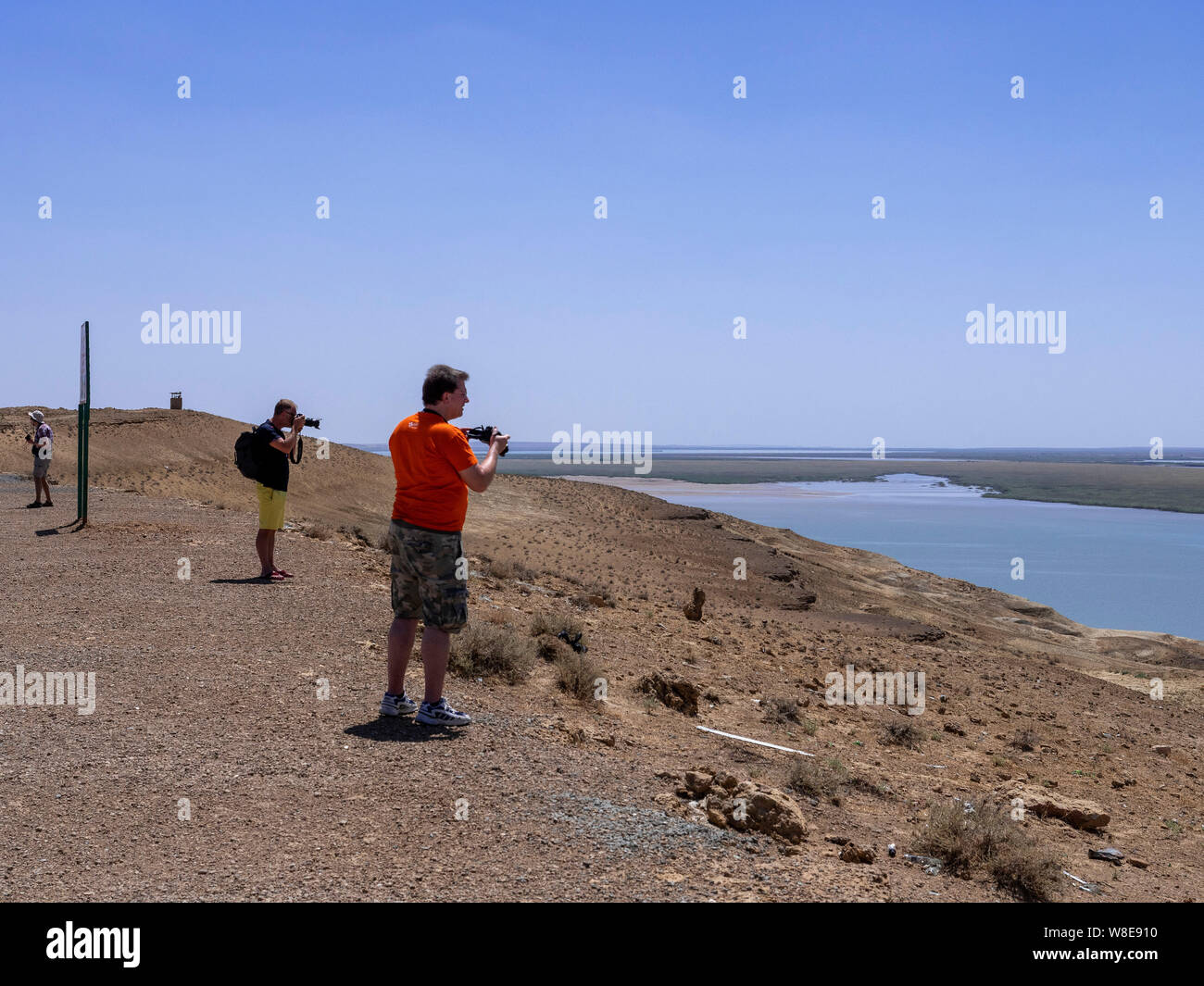
RMW8E910鈥�Grenze Turkmenistan am Fluss Amudarja, Usbekistan, Asien Boarder to Turmenistan at river Amurdaja, Uzbekistan, Asia
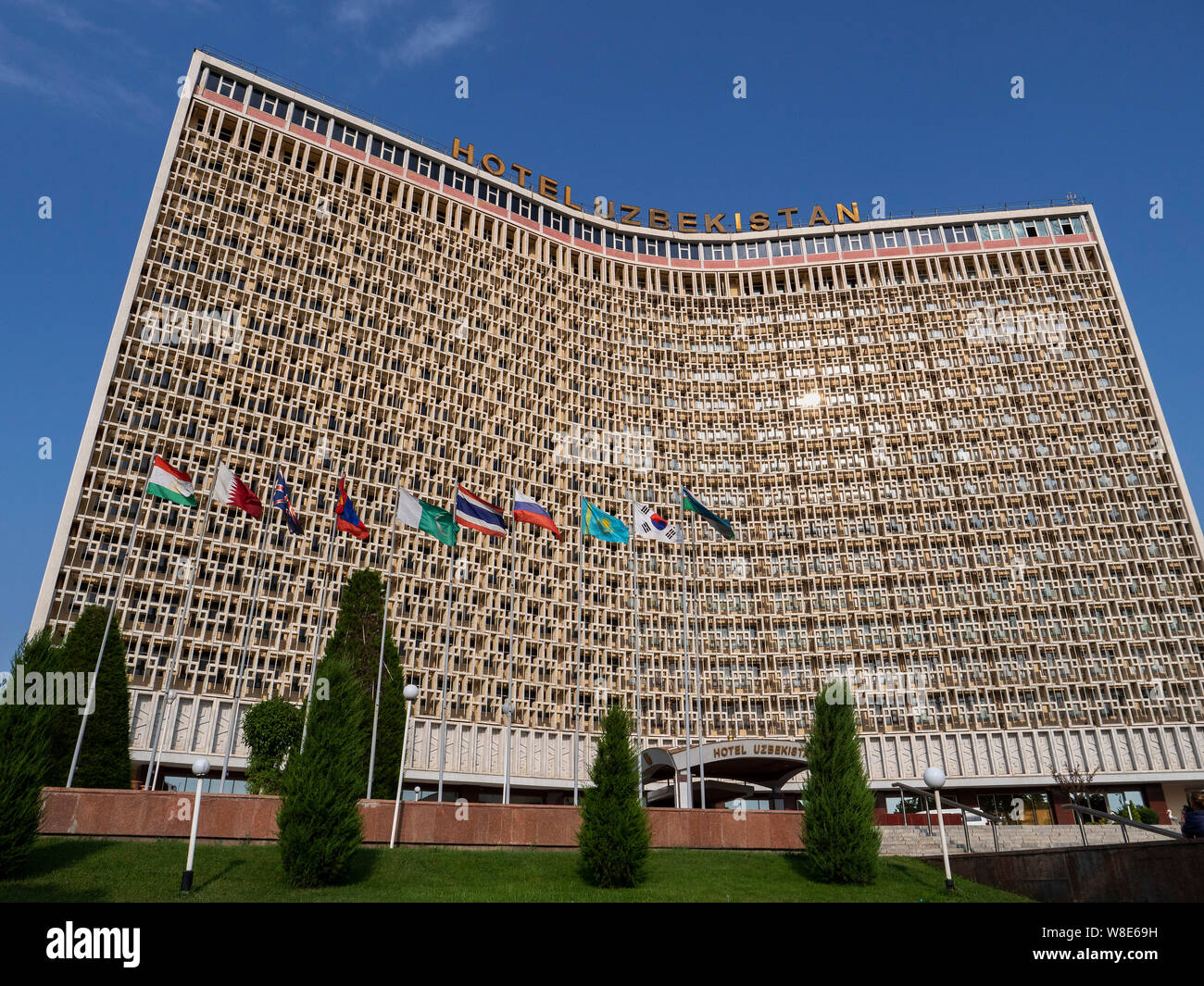
RMW8E69H鈥�Hotel Uzbekistan, Taschkent, Usbekistan, Asien Hotel Uzbekistan in Tashkent, Uzbekistan, Asia